James Robert Allard - Böcker
Visar alla böcker från författaren James Robert Allard. Handla med fri frakt och snabb leverans.
3 produkter
3 produkter
2 498 kr
Skickas inom 10-15 vardagar
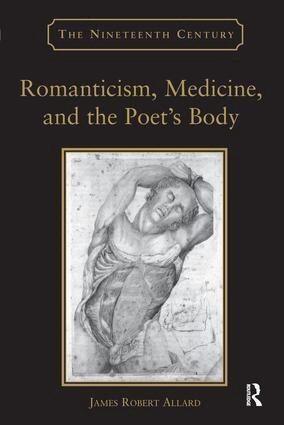
That medicine becomes professionalized at the very moment that literature becomes "Romantic" is an important coincidence, and James Allard makes the most of it. His book restores the physical body to its proper place in Romantic studies by exploring the status of the human body during the period. With meticulous detail, he documents the way medical discourse consolidates a body susceptible to medical authority that is then represented in the works of Romantic era poets. In doing so, he attends not only to the history of medicine's professionalization but significantly to the rhetoric of legitimation that advances the authority of doctors over the bodies of patients and readers alike. After surveying trends in Romantic-era medicine and analyzing the body's treatment in key texts by Wordsworth and Joanna Baillie, Allard moves quickly to his central subject-the Poet-Physician. This hybrid figure, discovered in the works of the medically trained John Keats, John Thelwall, Thomas Lovell Beddoes, embodies the struggles occasioned by the discrepancies and affinities between medicine and poetry.
2 498 kr
Skickas inom 10-15 vardagar
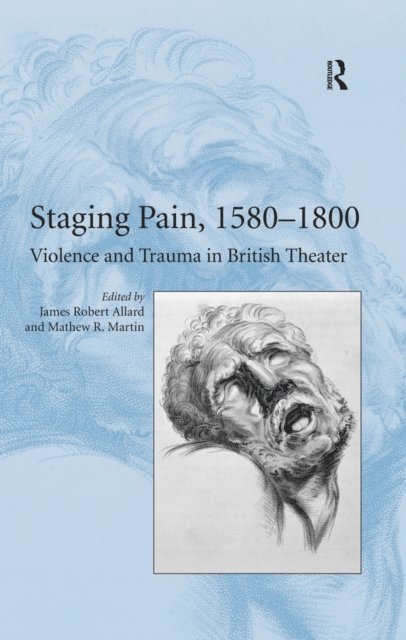
Bookending the chronology of this collection are two crucial moments in the histories of pain, trauma, and their staging in British theater: the establishment of secular and professional theater in London in the 1580s, and the growing dissatisfaction with theatrical modes of public punishment alongside the increasing efficacy of staging extravagant spectacles at the end of the eighteenth century. From the often brutal spectacle of late medieval mystery plays to early Romantic re-evaluations of eighteenth-century appropriations of spectacles of pain, the essays take up the significance of these watershed moments in British theater and expand on recent work treating bodies in pain: what and how pain means, how such meaning can be embodied, how such embodiment can be dramatized, and how such dramatizations can be put to use and made meaningful in a variety of contexts. Grouped thematically, the essays interrogate individual plays and important topics in terms of the volume's overriding concerns, among them Tamburlaine and The Maid's Tragedy, revenge tragedy, Joshua Reynolds on public executions, King Lear, Settle's Moroccan plays, spectacles of injury, torture, and suffering, and Joanna Baillie's Plays on the Passions. Collectively, these essays make an important contribution to the increasingly interrelated histories of pain, the body, and the theater.
879 kr
Skickas inom 10-15 vardagar
That medicine becomes professionalized at the very moment that literature becomes "Romantic" is an important coincidence, and James Allard makes the most of it. His book restores the physical body to its proper place in Romantic studies by exploring the status of the human body during the period. With meticulous detail, he documents the way medical discourse consolidates a body susceptible to medical authority that is then represented in the works of Romantic era poets. In doing so, he attends not only to the history of medicine's professionalization but significantly to the rhetoric of legitimation that advances the authority of doctors over the bodies of patients and readers alike. After surveying trends in Romantic-era medicine and analyzing the body's treatment in key texts by Wordsworth and Joanna Baillie, Allard moves quickly to his central subject-the Poet-Physician. This hybrid figure, discovered in the works of the medically trained John Keats, John Thelwall, Thomas Lovell Beddoes, embodies the struggles occasioned by the discrepancies and affinities between medicine and poetry.