James Simeone - Böcker
Visar alla böcker från författaren James Simeone. Handla med fri frakt och snabb leverans.
2 produkter
2 produkter
530 kr
Skickas inom 7-10 vardagar
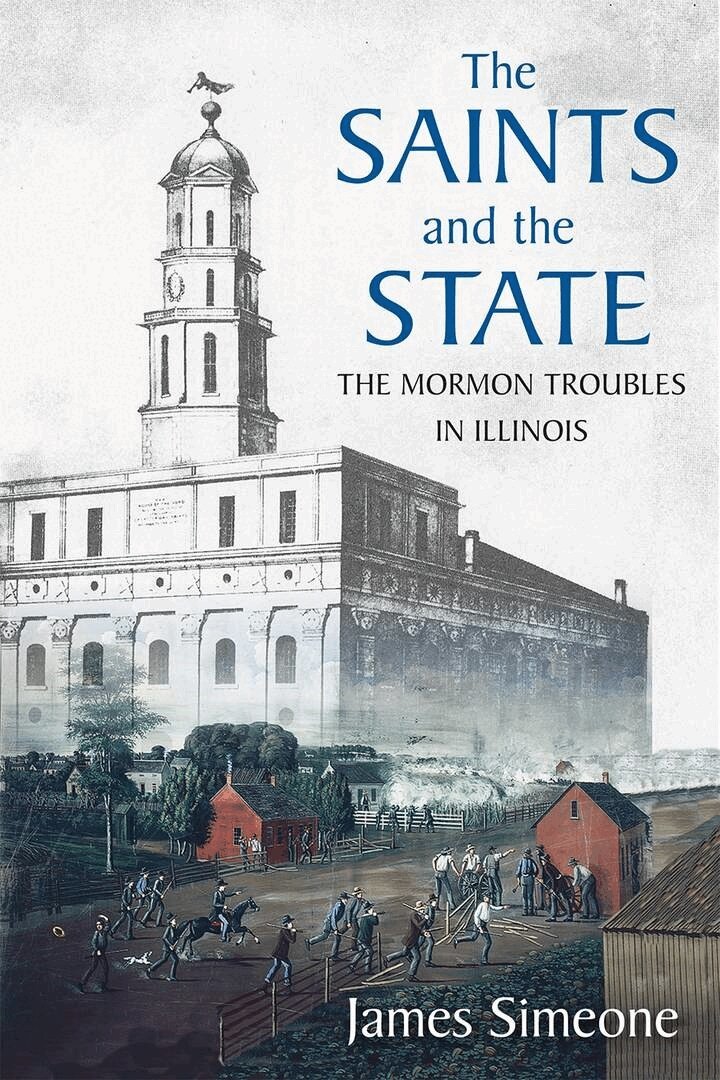
A compelling history of the 1846 Mormon expulsion from Illinois that exemplifies the limits of American democracy and religious tolerance.When members of the Church of Jesus Christ of Latter-day Saints (known as Mormons) settled in Illinois in 1839, they had been persecuted for their beliefs from Ohio to Missouri. Illinoisans viewed themselves as religiously tolerant egalitarians and initially welcomed the Mormons to their state. However, non-Mormon locals who valued competitive individualism perceived the saints' western Illinois settlement, Nauvoo, as a theocracy with too much political power. Amid escalating tensions in 1844, anti-Mormon vigilantes assassinated church founder Joseph Smith and his brother Hyrum. Two years later, the state expelled the saints. Illinois rejected the Mormons not for their religion, but rather for their effort to create a self-governing state in Nauvoo.Mormons put the essential aspirations of American liberal democracy to the test in Illinois. The saints' inward group focus and their decision to live together in Nauvoo highlight the challenges strong group consciousness and attachment pose to democratic governance. The Saints and the State narrates this tragic story as an epic failure of governance and shows how the conflicting demands of fairness to the Mormons and accountability to Illinois's majority became incompatible.
567 kr
Skickas inom 10-15 vardagar
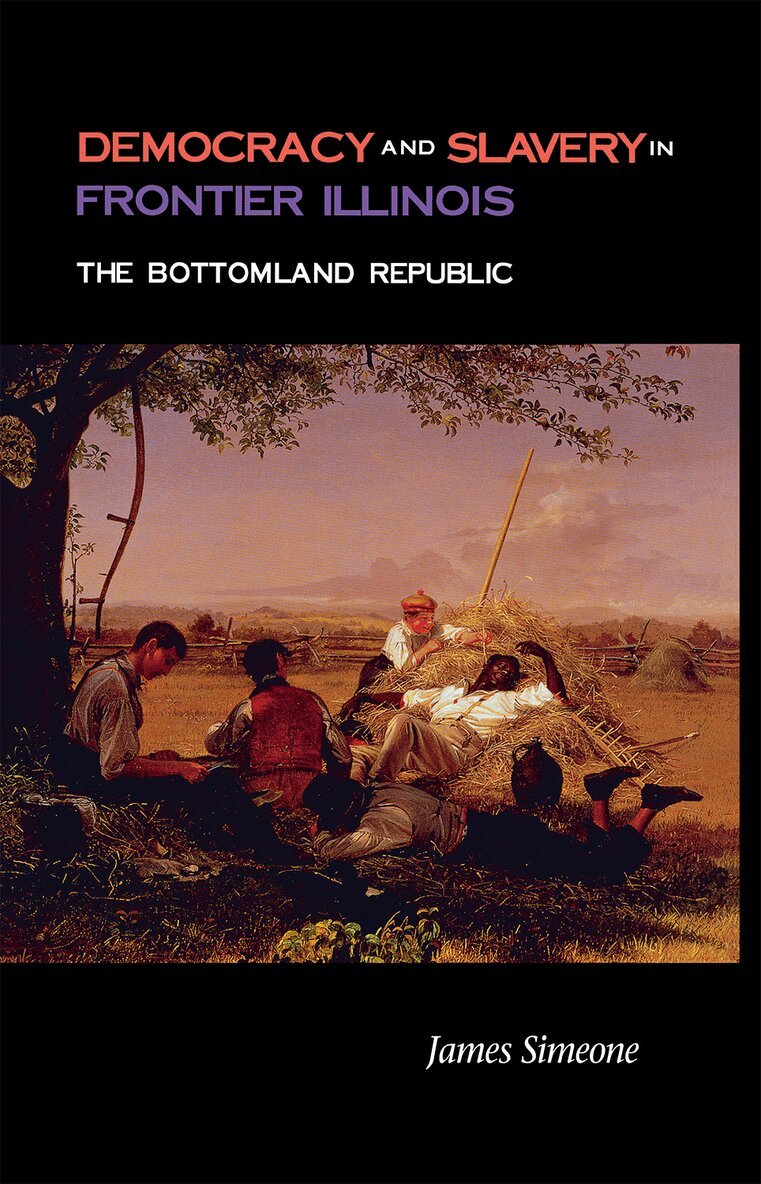
During the 1820s, Illinois witnessed one of the earliest and most important battles between slavery and antislavery forces in the new American republic-one that unleashed riots, arson, and mob violence across the state. In this deeply researched and finely argued book, James Simeone contends that the contest over slavery in Illinois prefigured the course of national politics up to the Civil War, revealing the complexity of the slave problem in the early republic. In attempting to bring slavery to a free state, white migrants from southern states hoped to create a Bottomland Republic of free and equal white yeoman farmers who could own slaves on the basis of "popular sovereignty." Abolitionists thus found themselves allied with the governing class of "aristocrats" against the upstart, proslavery migrants. The struggle permanently changed the state's political culture and foreshadowed the Democratic-Whig cleavage in antebellum politics by posing questions of regional and sectional identity, of the relation between republicanism and the market, and of the role of religion in public life. Democracy and Slavery in Frontier Illinois reveals the paradoxes within the quest for a democracy that also fostered slavery. Placing early Illinois politics in the context of the national politics of the Jacksonian era, it will appeal to readers interested in the political development of the early republic and the midwestern frontier, the roles of race and class in constructing political identity, and the nature of liberal democracy in nineteenth-century America.