James Staples - Böcker
Visar alla böcker från författaren James Staples. Handla med fri frakt och snabb leverans.
7 produkter
7 produkter
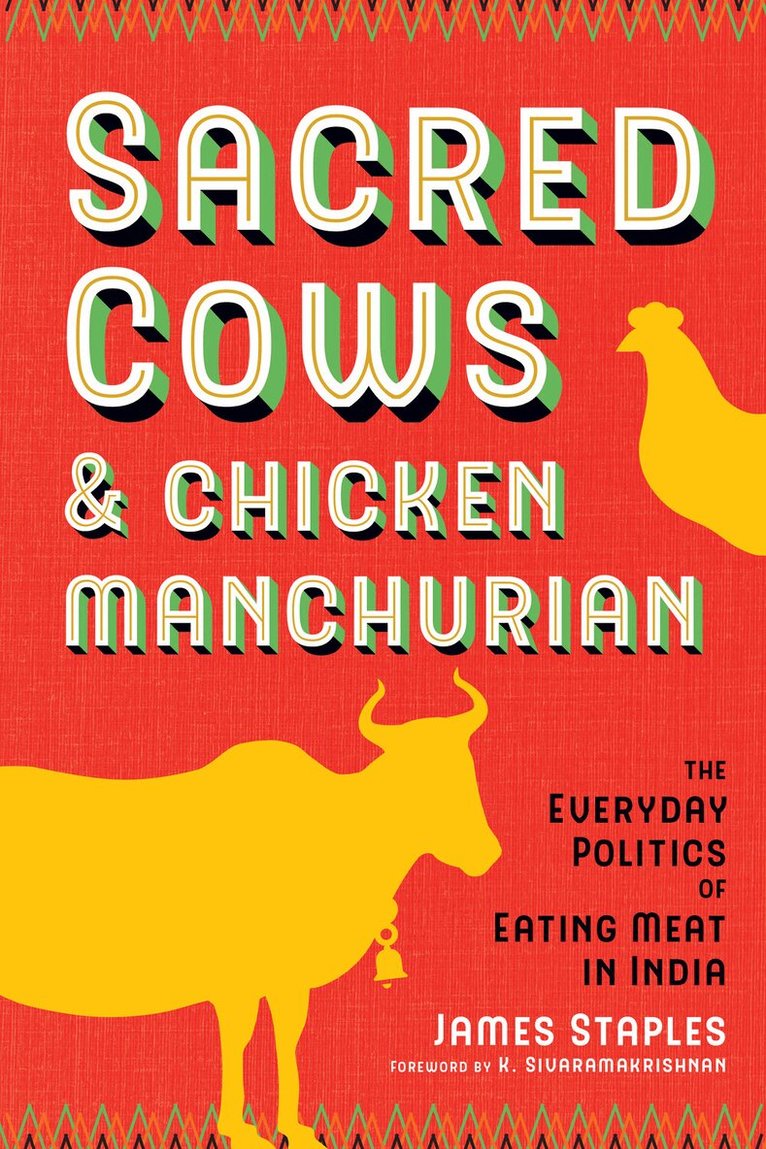
Sacred Cows and Chicken Manchurian
The Everyday Politics of Eating Meat in India
Inbunden, Engelska, 2020
1 802 kr
Skickas inom 7-10 vardagar
Challenges popular generalizations about cow protection and beef consumptionBovine politics exposes fault lines within contemporary Indian society, where eating beef is simultaneously a violation of sacred taboos, an expression of marginalized identities, and a route to cosmopolitan sophistication. The recent rise of Hindu nationalism has further polarized traditional views: Dalits, Muslims, and Christians protest threats to their beef-eating heritage while Hindu fundamentalists rally against those who eat the sacred cow. Yet close observation of what people do and do not eat, the styles and contexts within which they do so, and the disparities between rhetoric and everyday action overturns this simplistic binary opposition.Understanding how a food can be implicated in riots, vigilante attacks, and even murders demands that we look beyond immediate politics to wider contexts. Drawing on decades of ethnographic research in South India, James Staples charts how cattle owners, brokers, butchers, cooks, and occasional beef eaters navigate the contemporary political and cultural climate. Sacred Cows and Chicken Manchurian offers a fine-grained exploration of the current situation, locating it within the wider anthropology of food and eating in the region and revealing critical aspects of what it is to be Indian in the early twenty-first century.
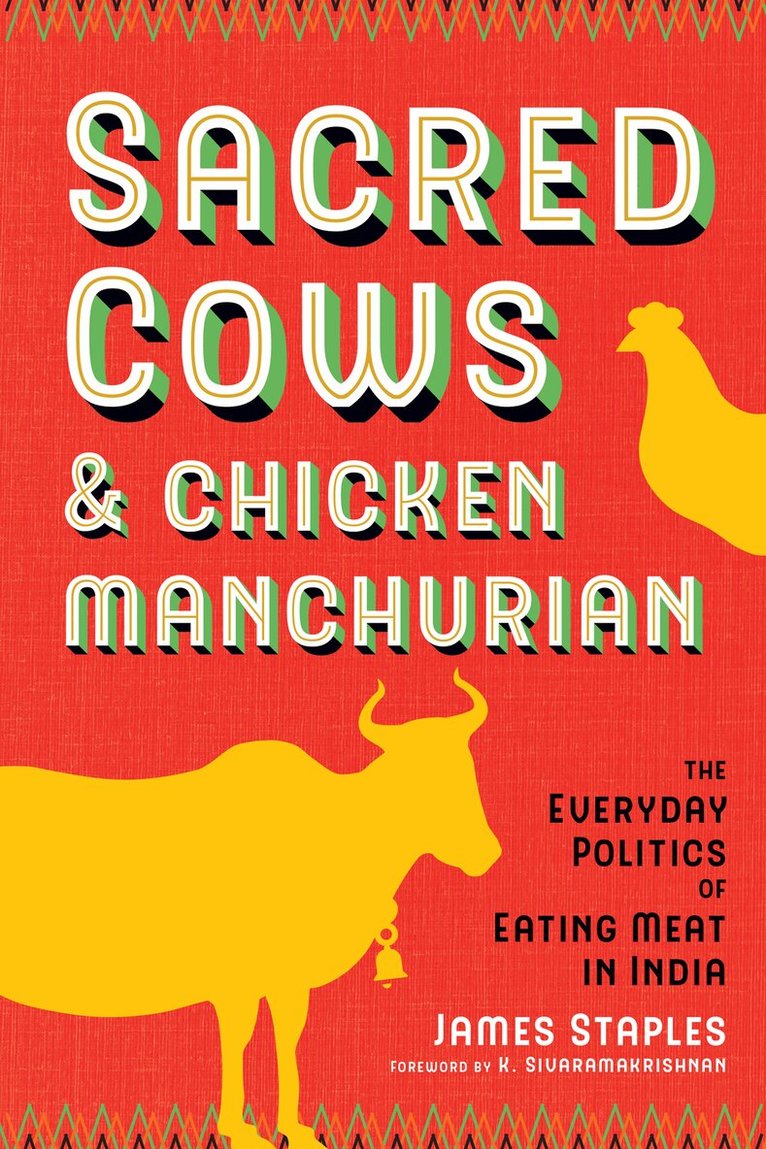
Sacred Cows and Chicken Manchurian
The Everyday Politics of Eating Meat in India
Häftad, Engelska, 2020
516 kr
Skickas inom 7-10 vardagar
Challenges popular generalizations about cow protection and beef consumptionBovine politics exposes fault lines within contemporary Indian society, where eating beef is simultaneously a violation of sacred taboos, an expression of marginalized identities, and a route to cosmopolitan sophistication. The recent rise of Hindu nationalism has further polarized traditional views: Dalits, Muslims, and Christians protest threats to their beef-eating heritage while Hindu fundamentalists rally against those who eat the sacred cow. Yet close observation of what people do and do not eat, the styles and contexts within which they do so, and the disparities between rhetoric and everyday action overturns this simplistic binary opposition.Understanding how a food can be implicated in riots, vigilante attacks, and even murders demands that we look beyond immediate politics to wider contexts. Drawing on decades of ethnographic research in South India, James Staples charts how cattle owners, brokers, butchers, cooks, and occasional beef eaters navigate the contemporary political and cultural climate. Sacred Cows and Chicken Manchurian offers a fine-grained exploration of the current situation, locating it within the wider anthropology of food and eating in the region and revealing critical aspects of what it is to be Indian in the early twenty-first century.
1 276 kr
Skickas inom 10-15 vardagar
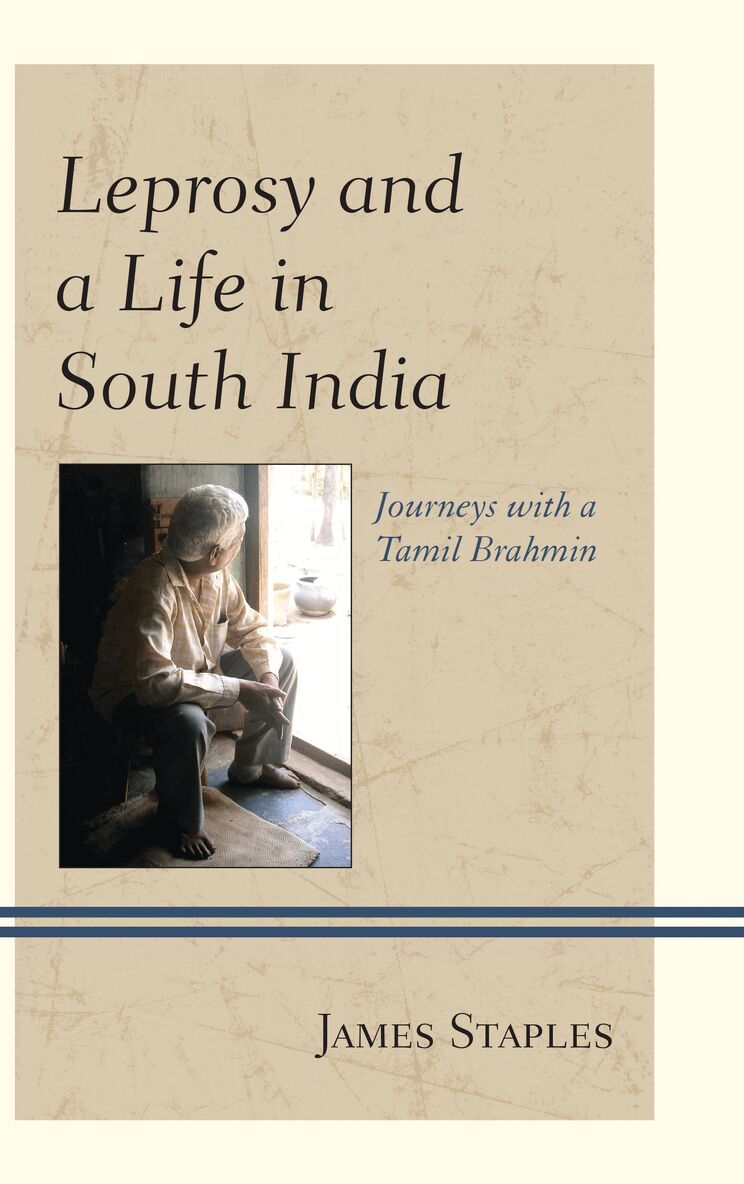
Drawing on solid ethnographic fieldwork as well as many hours of interviews, Leprosy and a Life in South India: Journeys with a Tamil Brahmin tells the life story of Das, a Tamil Brahmin born in the newly post-colonial India of the early 1950s. After being diagnosed with leprosy, Das spent over a decade on the streets of Bombay and Madras, learning to survive as an unofficial station porter, hotel bellhop, and sometimes tourist guide. He won and lost fortunes on horses, he gambled, and he learned firsthand of the pleasures to be had in Bombay’s red light district. But for all the joy that comes through so vividly in his account, Das’s story unfolds against a backdrop of everyday violence and hardship. Re-investigated through the prism of an individual life, what are often presented as the rigid social categories of caste, religion and kinship come to be seen in fresh new ways. Through this life history account, Leprosy in South India captures all this in ways conventional accounts do not, offering a unique take on what it is to be an Indian in contemporary India.
2 238 kr
Skickas inom 10-15 vardagar
Sex workers, street hawkers, drug sellers, cleaners—they are people living on the margins of urban life who are ubiquitous but widely misunderstood and notably absent from mainstream economic analyses. In Livelihood on the Margins, anthropologists and practitioners engaged in hands-on development work use fine-grained ethnographic research to cut through the conventional narratives that romanticize, victimize, or demonize these populations. They go beyond the trendy “sustainable livelihoods” approach to development to examine the relationship between the agency people can actually wield over their own lives and the broader socio-political constraints that persistently push them to the margins. Making these multi-level connections across a wide range of world regions and situations, this volume shows how the micro-concerns of ordinary people might usefully guide the macro-concerns of governments, NGOs, and global institutions who are engineering large-scale social and economic development programs. Livelihood at the Margins is an engaging and eye-opening read for undergraduate and graduate students studying development in anthropology, sociology, geography, economics, and other disciplines, as well as a useful tool for developments studies researchers and practitioners.
575 kr
Skickas inom 10-15 vardagar
Sex workers, street hawkers, drug sellers, cleaners—they are people living on the margins of urban life who are ubiquitous but widely misunderstood and notably absent from mainstream economic analyses. In Livelihood on the Margins, anthropologists and practitioners engaged in hands-on development work use fine-grained ethnographic research to cut through the conventional narratives that romanticize, victimize, or demonize these populations. They go beyond the trendy “sustainable livelihoods” approach to development to examine the relationship between the agency people can actually wield over their own lives and the broader socio-political constraints that persistently push them to the margins. Making these multi-level connections across a wide range of world regions and situations, this volume shows how the micro-concerns of ordinary people might usefully guide the macro-concerns of governments, NGOs, and global institutions who are engineering large-scale social and economic development programs. Livelihood at the Margins is an engaging and eye-opening read for undergraduate and graduate students studying development in anthropology, sociology, geography, economics, and other disciplines, as well as a useful tool for developments studies researchers and practitioners.
1 956 kr
Skickas inom 3-6 vardagar
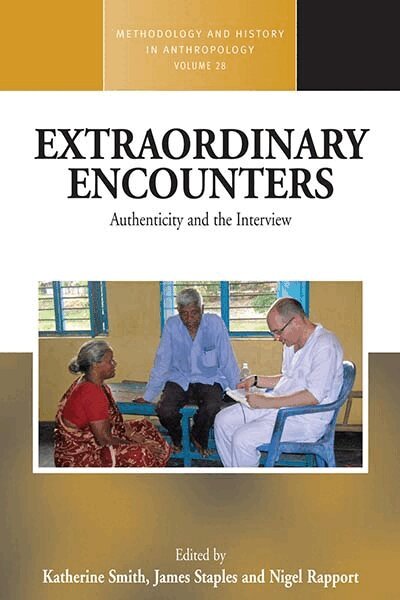
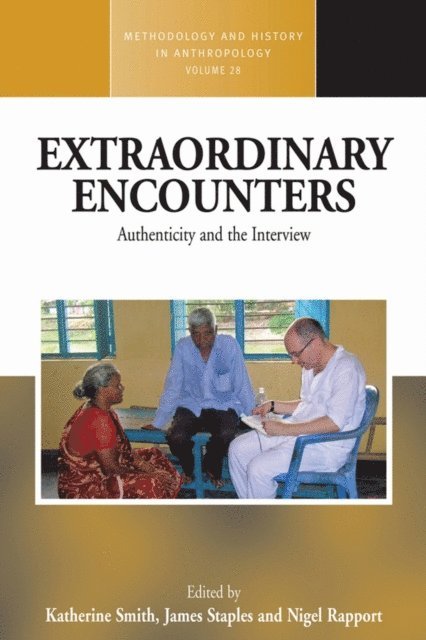
Given the anthropological focus on ethnography as a kind of deep immersion, the interview poses theoretical and methodological challenges for the discipline. This volume explores those challenges and argues that the interview should be seen as a special, productive site of ethnographic encounter, a site of a very particular and important kind of knowing. In a range of social contexts and cultural settings, contributors show how the interview is experienced and imagined as a kind of space within which personal, biographic and social cues and norms can be explored and interrogated. The interview possesses its own authenticity, therefore—true to the persons involved and true to their moment of interaction—whilst at the same time providing information on human capacities and proclivities that is generalizable beyond particular social and cultural contexts.
566 kr
Skickas inom 3-6 vardagar
Given the anthropological focus on ethnography as a kind of deep immersion, the interview poses theoretical and methodological challenges for the discipline. This volume explores those challenges and argues that the interview should be seen as a special, productive site of ethnographic encounter, a site of a very particular and important kind of knowing. In a range of social contexts and cultural settings, contributors show how the interview is experienced and imagined as a kind of space within which personal, biographic and social cues and norms can be explored and interrogated. The interview possesses its own authenticity, therefore—true to the persons involved and true to their moment of interaction—whilst at the same time providing information on human capacities and proclivities that is generalizable beyond particular social and cultural contexts.