James Sterba - Böcker
Visar alla böcker från författaren James Sterba. Handla med fri frakt och snabb leverans.
6 produkter
6 produkter
820 kr
Skickas inom 5-8 vardagar
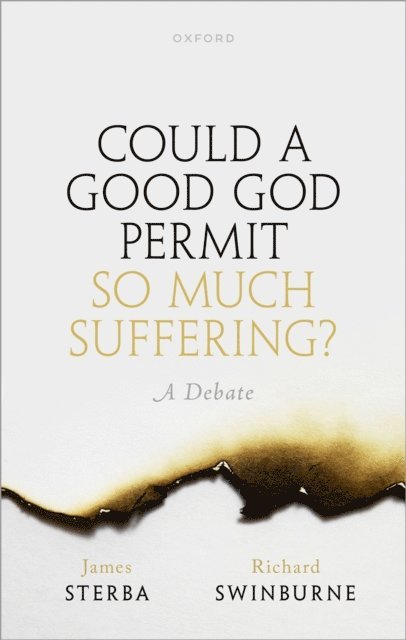
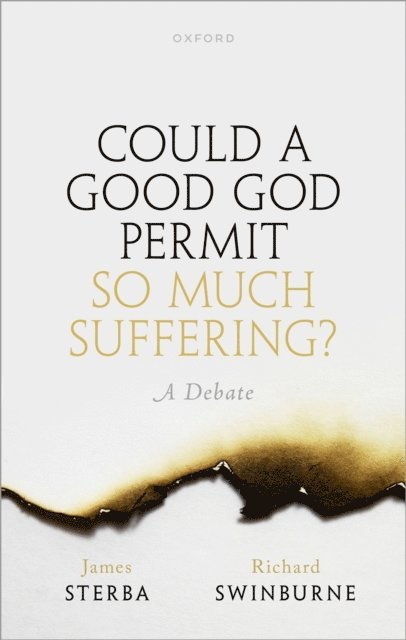
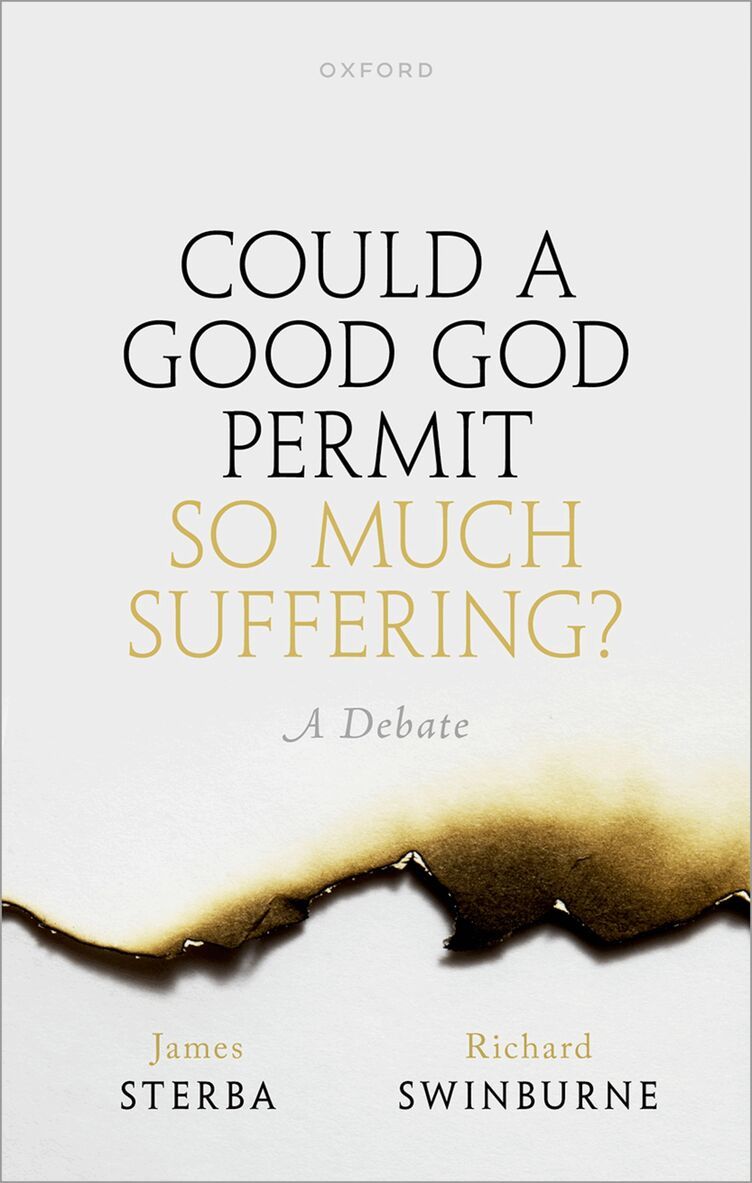
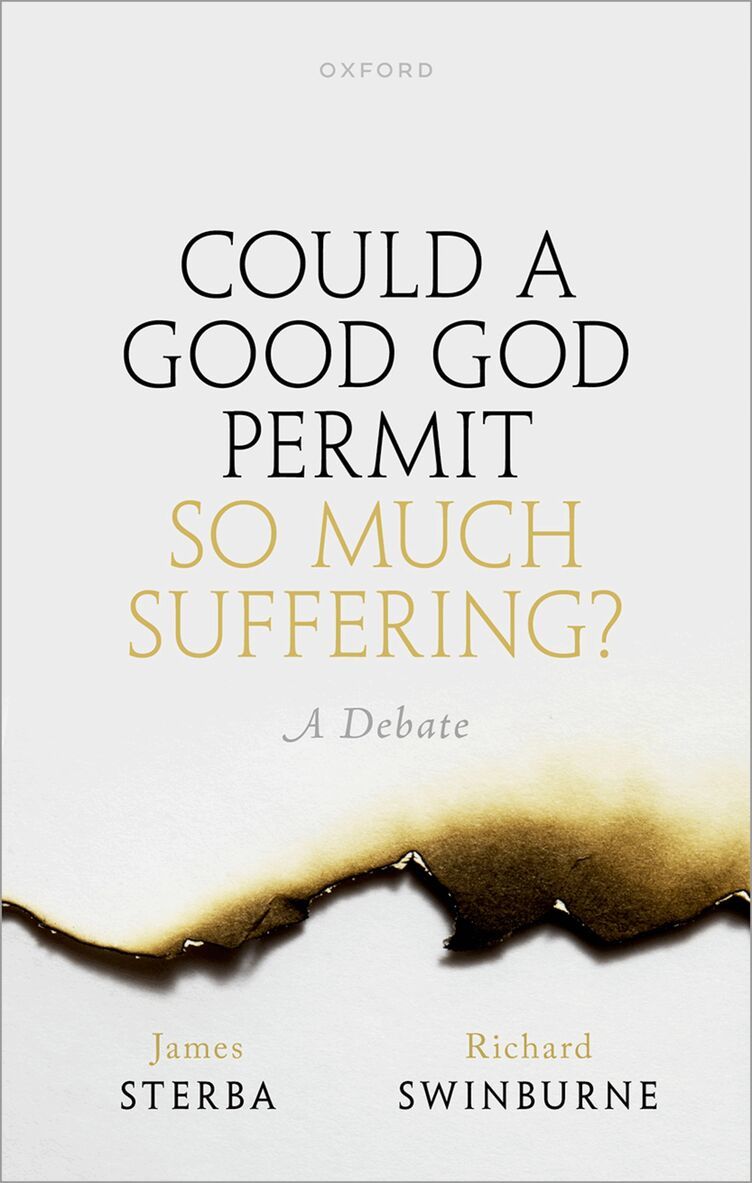
Could a Good God Permit So Much Suffering? presents a debate over whether the degree and amount of moral evil that actually exists in our world is logically incompatible with the existence of the all-good, all-powerful God of traditional theism. James Sterba puts the case in favour of this proposition, on the basis that the evils of the world are so horrendous that their occurrence violates principles requiring the prevention of moral evil, conclusively showing the non-existence of an omnipotent and perfectly good God. In reply, Richard Swinburne argues that our major benefactors, parents and the State, have rights to permit us to suffer if doing so is necessary to secure some good for ourselves or others. Therefore, Swinburne claims, as so much greater a benefactor than are parents and the State, it follows that God has a far greater right to allow suffering to a high degree if allowing such suffering is the only logically possible way for God to secure some very great goods for ourselves or others. Further responses from both Sterba and Swinburne continue the debate, ensuring that all lines of argument are thoroughly explored.
203 kr
Skickas inom 5-8 vardagar
Could a Good God Permit So Much Suffering? presents a debate over whether the degree and amount of moral evil that actually exists in our world is logically incompatible with the existence of the all-good, all-powerful God of traditional theism. James Sterba puts the case in favour of this proposition, on the basis that the evils of the world are so horrendous that their occurrence violates principles requiring the prevention of moral evil, conclusively showing the non-existence of an omnipotent and perfectly good God. In reply, Richard Swinburne argues that our major benefactors, parents and the State, have rights to permit us to suffer if doing so is necessary to secure some good for ourselves or others. Therefore, Swinburne claims, as so much greater a benefactor than are parents and the State, it follows that God has a far greater right to allow suffering to a high degree if allowing such suffering is the only logically possible way for God to secure some very great goods for ourselves or others. Further responses from both Sterba and Swinburne continue the debate, ensuring that all lines of argument are thoroughly explored.
1 737 kr
Skickas inom 3-6 vardagar
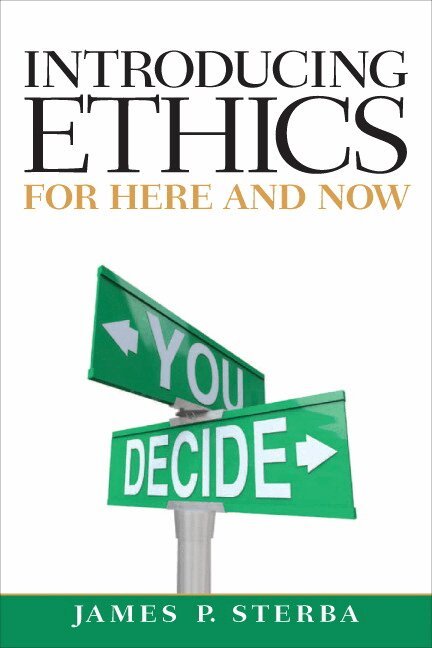
ALERT: Before you purchase, check with your instructor or review your course syllabus to ensure that you select the correct ISBN. Several versions of Pearson's MyLab & Mastering products exist for each title, including customized versions for individual schools, and registrations are not transferable. In addition, you may need a CourseID, provided by your instructor, to register for and use Pearson's MyLab & Mastering products. Packages Access codes for Pearson's MyLab & Mastering products may not be included when purchasing or renting from companies other than Pearson; check with the seller before completing your purchase. Used or rental books If you rent or purchase a used book with an access code, the access code may have been redeemed previously and you may have to purchase a new access code. Access codes Access codes that are purchased from sellers other than Pearson carry a higher risk of being either the wrong ISBN or a previously redeemed code. Check with the seller prior to purchase. -- Students learn how traditional ethical theories can be applied to practical problems.Introducing Ethics is a brief text that encourages students to determine how the common wisdom of traditional ethical theories can be applied to practical problems such as the distribution of income and wealth, torture, terrorism, and gay and lesbian rights. The text begins by challenging students to think about whether or not ethics is useful for making choices. It poses three questions: 1) Is morality determined by religion rather than reason? 2) Is everything relative? 3) Is it better to be an egoist? Then, after laying out Utilitarian ethics, Kantian ethics, and Aristotelian ethics, the author poses an additional three challenges focused on the traditional conceptions of ethics: the environmental challenge, the feminist challenge, and the multicultural challenge. Learning Goals Upon completing this book readers will be able to: * Answer the question: Do I make ethical or moral choices well? * Determine their own responses to ethical challenges
1 403 kr
Skickas inom 10-15 vardagar
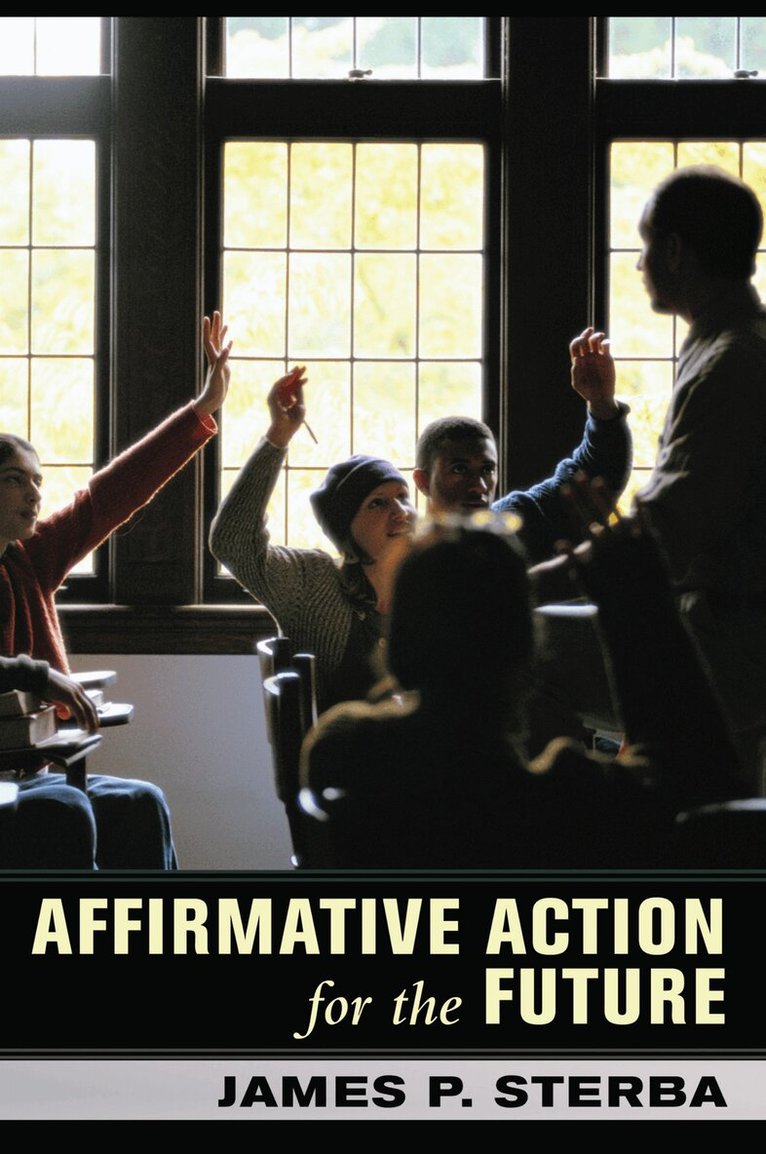
At a time when private and public institutions of higher education are reassessing their admissions policies in light of new economic conditions, Affirmative Action for the Future is a clarion call for the need to keep the door of opportunity open. In 2003, U.S. Supreme Court's Grutter and Gratz decisions vindicated the University of Michigan Law School's affirmative action program while striking down the particular affirmative action program used for undergraduates at the university. In 2006 and 2008, state referendums banned affirmative action in some states while upholding it in others. Taking these developments into account, James P. Sterba draws on his vast experience as a champion of affirmative action to mount a new moral and legal defense of the practice as a useful tool for social reform. Sterba documents the level of racial and sexual discrimination that still exists in the United States and then, arguing that diversity is a public good, he calls for expansion of the reach of affirmative action as a mechanism for encouraging true diversity. In his view, we must include in our understanding of affirmative action the need to favor those who come from economically disadvantaged backgrounds, regardless of race and sex. Elite colleges and universities could best facilitate opportunities for students from working-class and poor families, in Sterba's view, by cutting back on legacy and athletic preferences that overwhelmingly benefit wealthy white applicants.
339 kr
Skickas inom 10-15 vardagar
At a time when private and public institutions of higher education are reassessing their admissions policies in light of new economic conditions, Affirmative Action for the Future is a clarion call for the need to keep the door of opportunity open. In 2003, U.S. Supreme Court's Grutter and Gratz decisions vindicated the University of Michigan Law School's affirmative action program while striking down the particular affirmative action program used for undergraduates at the university. In 2006 and 2008, state referendums banned affirmative action in some states while upholding it in others. Taking these developments into account, James P. Sterba draws on his vast experience as a champion of affirmative action to mount a new moral and legal defense of the practice as a useful tool for social reform. Sterba documents the level of racial and sexual discrimination that still exists in the United States and then, arguing that diversity is a public good, he calls for expansion of the reach of affirmative action as a mechanism for encouraging true diversity. In his view, we must include in our understanding of affirmative action the need to favor those who come from economically disadvantaged backgrounds, regardless of race and sex. Elite colleges and universities could best facilitate opportunities for students from working-class and poor families, in Sterba's view, by cutting back on legacy and athletic preferences that overwhelmingly benefit wealthy white applicants.
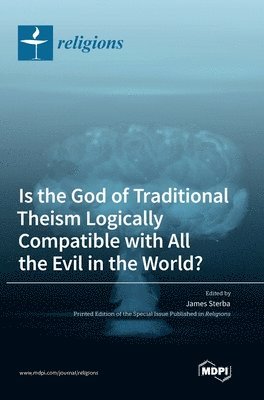
Is the God of Traditional Theism Logically Compatible with All the Evil in the World?
Inbunden, Engelska, 2022
676 kr
Skickas inom 5-8 vardagar