James Tilley – författare
Visar alla böcker från författaren James Tilley. Handla med fri frakt och snabb leverans.
8 produkter
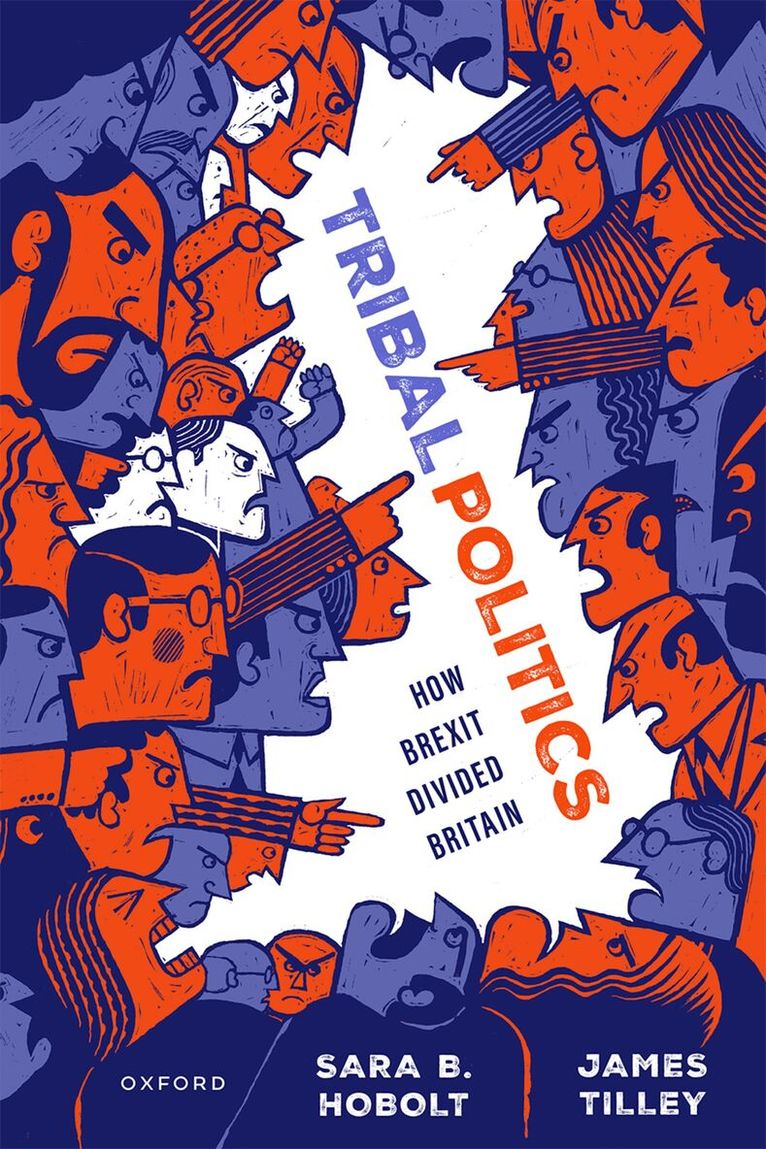
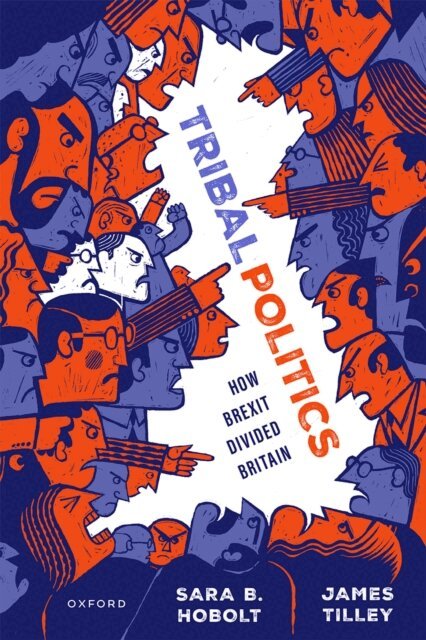
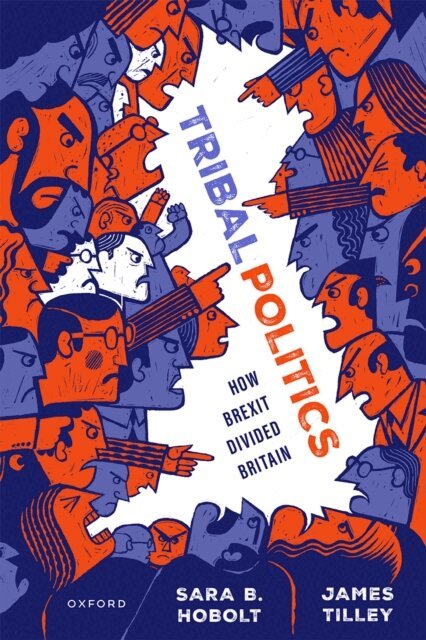
Tribal Politics
How Brexit Divided Britain
Av Sara B. Hobolt, James Tilley
Inbunden, 2026
420 kr
Lägg i varukorg
The Brexit referendum was a pivotal moment in British politics. Tribal Politics argues this is not only because it led to the UK's departure from the European Union, but also because it created two new, powerful, and enduring political identities in the UK: Leavers and Remainers. These new …
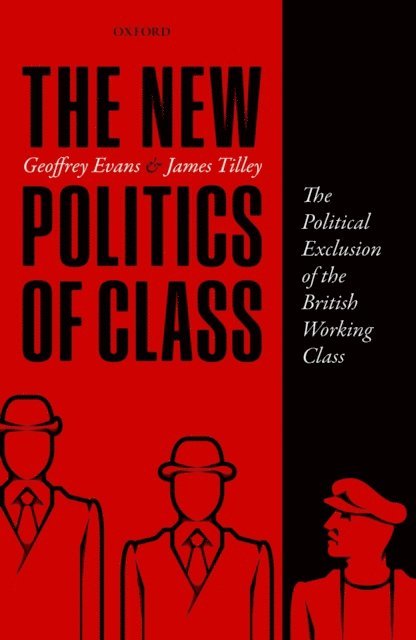
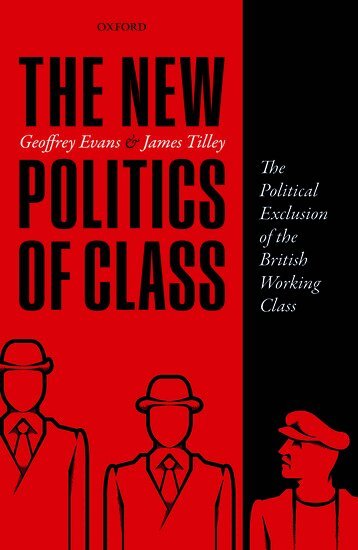
New Politics of Class
The Political Exclusion of the British Working Class
Av James Tilley, Geoffrey Evans
E-bok, 2017
538 kr
Lägg i varukorg
This book explores the new politics of class in 21st century Britain. It shows how the changing shape of the class structure since 1945 has led political parties to change, which has both reduced class voting and increased class non-voting.This argument is developed in three stages. The first is to …
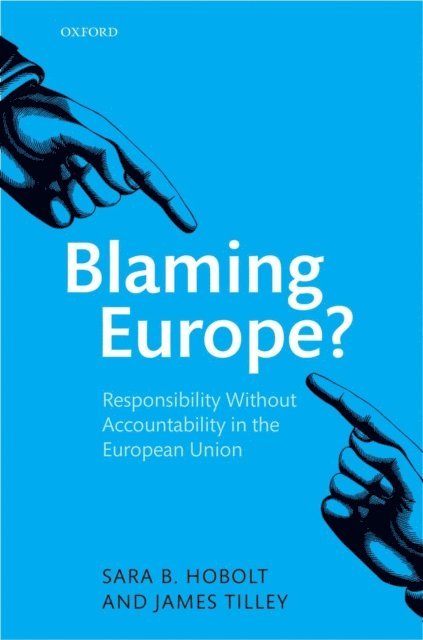
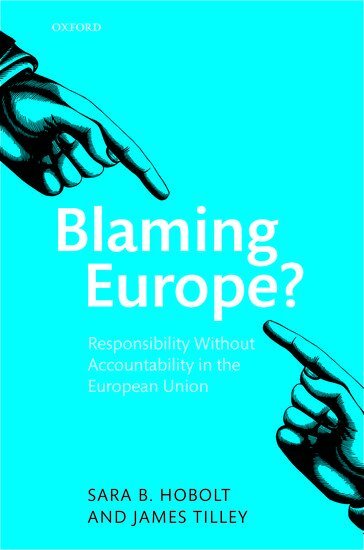
Blaming Europe?
Responsibility Without Accountability in the European Union
Av James Tilley, Sara B. Hobolt
E-bok, 2014
1430 kr
Lägg i varukorg
A key component of democratic accountability is that citizens understand ''who is to blame''. Nonetheless, little is known about how citizens attribute responsibility in the European Union or how those perceptions of responsibility matter. This book presents the first comprehensive account of how …
New Politics of Class
The Political Exclusion of the British Working Class
Av James Tilley, Geoffrey Evans
E-bok, 2017
605 kr
Lägg i varukorg
This book explores the new politics of class in 21st century Britain. It shows how the changing shape of the class structure since 1945 has led political parties to change, which has both reduced class voting and increased class non-voting.This argument is developed in three stages. The first is to …
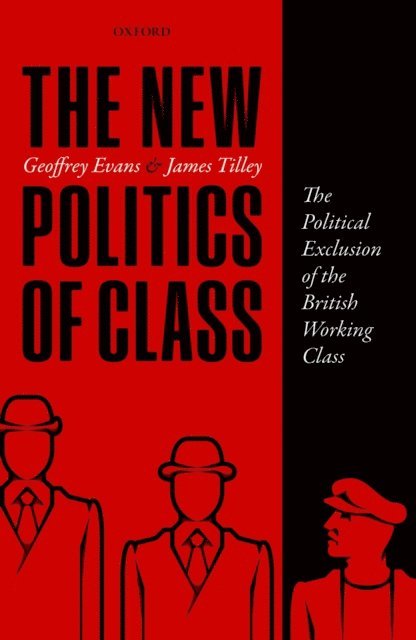
The New Politics of Class
The Political Exclusion of the British Working Class
Av Geoffrey Evans, James Tilley
Inbunden, 2017
4,0 utav 5 stjärnor. Totalt antal röster: (1)
862 kr
Lägg i varukorg
This book explores the new politics of class in 21st century Britain. It shows how the changing shape of the class structure since 1945 has led political parties to change, which has both reduced class voting and increased class non-voting.This argument is developed in three stages. The first is to …
Tribal Politics
How Brexit Divided Britain
Av James Tilley, Sara B. Hobolt
E-bok, 2026
343 kr
Lägg i varukorg
The Brexit referendum was a pivotal moment in British politics. Tribal Politics argues this is not only because it led to the UK's departure from the European Union, but also because it created two new, powerful, and enduring political identities in the UK: Leavers and Remainers. These new …
Tribal Politics
How Brexit Divided Britain
Av James Tilley, Sara B. Hobolt
E-bok, 2026
343 kr
Lägg i varukorg
The Brexit referendum was a pivotal moment in British politics. Tribal Politics argues this is not only because it led to the UK's departure from the European Union, but also because it created two new, powerful, and enduring political identities in the UK: Leavers and Remainers. These new …
Blaming Europe?
Responsibility Without Accountability in the European Union
Av Sara B. Hobolt, James Tilley
Inbunden, 2014
1664 kr
Lägg i varukorg
A key component of democratic accountability is that citizens understand 'who is to blame'. Nonetheless, little is known about how citizens attribute responsibility in the European Union or how those perceptions of responsibility matter. This book presents the first comprehensive account of how …