James Trent – författare
Visar alla böcker från författaren James Trent. Handla med fri frakt och snabb leverans.
5 produkter
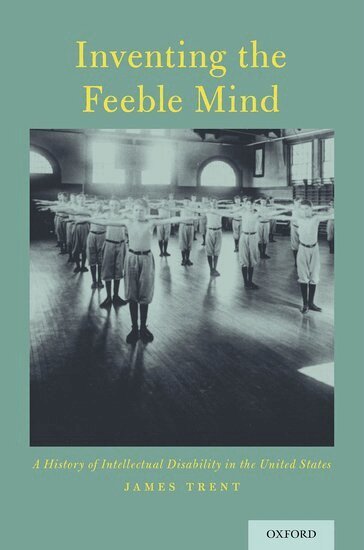
Inventing the Feeble Mind
A History of Intellectual Disability in the United States
Av James Trent
Häftad, 2016
714 kr
Lägg i varukorg
Pity, disgust, fear, cure, and prevention--all are words that Americans have used to make sense of what today we call intellectual disability. Inventing the Feeble Mind explores the history of this disability from its several identifications over the past 200 years: idiocy, imbecility, …
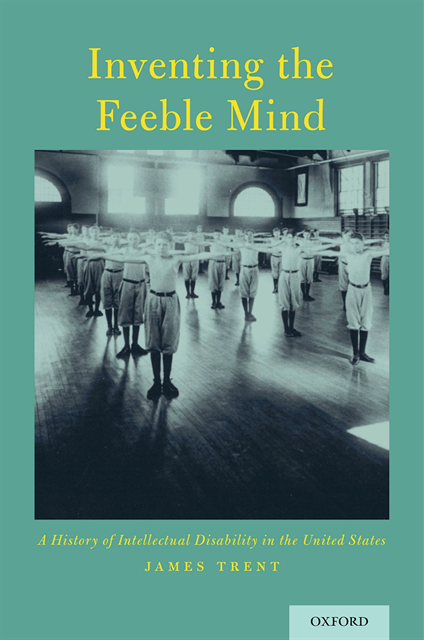
Inventing the Feeble Mind
A History of Intellectual Disability in the United States
Av James Trent
E-bok, 2016
470 kr
Lägg i varukorg
Pity, disgust, fear, cure, and prevention--all are words that Americans have used to make sense of what today we call intellectual disability. Inventing the Feeble Mind explores the history of this disability from its several identifications over the past 200 years: idiocy, imbecility, …
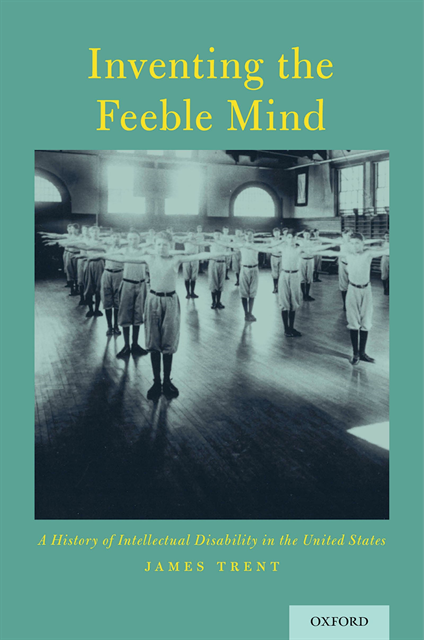
Inventing the Feeble Mind
A History of Intellectual Disability in the United States
Av James Trent
E-bok, 2016
470 kr
Lägg i varukorg
Pity, disgust, fear, cure, and prevention--all are words that Americans have used to make sense of what today we call intellectual disability. Inventing the Feeble Mind explores the history of this disability from its several identifications over the past 200 years: idiocy, imbecility, …
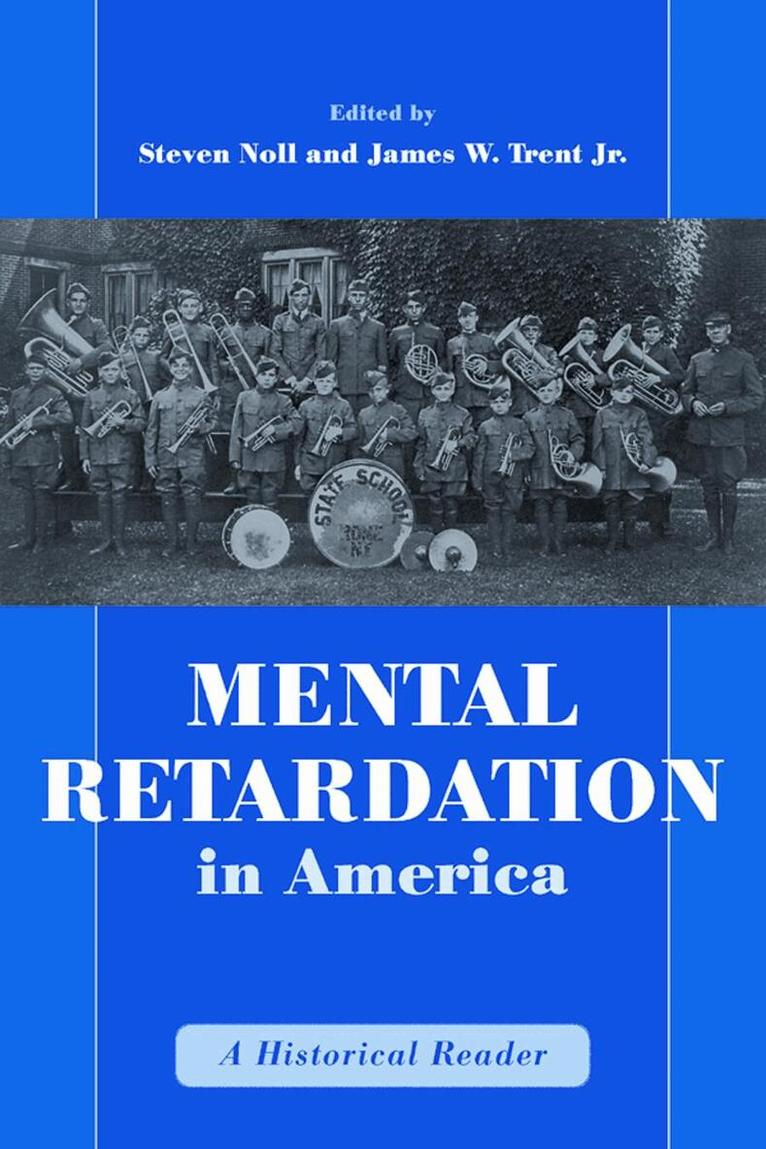
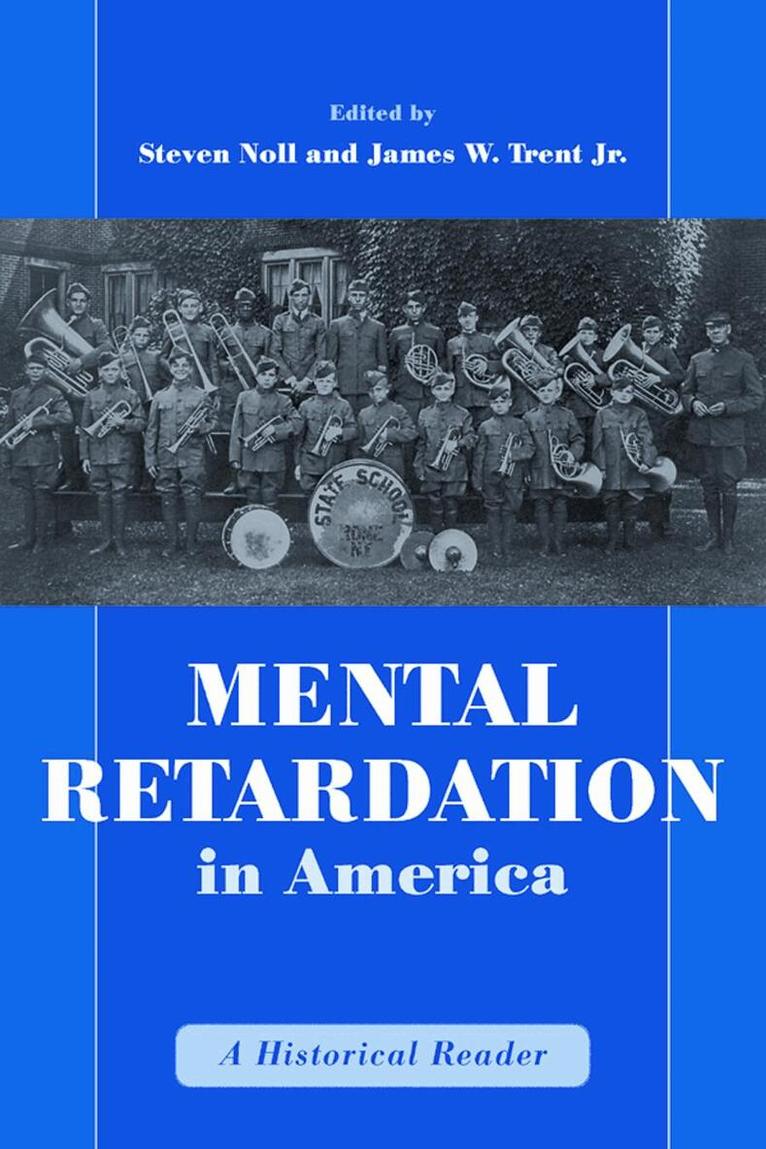
Mental Retardation in America
A Historical Reader
Av Steven Noll, W. Trent, James m. fl.
Inbunden, 2004
994 kr
Lägg i varukorg
The expressions "idiot, you idiot, you're an idiot, don't be an idiot," and the like are generally interpreted as momentary insults. But, they are also expressions that represent an old, if unstable, history. Beginning with an examination of the early nineteenth century labeling of mental …
Mental Retardation in America
A Historical Reader
Häftad, 2004
438 kr
Lägg i varukorg
The expressions "idiot, you idiot, you're an idiot, don't be an idiot," and the like are generally interpreted as momentary insults. But, they are also expressions that represent an old, if unstable, history. Beginning with an examination of the early nineteenth century labeling of mental …