James W. Feldman – författare
Visar alla böcker från författaren James W. Feldman. Handla med fri frakt och snabb leverans.
5 produkter
Storied Wilderness
Rewilding the Apostle Islands
E-bok, 2011
520 kr
Lägg i varukorg
The Apostle Islands are a solitary place of natural beauty, with red sandstone cliffs, secluded beaches, and a rich and unique forest surrounded by the cold, blue waters of Lake Superior. But this seemingly pristine wilderness has been shaped and reshaped by humans. The people who lived and worked …
Storied Wilderness
Rewilding the Apostle Islands
Häftad, 2013
517 kr
Lägg i varukorg
The Apostle Islands are a solitary place of natural beauty, with red sandstone cliffs, secluded beaches, and a rich and unique forest surrounded by the cold, blue waters of Lake Superior. But this seemingly pristine wilderness has been shaped and reshaped by humans. The people who lived and worked …
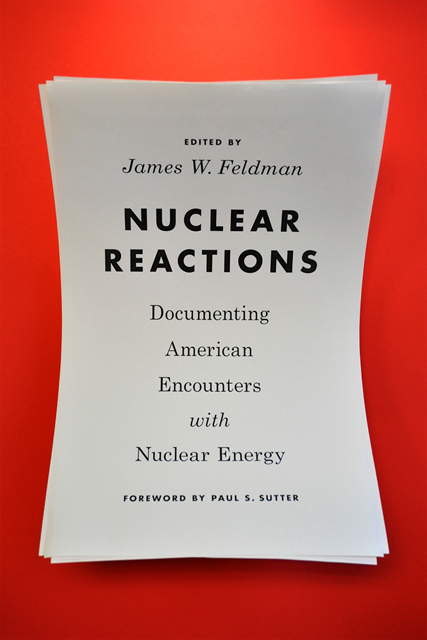
Nuclear Reactions
Documenting American Encounters with Nuclear Energy
Inbunden, 2016
1819 kr
Lägg i varukorg
Nuclear Reactions explores the nuclear consensus that emerged in post–World War II America, characterized by widespread support for a diplomatic and military strategy based on nuclear weapons and a vision of economic growth that welcomed nuclear energy both for the generation of electricity and for …
Nuclear Reactions
Documenting American Encounters with Nuclear Energy
Häftad, 2016
471 kr
Lägg i varukorg
Nuclear Reactions explores the nuclear consensus that emerged in post–World War II America, characterized by widespread support for a diplomatic and military strategy based on nuclear weapons and a vision of economic growth that welcomed nuclear energy both for the generation of electricity and for …
Nuclear Reactions
Documenting American Encounters with Nuclear Energy
E-bok, 2016
535 kr
Lägg i varukorg
Nuclear Reactions explores the nuclear consensus that emerged in post–World War II America, characterized by widespread support for a diplomatic and military strategy based on nuclear weapons and a vision of economic growth that welcomed nuclear energy both for the generation of electricity and for …