James W Watts – författare
Visar alla böcker från författaren James W Watts. Handla med fri frakt och snabb leverans.
19 produkter
19 produkter
408 kr
Skickas inom 5-8 vardagar
Over 2 million copies sold in The Word Biblical Commentary series.This commentary series delivers the best in biblical scholarship from the leading scholars of our day who share a commitment to Scripture as divine revelation.It emphasizes a thorough analysis of textual, linguistic, structural, and theological evidence, resulting in judicious and balanced insight into the meanings of the text in the framework of biblical theology. These widely acclaimed commentaries serve as exceptional resources for the professional theologian and instructor, the seminary or university student, the working minister, and everyone concerned with building theological understanding from a solid base of biblical scholarship.Overview of Commentary Organization:Introduction—covers issues pertaining to the whole book, including context, date, authorship, composition, interpretive issues, purpose, and theology.Pericope Bibliography—a helpful resource containing the most important works that pertain to each particular pericope.Translation—the author’s own translation of the biblical text, reflecting the end result of exegesis and attending to Hebrew and Greek idiomatic usage of words, phrases, and tenses, yet in reasonably good English.Notes—the author’s notes to the translation that address any textual variants, grammatical forms, syntactical constructions, basic meanings of words, and problems of translation.Form/Structure/Setting—a discussion of redaction, genre, sources, and tradition as they concern the origin of the pericope, its canonical form, and its relation to the biblical and extra-biblical contexts in order to illuminate the structure and character of the pericope. Rhetorical or compositional features important to understanding the passage are also introduced here.Comment—verse-by-verse interpretation of the text and dialogue with other interpreters, engaging with current opinion and scholarly research.Explanation—brings together all the results of the discussion in previous sections to expose the meaning and intention of the text at several levels: (1) within the context of the book itself; (2) its meaning in the OT or NT; (3) its place in the entire canon; (4) theological relevance to broader OT or NT issues.General Bibliography—occurring at the end of each volume, this extensive bibliography contains all sources used anywhere in the commentary.
408 kr
Skickas inom 5-8 vardagar
Over 2 million copies sold in The Word Biblical Commentary series.This commentary series delivers the best in biblical scholarship from the leading scholars of our day who share a commitment to Scripture as divine revelation.It emphasizes a thorough analysis of textual, linguistic, structural, and theological evidence, resulting in judicious and balanced insight into the meanings of the text in the framework of biblical theology. These widely acclaimed commentaries serve as exceptional resources for the professional theologian and instructor, the seminary or university student, the working minister, and everyone concerned with building theological understanding from a solid base of biblical scholarship.Overview of Commentary Organization:Introduction—covers issues pertaining to the whole book, including context, date, authorship, composition, interpretive issues, purpose, and theology.Pericope Bibliography—a helpful resource containing the most important works that pertain to each particular pericope.Translation—the author’s own translation of the biblical text, reflecting the end result of exegesis and attending to Hebrew and Greek idiomatic usage of words, phrases, and tenses, yet in reasonably good English.Notes—the author’s notes to the translation that address any textual variants, grammatical forms, syntactical constructions, basic meanings of words, and problems of translation.Form/Structure/Setting—a discussion of redaction, genre, sources, and tradition as they concern the origin of the pericope, its canonical form, and its relation to the biblical and extra-biblical contexts in order to illuminate the structure and character of the pericope. Rhetorical or compositional features important to understanding the passage are also introduced here.Comment—verse-by-verse interpretation of the text and dialogue with other interpreters, engaging with current opinion and scholarly research.Explanation—brings together all the results of the discussion in previous sections to expose the meaning and intention of the text at several levels: (1) within the context of the book itself; (2) its meaning in the OT or NT; (3) its place in the entire canon; (4) theological relevance to broader OT or NT issues.General Bibliography—occurring at the end of each volume, this extensive bibliography contains all sources used anywhere in the commentary.
489 kr
Skickas inom 5-8 vardagar
The Word Biblical Commentary delivers the best in biblical scholarship, from the leading scholars of our day who share a commitment to Scripture as divine revelation. This series emphasizes a thorough analysis of textual, linguistic, structural, and theological evidence. The result is judicious and balanced insight into the meanings of the text in the framework of biblical theology. These widely acclaimed commentaries serve as exceptional resources for the professional theologian and instructor, the seminary or university student, the working minister, and everyone concerned with building theological understanding from a solid base of biblical scholarship.Overview of Commentary OrganizationIntroduction—covers issues pertaining to the whole book, including context, date, authorship, composition, interpretive issues, purpose, and theology.Each section of the commentary includes:Pericope Bibliography—a helpful resource containing the most important works that pertain to each particular pericope.Translation—the author’s own translation of the biblical text, reflecting the end result of exegesis and attending to Hebrew and Greek idiomatic usage of words, phrases, and tenses, yet in reasonably good English.Notes—the author’s notes to the translation that address any textual variants, grammatical forms, syntactical constructions, basic meanings of words, and problems of translation.Form/Structure/Setting—a discussion of redaction, genre, sources, and tradition as they concern the origin of the pericope, its canonical form, and its relation to the biblical and extra-biblical contexts in order to illuminate the structure and character of the pericope. Rhetorical or compositional features important to understanding the passage are also introduced here.Comment—verse-by-verse interpretation of the text and dialogue with other interpreters, engaging with current opinion and scholarly research.Explanation—brings together all the results of the discussion in previous sections to expose the meaning and intention of the text at several levels: (1) within the context of the book itself; (2) its meaning in the OT or NT; (3) its place in the entire canon; (4) theological relevance to broader OT or NT issues.General Bibliography—occurring at the end of each volume, this extensive bibliographycontains all sources used anywhere in the commentary.
928 kr
Skickas inom 3-6 vardagar
The Word Biblical Commentary delivers the best in biblical scholarship, from the leading scholars of our day who share a commitment to Scripture as divine revelation. This series emphasizes a thorough analysis of textual, linguistic, structural, and theological evidence. The result is judicious and balanced insight into the meanings of the text in the framework of biblical theology. These widely acclaimed commentaries serve as exceptional resources for the professional theologian and instructor, the seminary or university student, the working minister, and everyone concerned with building theological understanding from a solid base of biblical scholarship.Overview of Commentary OrganizationIntroduction—covers issues pertaining to the whole book, including context, date, authorship, composition, interpretive issues, purpose, and theology.Each section of the commentary includes:Pericope Bibliography—a helpful resource containing the most important works that pertain to each particular pericope.Translation—the author’s own translation of the biblical text, reflecting the end result of exegesis and attending to Hebrew and Greek idiomatic usage of words, phrases, and tenses, yet in reasonably good English.Notes—the author’s notes to the translation that address any textual variants, grammatical forms, syntactical constructions, basic meanings of words, and problems of translation.Form/Structure/Setting—a discussion of redaction, genre, sources, and tradition as they concern the origin of the pericope, its canonical form, and its relation to the biblical and extra-biblical contexts in order to illuminate the structure and character of the pericope. Rhetorical or compositional features important to understanding the passage are also introduced here.Comment—verse-by-verse interpretation of the text and dialogue with other interpreters, engaging with current opinion and scholarly research.Explanation—brings together all the results of the discussion in previous sections to expose the meaning and intention of the text at several levels: (1) within the context of the book itself; (2) its meaning in the OT or NT; (3) its place in the entire canon; (4) theological relevance to broader OT or NT issues.General Bibliography—occurring at the end of each volume, this extensive bibliographycontains all sources used anywhere in the commentary.
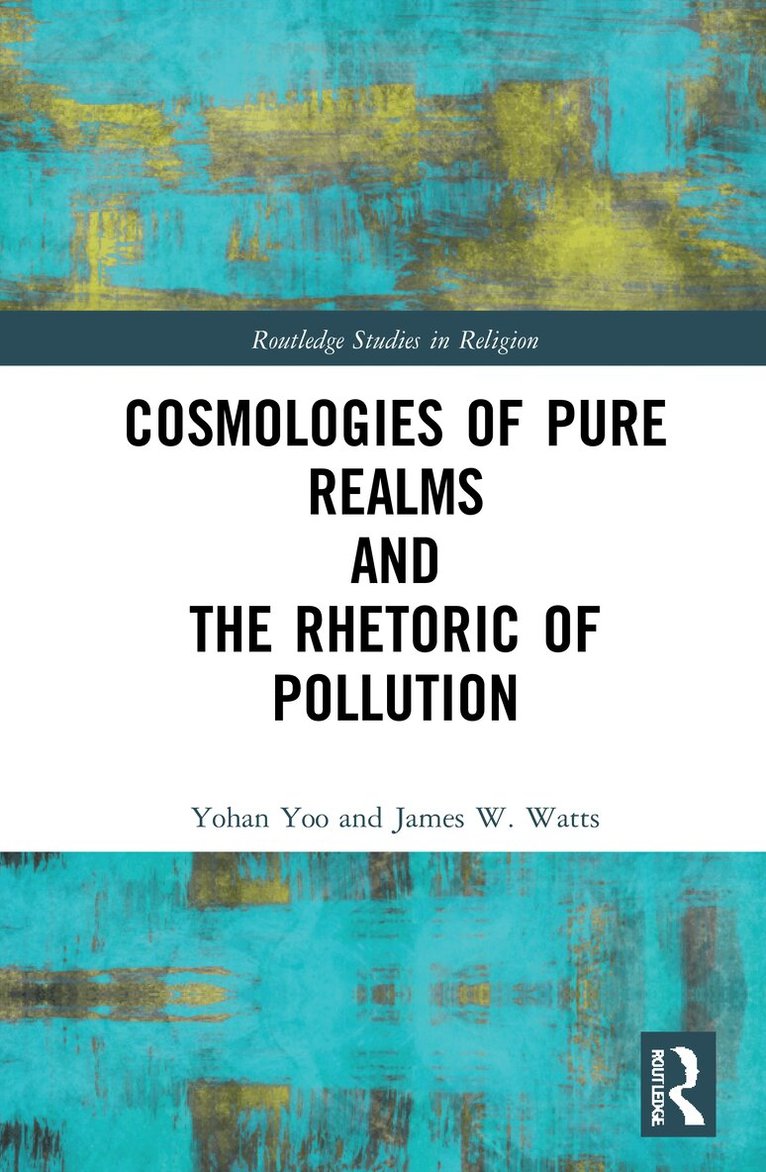
2 130 kr
Skickas inom 10-15 vardagar
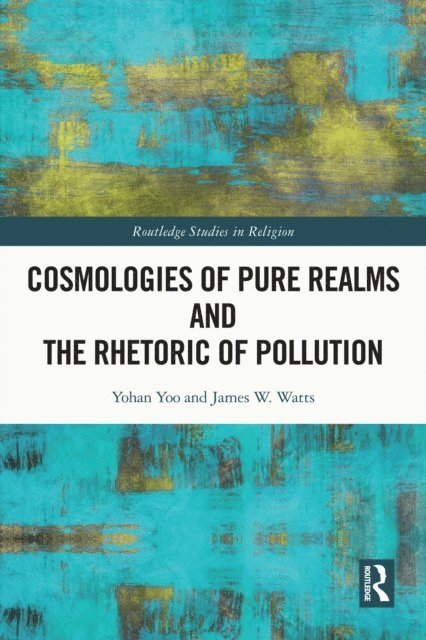
This collaboration between two scholars from different fields of religious studies draws on three comparative data sets to develop a new theory of purity and pollution in religion, arguing that a culture’s beliefs about cosmological realms shapes its pollution ideas and its purification practices.The authors of this study refine Mary Douglas’ foundational theory of pollution as "matter out of place," using a comparative approach to make the case that a culture’s cosmology designates which materials in which places constitute pollution. By bringing together a historical comparison of Ancient Near Eastern and Mediterranean religions, an ethnographic study of indigenous shamanism on Jeju Island, Korea, and the reception history of biblical rhetoric about pollution in Jewish and Christian cultures, the authors show that a cosmological account of purity works effectively across multiple disparate religious and cultural contexts. They conclude that cosmologies reinforce fears of pollution, and also that embodied experiences of purification help generate cosmological ideas.Providing an innovative insight into a key topic of ritual studies, this book will be of vital interest to scholars and graduate students in religion, biblical studies, and anthropology.
582 kr
Skickas inom 10-15 vardagar
This collaboration between two scholars from different fields of religious studies draws on three comparative data sets to develop a new theory of purity and pollution in religion, arguing that a culture’s beliefs about cosmological realms shapes its pollution ideas and its purification practices.The authors of this study refine Mary Douglas’ foundational theory of pollution as "matter out of place," using a comparative approach to make the case that a culture’s cosmology designates which materials in which places constitute pollution. By bringing together a historical comparison of Ancient Near Eastern and Mediterranean religions, an ethnographic study of indigenous shamanism on Jeju Island, Korea, and the reception history of biblical rhetoric about pollution in Jewish and Christian cultures, the authors show that a cosmological account of purity works effectively across multiple disparate religious and cultural contexts. They conclude that cosmologies reinforce fears of pollution, and also that embodied experiences of purification help generate cosmological ideas.Providing an innovative insight into a key topic of ritual studies, this book will be of vital interest to scholars and graduate students in religion, biblical studies, and anthropology.
1 251 kr
Skickas inom 7-10 vardagar
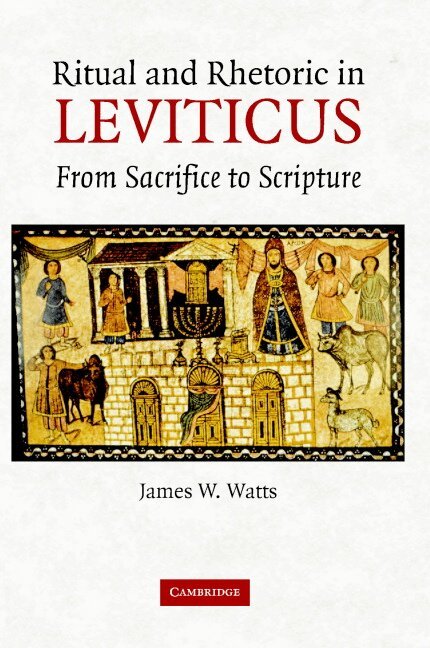
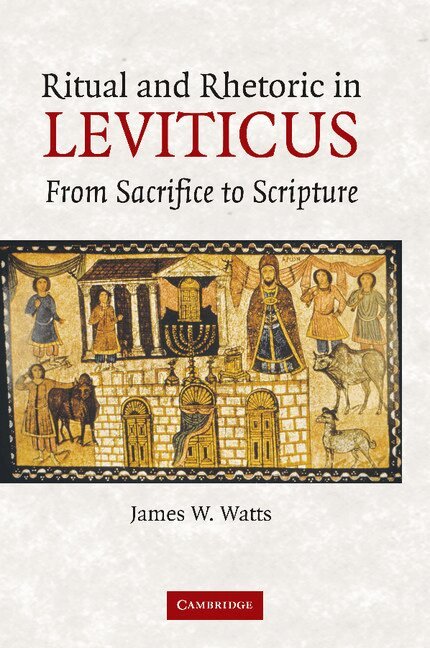
Ritual and Rhetoric in Leviticus uses rhetorical analysis to expose the motives behind the writing of the central book of the Torah/Pentateuch and its persuasive function in ancient Judaism. The answer to the question, 'who was trying to persuade whom of what by writing these texts?' proves to be quite consistent throughout Leviticus 1-16: Aaronide high priests and their supporters used this book to legitimize their monopoly over the ritual offerings of Jews and Samaritans. With this priestly rhetoric at its center, the Torah supported the rise to power of two priestly dynasties in Second Temple Judaism. Their ascendancy in turn elevated the prestige and rhetorical power to the book, making it the first real scripture in Near Eastern and Western religious traditions.
569 kr
Skickas inom 5-8 vardagar
This book addresses the literary, historical and methodological issues which have been raised by the appearance of psalms in narrative contexts of the Hebrew Bible. The narrative role of each psalm is explored to determine the reasons for its present position. The study of each psalm's narrative role leads to a re-evaluation of the evidence for its secondary status in the prose context. The results of each separate analysis are compared to see what larger literary, historical and methodological patterns emerge.
583 kr
Skickas inom 7-10 vardagar
Ritual and Rhetoric in Leviticus uses rhetorical analysis to expose the motives behind the writing of the central book of the Torah/Pentateuch and its persuasive function in ancient Judaism. The answer to the question, 'who was trying to persuade whom of what by writing these texts?' proves to be quite consistent throughout Leviticus 1-16: Aaronide high priests and their supporters used this book to legitimize their monopoly over the ritual offerings of Jews and Samaritans. With this priestly rhetoric at its center, the Torah supported the rise to power of two priestly dynasties in Second Temple Judaism. Their ascendancy in turn elevated the prestige and rhetorical power to the book, making it the first real scripture in Near Eastern and Western religious traditions.
551 kr
Skickas inom 5-8 vardagar
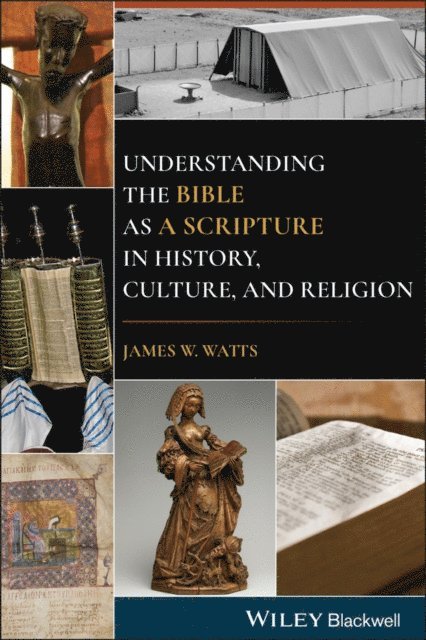
UNDERSTANDING THE BIBLE AS A SCRIPTURE IN HISTORY, CULTURE, AND RELIGION The Bible is a popular subject of study and research, yet biblical studies gives little attention to the reason for its popularity: its religious role as a scripture. Understanding the Bible as a Scripture in History, Culture, and Religion integrates the history of the religious interpretation and ritual uses of biblical books into a survey of their rhetoric, composition, and theology in their ancient contexts. Emphasizing insights from comparative studies of different religious scriptures, it combines discussion of the Bible’s origins with its cultural history into a coherent understanding of its past and present function as a scripture.A prominent expert on biblical rhetoric and the ritualization of books, James W. Watts describes how Jews and Christians ritualize the Bible by interpreting it, by expressing it in recitations, music, art, and film, and by venerating the physical scroll and book. The first two sections of the book are organized around the Torah and the Gospels—which have been the focus of Jewish and Christian ritualization of scriptures from ancient to modern times—and treat the history of other biblical books in relation to these two central blocks of the Hebrew Bible and New Testament. In addition to analyzing the semantic contents of all the Bible’s books as persuasive rhetoric, Watts describes their ritualization in the iconic and expressive dimensions in the centuries since they began to function as a scripture, as well as in their origins in ancient Judaism and Christianity. The third section on the cultural history and scriptural function of modern bibles concludes by discussing their influence today and the controversies they have fueled about history, science, race, and gender. Innovative and insightful, Understanding the Bible as a Scripture in History, Culture, and Religion is a groundbreaking introduction to the study of the Bible as a scripture, and an ideal textbook for courses in biblical studies and comparative scripture studies.
339 kr
Skickas inom 5-8 vardagar
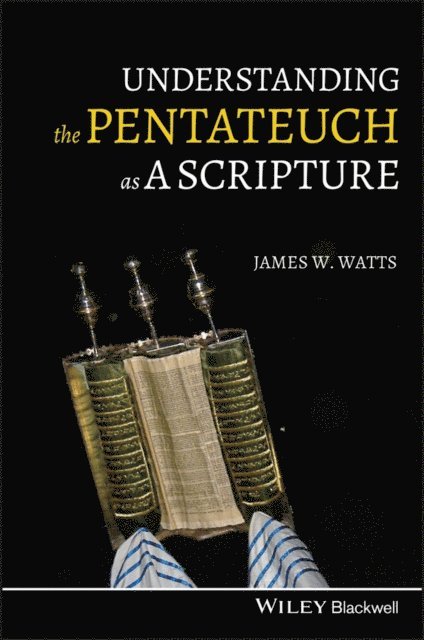
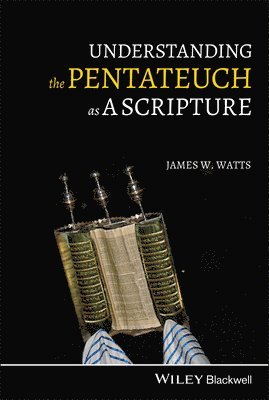
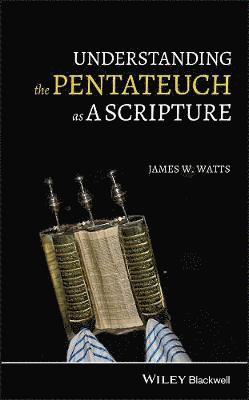
A cutting-edge scholarly review of how the Pentateuch functions as a scripture, and how it came to be ritualized in this way.Understanding the Pentateuch as a Scripture is a unique account of the first five books of the Bible, describing how Jews and Christians ritualize the Pentateuch as a scripture by interpreting it, by performing its text and contents, and by venerating the physical scroll and book.Pentateuchal studies are known for intense focus on questions of how and when the first five books of the Bible were composed, edited, and canonized as scripture. Rather than such purely historical, literary, or theological approaches, Hebrew Bible scholar James W. Watts organizes this description of the Pentateuch from the perspectives of comparative scriptures and religious studies. He describes how the Pentateuch has been used in the centuries since it began to function as a scripture in the time of Ezra, and the origins of its ritualization before that time. The book: Analyzes the semantic contents of the Pentateuch as oral rhetoric that takes the form of stories followed by lists of laws and sanctionsGives equal space to its ritualization in the iconic and performative dimensions as to its semantic interpretationFully integrates the cultural history of the Pentateuch and Bible with its influence on Jewish and Christian ritual, and in art, music, theatre, and filmUnderstanding the Pentateuch as a Scripture is a groundbreaking work that highlights new research data and organizes the material to focus attention on the Pentateuch’s—and Bible’s— function as a scripture.
969 kr
Skickas inom 11-20 vardagar
A cutting-edge scholarly review of how the Pentateuch functions as a scripture, and how it came to be ritualized in this way.Understanding the Pentateuch as a Scripture is a unique account of the first five books of the Bible, describing how Jews and Christians ritualize the Pentateuch as a scripture by interpreting it, by performing its text and contents, and by venerating the physical scroll and book.Pentateuchal studies are known for intense focus on questions of how and when the first five books of the Bible were composed, edited, and canonized as scripture. Rather than such purely historical, literary, or theological approaches, Hebrew Bible scholar James W. Watts organizes this description of the Pentateuch from the perspectives of comparative scriptures and religious studies. He describes how the Pentateuch has been used in the centuries since it began to function as a scripture in the time of Ezra, and the origins of its ritualization before that time. The book: Analyzes the semantic contents of the Pentateuch as oral rhetoric that takes the form of stories followed by lists of laws and sanctionsGives equal space to its ritualization in the iconic and performative dimensions as to its semantic interpretationFully integrates the cultural history of the Pentateuch and Bible with its influence on Jewish and Christian ritual, and in art, music, theatre, and filmUnderstanding the Pentateuch as a Scripture is a groundbreaking work that highlights new research data and organizes the material to focus attention on the Pentateuch’s—and Bible’s— function as a scripture.
365 kr
Skickas inom 5-8 vardagar
1 024 kr
Skickas
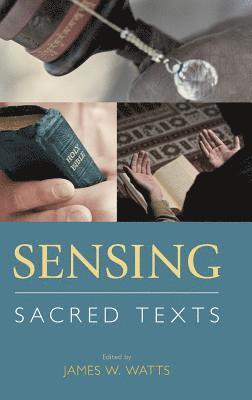
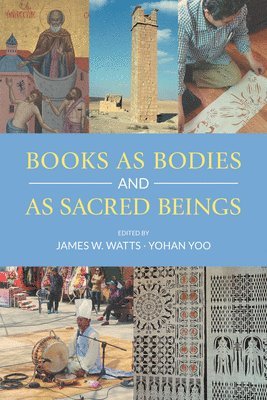
Human cultures, especially religious groups but also secular artists and performers, often ritualize bodies as sacred books and books as divine beings. An international team of scholars addresses this theme of books as sacred beings in this volume through an impressively diverse range of primary material and perspectives. These studies show the wide variety of ways in which books, bodies, and beings intermingle in material sacred texts manipulated by human bodies, and also in literary and artistic depictions of transcendent textual bodies. The boundary between material immanence and spiritual transcendence turns out to be very thin indeed when people use books. The chapters on specific book practices in different cultures are bracketed by an introduction to the collection and by a concluding essay that extrapolates on the widespread theme of books as sacred beings.
479 kr
Skickas inom 5-8 vardagar
Human cultures, especially religious groups but also secular artists and performers, often ritualize bodies as sacred books and books as divine beings. An international team of scholars addresses this theme of books as sacred beings in this volume through an impressively diverse range of primary material and perspectives. These studies show the wide variety of ways in which books, bodies, and beings intermingle in material sacred texts manipulated by human bodies, and also in literary and artistic depictions of transcendent textual bodies. The boundary between material immanence and spiritual transcendence turns out to be very thin indeed when people use books. The chapters on specific book practices in different cultures are bracketed by an introduction to the collection and by a concluding essay that extrapolates on the widespread theme of books as sacred beings.
2 408 kr
Skickas inom 10-15 vardagar
This collection of essays focuses on the book of Job, exploring the complex interplay of methodology and hermeneutics. There are two major parts: approaches that are primarily historical, recovering what the text "meant"; and those that are contextual, taking seriously the context of reading. Both approaches engage the theological issue of how this reading helps us to better appropriate what the text "means". Contributors include the editors, Mark S. Smith, Douglas J. Green, Victoria Hoffer, Ellen F. Davis and Claire Matthews McGinnis. An introductory essay surveys the contents and outcomes of the various contributions and proposes new directions for the question of integrating methods.
1 177 kr
Skickas inom 5-8 vardagar
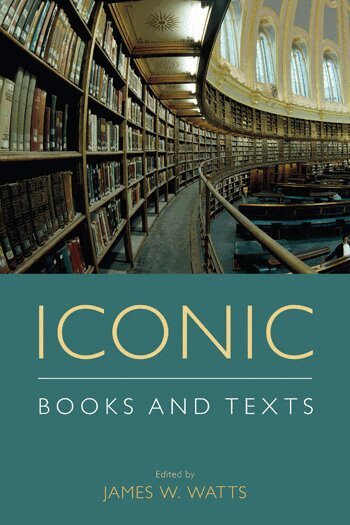
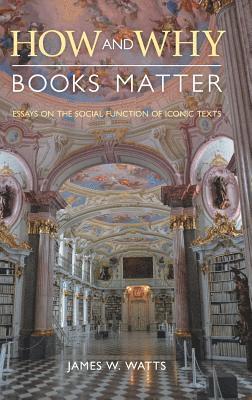
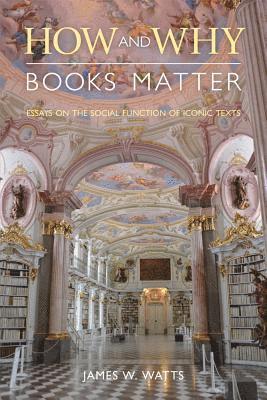
This volume is the first comprehensive survey of iconic books and texts tracing their development and influence from ancient to modern times and comparing their roles in multiple cultures and religious traditions. All twenty-two essays are original, cutting-edge contributions to this new academic field with wide appeal to students and scholars across the study of religions, literature, book history, archives and libraries.
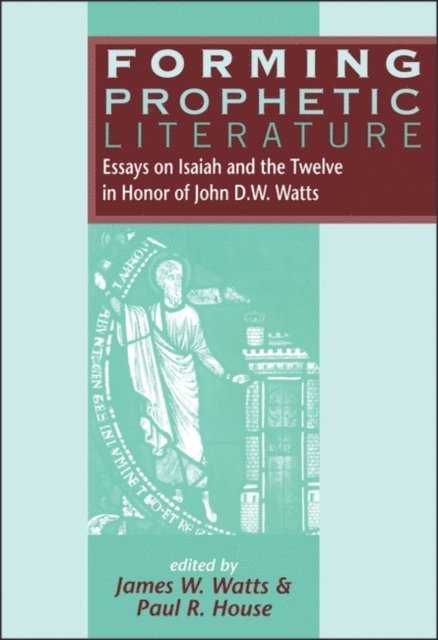
Forming Prophetic Literature
Essays on Isaiah and the Twelve in Honor of John D.W. Watts
Inbunden, Engelska, 1996
2 551 kr
Skickas inom 10-15 vardagar
These essays are written in honour of John D.W. Watts, formerly Professor of Old Testament at Southern Baptist Seminary, Louisville, Kentucky and Old Testament editor of the Word Biblical Commentary, well known for his contributions, especially to scholarship on the prophetic books. Accordingly, the essays here address the literary, redactional and canonical questions posed by the Hebrew Bible's prophetic literature. The prophetic books have defied easy classification according to genre or facile explanation of their historical development. With a special focus on the books of Isaiah and of the Twelve Prophets, the nature and formation of prophecy as literature is probed from a variety of methodological standpoints, including textual criticism, synchronic literary analysis, tradition history and redaction criticism.
541 kr
Skickas inom 10-15 vardagar
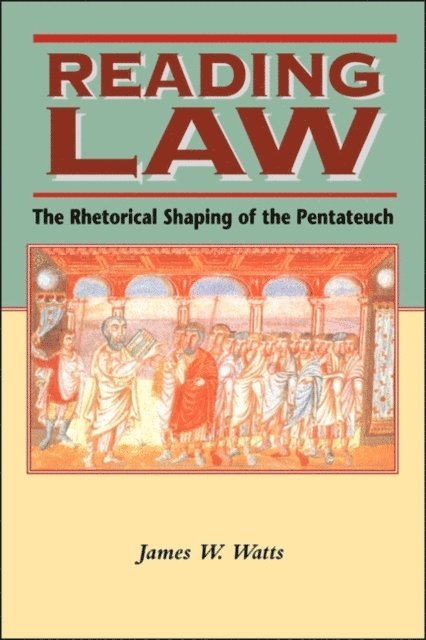
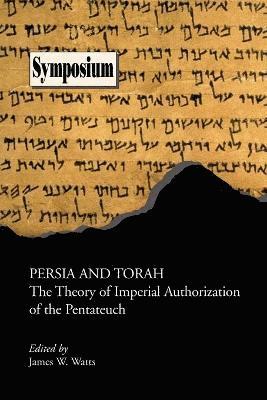
Watts here argues that conventions of oral rhetoric were adapted to shape the literary form and contents of the Pentateuch. The large-scale structure-stories introducing lists of laws that conclude with divine sanctions-reproduces a common ancient strategy for persuasion. The laws' use of direct address, historical motivations and frequent repetitions serve rhetorical ends, and even the legal contradictions seem designed to appeal to competing constituencies. The instructional speeches of God and Moses reinforce the persuasive appeal by characterizing God as a just ruler and Moses as a faithful scribe. The Pentateuch was designed to persuade Persian-period Judaeans that this Torah should define their identity as Israel.