James Wetzel - Böcker
Visar alla böcker från författaren James Wetzel. Handla med fri frakt och snabb leverans.
9 produkter
9 produkter
560 kr
Skickas inom 7-10 vardagar
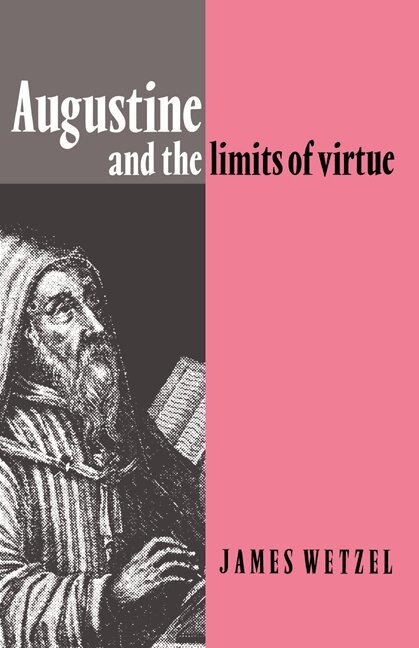
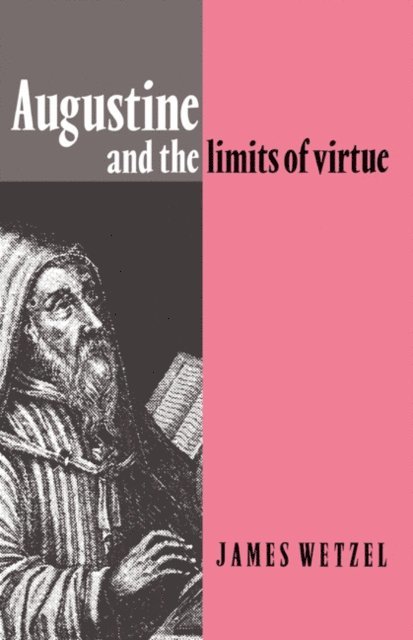
Augustine's moral psychology was one of the richest in late antiquity, and in this book James Wetzel evaluates its development, indicating that the insights offered by Augustine on free-will have been prevented from receiving full appreciation as the result of an anachronistic distinction between theology and philosophy. He shows that it has been commonplace to divide Augustine's thought into earlier and later phases, the former being more philosophically informed than the latter. Wetzel's contention is that this division is less pronounced than it has been made out to be. The author shows that, while Augustine clearly acknowledges his differences with philosophy, he never loses his fascination with the Stoic concepts of happiness and virtue, and of the possibility of their attainment by human beings. This fascination is seen by Wetzel to extend to Augustine's writings on grace, where freedom and happiness are viewed as a recovery of virtue. The notorious dismissal of pagan virtue in 'The City of God' is part of Augustine's family quarrel with philosophers, not a rejection of philosophy per se. Augustine the theologian is thus seen to be a Platonist philosopher with a keen sense of the psychology of moral struggle.
758 kr
Skickas inom 7-10 vardagar
Augustine's City of God has profoundly influenced the course of Western political philosophy, but there are few guides to its labyrinthine argumentation that hold together the delicate interplay of religion and philosophy in Augustine's thought. The essays in this volume offer a rich examination of those themes, using the central, contested distinction between a heavenly city on earthly pilgrimage and an earthly city bound for perdition to elaborate aspects of Augustine's political and moral vision. Topics discussed include Augustine's notion of the secular, his critique of pagan virtue, his departure from classical eudaimonism, his mythology of sin, his dystopian politics, his surprising attention to female bodies, his moral psychology, his valorisation of love, his critique of empire and his conception of a Christian philosophy. Together the essays advance our understanding of Augustine's most influential work and provide a rich overview of Augustinian political theology and its philosophical implications.
784 kr
Skickas inom 7-10 vardagar
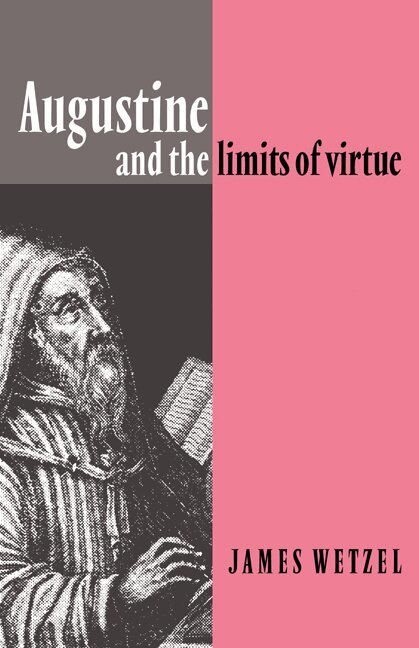
Augustine's moral psychology was one of the richest in late antiquity, and in this book James Wetzel evaluates its development, indicating that the insights offered by Augustine on free-will have been prevented from receiving full appreciation as the result of an anachronistic distinction between theology and philosophy. He shows that it has been commonplace to divide Augustine's thought into earlier and later phases, the former being more philosophically informed than the latter. Wetzel's contention is that this division is less pronounced than it has been made out to be. The author shows that, while Augustine clearly acknowledges his differences with philosophy, he never loses his fascination with the Stoic concepts of happiness and virtue, and of the possibility of their attainment by human beings. This fascination is seen by Wetzel to extend to Augustine's writings on grace, where freedom and happiness are viewed as a recovery of virtue. The notorious dismissal of pagan virtue in 'The City of God' is part of Augustine's family quarrel with philosophers, not a rejection of philosophy per se. Augustine the theologian is thus seen to be a Platonist philosopher with a keen sense of the psychology of moral struggle.
428 kr
Skickas inom 7-10 vardagar
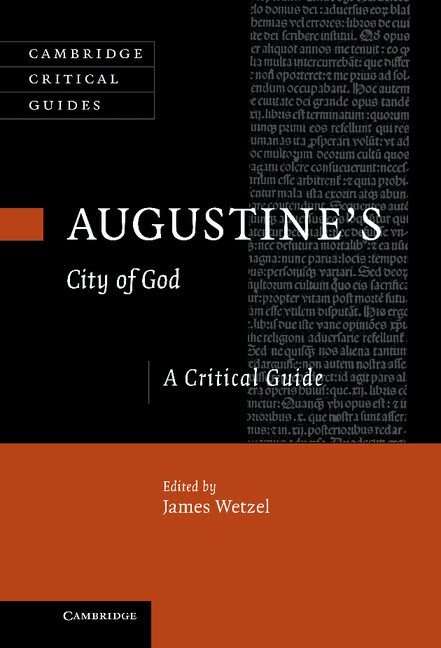
Augustine's City of God has profoundly influenced the course of Western political philosophy, but there are few guides to its labyrinthine argumentation that hold together the delicate interplay of religion and philosophy in Augustine's thought. The essays in this volume offer a rich examination of those themes, using the central, contested distinction between a heavenly city on earthly pilgrimage and an earthly city bound for perdition to elaborate aspects of Augustine's political and moral vision. Topics discussed include Augustine's notion of the secular, his critique of pagan virtue, his departure from classical eudaimonism, his mythology of sin, his dystopian politics, his surprising attention to female bodies, his moral psychology, his valorisation of love, his critique of empire and his conception of a Christian philosophy. Together the essays advance our understanding of Augustine's most influential work and provide a rich overview of Augustinian political theology and its philosophical implications.
348 kr
Skickas inom 3-6 vardagar
589 kr
Skickas inom 5-8 vardagar
346 kr
Skickas inom 5-8 vardagar
1 343 kr
Skickas inom 10-15 vardagar
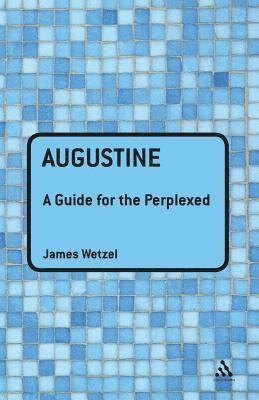
A student's guide to the life and work of Augustine, widely read in Philosophy and Christian Theology, but a notoriously challenging thinker.Western theology and philosophy without Augustine is almost inconceivable. He turned Pauline eschatology into a psychology of redemption and bequeathed to the Christianity of his day its profoundest sense of the adventure of soul. His offerings to philosophy included a staggeringly important but highly problematic conception of will, a new kind of introspection, and a sense of providential order that seemed paradoxically to demand a secular politics."Augustine: A Guide for the Perplexed" takes up the major concerns of Augustine's complex and evolving thought and accords them a form that allows readers to think with Augustine as well as about him. Aimed at students whose prior acquaintance with Augustine may be minimal or nonexistent, this book follows a guiding thread or two through the labyrinth of his polemical, exegetical, dogmatic and speculative writings. This is the ideal companion to the study of this most influential and challenging of thinkers."Continuum's Guides for the Perplexed" are clear, concise and accessible introductions to thinkers, writers and subjects that students and readers can find especially challenging - or indeed downright bewildering. Concentrating specifically on what it is that makes the subject difficult to grasp, these books explain and explore key themes and ideas, guiding the reader towards a thorough understanding of demanding material.
354 kr
Skickas inom 10-15 vardagar
A student's guide to the life and work of Augustine, widely read in Philosophy and Christian Theology, but a notoriously challenging thinker.Western theology and philosophy without Augustine is almost inconceivable. He turned Pauline eschatology into a psychology of redemption and bequeathed to the Christianity of his day its profoundest sense of the adventure of soul. His offerings to philosophy included a staggeringly important but highly problematic conception of will, a new kind of introspection, and a sense of providential order that seemed paradoxically to demand a secular politics."Augustine: A Guide for the Perplexed" takes up the major concerns of Augustine's complex and evolving thought and accords them a form that allows readers to think with Augustine as well as about him. Aimed at students whose prior acquaintance with Augustine may be minimal or nonexistent, this book follows a guiding thread or two through the labyrinth of his polemical, exegetical, dogmatic and speculative writings. This is the ideal companion to the study of this most influential and challenging of thinkers."Continuum's Guides for the Perplexed" are clear, concise and accessible introductions to thinkers, writers and subjects that students and readers can find especially challenging - or indeed downright bewildering. Concentrating specifically on what it is that makes the subject difficult to grasp, these books explain and explore key themes and ideas, guiding the reader towards a thorough understanding of demanding material.