Jamie Lorimer - Böcker
Visar alla böcker från författaren Jamie Lorimer. Handla med fri frakt och snabb leverans.
5 produkter
5 produkter
285 kr
Skickas inom 7-10 vardagar
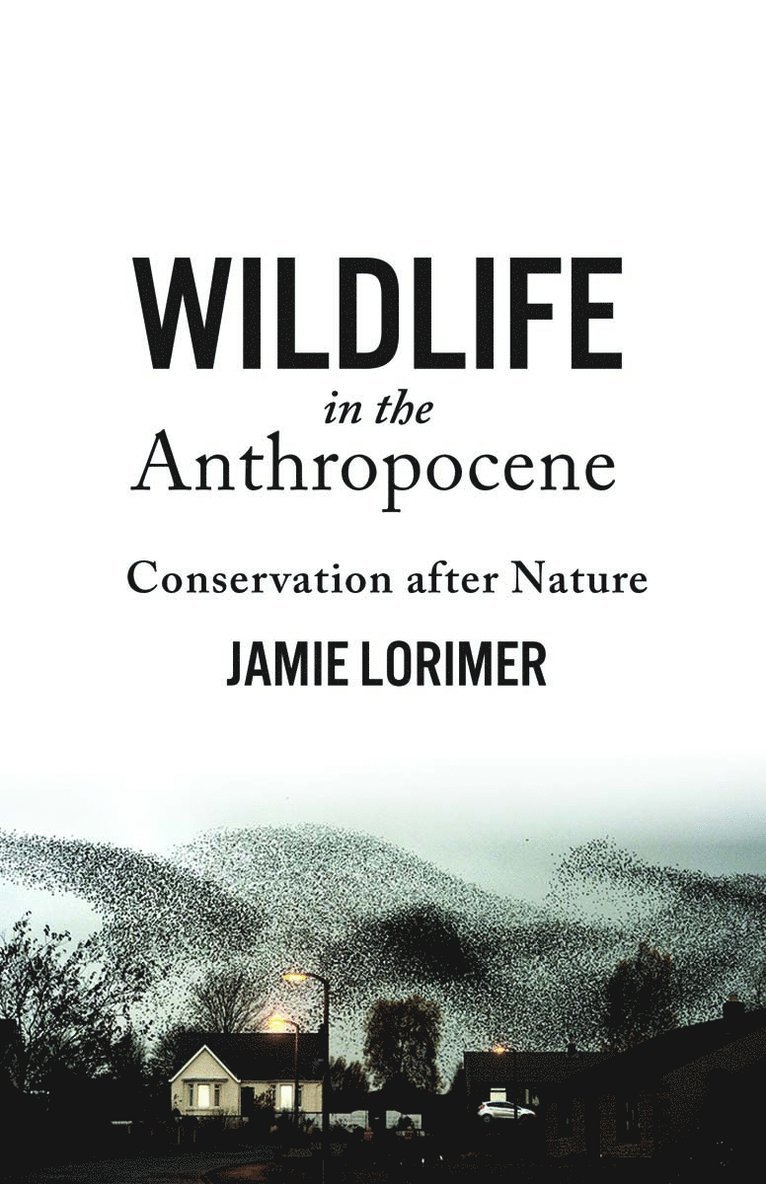
Elephants rarely breed in captivity and are not considered domesticated, yet they interact with people regularly and adapt to various environments. Too social and sagacious to be objects, too strange to be human, too captive to truly be wild, but too wild to be domesticated-where do elephants fall in our understanding of nature? In Wildlife in the Anthropocene, Jamie Lorimer argues that the idea of nature as a pure and timeless place characterized by the absence of humans has come to an end. But life goes on. Wildlife inhabits everywhere and is on the move; Lorimer proposes the concept of wildlife as a replacement for nature. Offering a thorough appraisal of the Anthropocene-an era in which human actions affect and influence all life and all systems on our planet- Lorimer unpacks its implications for changing definitions of nature and the politics of wildlife conservation. Wildlife in the Anthropocene examines rewilding, the impacts of wildlife films, human relationships with charismatic species, and urban wildlife. Analyzing scientific papers, policy documents, and popular media, as well as a decade of fieldwork, Lorimer explores the new interconnections between science, politics, and neoliberal capitalism that the Anthropocene demands of wildlife conservation. Imagining conservation in a world where humans are geological actors entangled within and responsible for powerful, unstable, and unpredictable planetary forces, this work nurtures a future environmentalism that is more hopeful and democratic.
2 103 kr
Skickas inom 10-15 vardagar
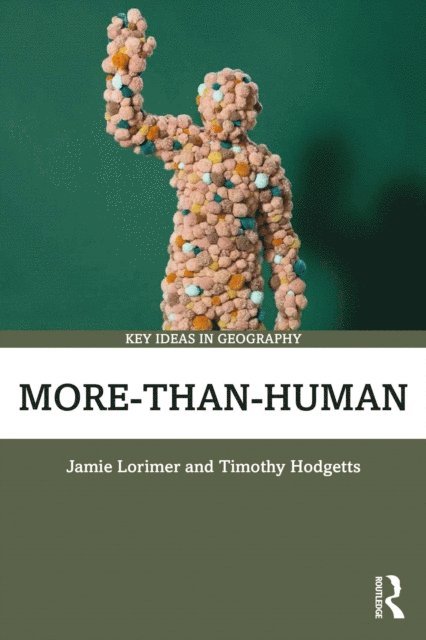
This text offers the first book-length introduction to more-than-human geography, exploring its key ideas, main debates, and future prospects.An opening chapter traces the origins and emergence of this field of enquiry and positions more-than-human geography as a response to a set of intellectual and political crises in Western thought and politics. It identifies key literatures and thinkers and reflects on the varying usages and meanings of the idea of the more-than-human. Three subsequent sections explore cross-cutting themes that draw together the disparate strands of more-than-human geography: examining new materialisms developed in the field, analysing knowledge practices and methodologies, and finally reflecting on the political and ethical implications of a more-than-human approach. A final chapter examines the tensions between this approach and cognate work in environmental geography to review the strengths and the limitations of more-than-human geographies, and to speculate as to their near future development.Introducing the key idea of more-than-human geography, this book will be an important resource for undergraduate and postgraduate students of human geography, environmental geography, cultural and social geography, and political geography.
485 kr
Skickas inom 10-15 vardagar
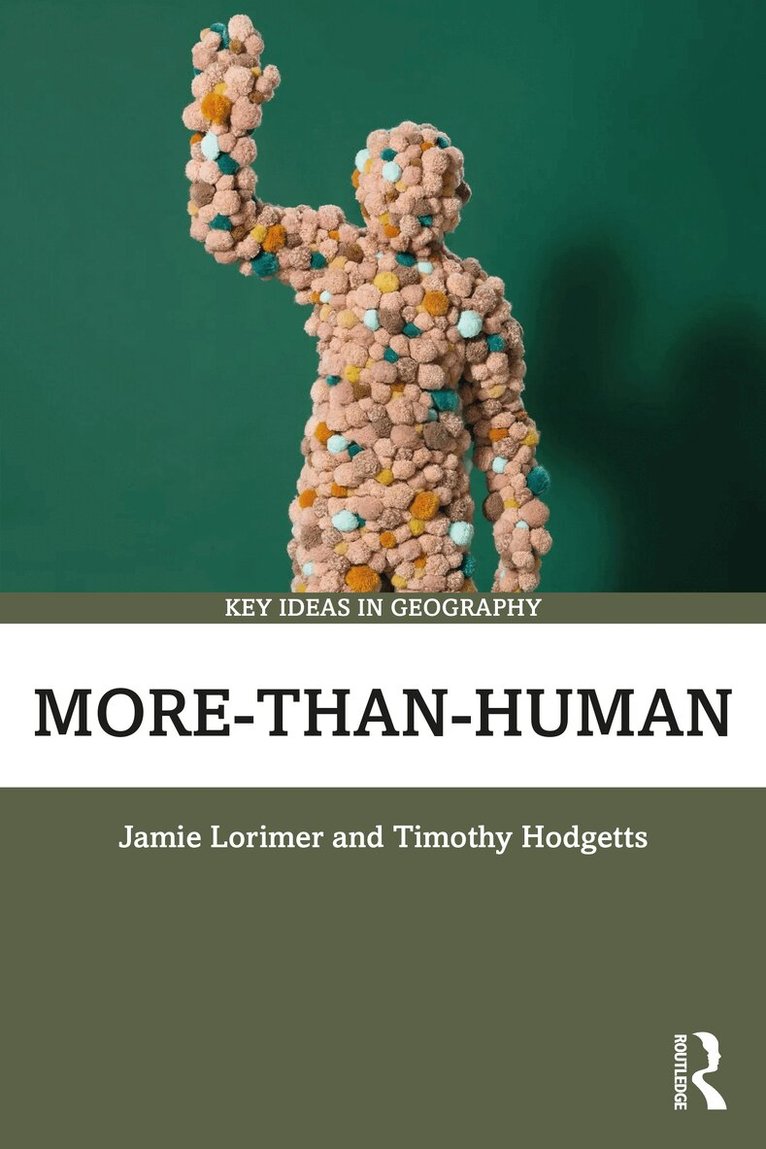
This text offers the first book-length introduction to more-than-human geography, exploring its key ideas, main debates, and future prospects.An opening chapter traces the origins and emergence of this field of enquiry and positions more-than-human geography as a response to a set of intellectual and political crises in Western thought and politics. It identifies key literatures and thinkers and reflects on the varying usages and meanings of the idea of the more-than-human. Three subsequent sections explore cross-cutting themes that draw together the disparate strands of more-than-human geography: examining new materialisms developed in the field, analysing knowledge practices and methodologies, and finally reflecting on the political and ethical implications of a more-than-human approach. A final chapter examines the tensions between this approach and cognate work in environmental geography to review the strengths and the limitations of more-than-human geographies, and to speculate as to their near future development.Introducing the key idea of more-than-human geography, this book will be an important resource for undergraduate and postgraduate students of human geography, environmental geography, cultural and social geography, and political geography.
1 208 kr
Skickas inom 10-15 vardagar
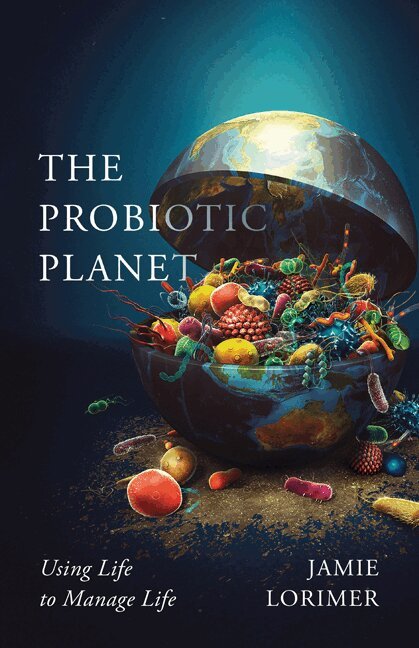
Assesses a promising new approach to restoring the health of our bodies and our planetMost of us are familiar with probiotics added to milk or yogurt to improve gastrointestinal health. In fact, the term refers to any intervention in which life is used to manage life-from the microscopic, like consuming fermented food to improve gut health, to macro approaches such as biological pest control and natural flood management. In this ambitious and original work, Jamie Lorimer offers a sweeping overview of diverse probiotic approaches and an insightful critique of their promise and limitations. During our current epoch-the Anthropocene-human activity has been the dominant influence on climate and the environment, leading to the loss of ecological abundance, diversity, and functionality. Lorimer describes cases in which scientists and managers are working with biological processes to improve human, environmental, and even planetary health, pursuing strategies that stand in contrast to the “antibiotic approach”: Big Pharma, extreme hygiene, and industrial agriculture. The Probiotic Planet focuses on two forms of “rewilding” occurring on vastly different scales. The first is the use of keystone species like wolves and beavers as part of landscape restoration. The second is the introduction of hookworms into human hosts to treat autoimmune disorders. In both cases, the goal is to improve environmental health, whether the environment being managed is planetary or human. Lorimer argues that, all too often, such interventions are viewed in isolation, and he calls for a rethinking of artificial barriers between science and policy. He also describes the stark and unequal geographies of the use of probiotic approaches and examines why these patterns exist. The author’s preface provides a thoughtful discussion of the COVID-19 pandemic as it relates to the probiotic approach. Informed by deep engagement with microbiology, immunology, ecology, and conservation biology as well as food, agriculture, and waste management, The Probiotic Planet offers nothing less than a new paradigm for collaboration between the policy realm and the natural sciences.
283 kr
Skickas inom 7-10 vardagar
Assesses a promising new approach to restoring the health of our bodies and our planetMost of us are familiar with probiotics added to milk or yogurt to improve gastrointestinal health. In fact, the term refers to any intervention in which life is used to manage life-from the microscopic, like consuming fermented food to improve gut health, to macro approaches such as biological pest control and natural flood management. In this ambitious and original work, Jamie Lorimer offers a sweeping overview of diverse probiotic approaches and an insightful critique of their promise and limitations. During our current epoch-the Anthropocene-human activity has been the dominant influence on climate and the environment, leading to the loss of ecological abundance, diversity, and functionality. Lorimer describes cases in which scientists and managers are working with biological processes to improve human, environmental, and even planetary health, pursuing strategies that stand in contrast to the “antibiotic approach”: Big Pharma, extreme hygiene, and industrial agriculture. The Probiotic Planet focuses on two forms of “rewilding” occurring on vastly different scales. The first is the use of keystone species like wolves and beavers as part of landscape restoration. The second is the introduction of hookworms into human hosts to treat autoimmune disorders. In both cases, the goal is to improve environmental health, whether the environment being managed is planetary or human. Lorimer argues that, all too often, such interventions are viewed in isolation, and he calls for a rethinking of artificial barriers between science and policy. He also describes the stark and unequal geographies of the use of probiotic approaches and examines why these patterns exist. The author’s preface provides a thoughtful discussion of the COVID-19 pandemic as it relates to the probiotic approach. Informed by deep engagement with microbiology, immunology, ecology, and conservation biology as well as food, agriculture, and waste management, The Probiotic Planet offers nothing less than a new paradigm for collaboration between the policy realm and the natural sciences.