Ján Buček - Böcker
Visar alla böcker från författaren Ján Buček. Handla med fri frakt och snabb leverans.
4 produkter
4 produkter
1 690 kr
Skickas inom 10-15 vardagar
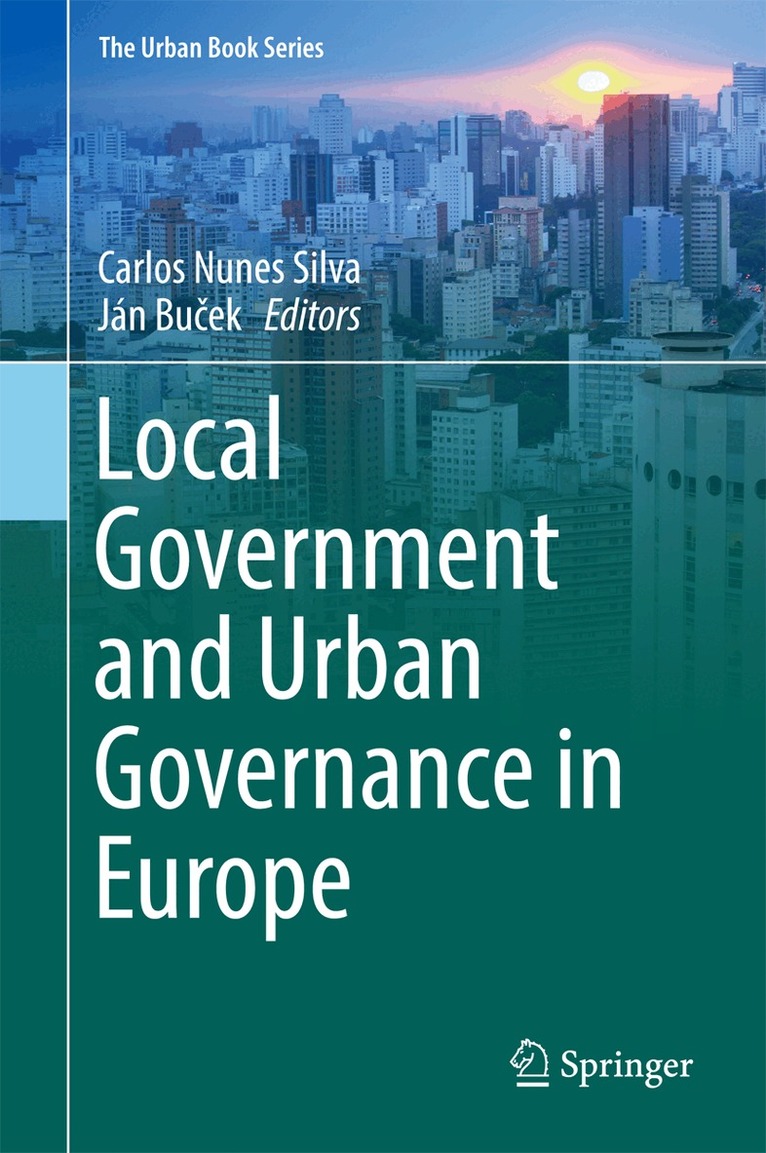
This book discusses innovative responses and reforms developed in critical areas of urban governance in European countries. It examines the impact of European Union’s policies on the urban agenda and on local governance, and the impact of the transition to democracy in Central and in Southern Europe on local self-government systems. The book is divided into three parts: i) Crisis, Reform and Innovation in Local Government; ii) EU Policies, the Urban Agenda and Local Governance; and iii) Citizen Participation in Local Government. Providing an extensive and updated overview of key challenges in the governance of cities in Europe, the book will be of interest to students and researchers in the broader field of urban studies, and for policy-makers, especially those engaged in urban governance in European countries.
1 228 kr
Skickas inom 10-15 vardagar
This book discusses innovative responses and reforms developed in critical areas of urban governance in European countries. It examines the impact of European Union’s policies on the urban agenda and on local governance, and the impact of the transition to democracy in Central and in Southern Europe on local self-government systems. The book is divided into three parts: i) Crisis, Reform and Innovation in Local Government; ii) EU Policies, the Urban Agenda and Local Governance; and iii) Citizen Participation in Local Government. Providing an extensive and updated overview of key challenges in the governance of cities in Europe, the book will be of interest to students and researchers in the broader field of urban studies, and for policy-makers, especially those engaged in urban governance in European countries.
1 069 kr
Skickas inom 10-15 vardagar
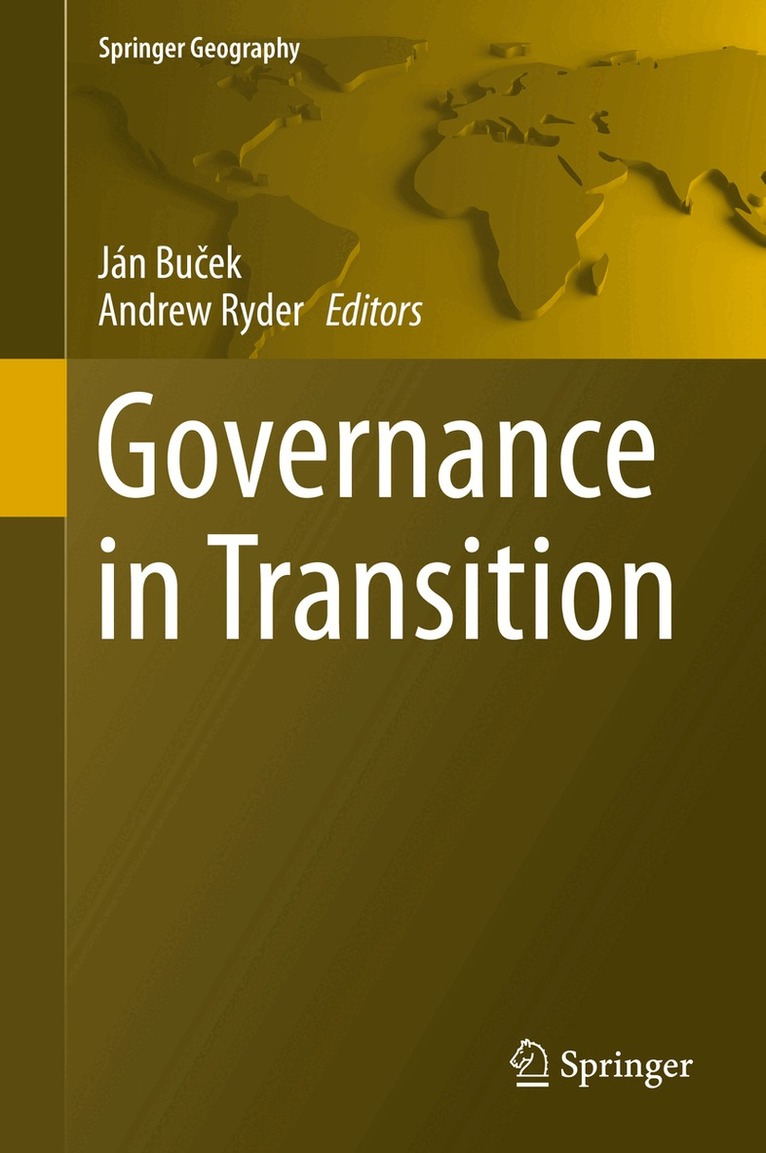
This book looks at experience in government restructuring and devolution from a variety of national and international perspectives, both within the European Union and elsewhere, focusing on lessons learned and ways forward.Since the 1980s, there has been a global trend to give more power to local governments. Even in Korea and the United Kingdom, the most centralised countries in the OECD, local government powers have increased, with substantial economic benefits. Within the European Union, the principle of subsidiarity has enshrined the idea of devolution. New member states, particularly in central and eastern Europe, have significantly created new and self-sufficient local and regional governments. However, this process has been complicated. Devolution is not a panacea in its own right, and need not lead to economic growth. While it can encourage savings through collaboration, it can also lead to confused lines of authority and can complicate policy formation and implantation. Devolution can strain local budgets, forcing local governments to rely on their own sources of finance, rather than central government transfers. Suburbanisation, rural depopulation, the growth of some regions, and the decline of others have raised new problems, particularly related to inter-governmental cooperation among local governments and different levels of government. In many cases, an increased number of governments has increased administrative costs.
1 069 kr
Skickas inom 10-15 vardagar
This book looks at experience in government restructuring and devolution from a variety of national and international perspectives, both within the European Union and elsewhere, focusing on lessons learned and ways forward.Since the 1980s, there has been a global trend to give more power to local governments. Even in Korea and the United Kingdom, the most centralised countries in the OECD, local government powers have increased, with substantial economic benefits. Within the European Union, the principle of subsidiarity has enshrined the idea of devolution. New member states, particularly in central and eastern Europe, have significantly created new and self-sufficient local and regional governments. However, this process has been complicated. Devolution is not a panacea in its own right, and need not lead to economic growth. While it can encourage savings through collaboration, it can also lead to confused lines of authority and can complicate policy formation and implantation. Devolution can strain local budgets, forcing local governments to rely on their own sources of finance, rather than central government transfers. Suburbanisation, rural depopulation, the growth of some regions, and the decline of others have raised new problems, particularly related to inter-governmental cooperation among local governments and different levels of government. In many cases, an increased number of governments has increased administrative costs.