Jan Ickler - Böcker
Visar alla böcker från författaren Jan Ickler. Handla med fri frakt och snabb leverans.
3 produkter
3 produkter
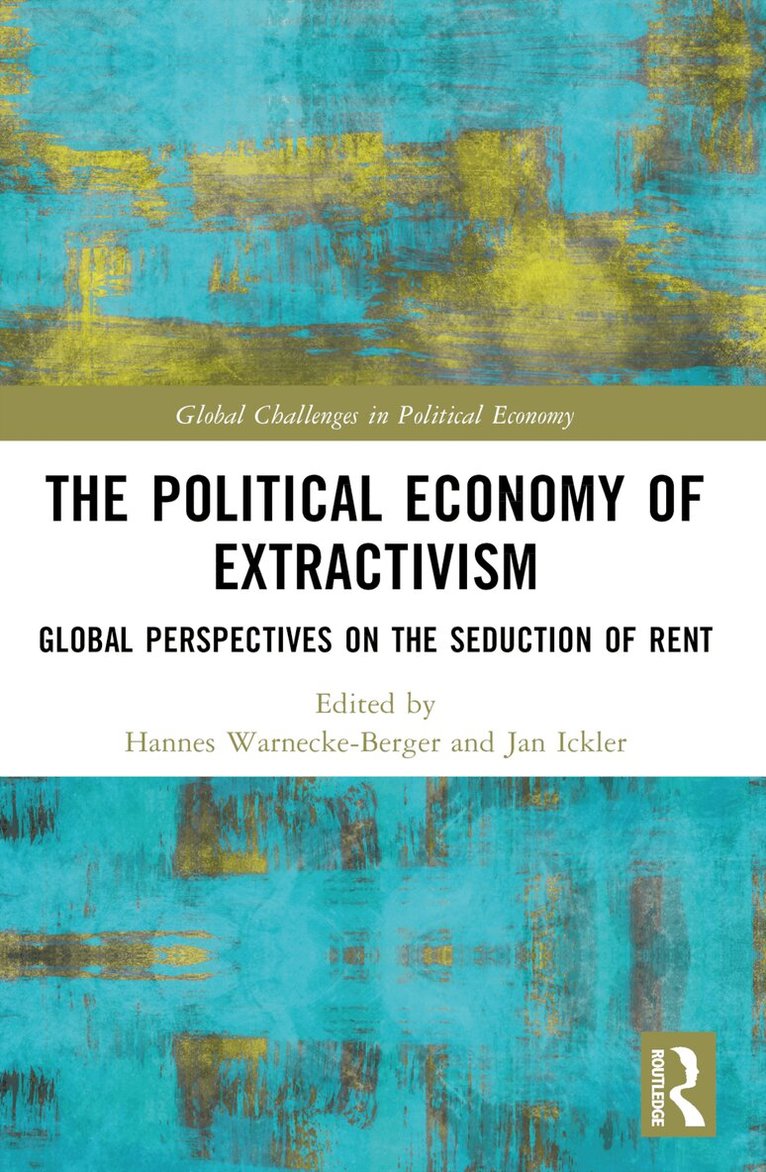
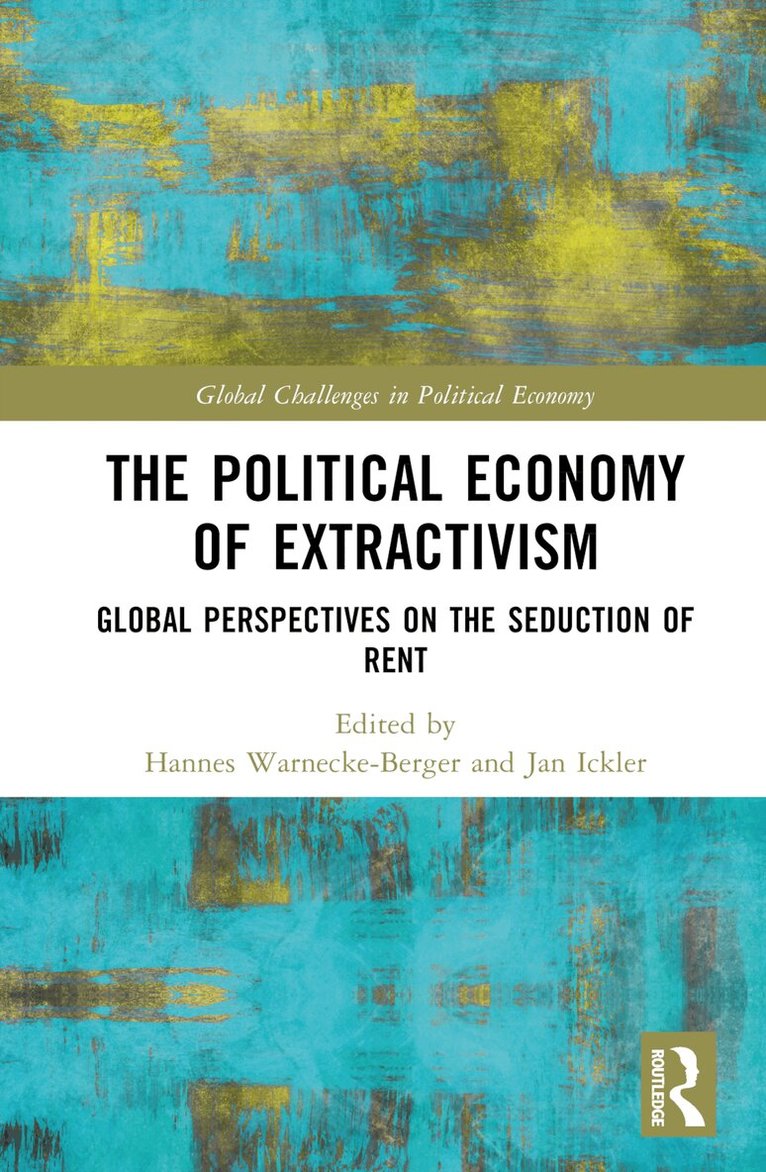
Political Economy of Extractivism
Global Perspectives on the Seduction of Rent
Inbunden, Engelska, 2023
2 166 kr
Skickas inom 10-15 vardagar
For many countries, primarily in the Global South, extractivism – the exploiting and exporting of natural resources – is big business. For those exporting countries, natural resource rents create hope and promise for development which can be a seductive force. This book explores the depth of extractivism in economies around the world. The contributions to this book investigate the connection between the political economy of extractivism and its impact on the sociopolitical fabric of natural resource exporting societies in Asia, Africa, Latin America, and Eastern Europe.The book engages with a comparative perspective on the persistence of extractivism in these four different world regions. The book focuses on the formative power of rents and argues that rents are seductive. The individual contributions flesh out this seductive force of rents on different political scales and how this seduction affects a variety of actors. The book investigates how these actors react to the prevalence of rent, how they align or break with specific political and economic strategies, and how myths of resource-driven development play out on the ground. The book, therefore, underlines that rent theory bridges current debates in different area communities and offers fresh insights into extractivist societies’ social, economic, and political dynamics. This book will be of significant interest to readers in political economy, political science, development studies, and area studies.
575 kr
Skickas inom 10-15 vardagar
For many countries, primarily in the Global South, extractivism – the exploiting and exporting of natural resources – is big business. For those exporting countries, natural resource rents create hope and promise for development which can be a seductive force. This book explores the depth of extractivism in economies around the world. The contributions to this book investigate the connection between the political economy of extractivism and its impact on the sociopolitical fabric of natural resource exporting societies in Asia, Africa, Latin America, and Eastern Europe.The book engages with a comparative perspective on the persistence of extractivism in these four different world regions. The book focuses on the formative power of rents and argues that rents are seductive. The individual contributions flesh out this seductive force of rents on different political scales and how this seduction affects a variety of actors. The book investigates how these actors react to the prevalence of rent, how they align or break with specific political and economic strategies, and how myths of resource-driven development play out on the ground. The book, therefore, underlines that rent theory bridges current debates in different area communities and offers fresh insights into extractivist societies’ social, economic, and political dynamics. This book will be of significant interest to readers in political economy, political science, development studies, and area studies.
2 027 kr
Skickas inom 10-15 vardagar
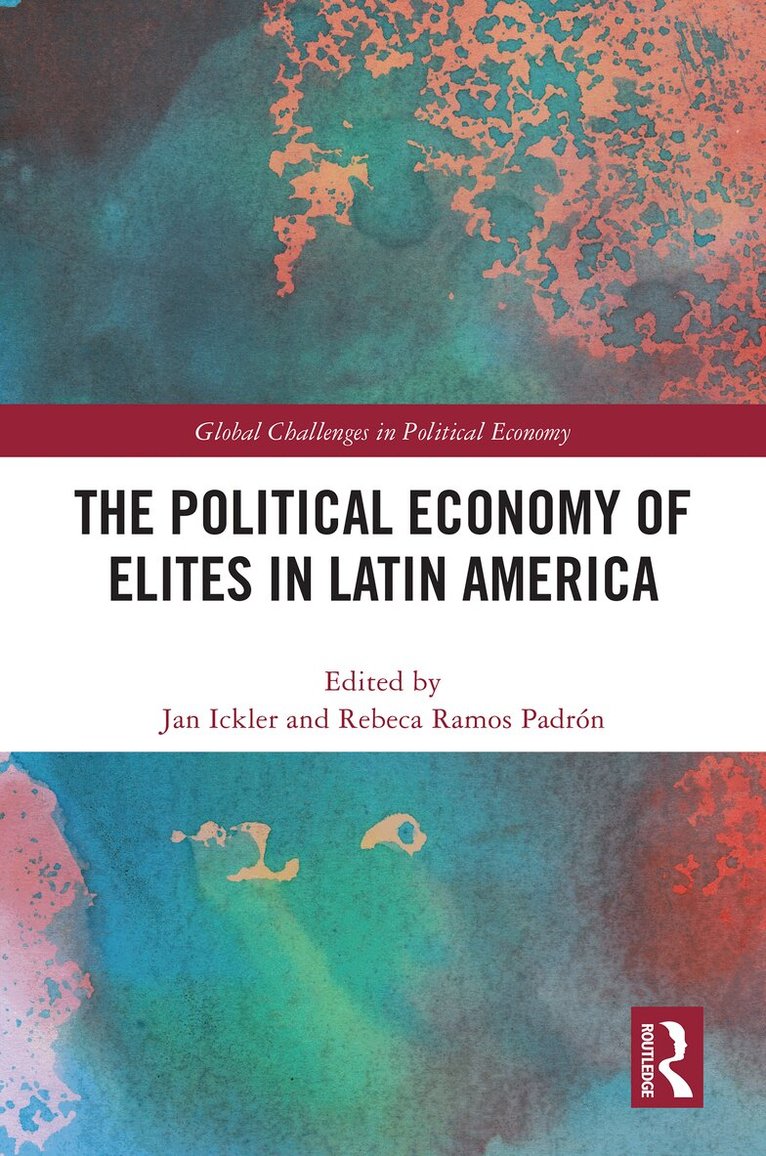
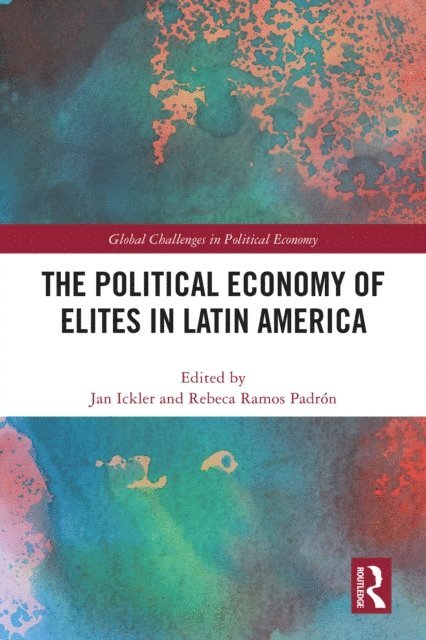
Recent years have seen renewed interest in elites around the world, and their interconnection with power, privilege, social stratification, and social change. The contributors to this edited volume explore the many facets of the role of elites in the political economy of Latin America: their position within society, their impact upon the economy, and their influence within governing institutions.The book demonstrates that in Latin America, as in many other parts of the world, structural change and movements toward more just, inclusive, and sustainable societies seem impossible without the involvement of elites at some level. This raises important questions: Under what conditions do elites push for reform? How do elites react to societal and economic challenges and changes? To what extent can popular classes successfully pressure elites? Bringing together a selection of case studies covering different Latin American countries, the book focuses on three key themes to address these questions: first, it explores how elites react to economic and societal challenges with some chapters looking at moments of change, as well as measures taken by individual elites to alter the status quo. Second, it seeks to understand the interrelation between external and domestic factors that engender elite action including global markets, geopolitics, state institutions, social forces, and the internal structure of elite groups. Third, it reflects upon methodological questions of studying elites in Latin America, laying bare the potential pitfalls and offering possible routes to further inquiry.This book will be vital reading for researchers in political economy, development economics, economic sociology, and Latin American studies more broadly.