Jan Kattein - Böcker
Visar alla böcker från författaren Jan Kattein. Handla med fri frakt och snabb leverans.
3 produkter
3 produkter
2 772 kr
Skickas inom 10-15 vardagar
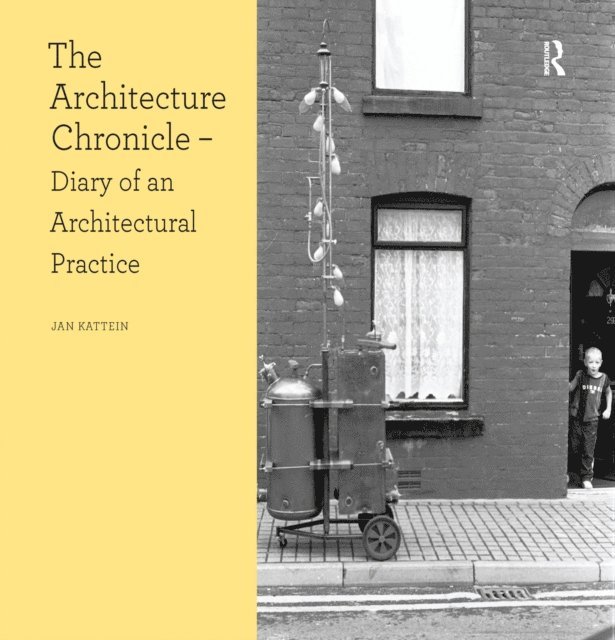
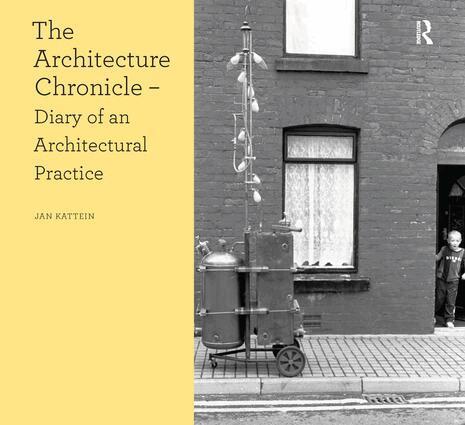
During the last 30 years, technological, social, economic and environmental changes have brought about the most dramatic evolution to architectural practice that has taken place since the profession emerged during the Italian Renaissance. Whilst these changes have transformed the way architects work, few contemporary books discuss architectural practice. The Architecture Chronicle sets out to define the role of the contemporary architect in the light of these changes. Most books on architecture start when a building is complete, carefully editing out any evidence of the design and production process. The Architecture Chronicle engages with the design and production process. It investigates how and by whom design decisions are made and executed. Chapter 1 is a diary reporting on the design and realisation of five stage sets and one urban intervention over a period of four years, starting on 16 December 2003. The diary is intercepted by references that are, where appropriate, carefully integrated in the overall narrative. Chapter 2 reflects on the diary to discover patterns and cross-references and to draw conclusions. The contemporary architect can be defined as three distinct characters. The architect-inventor challenges conventions and questions the social status quo. The architect-activist transgresses the boundary of the profession and enters the construction process. The architect-arbitrator engages the audience to realise the ambitious project. The Architecture Chronicle concludes that the contemporary architect still draws and writes, but that it is often the architect‘s ability to engage and direct that asserts his or her status. To assert his or her status in the design team, the architect‘s ability to talk and to act is more important than his or her ability to draw and write.
901 kr
Skickas inom 10-15 vardagar
During the last 30 years, technological, social, economic and environmental changes have brought about the most dramatic evolution to architectural practice that has taken place since the profession emerged during the Italian Renaissance. Whilst these changes have transformed the way architects work, few contemporary books discuss architectural practice. The Architecture Chronicle sets out to define the role of the contemporary architect in the light of these changes. Most books on architecture start when a building is complete, carefully editing out any evidence of the design and production process. The Architecture Chronicle engages with the design and production process. It investigates how and by whom design decisions are made and executed. Chapter 1 is a diary reporting on the design and realisation of five stage sets and one urban intervention over a period of four years, starting on 16 December 2003. The diary is intercepted by references that are, where appropriate, carefully integrated in the overall narrative. Chapter 2 reflects on the diary to discover patterns and cross-references and to draw conclusions. The contemporary architect can be defined as three distinct characters. The architect-inventor challenges conventions and questions the social status quo. The architect-activist transgresses the boundary of the profession and enters the construction process. The architect-arbitrator engages the audience to realise the ambitious project. The Architecture Chronicle concludes that the contemporary architect still draws and writes, but that it is often the architect’s ability to engage and direct that asserts his or her status. To assert his or her status in the design team, the architect’s ability to talk and to act is more important than his or her ability to draw and write.
554 kr
Skickas inom 5-8 vardagar
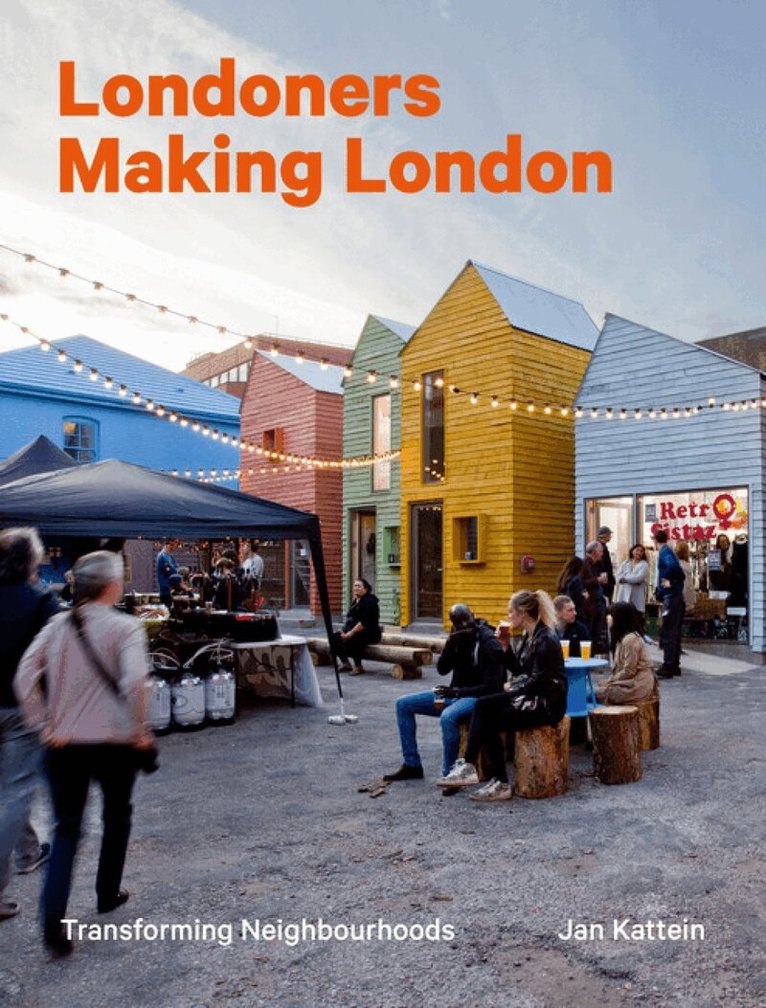
Londoners Making London tells the story of nine projects that have transformed urban neighbourhoods. Countering the expectation that the development of cities is exclusively controlled by architects, planners and developers, this book demonstrates that transformational change is increasingly driven by communities.In areas such as Wandsworth, Shoreditch and Wood Green, young and old can be seen working together with determination, conviction and often against all odds to create better places to live, learn and play. Colourful street parties, co-housing, new libraries, urban food gardens and local enterprise spaces all illustrate what can be done when people work together. In-depth interviews with instigators, community activists, campaigners and self-builders illuminate the projects. Their stories candidly reveal challenges, share moments of triumph and provide insight into how we might scale up the impact of grass-roots urbanism. For anyone seeking to change their community for the better, Londoners Making London offers the tools and inspiration to turn passion into action.