Jan Rüger – författare
Visar alla böcker från författaren Jan Rüger. Handla med fri frakt och snabb leverans.
10 produkter
Heligoland
Britain, Germany, and the Struggle for the North Sea
Av Jan Rüger
Inbunden, 2017
356 kr
Lägg i varukorg
On 18 April 1947, British forces set off the largest non-nuclear explosion in history. The target was a small island in the North Sea, thirty miles off the German coast, which for generations had stood as a symbol of Anglo-German conflict: Heligoland. A long tradition of rivalry was to come to an …
Great Powers
A History of Britain and Germany
Av Jan Rüger
Inbunden, 2026
433 kr
Lägg i varukorg
'Engrossing, deeply researched and elegantly written', RICHARD J. EVANS'Judicious, balanced and compelling', IAN KERSHAW'A deeply humane reading', NEIL MACGREGORIn September 1714, the elector of Hanover crossed the North Sea to be crowned king of Great Britain. His reign as George I marked the …
History after Hobsbawm
Writing the Past for the Twenty-First Century
Av Jan Ruger, Matthew Hilton m. fl.
E-bok, 2017
1624 kr
Lägg i varukorg
What does it mean - and what might it yet come to mean - to write ''history'' in the twenty-first century? History After Hobsbawm brings together leading historians from across the globe to ask what being an historian should mean in their particular fields of study. Taking their cue from one of the …
Heligoland
Britain, Germany, and the Struggle for the North Sea
Av Jan Ruger
E-bok, 2016
139 kr
Lägg i varukorg
On 18 April 1947, British forces set off the largest non-nuclear explosion in history. The target was a small island in the North Sea, fifty miles off the German coast, which for generations had stood as a symbol of Anglo-German conflict: Heligoland. A long tradition of rivalry was to come to an …
Heligoland
Britain, Germany, and the Struggle for the North Sea
Av Jan Ruger
E-bok, 2016
139 kr
Lägg i varukorg
On 18 April 1947, British forces set off the largest non-nuclear explosion in history. The target was a small island in the North Sea, fifty miles off the German coast, which for generations had stood as a symbol of Anglo-German conflict: Heligoland. A long tradition of rivalry was to come to an …
Heligoland
Britain, Germany, and the Struggle for the North Sea
Av Jan Rüger
Häftad, 2019
203 kr
Lägg i varukorg
On 18 April 1947, British forces set off the largest non-nuclear explosion in history. The target was a small island in the North Sea, fifty miles off the German coast, which for generations had stood as a symbol of Anglo-German conflict: Heligoland. A long tradition of rivalry was to come to an …
Great Powers
A History of Britain and Germany
Av Jan Rüger
E-bok, 2026
170 kr
Lägg i varukorg
'Engrossing, deeply researched and elegantly written', RICHARD J. EVANS'Judicious, balanced and compelling', IAN KERSHAW'A deeply humane reading', NEIL MACGREGORIn September 1714, the elector of Hanover crossed the North Sea to be crowned king of Great Britain. His reign as George I marked the …
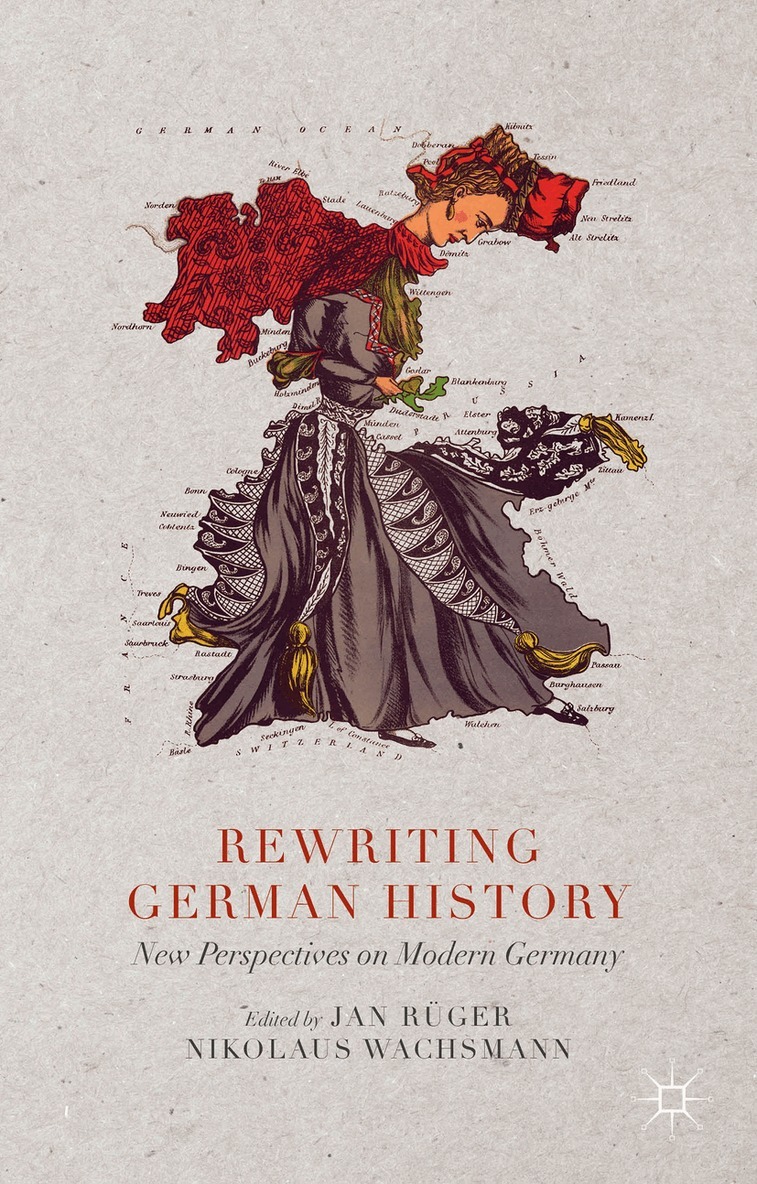
Rewriting German History
New Perspectives on Modern Germany
Av Jan Rüger, Nikolaus Wachsmann m. fl.
Inbunden, 2015
1241 kr
Lägg i varukorg
Rewriting German History offers striking new insights into key debates about the recent German past. Bringing together cutting-edge research and current discussions, this volume examines developments in the writing of the German past since the Second World War and suggests new directions for …
Rewriting German History
New Perspectives on Modern Germany
Av Nikolaus Wachsmann, Jan Ruger
E-bok, 2015
1736 kr
Lägg i varukorg
Rewriting German History offers striking new insights into key debates about the recent German past. Bringing together cutting-edge research and current discussions, this volume examines developments in the writing of the German past since the Second World War and suggests new directions for …
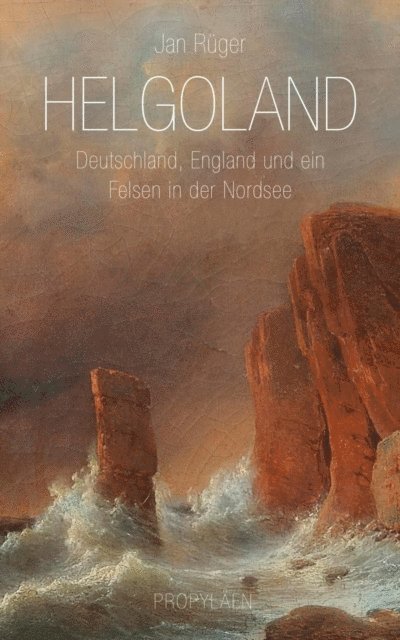
Helgoland
Deutschland, England und ein Felsen in der Nordsee
Av Karl Heinz Siber, Jan Ruger
E-bok, 2018
283 kr
Lägg i varukorg
Die große Geschichte einer kleinen InselHelgoland, ein rauer Felsen in der Nordseebrandung und zugleich seit knapp 200 Jahren Symbol und Kampfplatz deutscher wie englischer Historie. Hierhin zog sich Heinrich Heine zurück und hier schrieb Hoffmann von Fallersleben die deutsche Nationalhymne. In …