John H. Arnold – författare
Visar alla böcker från författaren John H. Arnold. Handla med fri frakt och snabb leverans.
22 produkter
History
A Very Short Introduction
Häftad, 2000
4,3 utav 5 stjärnor. Totalt antal röster: (11)
135 kr
Lägg i varukorg
There are many stories we can tell about the past, and we are not, perhaps, as free as we might imagine in our choice of which stories to tell, or where those stories end. John Arnold's Very Short Introduction is a stimulating essay about how we study and understand history. The book begins by …
History
A Very Short Introduction
E-bok, 2000
95 kr
Lägg i varukorg
There are many stories we can tell about the past, and we are not, perhaps, as free as we might imagine in our choice of which stories to tell, or where those stories end. John Arnold''s Very Short Introduction is a stimulating essay about how we study and understand history. The book begins by …
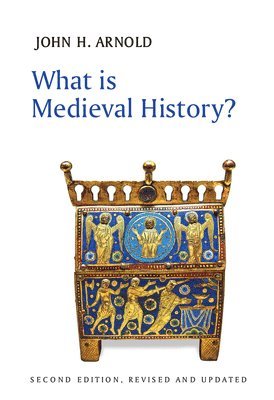
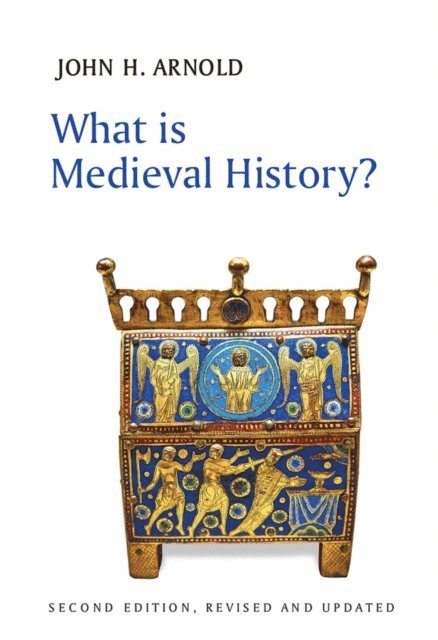
What is Medieval History?
Häftad, 2020
225 kr
Lägg i varukorg
Since its first publication in 2007, John H. Arnold’s What is Medieval History? has established itself as the leading introduction to the craft of the medieval historian. What is it that medieval historians do? How – and why – do they do it? Arnold discusses the creation of medieval history as a …
History
A Very Short Introduction
E-bok, 2000
126 kr
Lägg i varukorg
There are many stories we can tell about the past, and we are not, perhaps, as free as we might imagine in our choice of which stories to tell, or where those stories end. John Arnold''s Very Short Introduction is a stimulating essay about how we study and understand history. The book begins by …
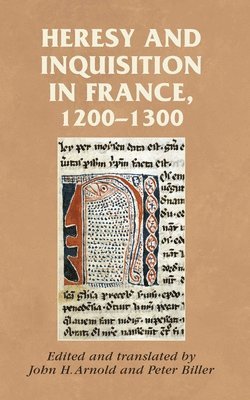
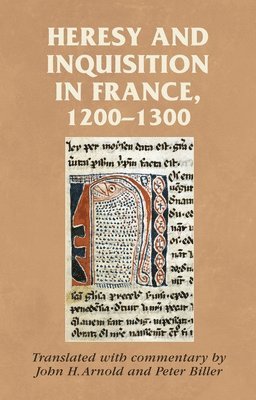
Heresy and Inquisition in France, 1200–1300
Häftad, 2016
364 kr
Lägg i varukorg
Heresy and inquisition in France, 1200–1300 is an invaluable collection of primary sources in translation, aimed at students and academics alike. It provides a wide array of materials on both heresy (Cathars and Waldensians) and the persecution of heresy in medieval France. The book is divided into …
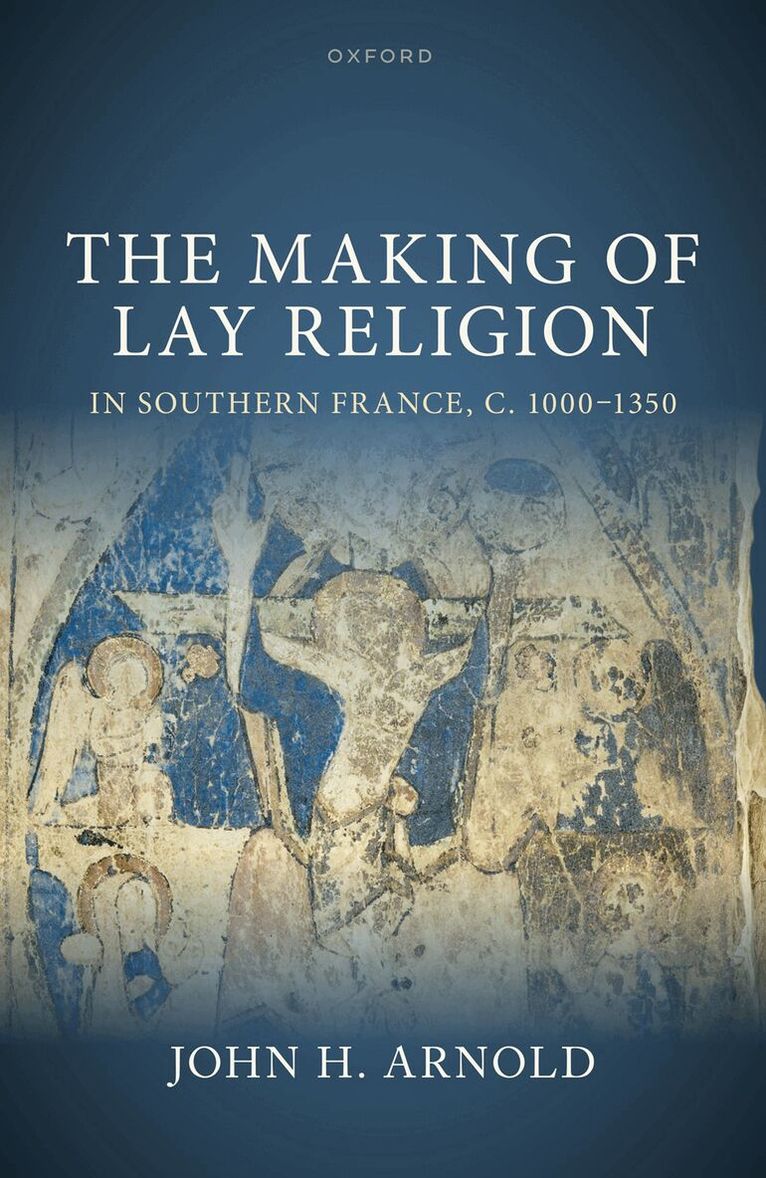
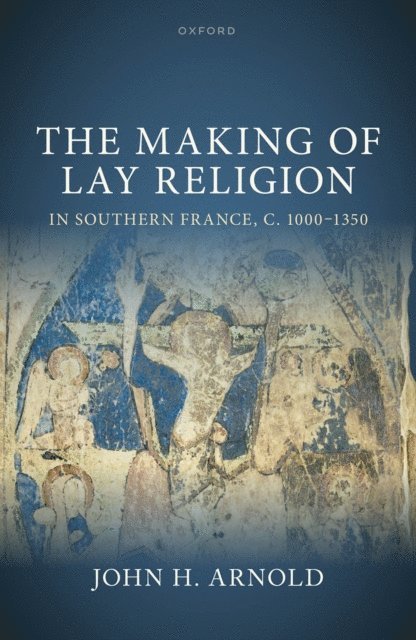
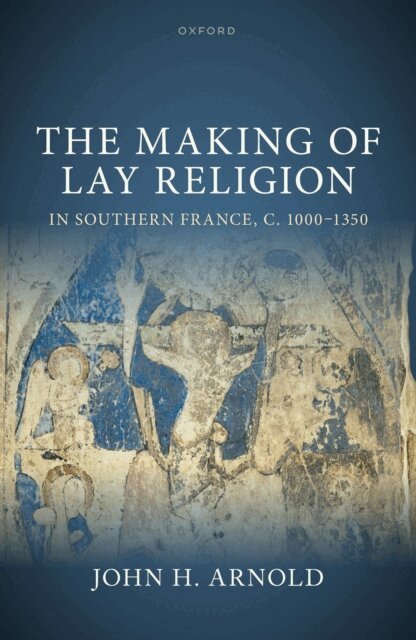
The Making of Lay Religion in Southern France, c. 1000-1350
Inbunden, 2024
2332 kr
Lägg i varukorg
What was Christianity like for ordinary people between the turn of the millennium and the coming of the Black Death? What changed and what continued, in their experiences, habits, feelings, hopes, and fears? How did they know themselves to be Christians, and indeed to be good Christians? This book …
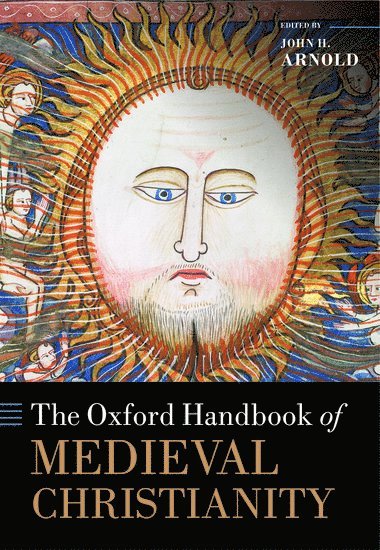
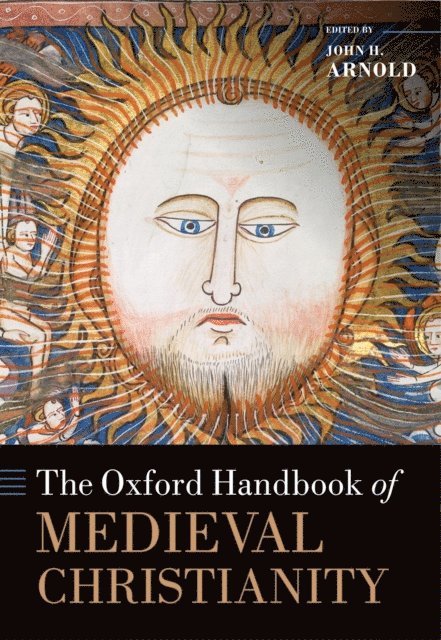
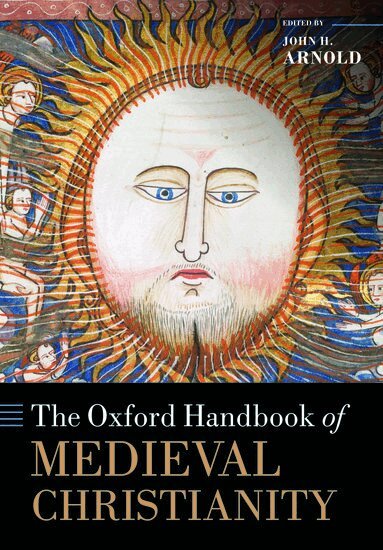
The Oxford Handbook of Medieval Christianity
Inbunden, 2014
2574 kr
Lägg i varukorg
The Oxford Handbook of Medieval Christianity takes as its subject the beliefs, practices, and institutions of the Christian Church between 400 and 1500AD. It addresses topics ranging from early medieval monasticism to late medieval mysticism, from the material wealth of the Church to the spiritual …
Oxford Handbook of Medieval Christianity
E-bok, 2014
1650 kr
Lägg i varukorg
The Oxford Handbook of Medieval Christianity takes as its subject the beliefs, practices, and institutions of the Christian Church between 400 and 1500AD. It addresses topics ranging from early medieval monasticism to late medieval mysticism, from the material wealth of the Church to the spiritual …
What is Medieval History?
Inbunden, 2020
656 kr
Lägg i varukorg
Since its first publication in 2007, John H. Arnold’s What is Medieval History? has established itself as the leading introduction to the craft of the medieval historian. What is it that medieval historians do? How – and why – do they do it? Arnold discusses the creation of medieval history as a …
Oxford Handbook of Medieval Christianity
E-bok, 2014
1650 kr
Lägg i varukorg
The Oxford Handbook of Medieval Christianity takes as its subject the beliefs, practices, and institutions of the Christian Church between 400 and 1500AD. It addresses topics ranging from early medieval monasticism to late medieval mysticism, from the material wealth of the Church to the spiritual …
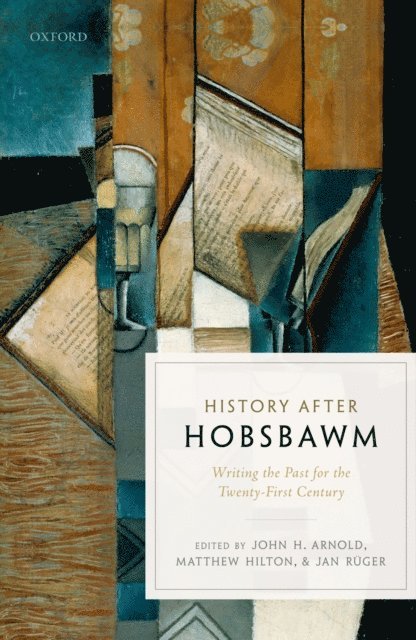
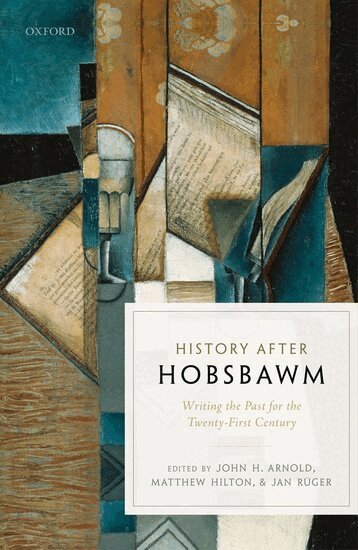
History after Hobsbawm
Writing the Past for the Twenty-First Century
Av Jan Ruger, Matthew Hilton m. fl.
E-bok, 2017
1624 kr
Lägg i varukorg
What does it mean - and what might it yet come to mean - to write ''history'' in the twenty-first century? History After Hobsbawm brings together leading historians from across the globe to ask what being an historian should mean in their particular fields of study. Taking their cue from one of the …
Making of Lay Religion in Southern France, c. 1000-1350
E-bok, 2024
1870 kr
Lägg i varukorg
What was Christianity like for ordinary people between the turn of the millennium and the coming of the Black Death? What changed and what continued, in their experiences, habits, feelings, hopes, and fears? How did they know themselves to be Christians, and indeed to be good Christians? This book …
Making of Lay Religion in Southern France, c. 1000-1350
E-bok, 2024
1760 kr
Lägg i varukorg
What was Christianity like for ordinary people between the turn of the millennium and the coming of the Black Death? What changed and what continued, in their experiences, habits, feelings, hopes, and fears? How did they know themselves to be Christians, and indeed to be good Christians? This book …
History after Hobsbawm
Writing the Past for the Twenty-First Century
Av John H. Arnold, John H. Arnold m. fl.
Inbunden, 2017
2243 kr
Lägg i varukorg
What does it mean - and what might it yet come to mean - to write 'history' in the twenty-first century? History After Hobsbawm brings together leading historians from across the globe to ask what being an historian should mean in their particular fields of study. Taking their cue from one of the …
The Oxford Handbook of Medieval Christianity
Häftad, 2017
858 kr
Lägg i varukorg
The Oxford Handbook of Medieval Christianity takes as its subject the beliefs, practices, and institutions of the Christian Church between 400 and 1500AD. It addresses topics ranging from early medieval monasticism to late medieval mysticism, from the material wealth of the Church to the spiritual …
History
A Very Short Introduction
Häftad, 2027
116 kr
Kommande
Very Short Introductions: Brilliant, Sharp, Inspiring History is the business of telling 'true stories', in which both elements - the attempt to be truthful, the need to narrate - are always in productive tension.This Very Short Introduction is a lively and engaged guide to the study of history. …
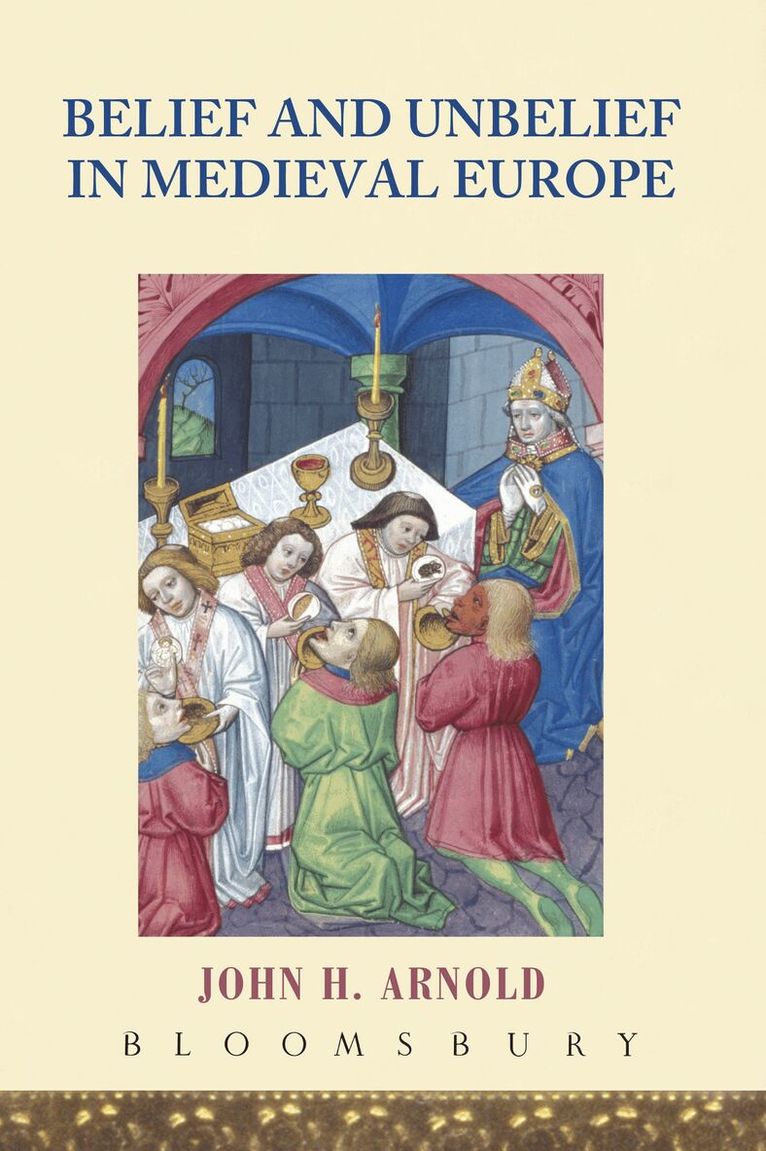
Belief and Unbelief in Medieval Europe
Häftad, 2005
487 kr
Lägg i varukorg
Religion in medieval Europe was hugely important, and impinged upon the most mundane transactions and everyday experiences. But was the period a uniform 'Age of Faith'? By focussing on the ordinary laity, this fascinating account unlocks the multiple meanings of religion, asking how it functioned …
Heresy and Inquisition in France, 1200–1300
Inbunden, 2016
1298 kr
Lägg i varukorg
Heresy and inquisition in France, 1200–1300 is an invaluable collection of primary sources in translation, aimed at students and academics alike. It provides a wide array of materials on both heresy (Cathars and Waldensians) and the persecution of heresy in medieval France. The book is divided into …
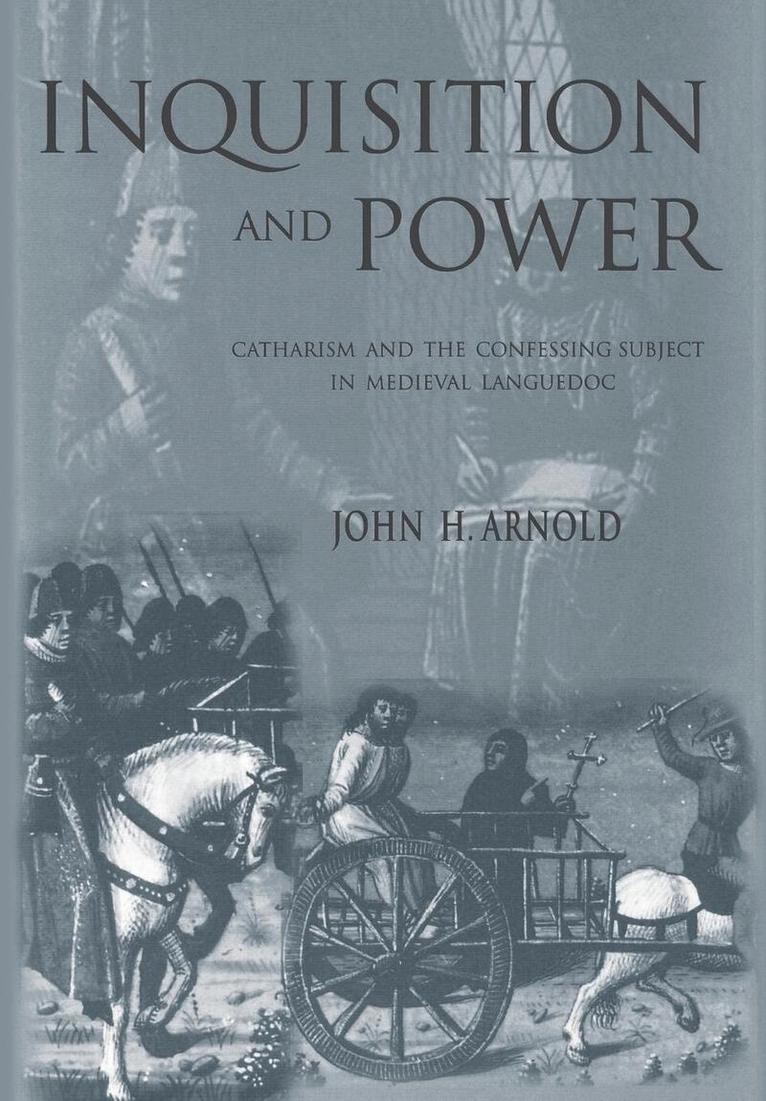
Inquisition and Power
Catharism and the Confessing Subject in Medieval Languedoc
E-bok, 2013
1157 kr
Lägg i varukorg
What should historians do with the words of the dead? Inquisition and Power reformulates the historiography of heresy and the inquisition by focusing on depositions taken from the Cathars, a religious sect that opposed the Catholic church and took root in southern France during the twelfth century. …
Inquisition and Power
Catharism and the Confessing Subject in Medieval Languedoc
Inbunden, 2001
967 kr
Lägg i varukorg
What should historians do with the words of the dead? Inquisition and Power reformulates the historiography of heresy and the inquisition by focusing on depositions taken from the Cathars, a religious sect that opposed the Catholic church and took root in southern France during the twelfth century. …
What is Medieval History?
E-bok, 2020
263 kr
Lägg i varukorg
Since its first publication in 2007, John H. Arnold’s What is Medieval History? has established itself as the leading introduction to the craft of the medieval historian. What is it that medieval historians do? How – and why – do they do it? Arnold discusses the creation of medieval history as a …
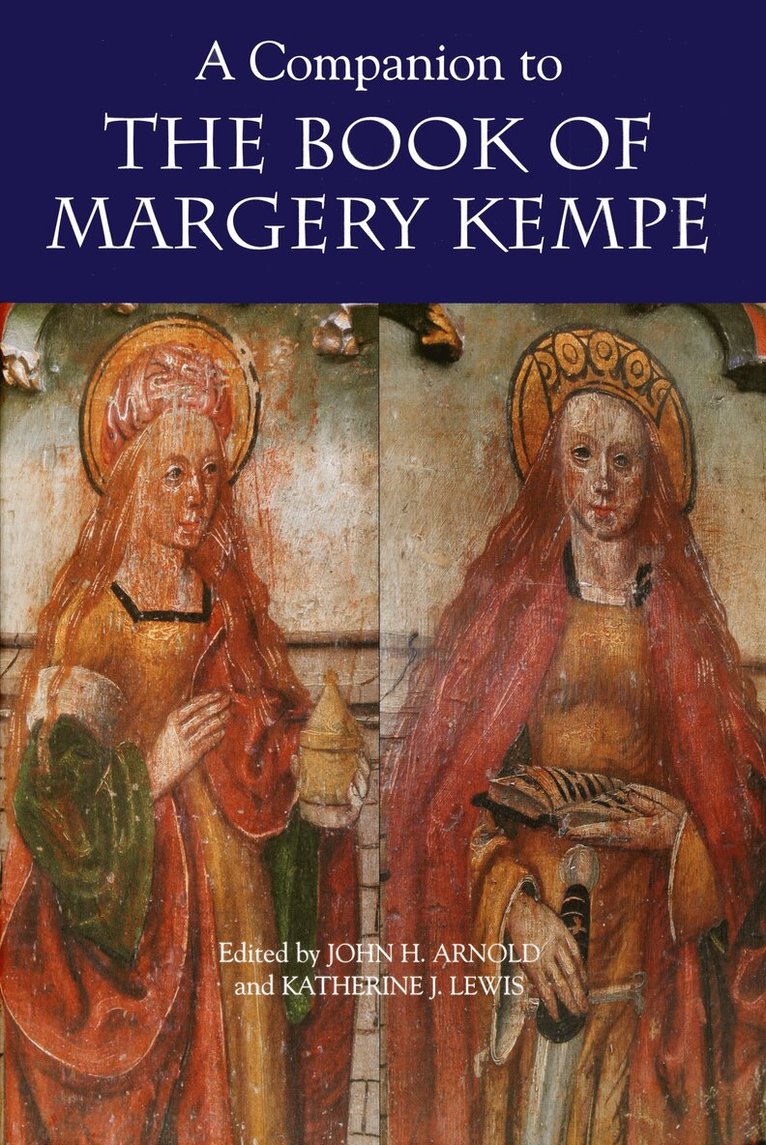
Companion to the Book of Margery Kempe
Av John H Arnold, Katherine J Lewis
Häftad, 2010
359 kr
Lägg i varukorg
Margery Kempe and her Book studied in both literary and historical context.Margery Kempe's Book provides rare access to the "marginal voice" of a lay medieval woman, and is now the focus of much critical study. This Companion seeks to complement the existing almost exclusively literary scholarship …