Jan Willem Honig - Böcker
Visar alla böcker från författaren Jan Willem Honig. Handla med fri frakt och snabb leverans.
3 produkter
3 produkter
314 kr
Skickas inom 3-6 vardagar
1 209 kr
Skickas inom 10-15 vardagar
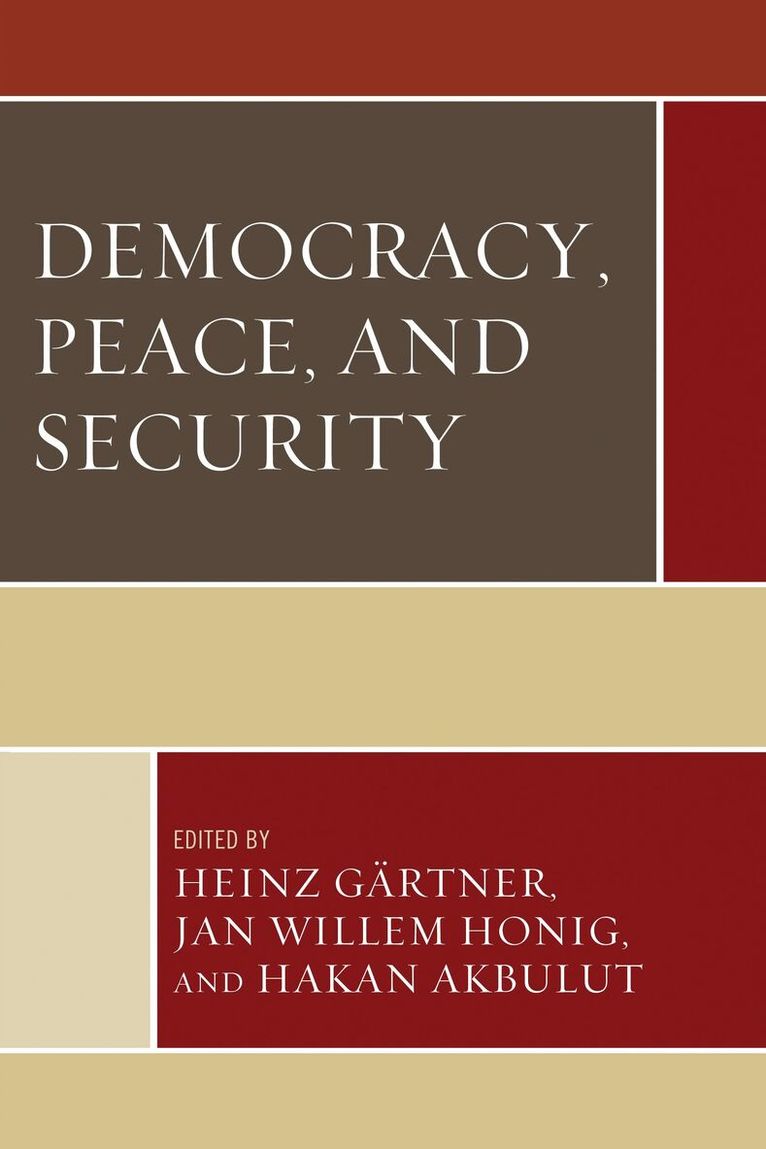
Democracies are extremely unlikely to wage war against other democracies – this main proposition of the Democratic Peace theory constitutes the starting point for this volume. Chapters authored by experts from different parts of the world explore the concept of Democratic Peace in greater depth in relation to selected issue areas and in comparison to other concepts such as security communities or concerts of powers. The role and significance of international organizations and gender equality, for instance, are discussed and assessed in this context. The objective guiding this exercise is to give an answer to the question as to whether Democratic Peace and the other two concepts – i.e. security communities and concerts of powers – can provide a solution to today’s security challenges and constitute a guide to peaceful co-existence and conflict settlement. So, the chapters discuss intellectual frameworks at some length, at the same time, reflecting on potential inferences for the outside world and highlighting associated challenges, limits, or even possible adverse implications.
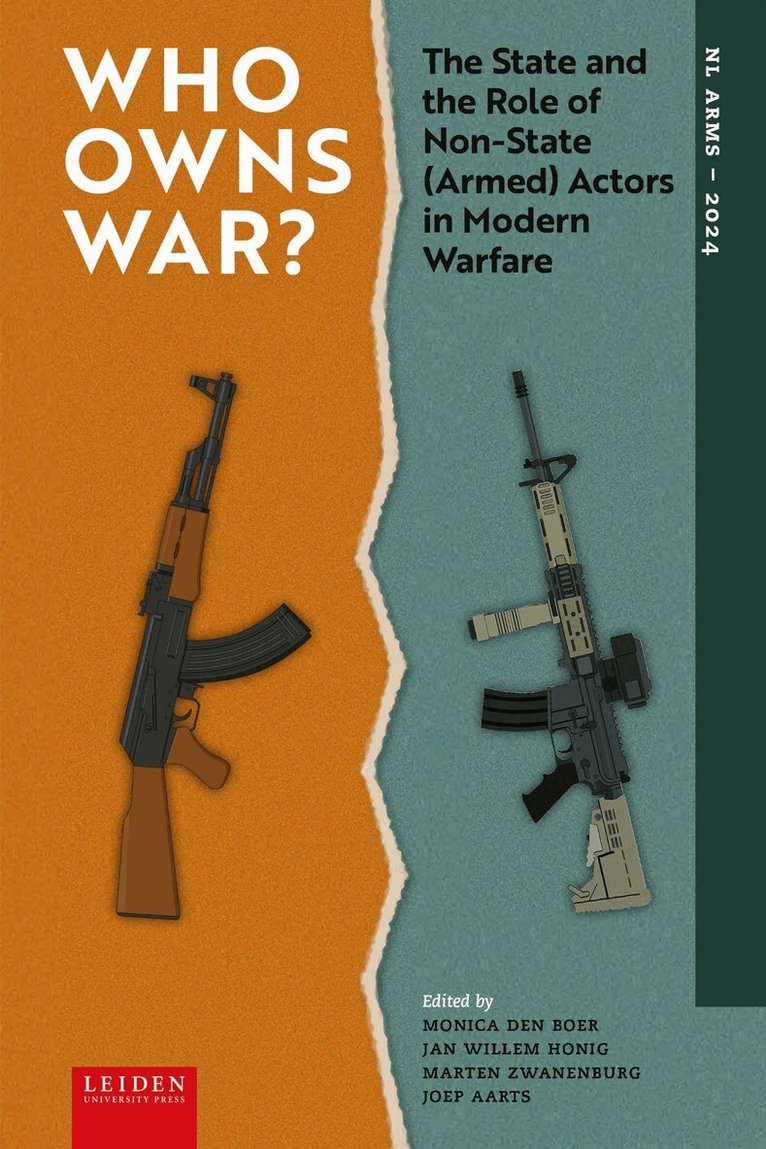
Who Owns War?
The State and the Role of Non-State (Armed) Actors in Modern Warfare
Inbunden, Engelska, 2025
1 759 kr
Skickas inom 7-10 vardagar
This book provides a critical assessment of the broadly held view that states 'own' war. The central theme of the book is that the persistence of non-state actors in historical as well as contemporary conflicts challenges this narrative. It takes a multidisciplinary approach to address a host of questions concerning the role of non-state actors, both armed and unarmed, in conflict and their relationship with states. Recurring themes are issues of loyalty, accountability and effectiveness. Part I is subdivided into two separate themes. The first is the use of civilians in war from a legal and military operational perspective, the second the question of loyalty and accountability of the private sector. Part II considers the cases of several non-state armed actors from the past and the present, showcasing the variety of actors and roles they play. Together, the contributions to this book provide an important new perspective on the role of non-state (armed) actors in war.