Jana L. Argersinger – författare
Visar alla böcker från författaren Jana L. Argersinger. Handla med fri frakt och snabb leverans.
4 produkter
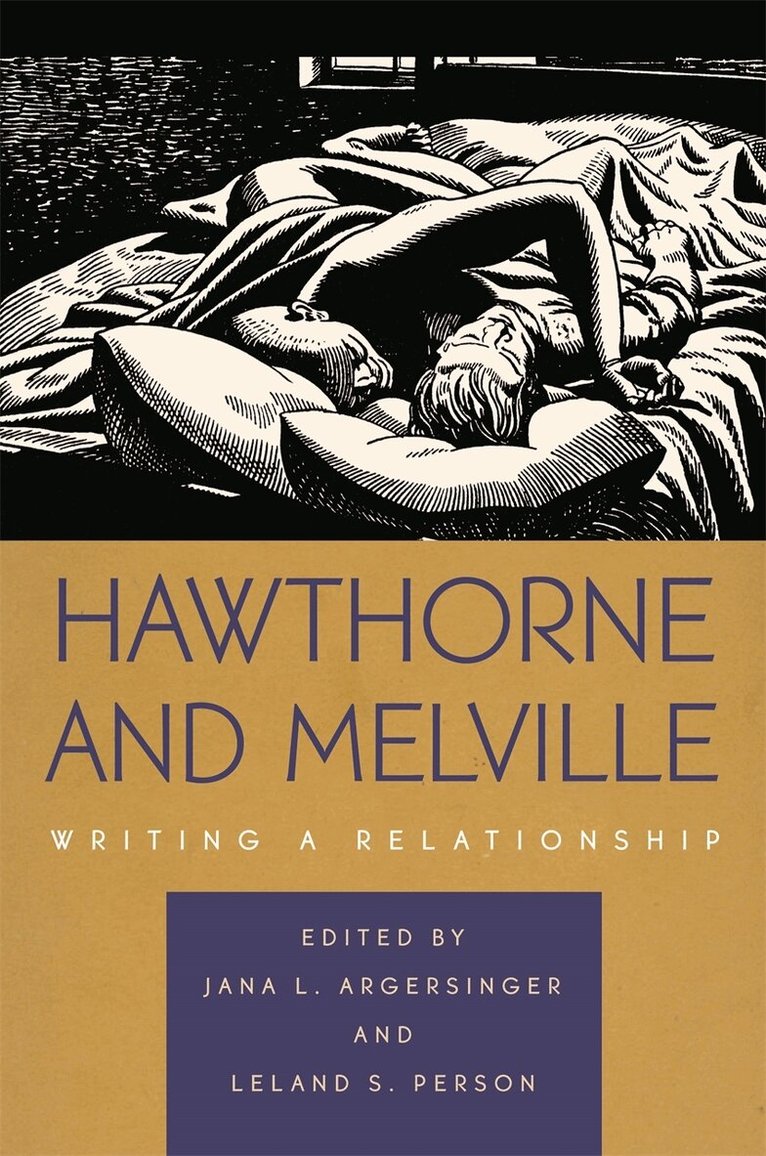
Hawthorne and Melville
Writing a Relationship
Av Jana L. Argersinger, Leland S. Person
Häftad, 2008
457 kr
Lägg i varukorg
Herman Melville and Nathaniel Hawthorne met in 1850 and enjoyed for sixteen months an intense but brief friendship. Taking advantage of new interpretive tools such as queer theory, globalist studies, political and social ideology, marketplace analysis, psychoanalytical and philosophical …
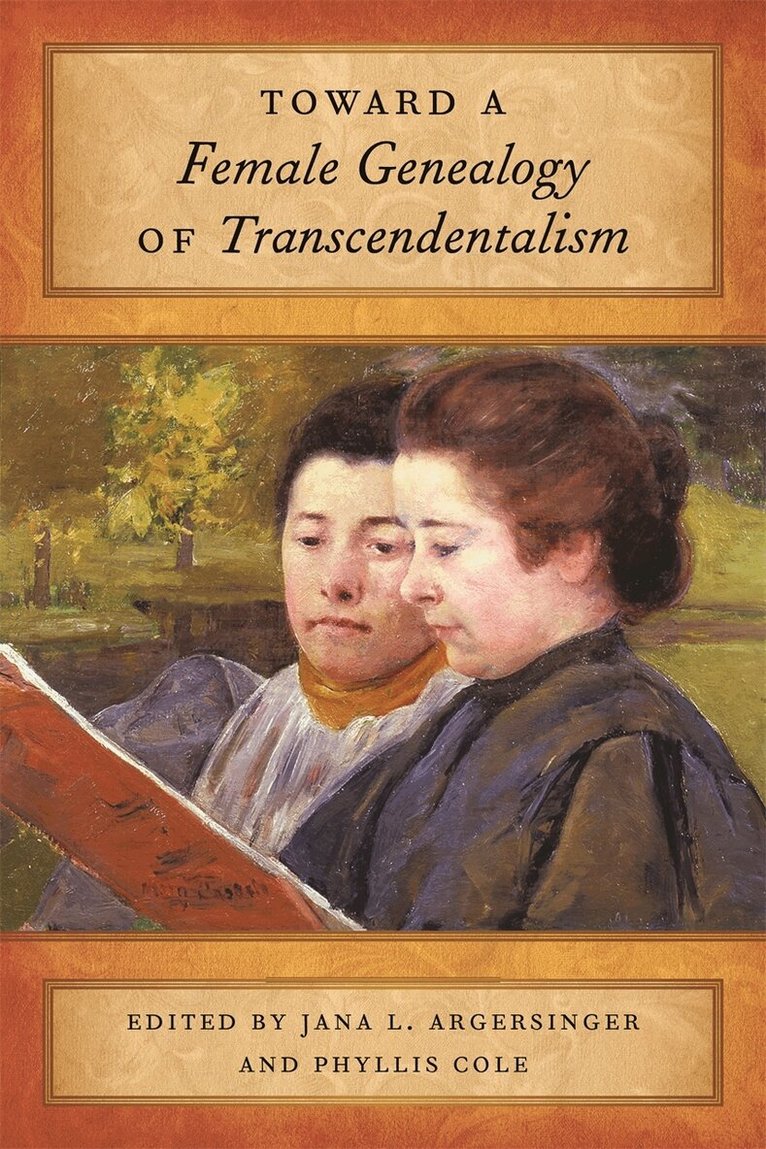
Toward a Female Genealogy of Transcendentalism
Av Jana L. Argersinger, Phyllis Cole
Inbunden, 2014
1506 kr
Lägg i varukorg
Traditional histories of the American transcendentalist movement begin in Ralph Waldo Emerson’s terms: describing a rejection of college books and church pulpits in favor of the individual power of “Man Thinking.” This essay collection asks how women who lacked the privileges of both college and …
Toward a Female Genealogy of Transcendentalism
Av Jana L. Argersinger, Phyllis Cole
E-bok, 2014
825 kr
Lägg i varukorg
Traditional histories of the American transcendentalist movement begin in Ralph Waldo Emerson’s terms: describing a rejection of college books and church pulpits in favor of the individual power of “Man Thinking.” This essay collection asks how women who lacked the privileges of both college and …
Toward a Female Genealogy of Transcendentalism
Av Jana L. Argersinger, Phyllis Cole
Häftad, 2014
742 kr
Tillfälligt slut
Traditional histories of the American transcendentalist movement begin in Ralph Waldo Emerson’s terms: describing a rejection of college books and church pulpits in favor of the individual power of “Man Thinking.” This essay collection asks how women who lacked the privileges of both college and …