Jana Tschurenev – författare
Visar alla böcker från författaren Jana Tschurenev. Handla med fri frakt och snabb leverans.
5 produkter
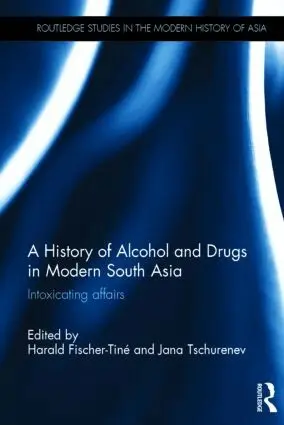
History of Alcohol and Drugs in Modern South Asia
Intoxicating Affairs
Av Harald Fischer-Tiné, Jana Tschurenev
Inbunden, 2013
2585 kr
Lägg i varukorg
At the beginning of the 21st century, alcoholism, transnational drug trafficking and drug addiction constitute major problems in various South Asian countries. The production, circulation and consumption of intoxicating substances created (and responded to) social upheavals in the region and had …
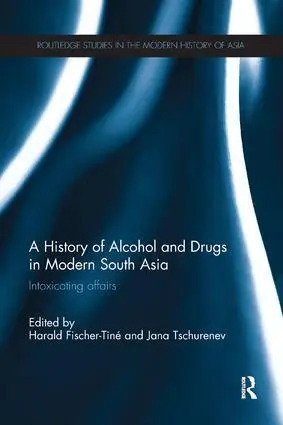
History of Alcohol and Drugs in Modern South Asia
Intoxicating Affairs
Av Harald Fischer-Tiné, Jana Tschurenev
Häftad, 2017
771 kr
Lägg i varukorg
At the beginning of the 21st century, alcoholism, transnational drug trafficking and drug addiction constitute major problems in various South Asian countries. The production, circulation and consumption of intoxicating substances created (and responded to) social upheavals in the region and had …
Empire, Civil Society, and the Beginnings of Colonial Education in India
Av Jana Tschurenev, Jana Tschurenev
Inbunden, 2019
1677 kr
Lägg i varukorg
This book tells a story of radical educational change. In the early nineteenth century, an imperial civil society movement promoted modern elementary 'schools for all'. This movement included British, American and German missionaries, and Indian intellectuals and social reformers. They organised …
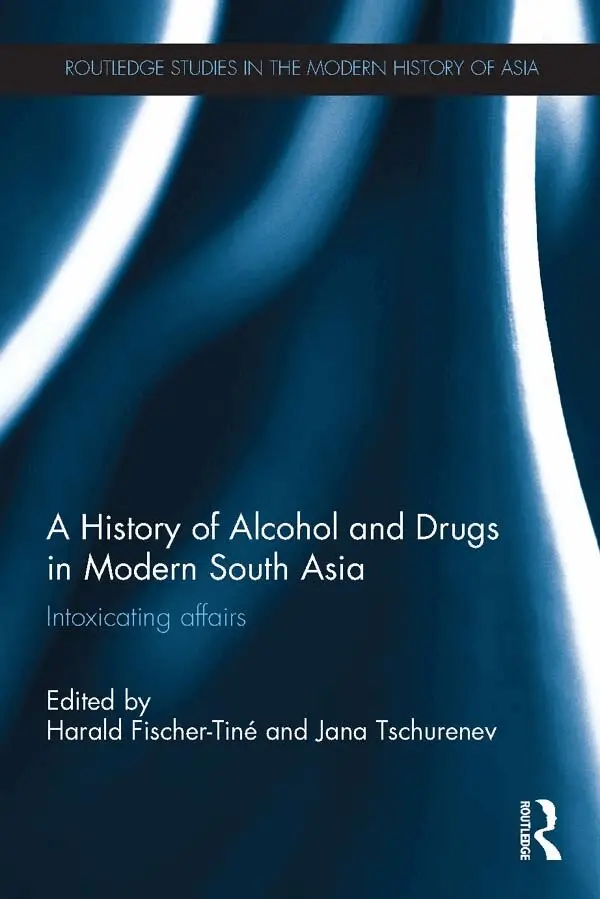
History of Alcohol and Drugs in Modern South Asia
Intoxicating Affairs
Av Harald Fischer-Tiné, Jana Tschurenev
E-bok, 2014
910 kr
Lägg i varukorg
At the beginning of the 21st century, alcoholism, transnational drug trafficking and drug addiction constitute major problems in various South Asian countries. The production, circulation and consumption of intoxicating substances created (and responded to) social upheavals in the region and had …
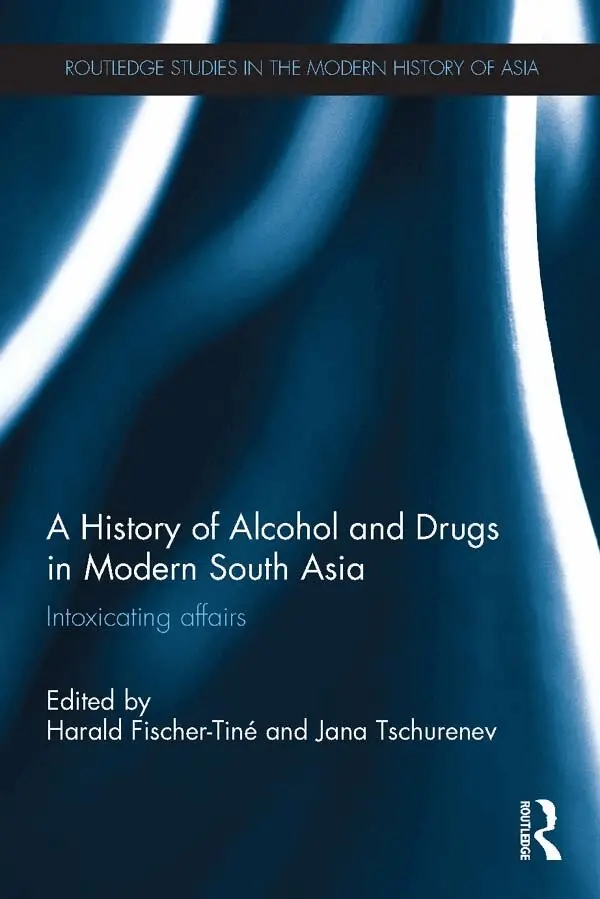
History of Alcohol and Drugs in Modern South Asia
Intoxicating Affairs
Av Harald Fischer-Tiné, Jana Tschurenev
E-bok, 2014
890 kr
Lägg i varukorg
At the beginning of the 21st century, alcoholism, transnational drug trafficking and drug addiction constitute major problems in various South Asian countries. The production, circulation and consumption of intoxicating substances created (and responded to) social upheavals in the region and had …