Häftad, Engelska, 2015
269 kr
Skickas inom 3-6 vardagar
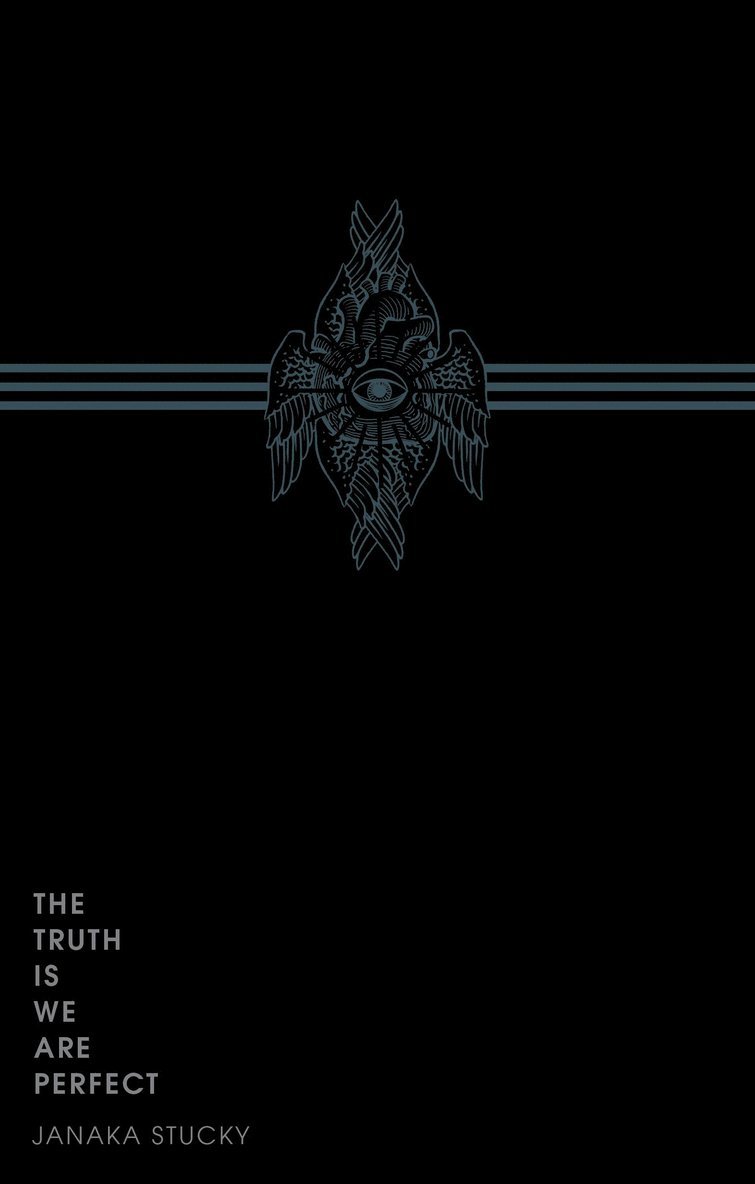
"Stucky's verse has the power of the best East European poets--some of his poems seem to be perfect, magnificent, and instantly anthologizable. He is a forceful, cogent, incisive phrase-maker."--Bill Knott "The yearning in these poems is awash in dense, spiritual sexuality buffeted by time and the mishandling of promises and breakable bonds."--apt The Truth Is We Are Perfect contains fifty-four lyrics exploring the loss of oneself through the loss of an other, and how we seek to recreate ourselves in that absence. Stucky journeys into nothingness and, consequently, into awareness. His meditative sensibilities and minimalist style create ritualized poems acting as spells--transcribed to be read aloud and performed in the service of realizing that which we seek to become: "Because I love a burning thing / I made my heart a field of fire." Janaka Stucky is the publisher of Black Ocean as well as the annual poetry journal Handsome. He is the author of two chapbooks: Your Name Is The Only Freedom, and The World Will Deny It For You.His poems have appeared in such journals as Denver Quarterly, Fence and North American Review, and his articles have been published by the Huffington Post and the Poetry Foundation. He is a two-time National Haiku Champion and in 2010 he was voted "Boston's Best Poet" in the Boston Phoenix.