
Jane E. Sayers - Böcker
Visar alla böcker från författaren Jane E. Sayers. Handla med fri frakt och snabb leverans.
2 produkter
2 produkter
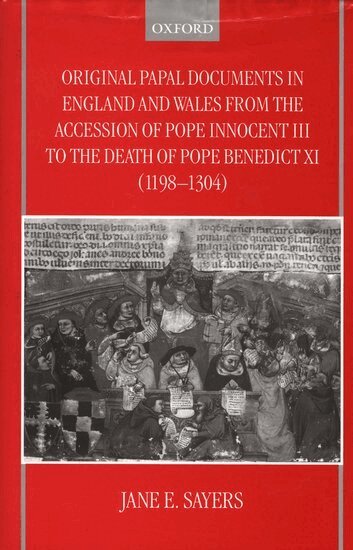
Original Papal Documents in England and Wales from the Accession of Pope Innocent III to the Death of Pope Benedict XI (1198-1304)
Inbunden, Engelska, 1999
5 935 kr
Skickas inom 5-8 vardagar
The medieval popes conducted a vigorous correspondence with monarchs, clergy, and lay people all over western Europe. Streams of applicants made their way to the papal court for confirmations of rights, concessions, and on some occasions to get justice. The papal Chancery was the executive office, constantly on the move with the pope and the cardinals who formed the curia. Officials connected with the issue of the letters - scribes, correctors, taxators, bullators, registrars - followed the papal court. Only a small proportion of the original letters sent and received have survived. They are, therefore, very precious, not only for what they tell us about the course of events, but also for the light they throw on how papal government and administration worked. In this volume over a thousand surviving letters have been brought together, analysed, and discussed for the first time. They provide important insights not only into the activities of the papal court but also into the aspirations and desires of the petitioners.
Del 21 - Cambridge Studies in Medieval Life and Thought: Third Series
Papal Government and England during the Pontificate of Honorius III (1216-1227)
Häftad, Engelska, 2008
441 kr
Skickas inom 7-10 vardagar
This study of the administrative 'revolution' of the thirteenth-century papacy investigates the background and career of Honorius III, who was deeply involved in the developing administration of Chamber and Chancery from the late twelfth century, and reveals a picture of evolution rather than revolution in the papal offices of state. Honorius's Chancery is subjected to a vigorous examination. Valuable appendices list all the known papal scribes and provide diplomatic commentaries. Tables indicate details about the registers and the registrative system. The central machinery is shown in action, particularly in dealing with English affairs and petitioners and Honorius's place in the development of canon law is discussed in relation to the English background and experience.