Jane M. Ferguson - Böcker
Visar alla böcker från författaren Jane M. Ferguson. Handla med fri frakt och snabb leverans.
4 produkter
4 produkter
884 kr
Skickas inom 10-15 vardagar
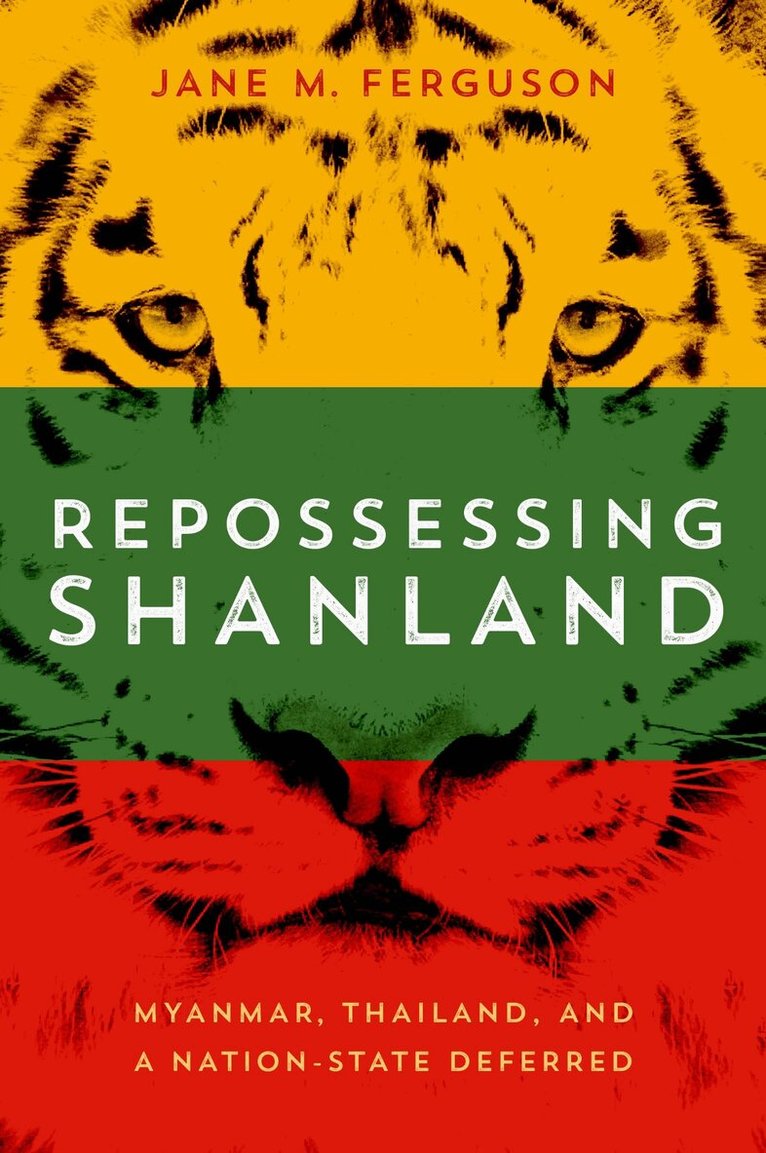
Around five million people across Southeast Asia identify as Shan. Though the Shan people were promised an independent state in the 1947 Union of Burma constitution, successive military governments blocked their liberation. From 1958 onward, insurgency movements, including the Shan United Revolution Army, have fought for independence from Myanmar. Refugees numbering in the hundreds of thousands fled to Thailand to escape the conflict, despite struggling against oppressive citizenship laws there. Several decades of continuous rebellion have created a vacuum in which literati and politicians have constructed a virtual Shan state that lives on in popular media, rock music, and Buddhist ritual.Based on close readings of Shan-language media and years of ethnographic research in a community of soldiers and their families, Jane M. Ferguson details the origins of these movements and tells the story of the Shan in their own voices. She shows how the Shan have forged a homeland and identity during great upheaval by using state building as an ongoing project of resistance, resilience, and accommodation within both countries. In avoiding a good/bad moral binary and illuminating cultural complexities, Repossessing Shanland offers a fresh perspective on identity formation, transformation, and how people understand and experience borderlands today.
309 kr
Skickas inom 10-15 vardagar
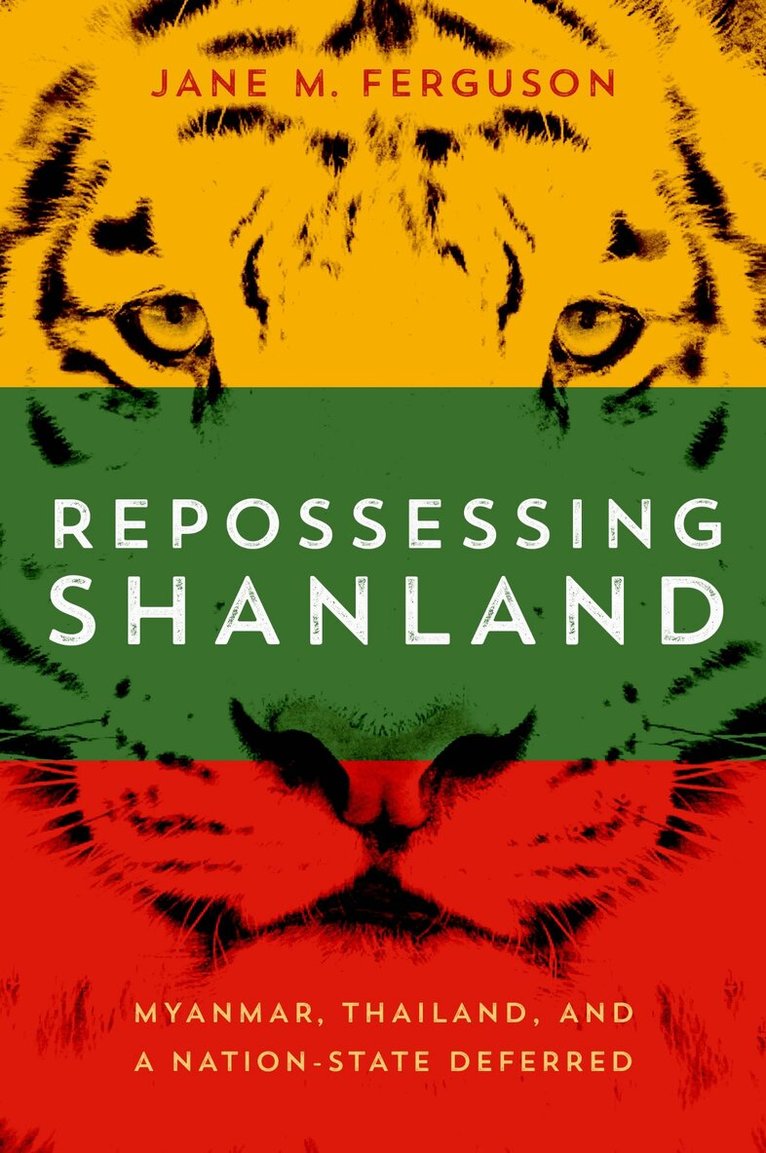
Around five million people across Southeast Asia identify as Shan. Though the Shan people were promised an independent state in the 1947 Union of Burma constitution, successive military governments blocked their liberation. From 1958 onward, insurgency movements, including the Shan United Revolution Army, have fought for independence from Myanmar. Refugees numbering in the hundreds of thousands fled to Thailand to escape the conflict, despite struggling against oppressive citizenship laws there. Several decades of continuous rebellion have created a vacuum in which literati and politicians have constructed a virtual Shan state that lives on in popular media, rock music, and Buddhist ritual.Based on close readings of Shan-language media and years of ethnographic research in a community of soldiers and their families, Jane M. Ferguson details the origins of these movements and tells the story of the Shan in their own voices. She shows how the Shan have forged a homeland and identity during great upheaval by using state building as an ongoing project of resistance, resilience, and accommodation within both countries. In avoiding a good/bad moral binary and illuminating cultural complexities, Repossessing Shanland offers a fresh perspective on identity formation, transformation, and how people understand and experience borderlands today.
764 kr
Skickas inom 7-10 vardagar
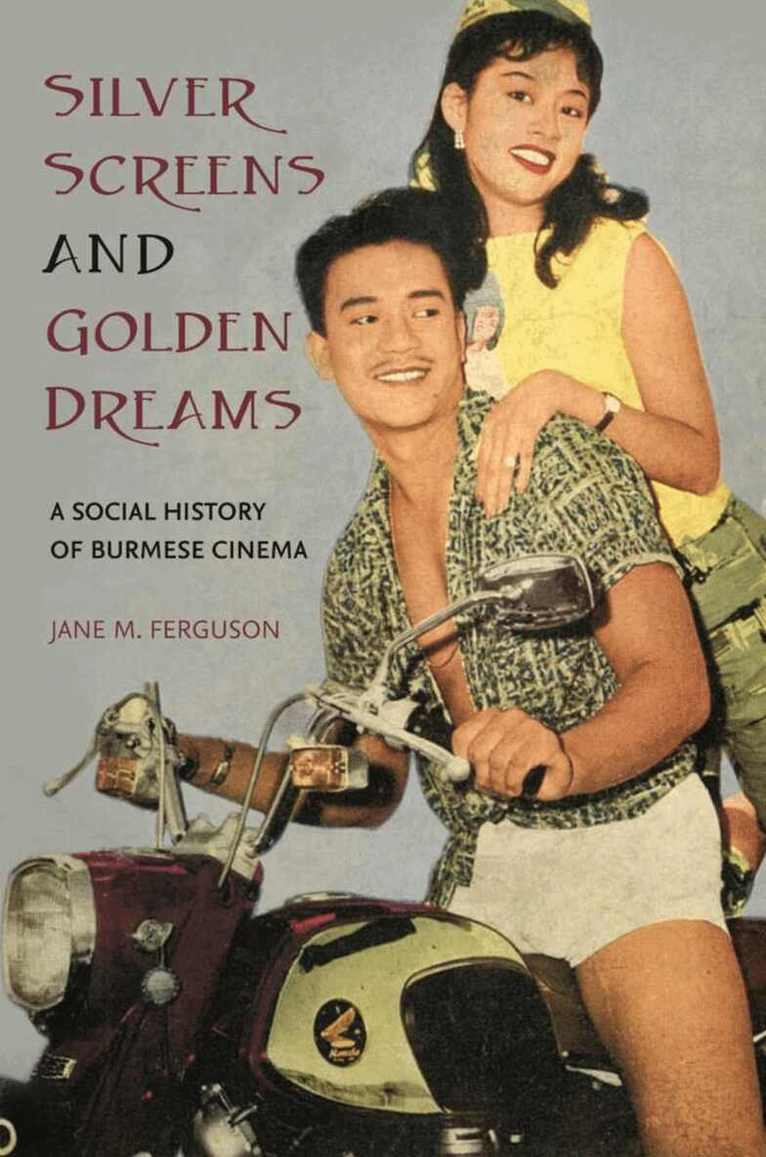
In a tour-de-force study of sixty years of cinematic entertainment, Silver Screens and Golden Dreams traces the veins of Burmese popular movies across three periods in history: the colonial era, the parliamentary democracy period, and the Ne Win Socialist years. Author Jane M. Ferguson engages cinema as an interrogator of mainstream cultural values, providing political and cultural context to situate the films as artistic endeavors and capitalist products. Exploring how filmmakers eschewed colonial control and later selectively toed the ideological lines of the Burmese Way to Socialism, Silver Screens and Golden Dreams offers a serious yet enjoyable investigation of leisure during difficult times of transition and political upheaval. By skillfully blending historical and anthropological approaches, Ferguson shows how Burmese cinema presents a lively, unique take on the country’s social history.The world tends to see Myanmar (Burma) as an ancient, idyllic land of emerald-green rice paddies dotted with golden pagodas, yet sadly tarnished by a contemporary reality of grinding poverty, a decades-long civil war, and the most enduring military dictatorship in modern history. Burmese society is frequently stereotyped as isolated, hidebound to Buddhist cultural foundations, or embroiled in military rule and civil strife. Its thriving, cosmopolitan film industry not only questions such orientalist archetypes but also provides an incisive lens to explore social history through everyday popular practices. Emerging from a vibrant literary and performing arts scene, Burmese talent and ingenuity spurred a century of near-continuous motion picture production. Dozens of local film companies have churned out thousands of films, bringing to life popular folk tales, tear-jerking dramas, and epic adventures for millions of adoring fans. Even during the purportedly isolated Burmese Way to Socialism years, local movie production continued, and ticket sales even increased. Glamorous stars adopted international fashions, yet inspired Burmese cultural pride in the face of foreign economic and political domination. From silent films depicting moral perils, to Hollywood remakes, to socialist realism and ethnic unity films, locally made motion pictures have captured the imaginations of Burmese people for over a century.
291 kr
Skickas inom 7-10 vardagar
In a tour-de-force study of sixty years of cinematic entertainment, Silver Screens and Golden Dreams traces the veins of Burmese popular movies across three periods in history: the colonial era, the parliamentary democracy period, and the Ne Win Socialist years. Author Jane M. Ferguson engages cinema as an interrogator of mainstream cultural values, providing political and cultural context to situate the films as artistic endeavors and capitalist products. Exploring how filmmakers eschewed colonial control and later selectively toed the ideological lines of the Burmese Way to Socialism, Silver Screens and Golden Dreams offers a serious yet enjoyable investigation of leisure during difficult times of transition and political upheaval. By skillfully blending historical and anthropological approaches, Ferguson shows how Burmese cinema presents a lively, unique take on the country’s social history. The world tends to see Myanmar (Burma) as an ancient, idyllic land of emerald-green rice paddies dotted with golden pagodas, yet sadly tarnished by a contemporary reality of grinding poverty, a decades-long civil war, and the most enduring military dictatorship in modern history. Burmese society is frequently stereotyped as isolated, hidebound to Buddhist cultural foundations, or embroiled in military rule and civil strife. Its thriving, cosmopolitan film industry not only questions such orientalist archetypes but also provides an incisive lens to explore social history through everyday popular practices. Emerging from a vibrant literary and performing arts scene, Burmese talent and ingenuity spurred a century of near-continuous motion picture production. Dozens of local film companies have churned out thousands of films, bringing to life popular folk tales, tear-jerking dramas, and epic adventures for millions of adoring fans. Even during the purportedly isolated Burmese Way to Socialism years, local movie production continued, and ticket sales even increased. Glamorous stars adopted international fashions, yet inspired Burmese cultural pride in the face of foreign economic and political domination. From silent films depicting moral perils, to Hollywood remakes, to socialist realism and ethnic unity films, locally made motion pictures have captured the imaginations of Burmese people for over a century.