Jane M. Gaines - Böcker
Visar alla böcker från författaren Jane M. Gaines. Handla med fri frakt och snabb leverans.
5 produkter
5 produkter
322 kr
Skickas inom 7-10 vardagar
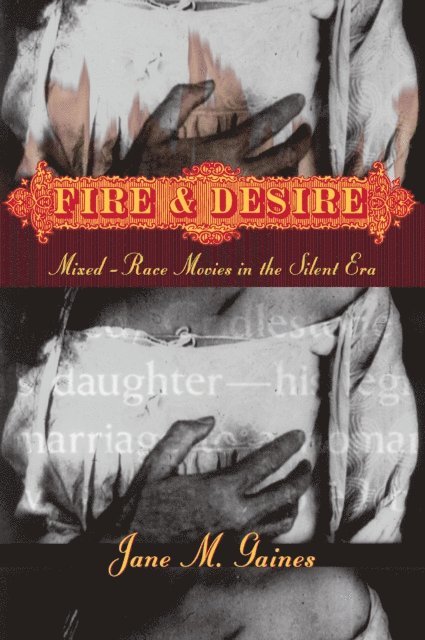
In the silent era, American cinema was defined by two separate and parallel industries, with white and black companies producing films for their respective, segregated audiences. Jane Gaines's highly anticipated new book reconsiders the race films of this era with an ambitious historical and theoretical agenda.Fire and Desire offers a penetrating look at the black independent film movement during the silent period. Gaines traces the profound influence that D. W. Griffith's racist epic The Birth of a Nation exerted on black filmmakers such as Oscar Micheaux, the director of the newly recovered Within Our Gates. Beginning with What Happened in the Tunnel, a movie that played with race and sex taboos by featuring the first interracial kiss in film, Gaines also explores the cinematic constitution of self and other through surprise encounters: James Baldwin sees himself in the face of Bette Davis, family resemblance is read in Richard S. Robert's portrait of an interracial family, and black film pioneer George P. Johnson looks back on Micheaux. Given the impossibility of purity and the co-implication of white and black, Fire and Desire ultimately questions the category of "race movies" itself.
1 361 kr
Skickas inom 7-10 vardagar
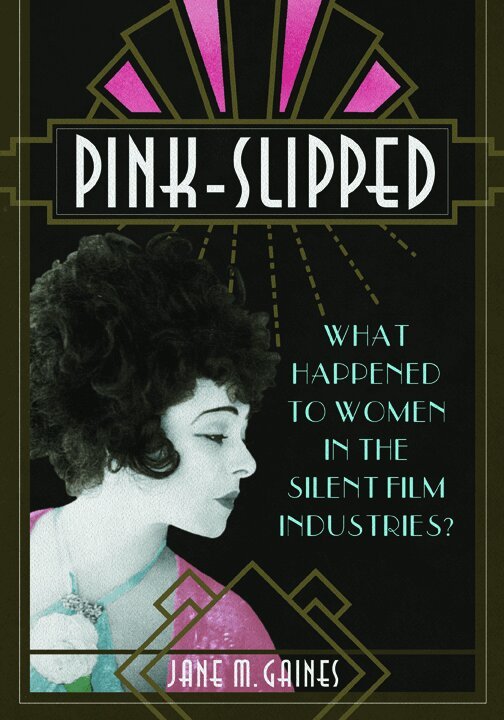
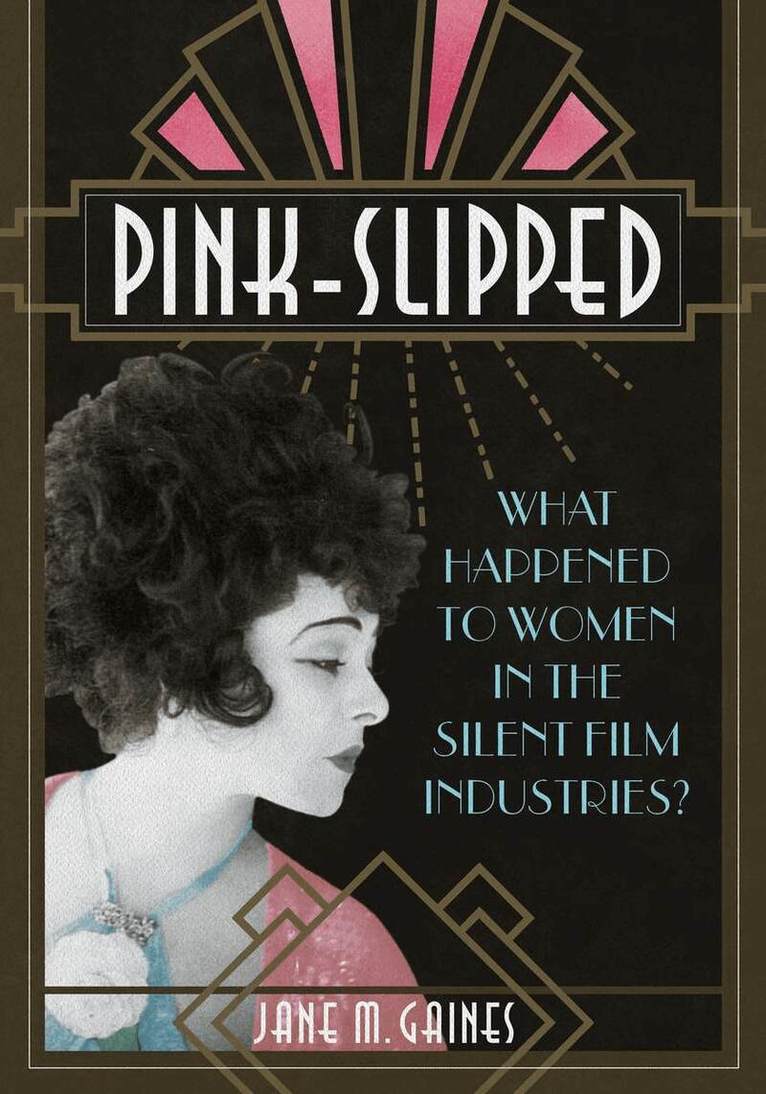
Women held more positions of power in the silent film era than at any other time in American motion picture history. Marion Leonard broke from acting to cofound a feature film company. Gene Gauntier, the face of Kalem Films, also wrote the first script of Ben-Hur. Helen Holmes choreographed her own breathtaking on-camera stunt work. Yet they and the other pioneering filmmaking women vanished from memory. Using individual careers as a point of departure, Jane M. Gaines charts how women first fell out of the limelight and then out of the film history itself. A more perplexing event cemented their obscurity: the failure of 1970s feminist historiography to rediscover them. Gaines examines how it happened against a backdrop of feminist theory and her own meditation on the limits that historiography imposes on scholars. Pondering how silent era women have become absent in the abstract while present in reality, Gaines sees a need for a theory of these artists' pasts that relates their aspirations to those of contemporary women. A bold journey through history and memory, Pink-Slipped pursues the still-elusive fate of the influential women in the early years of film.
319 kr
Skickas inom 7-10 vardagar
Women held more positions of power in the silent film era than at any other time in American motion picture history. Marion Leonard broke from acting to cofound a feature film company. Gene Gauntier, the face of Kalem Films, also wrote the first script of Ben-Hur. Helen Holmes choreographed her own breathtaking on-camera stunt work. Yet they and the other pioneering filmmaking women vanished from memory. Using individual careers as a point of departure, Jane M. Gaines charts how women first fell out of the limelight and then out of the film history itself. A more perplexing event cemented their obscurity: the failure of 1970s feminist historiography to rediscover them. Gaines examines how it happened against a backdrop of feminist theory and her own meditation on the limits that historiography imposes on scholars. Pondering how silent era women have become absent in the abstract while present in reality, Gaines sees a need for a theory of these artists' pasts that relates their aspirations to those of contemporary women. A bold journey through history and memory, Pink-Slipped pursues the still-elusive fate of the influential women in the early years of film.
500 kr
Skickas inom 10-15 vardagar
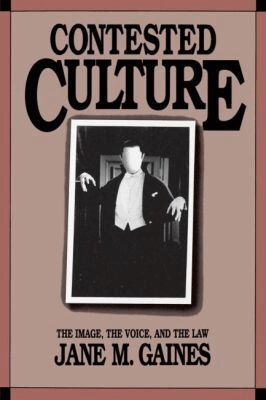
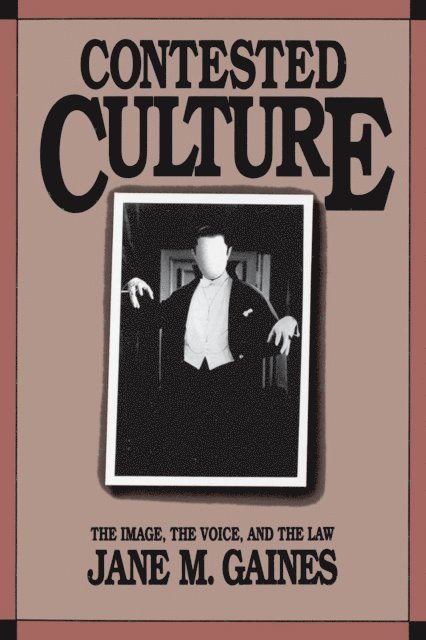
Jane M. Gaines examines the phenomenon of images as property, focusing on the legal staus of mechanically produced visual and audio images from popular culture. Bridging the fields of critical legal studies and cultural studies, she analyzes copyright, trademark, and intellectual property law, asking how the law constructs works of authorship and who owns the country's cultural heritage.
504 kr
Skickas inom 3-6 vardagar
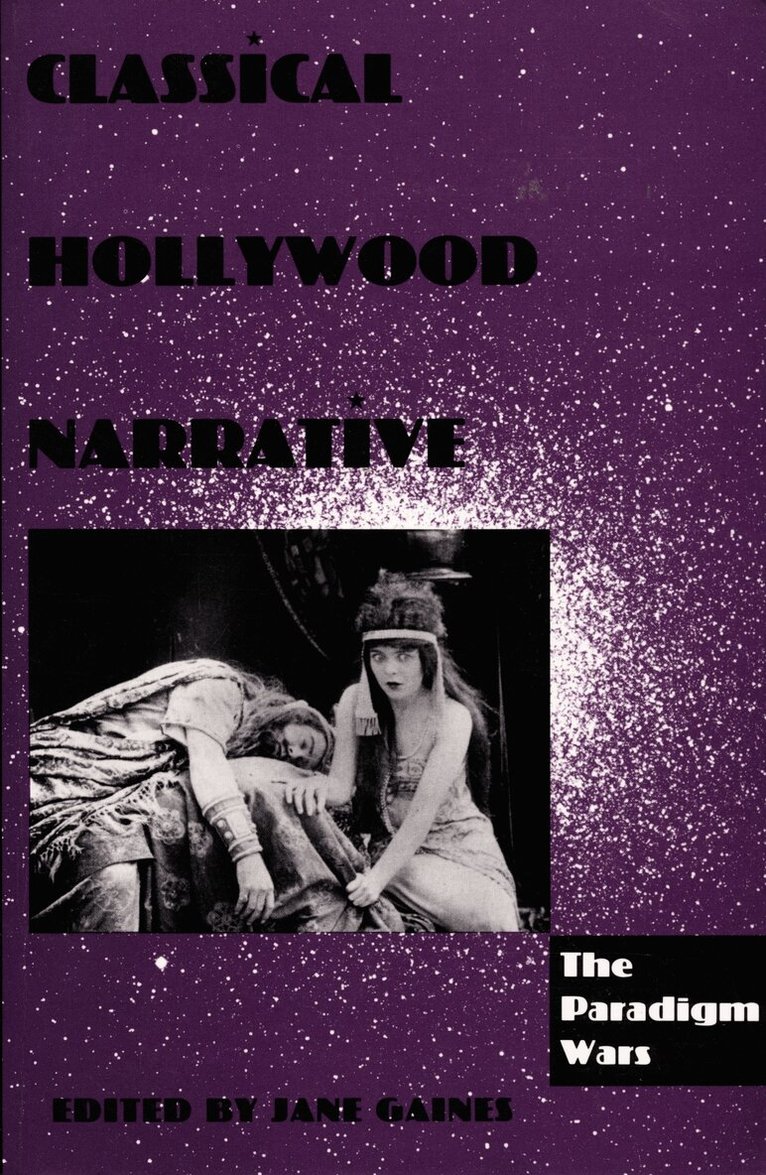
Since the 1970s film studies has been dominated by a basic paradigm-the concept of classical Hollywood cinema-that is, the protagonist-driven narrative, valued for the way it achieves closure by neatly answering all of the enigmas it raises. It has been held to be a form so powerful that its aesthetic devices reinforce gender positions in society. In a variety of ways, the essays collected here-representing the work of some of the most innovative theorists writing today-challenge this paradigm.Significantly expanded from a special issue of South Atlantic Quarterly (Spring 1989), these essays confront the extent to which formalism has continued to dominate film theory, reexamine the role of melodrama in cinematic development, revise notions of "patriarchal cinema," and assert the importance of television and video to cinema studies. A range of topics are discussed, from the films of D. W. Griffith to sexuality in avant-garde film to television's Dynasty. Contributors. Rick Altman, Richard Dienst, Jane Feuer, Jane Gaines, Christine Gledhill, Miriam Hansen, Norman N. Holland, Fredric Jameson, Bill Nichols, Janey Staiger, Chris Straayer, John O. Thompson