Jane M. Jacobs – författare
Visar alla böcker från författaren Jane M. Jacobs. Handla med fri frakt och snabb leverans.
6 produkter
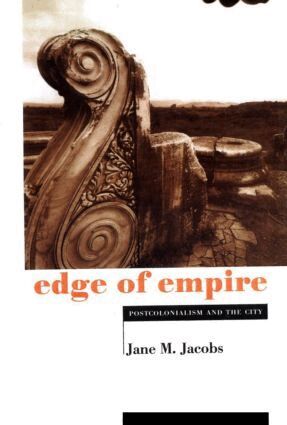
Edge of Empire
Postcolonialism and the City
Inbunden, 1996
3147 kr
Lägg i varukorg
Edge of Empire examines struggles over urban space in three contemporary first world cities in an attempt to map the real geographies of colonialism and postcolonialism as manifest in modern society. From London, the one-time heart of the empire, to Perth and Brisbane, scenes of Aboriginal claims …
Edge of Empire
Postcolonialism and the City
Häftad, 1996
949 kr
Lägg i varukorg
Edge of Empire examines struggles over urban space in three contemporary first world cities in an attempt to map the real geographies of colonialism and postcolonialism as manifest in modern society. From London, the one-time heart of the empire, to Perth and Brisbane, scenes of Aboriginal claims …
Edge of Empire
Postcolonialism and the City
E-bok, 2002
1067 kr
Lägg i varukorg
Edge of Empire examines struggles over urban space in three contemporary first world cities in an attempt to map the real geographies of colonialism and postcolonialism as manifest in modern society. From London, the one-time heart of the empire, to Perth and Brisbane, scenes of Aboriginal claims …
Edge of Empire
Postcolonialism and the City
E-bok, 2002
1067 kr
Lägg i varukorg
Edge of Empire examines struggles over urban space in three contemporary first world cities in an attempt to map the real geographies of colonialism and postcolonialism as manifest in modern society. From London, the one-time heart of the empire, to Perth and Brisbane, scenes of Aboriginal claims …
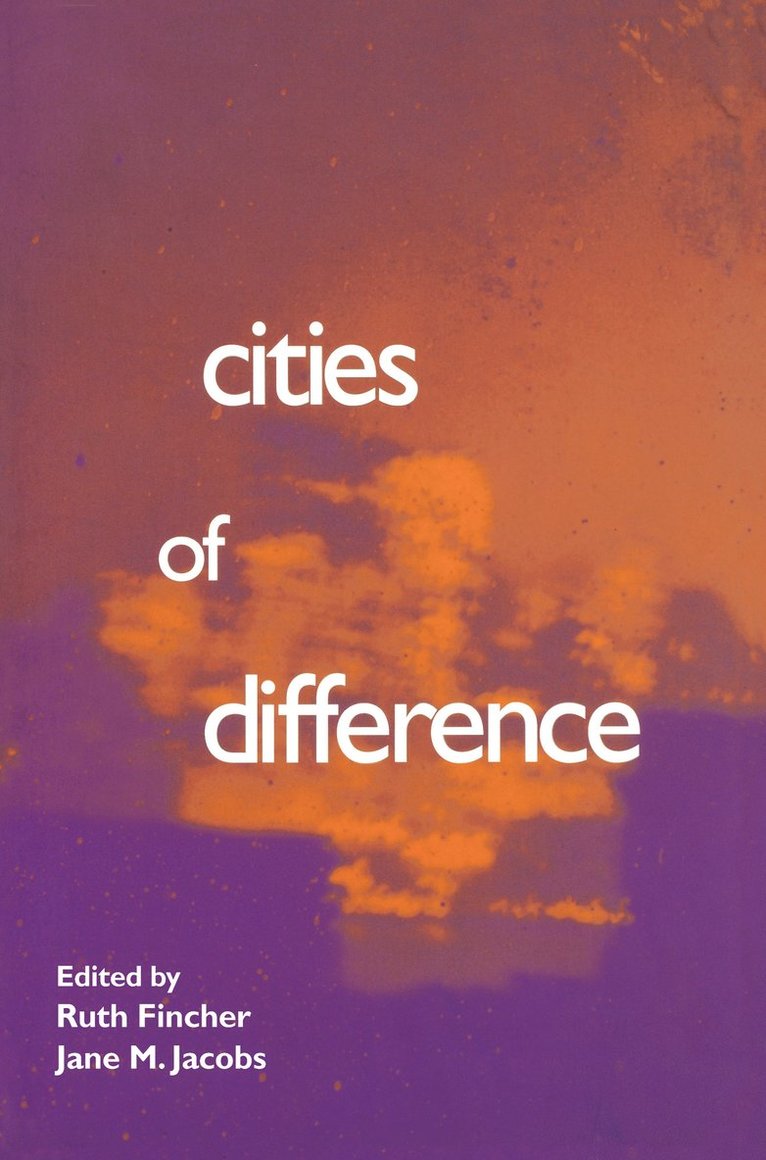
Cities of Difference
Av Ruth Fincher, Jane M. Jacobs
Häftad, 1998
692 kr
Lägg i varukorg
How can contemporary theories of difference enhance our understanding of traditional urban studies concerns such as housing, labor markets, and structures of state entitlement? What are the connections between urban space and identity politics? This provocative text provides fresh perspectives on …
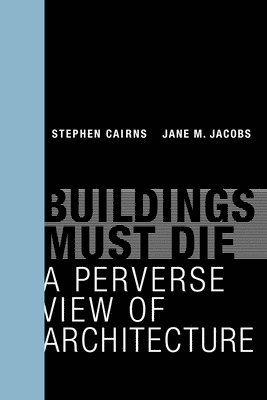
Buildings Must Die
A Perverse View of Architecture
Av Stephen Cairns, Jane M. Jacobs
Häftad, 2017
299 kr
Tillfälligt slut
Part memento mori for architecture, and part invocation to reimagine the design values that lay at the heart of its creative purpose.Buildings, although inanimate, are often assumed to have "life." And the architect, through the act of design, is assumed to be their conceiver and creator. But what …