Jane S. Gerber - Böcker
Visar alla böcker från författaren Jane S. Gerber. Handla med fri frakt och snabb leverans.
7 produkter
7 produkter
213 kr
Skickas inom 5-8 vardagar
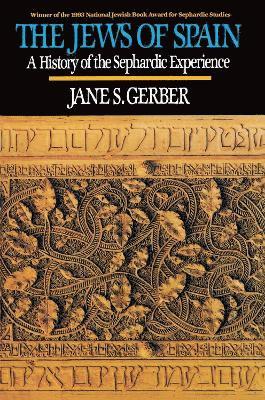
The history of the Jews of Spain is a remarkable story that begins in the remote past and continues today. For more than a thousand years, Sepharad (the Hebrew word for Spain) was home to a large Jewish community noted for its richness and virtuosity. Summarily expelled in 1492 and forced into exile, their tragedy of expulsion marked the end of one critical phase of their history and the beginning of another. Indeed, in defiance of all logic and expectation, the expulsion of the Jews from Spain became an occasion for renewed creativity. Nor have five hundred years of wandering extinguished the identity of the Sephardic Jews, or diminished the proud memory of the dazzling civilization, which they created on Spanish soil. This book is intended to serve as an introduction and scholarly guide to that history.
1 572 kr
Skickas inom 10-15 vardagar
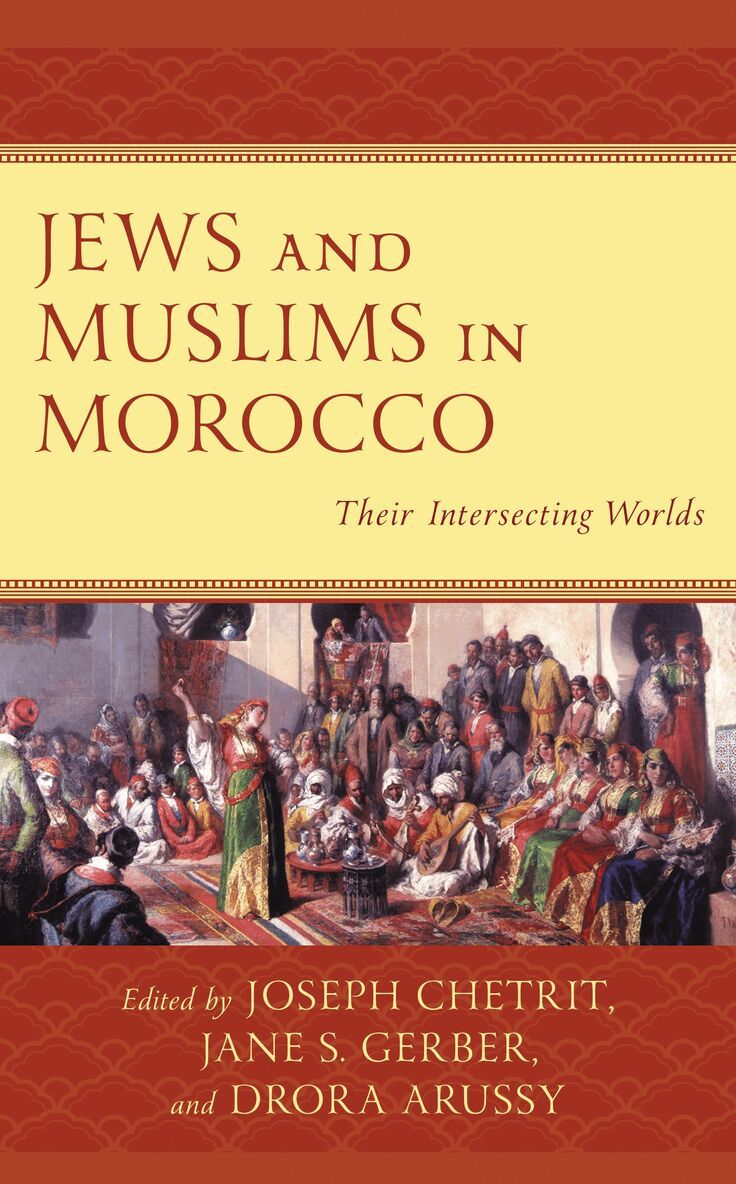
Multiple traditions of Jewish origins in Morocco emphasize the distinctiveness of Moroccan Jewry as indigenous to the area, rooted in its earliest settlements and possessing deep connections and associations with the historic peoples of the region. The creative interaction of Moroccan Jewry with the Arab and Berber cultures was noted in the Jews’ use of Morocco’s multiple languages and dialects, characteristic poetry, and musical works as well as their shared magical rites and popular texts and proverbs. In Jews and Muslims in Morocco: Their Intersecting Worlds historians, anthropologists, musicologists, Rabbinic scholars, Arabists, and linguists analyze this culture, in all its complexity and hybridity. The volume’s collection of essays span political and social interactions throughout history, cultural commonalities, traditions, and halakhic developments. As Jewish life in Morocco has dwindled, much of what is left are traditions maintained in Moroccan ex-pat communities, and memories of those who stayed and those who left. The volume concludes with shared memories from the perspective of a Jewish intellectual from Morocco, a Moroccan Muslim scholar, an analysis of a visual memoir painted by the nineteenth-century artist, Eugène Delacroix, and a photo essay of the vanished world of Jewish life in Morocco.
501 kr
Skickas inom 10-15 vardagar
Multiple traditions of Jewish origins in Morocco emphasize the distinctiveness of Moroccan Jewry as indigenous to the area, rooted in its earliest settlements and possessing deep connections and associations with the historic peoples of the region. The creative interaction of Moroccan Jewry with the Arab and Berber cultures was noted in the Jews’ use of Morocco’s multiple languages and dialects, characteristic poetry, and musical works as well as their shared magical rites and popular texts and proverbs. In Jews and Muslims in Morocco: Their Intersecting Worlds historians, anthropologists, musicologists, Rabbinic scholars, Arabists, and linguists analyze this culture, in all its complexity and hybridity. The volume’s collection of essays span political and social interactions throughout history, cultural commonalities, traditions, and halakhic developments. As Jewish life in Morocco has dwindled, much of what is left are traditions maintained in Moroccan ex-pat communities, and memories of those who stayed and those who left. The volume concludes with shared memories from the perspective of a Jewish intellectual from Morocco, a Moroccan Muslim scholar, an analysis of a visual memoir painted by the nineteenth-century artist, Eugène Delacroix, and a photo essay of the vanished world of Jewish life in Morocco.
519 kr
Skickas inom 7-10 vardagar
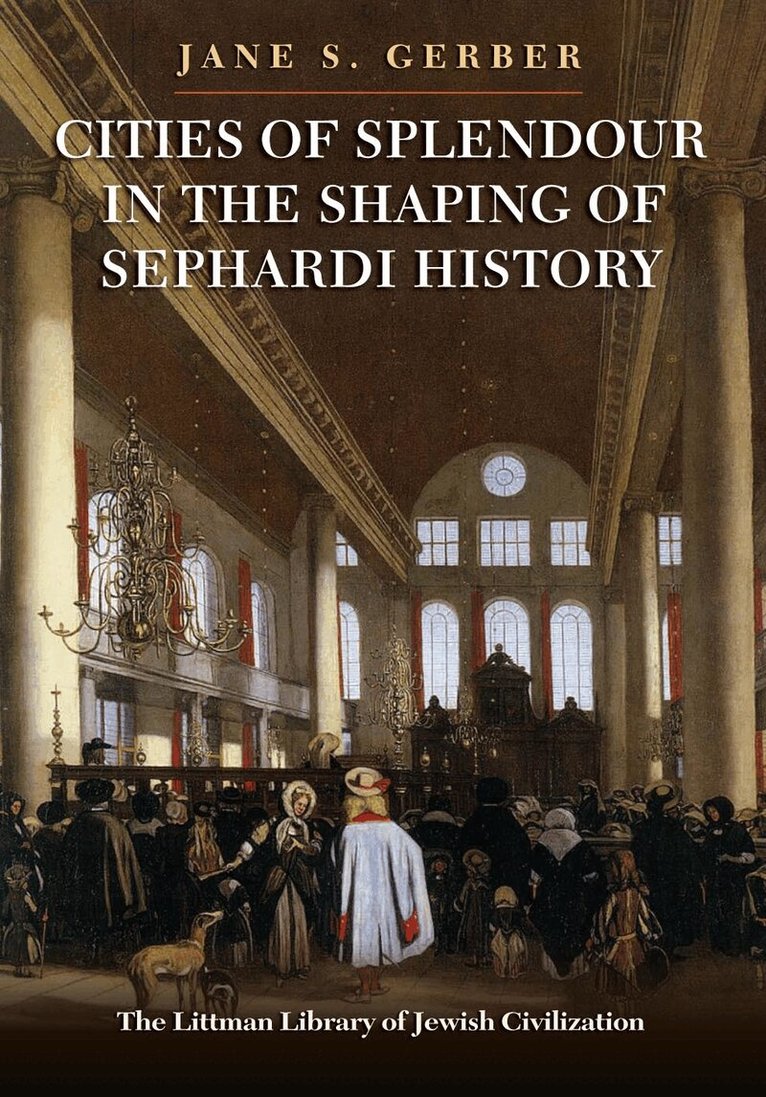
Sephardi identity hasmeant different things at different times, but has always entailed a connectionwith Spain, from which the Jews were expelled in 1492. While Sephardi Jews havelived in numerous cities and towns throughout history, certain cities had agreater impact in the shaping of their culture. This book focuses on those thatmay be considered most important, from Cordoba in the tenth century to Toledo,Venice, Safed, Istanbul, Salonica, and Amsterdam at the dawn of the seventeenthcentury. Each served as a venue in which a particular dimension of SephardiJewry either took shape or was expressed in especially intense form.Significantly, these cities were mostly heterogeneous in their population andculture—half of them under Christian rule and half under Muslim rule—and thistoo shaped the Sephardi world-view and attitude. While Sephardim cultivated adistinctive identity, they felt at home in the cultures of their adopted lands.Drawing upon a variety of both primary and secondary sources, Jane Gerberdemonstrates that Sephardi history and culture have always been multifaceted.Her interdisciplinary approach captures the many contexts in which the life ofthe Jews from Iberia unfolded, without either romanticizing the past ordiluting its reality.
733 kr
Skickas inom 7-10 vardagar
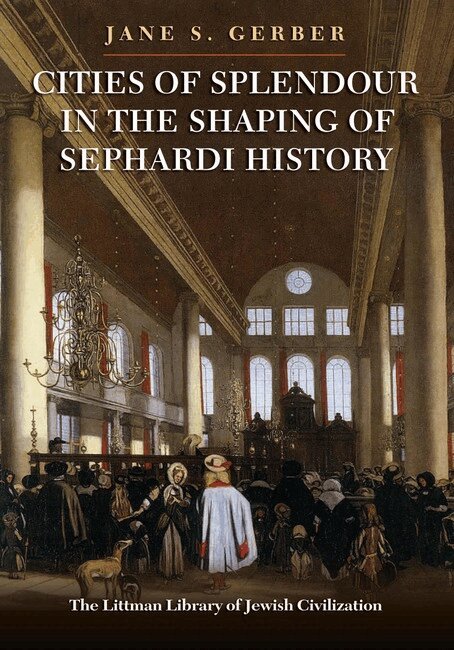
Sephardi identity has meant different things at different times, but has always entailed a connection with Spain, from which the Jews were expelled in 1492. While Sephardi Jews have lived in numerous cities and towns throughout history, certain cities had a greater impact in the shaping of their culture. This book focuses on those that may be considered most important, from Cordoba in the tenth century to Toledo, Venice, Safed, Istanbul, Salonica, and Amsterdam at the dawn of the seventeenth century. Each served as a venue in which a particular dimension of Sephardi Jewry either took shape or was expressed in especially intense form. Significantly, these cities were mostly heterogeneous in their population and culture—half of them under Christian rule and half under Muslim rule—and this too shaped the Sephardi world-view and attitude. While Sephardim cultivated a distinct identity, they felt at home in the cultures of their adopted lands. Drawing upon a variety of both primary and secondary sources, Jane Gerber demonstrates that Sephardi history and culture have always been multifaceted. Her interdisciplinary approach captures the many contexts in which the life of the Jews from Iberia unfolded, without either romanticizing the past or diluting its reality.
918 kr
Skickas inom 7-10 vardagar
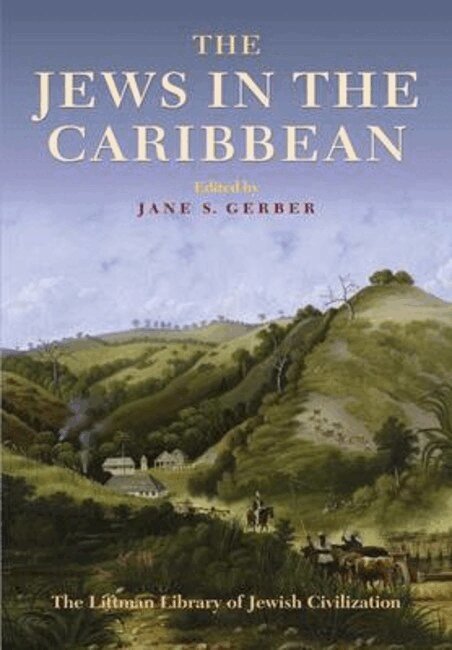
The Portuguese Jewish diaspora was born out of a double tragedy: the expulsion of the Jews from Spain in 1492 and the forced conversion/expulsion of the Jews from Portugal in 1497. The potent combination of expulsion, Inquisition, and crypto-Judaism left people neither wholly Jewish nor wholly Christian in their identity. Subsequently many left the Iberian peninsula; some found refuge in the Caribbean, but succeeded in maintaining strong connections with Portuguese Jews in western Europe, the Ottoman empire, and the Far East, while they also forged ties with the surrounding peoples and cultures.This book looks at many different aspects of this complex past. Its interdisciplinary approach allows a wealth of new information to be brought together to create a comprehensive picture. Part I sets the context, and also considers the relationship of Caribbean Jewry to European trading systems; its special ties to Amsterdam and Dutch-ruled Curaçao; and the role of Jewish merchants in Jamaica’s commerce. Part II examines the material and visual culture of Jews in the British and Dutch Caribbean, while Part III looks at Caribbean Jewish identity and heritage and their modern manifestations. Part IV contains archival studies that illuminate other subjects of importance—adventure and piracy, Jewish participation in a nineteenth-century revolt of black slaves and in the first Jamaican elections after Jews were granted the right to vote, and questions of concubinage and sexual relations between Jews and blacks. Part V moves from the local to the international, in particular the connection with mainland America.In their diversity, the contributions to this volume suggest the many ways in which the formation of the Caribbean Jewish diaspora can be understood today: as a Jewish diaspora dispersed under different European colonial empires; as a Jewish cultural entity created by a set of shared traditions and historical memories; and as one component in a web of relationships that characterized the Atlantic world. Defining it is no simple matter: like all diaspora identities it was constantly in flux, reinventing itself under changing historical circumstances.CONTRIBUTORS: Aviva Ben-Ur, Miriam Bodian, Judah M. Cohen, Eli Faber, Rachel Frankel, Noah L. Gelfand, Jane S. Gerber, Josette Capriles Goldish, Matt Goldish, Jonathan Israel, Stanley Mirvis, Gérard Nahon, Joanna Newman, Ronnie Perelis, Jackie Ranston, James Robertson, Jessica Roitman, Dale Rosengarten, Barry L. Stiefel, Hilit Surowitz-Israel, Karl Watson, Swithin Wilmot
433 kr
Skickas inom 7-10 vardagar
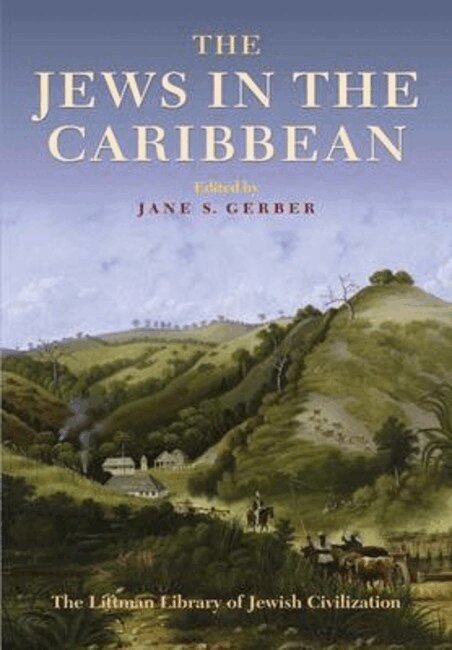
The Portuguese Jewish diaspora was born out of a double tragedy: the expulsion of the Jews from Spain in 1492 and the forced conversion/expulsion of the Jews from Portugal in 1497. The potent combination of expulsion, Inquisition, and crypto-Judaism left people neither wholly Jewish nor wholly Christian in their identity. Subsequently many left the Iberian peninsula; some found refuge in the Caribbean, but succeeded in maintaining strong connections with Portuguese Jews in western Europe, the Ottoman empire, and the Far East, while they also forged ties with the surrounding peoples and cultures.This book looks at many different aspects of this complex past. Its interdisciplinary approach allows a wealth of new information to be brought together to create a comprehensive picture. Part I sets the context, and also considers the relationship of Caribbean Jewry to European trading systems; its special ties to Amsterdam and Dutch-ruled Curaçao; and the role of Jewish merchants in Jamaica’s commerce. Part II examines the material and visual culture of Jews in the British and Dutch Caribbean, while Part III looks at Caribbean Jewish identity and heritage and their modern manifestations. Part IV contains archival studies that illuminate other subjects of importance—adventure and piracy, Jewish participation in a nineteenth-century revolt of black slaves and in the first Jamaican elections after Jews were granted the right to vote, and questions of concubinage and sexual relations between Jews and blacks. Part V moves from the local to the international, in particular the connection with mainland America.In their diversity, the contributions to this volume suggest the many ways in which the formation of the Caribbean Jewish diaspora can be understood today: as a Jewish diaspora dispersed under different European colonial empires; as a Jewish cultural entity created by a set of shared traditions and historical memories; and as one component in a web of relationships that characterized the Atlantic world. Defining it is no simple matter: like all diaspora identities it was constantly in flux, reinventing itself under changing historical circumstances.CONTRIBUTORS: Aviva Ben-Ur, Miriam Bodian, Judah M. Cohen, Eli Faber, Rachel Frankel, Noah L. Gelfand, Jane S. Gerber, Josette Capriles Goldish, Matt Goldish, Jonathan Israel, Stanley Mirvis, Gérard Nahon, Joanna Newman, Ronnie Perelis, Jackie Ranston, James Robertson, Jessica Roitman, Dale Rosengarten, Barry L. Stiefel, Hilit Surowitz-Israel, Karl Watson, Swithin Wilmot