Janet Badia - Böcker
Visar alla böcker från författaren Janet Badia. Handla med fri frakt och snabb leverans.
2 produkter
2 produkter
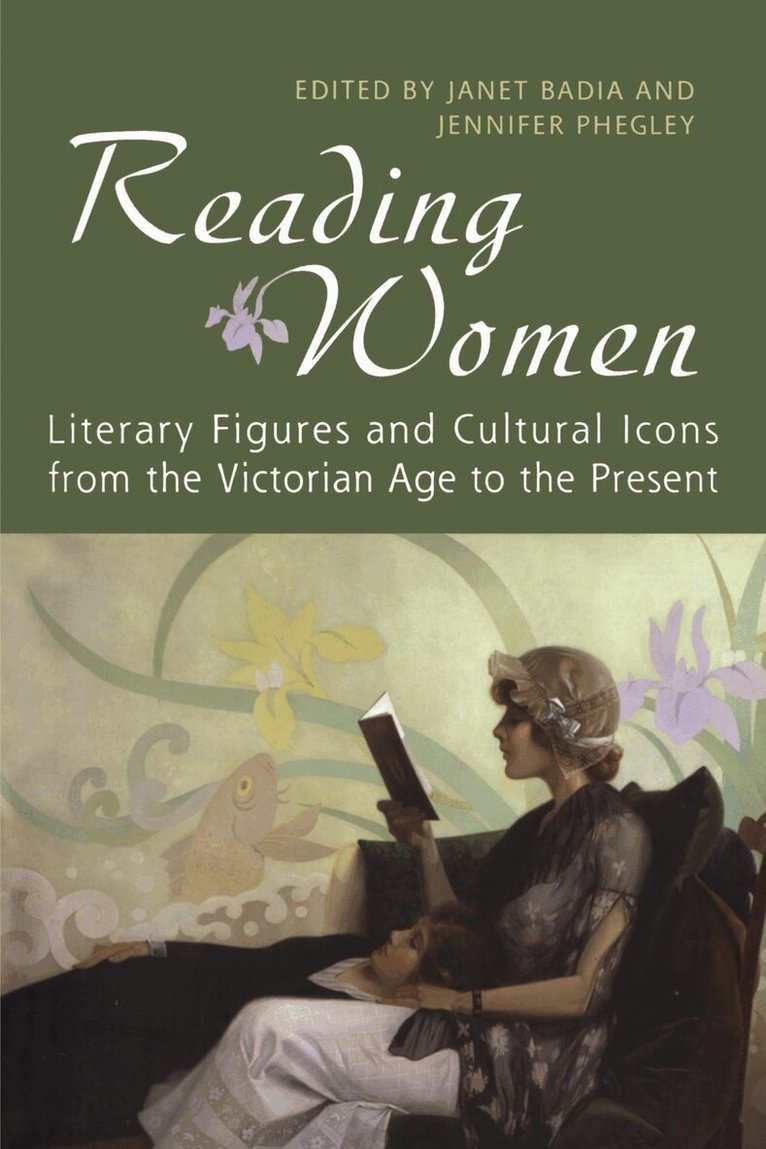
Reading Women
Literary Figures and Cultural Icons from the Victorian Age to the Present
Häftad, Engelska, 2006
475 kr
Skickas inom 7-10 vardagar
Literary and popular culture has often focused its attention on women readers, particularly since early Victorian times. In Reading Women, an esteemed group of new and established scholars provides a close study of the evolution of the woman reader by examining a wide range of nineteenth- and twentieth-century media, including Antebellum scientific treatises, Victorian paintings, and Oprah Winfrey's televised book club, as well as the writings of Charlotte Brontë, Harriet Beecher Stowe, and Zora Neale Hurston.Attending especially to what, how, and why women read, Reading Women brings together a rich array of subjects that sheds light on the defining role the woman reader has played in the formation not only of literary history, but of British and American culture. The contributors break new ground by focusing on the impact representations of women readers have had on understandings of literacy and certain reading practices, the development of book and print culture, and the categorization of texts into high and low cultural forms.
384 kr
Skickas inom 7-10 vardagar
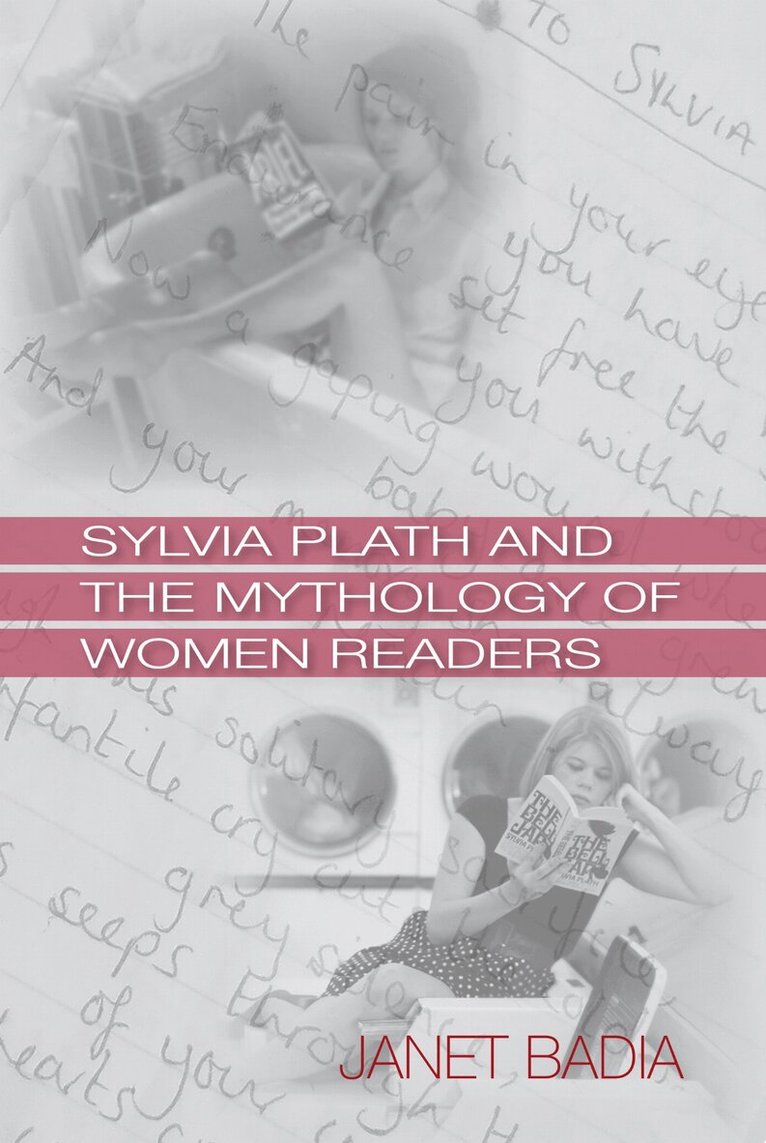
Depicted in popular films, television series, novels, poems, and countless media reports, Sylvia Plath’s women readers have become nearly as legendary as Plath herself, in large part because the depictions are seldom kind. If one is to believe the narrative told by literary and popular culture, Plath’s primary audience is a body of young, misguided women who uncritically even pathologically consume Plath’s writing with no awareness of how they harm the author’s reputation in the process.Janet Badia investigates the evolution of this narrative, tracing its origins, exposing the gaps and elisions that have defined it, and identifying it as a bullying mythology whose roots lie in a long history of ungenerous, if not outright misogynistic, rhetoric about women readers that has gathered new energy from the backlash against contemporary feminism.More than just an exposé of our cultural biases against women readers, Badia’s research also reveals how this mythology has shaped the production, reception, and evaluation of Plath’s body of writing, affecting everything from the Hughes family’s management of Plath’s writings to the direction of Plath scholarship today. Badia discusses a wide range of texts and issues whose significance has gone largely unnoticed, including the many book reviews that have been written about Plath’s publications; films and television shows that depict young Plath readers; editorials and fan tributes written about Plath; and Ted and (daughter) Frieda Hughes’s writings about Plath’s estate and audience.