Jann Pasler – Författare
Visar alla böcker från författaren Jann Pasler. Handla med fri frakt och snabb leverans.
5 produkter
5 produkter
991 kr
Skickas inom 5-8 vardagar
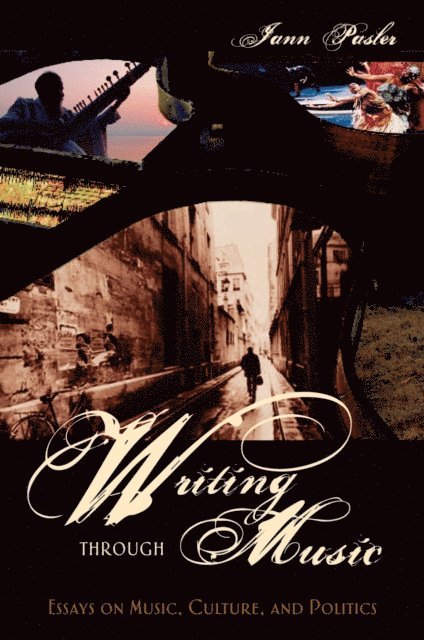
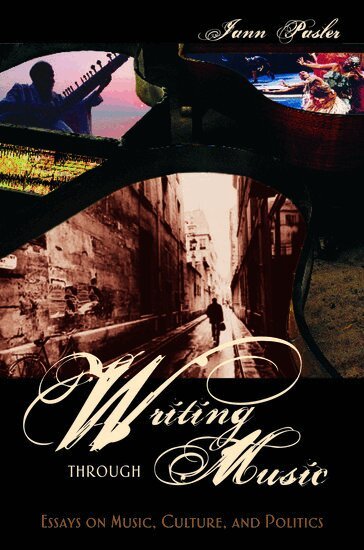
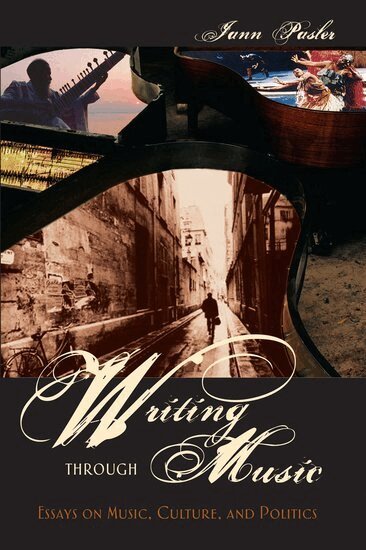
Drawing on a passion for music, a remarkably diverse interdisciplinary toolbox, and a gift for accessible language that speaks equally to scholars and the general public, Jann Pasler invites us to read as she writes "through" music, unveiling the forces that affect our sonic encounters. In an extraordinary collection of historical and critical essays, some appearing for the first time in English, Pasler deconstructs the social, moral, and political preoccupationslurking behind aesthetic taste. Arguing that learning from musical experience is vital to our understanding of past, present, and future, Pasler's work trenchantly reasserts the role of music as acrucial contributor to important public debates about who we can be as individuals, communities, and nations.The author's wide-ranging and perceptive approaches to musical biography and history challenge us to rethink our assumptions about important cultural and philosophical issues including national identity and postmodern musical hybridity, material culture, the economics of power, and the relationship between classical and popular music. Her work uncovers theself-fashioning of modernists such as Vincent d'Indy, Augusta Holmès, Jean Cocteau, and John Cage, and addresses categories such as race, gender, and class in the early 20th century in ways that resonate withexperiences today. She also explores how music uses time and constructs narrative. Pasler's innovative and influential methodological approaches, such as her notion of "question-spaces," open up the complex cultural and political networks in which music participates. This provides us with the reasons and tools to engage with music in fresh and exciting ways.In these thoughtful essays, music--whether beautiful or cacophonous, reassuring or seemingly incomprehensible--comesalive as a bearer of ideas and practices that offers deep insights into how we negotiate the world. Jann Pasler's Writing through Music brilliantly demonstrates how music can be a critical lens tofocus the contemporary critical, cultural, historical, and social issues of our time.
607 kr
Skickas inom 5-8 vardagar
Drawing on a passion for music, a remarkably diverse interdisciplinary toolbox, and a gift for accessible language that speaks equally to scholars and the general public, Jann Pasler invites us to read as she writes "through" music, unveiling the forces that affect our sonic encounters. In an extraordinary collection of historical and critical essays, some appearing for the first time in English, Pasler deconstructs the social, moral, and political preoccupations lurking behind aesthetic taste. Arguing that learning from musical experience is vital to our understanding of past, present, and future, Pasler's work trenchantly reasserts the role of music as a crucial contributor to important public debates about who we can be as individuals, communities, and nations. The author's wide-ranging and perceptive approaches to musical biography and history challenge us to rethink our assumptions about important cultural and philosophical issues including national identity and postmodern musical hybridity, material culture, the economics of power, and the relationship between classical and popular music. Her work uncovers the self-fashioning of modernists such as Vincent d'Indy, Augusta Holmès, Jean Cocteau, and John Cage, and addresses categories such as race, gender, and class in the early 20th century in ways that resonate with experiences today. She also explores how music uses time and constructs narrative. Pasler's innovative and influential methodological approaches, such as her notion of "question-spaces," open up the complex cultural and political networks in which music participates. This provides us with the reasons and tools to engage with music in fresh and exciting ways. In these thoughtful essays, music--whether beautiful or cacophonous, reassuring or seemingly incomprehensible--comes alive as a bearer of ideas and practices that offers deep insights into how we negotiate the world. Jann Pasler's Writing through Music brilliantly demonstrates how music can be a critical lens to focus the contemporary critical, cultural, historical, and social issues of our time.
1 363 kr
Skickas inom 3-6 vardagar
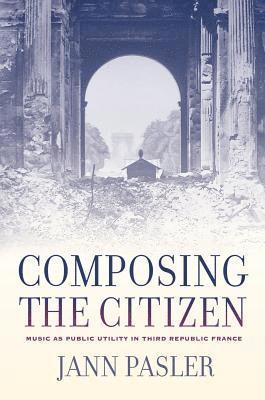
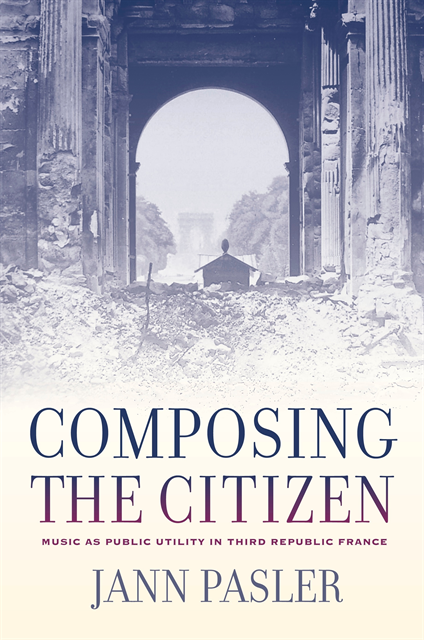
In a book that challenges modernist ideas about the value and role of music in Western society, "Composing the Citizen" demonstrates how music can help forge a nation. Deftly exploring the history of Third Republic France, Jann Pasler shows how French people from all classes and political persuasions looked to music to revitalize the country after the turbulent crises of 1871. Embraced not as a luxury but for its 'public utility', music became an object of public policy as integral to modern life as power and water, a way to teach critical judgment and inspire national pride. It helped people to forget the past, voice conflicting aspirations, and imagine a shared future. Based on a dazzling survey of archival material, Pasler's rich interdisciplinary work looks beyond elites and the histories their agendas have dominated to open new windows onto the musical tastes and practices of amateurs as well as professionals. This title presents a fascinating history of the period emerges, one rooted in political realities and the productive tensions between the political and the aesthetic.Highly evocative and deeply humanistic, "Composing the Citizen" ignites broad debates about music's role in democracy and its meaning in our lives.
903 kr
Skickas inom 7-10 vardagar
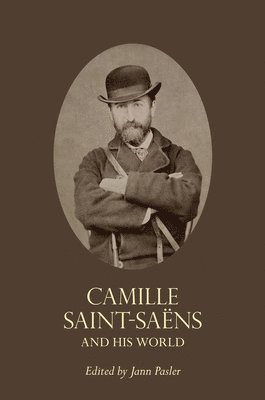
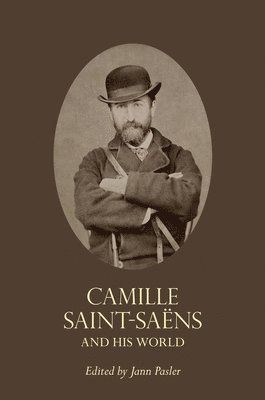
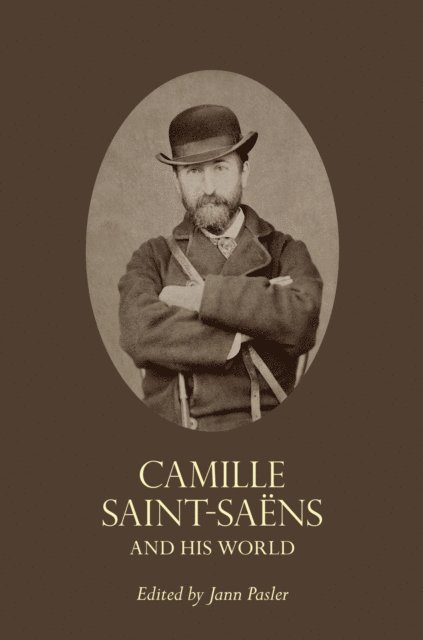
Camille Saint-Saens--perhaps the foremost French musical figure of the late nineteenth century and a composer who wrote in nearly every musical genre, from opera and the symphony to film music--is now being rediscovered after a century of modernism overshadowed his earlier importance. In a wide-ranging and trenchant series of essays, articles, and documents, Camille Saint-Saens and His World deconstructs the multiple realities behind the man and his music. Topics range from intimate glimpses of the private and playful Saint-Saens, to the composer's interest in astronomy and republican politics, his performances of Mozart and Rameau over eight decades, and his extensive travels around the world. This collection also analyzes the role he played in various musical societies and his complicated relationship with such composers as Liszt, Massenet, Wagner, and Ravel. Featuring the best contemporary scholarship on this crucial, formative period in French music, Camille Saint-Saens and His World restores the composer to his vital role as innovator and curator of Western music.The contributors are Byron Adams, Leon Botstein, Jean-Christophe Branger, Michel Duchesneau, Katharine Ellis, Annegret Fauser, Yves Gerard, Dana Gooley, Carolyn Guzski, Carol Hess, D. Kern Holoman, Leo Houziaux, Florence Launay, Stephane Leteure, Martin Marks, Mitchell Morris, Jann Pasler, William Peterson, Michael Puri, Sabina Teller Ratner, Laure Schnapper, Marie-Gabrielle Soret, Michael Stegemann, and Michael Strasser.
439 kr
Skickas inom 7-10 vardagar
Camille Saint-Saens--perhaps the foremost French musical figure of the late nineteenth century and a composer who wrote in nearly every musical genre, from opera and the symphony to film music--is now being rediscovered after a century of modernism overshadowed his earlier importance. In a wide-ranging and trenchant series of essays, articles, and documents, Camille Saint-Saens and His World deconstructs the multiple realities behind the man and his music. Topics range from intimate glimpses of the private and playful Saint-Saens, to the composer's interest in astronomy and republican politics, his performances of Mozart and Rameau over eight decades, and his extensive travels around the world. This collection also analyzes the role he played in various musical societies and his complicated relationship with such composers as Liszt, Massenet, Wagner, and Ravel. Featuring the best contemporary scholarship on this crucial, formative period in French music, Camille Saint-Saens and His World restores the composer to his vital role as innovator and curator of Western music.The contributors are Byron Adams, Leon Botstein, Jean-Christophe Branger, Michel Duchesneau, Katharine Ellis, Annegret Fauser, Yves Gerard, Dana Gooley, Carolyn Guzski, Carol Hess, D. Kern Holoman, Leo Houziaux, Florence Launay, Stephane Leteure, Martin Marks, Mitchell Morris, Jann Pasler, William Peterson, Michael Puri, Sabina Teller Ratner, Laure Schnapper, Marie-Gabrielle Soret, Michael Stegemann, and Michael Strasser.