János M. Rainer – författare
Visar alla böcker från författaren János M. Rainer. Handla med fri frakt och snabb leverans.
3 produkter
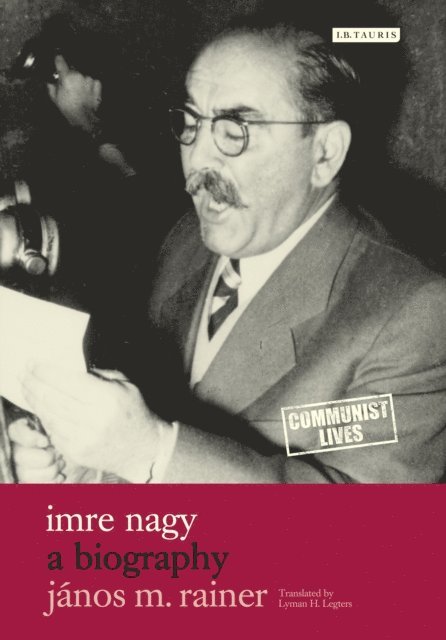
Imre Nagy
A Biography
E-bok, 2009
2247 kr
Lägg i varukorg
After nearly three decades of dutiful service to the Communist Party, Imre Nagy led the popular uprising against the Soviet authorities during the 1956 Hungarian Revolution. Two years later he was disgraced and executed. How did the formerly loyal Party servant become one of its most ardent …
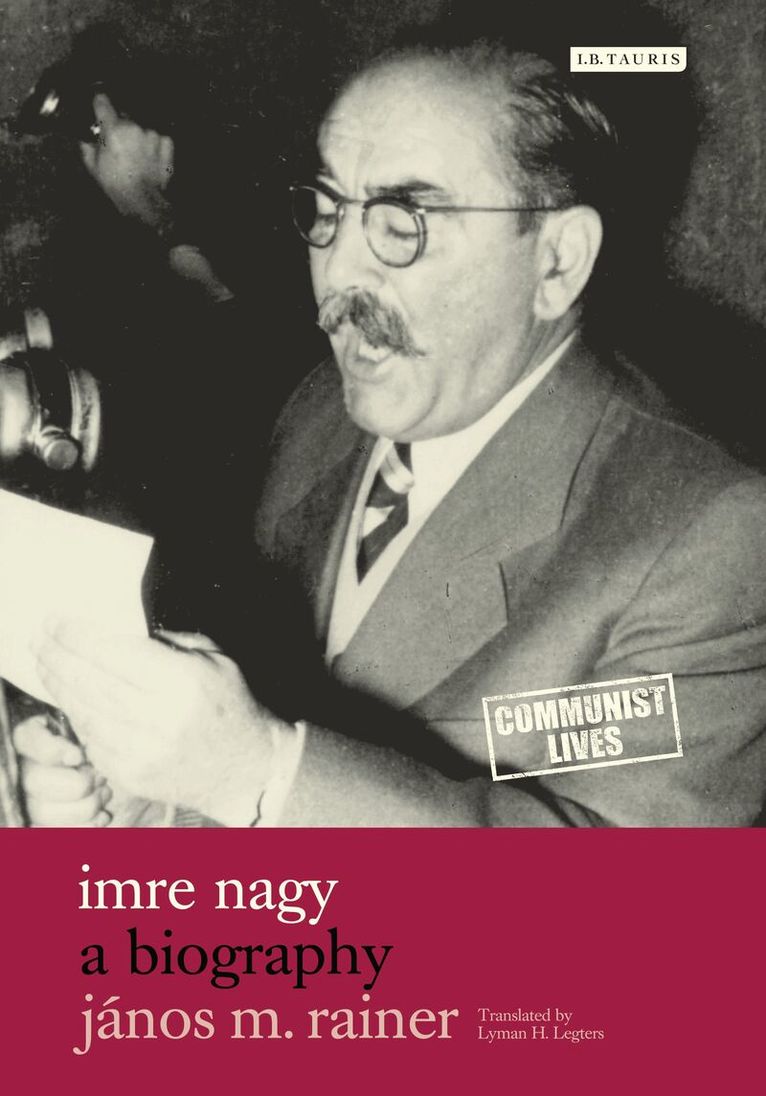
Imre Nagy
A Biography
Inbunden, 2009
2100 kr
Lägg i varukorg
After nearly three decades of dutiful service to the Communist Party, Imre Nagy led the popular uprising against the Soviet authorities during the 1956 Hungarian Revolution. Two years later he was disgraced and executed. How did the formerly loyal Party servant become one of its most ardent …
Underground Streams
National-Conservatives after World War II in Communist Hungary and Eastern Europe
Inbunden, 2023
1996 kr
Lägg i varukorg
The authors of this edited volume address the hidden attraction that existed between the extremes of left and right, and of internationalism and nationalism under the decades of communist dictatorship in Eastern Europe. One might suppose that under the suppressive regimes based on leftist ideology …