Jared McDonald - Böcker
Visar alla böcker från författaren Jared McDonald. Handla med fri frakt och snabb leverans.
6 produkter
6 produkter
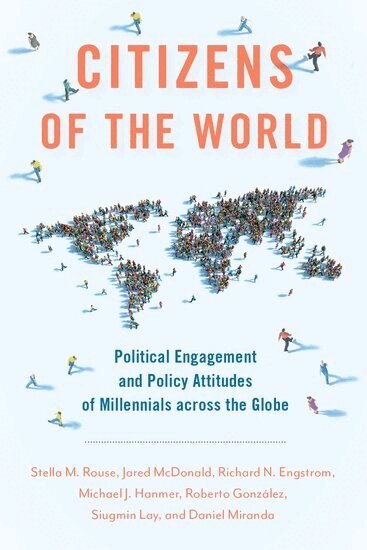
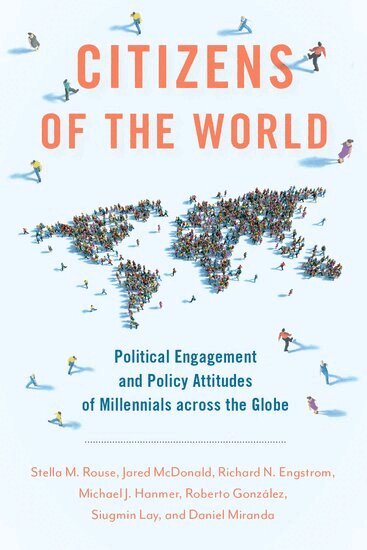
Citizens of the World
Political Engagement and Policy Attitudes of Millennials across the Globe
Inbunden, Engelska, 2022
1 200 kr
Skickas inom 7-10 vardagar
The Millennial Generation, those born between the early 1980s and the late 1990s, is the most educated, digitally connected, and globalized in the history of the world. Around the globe, this generation encompasses 1.8 billion people--a quarter of the world's population--and will soon produce a majority of the world's political, economic, and social leaders. Millennials grew up experiencing the terrorist attacks of September 11, the perpetual "war on terror", the global proliferation of the internet and smart phones, and the increased interconnectedness of people around the world. In many countries, Millennials' young adulthood has been marked by high rates of unemployment and underemployment that surpass those of their parents and grandparents, making them the first generation in the modern era to have higher rates of poverty than their predecessors at the same age. These factors afford a unique opportunity to explore how Millennial attitudes, compared to older adults, vary across different cultures, political settings, and economic circumstances. Citizens of the World examines the Millennial Generation from a comparative perspective, providing insight into the degree to which generational differences in political attitudes and behaviors transcend cultures and borders. The book looks at Millennial attitudes about family life, gender roles, institutions, politics, religion, lifestyle, and the future to better understand how or if governance will change under this generation and the degree of influence they currently wield in different countries. Key to this research is the finding that Millennials have developed a global identity that distinguishes them from older adults. Drawing on data from Australia, Chile, Mexico, New Zealand, South Africa, South Korea, the United Kingdom, and the United States, Citizens of the World shows how this global identity has developed and how it fuels Millennials' policy attitudes and willingness to engage in the political world.
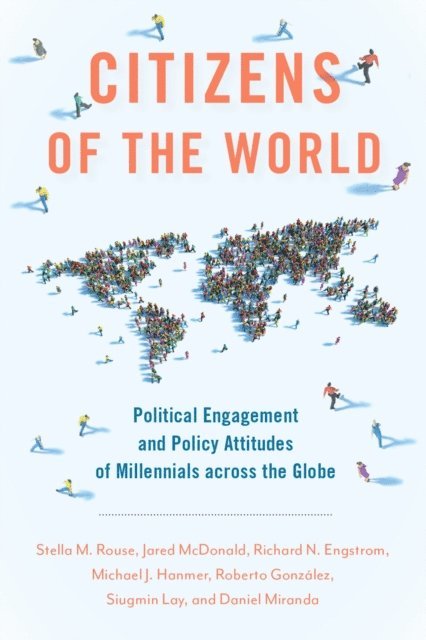
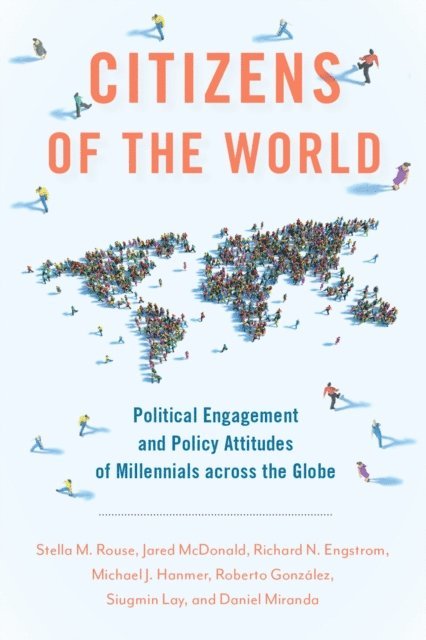
Citizens of the World
Political Engagement and Policy Attitudes of Millennials across the Globe
Häftad, Engelska, 2022
301 kr
Skickas inom 5-8 vardagar
The Millennial Generation, those born between the early 1980s and the late 1990s, is the most educated, digitally connected, and globalized in the history of the world. Around the globe, this generation encompasses 1.8 billion people--a quarter of the world's population--and will soon produce a majority of the world's political, economic, and social leaders. Millennials grew up experiencing the terrorist attacks of September 11, the perpetual "war on terror", the global proliferation of the internet and smart phones, and the increased interconnectedness of people around the world. In many countries, Millennials' young adulthood has been marked by high rates of unemployment and underemployment that surpass those of their parents and grandparents, making them the first generation in the modern era to have higher rates of poverty than their predecessors at the same age. These factors afford a unique opportunity to explore how Millennial attitudes, compared to older adults, vary across different cultures, political settings, and economic circumstances. Citizens of the World examines the Millennial Generation from a comparative perspective, providing insight into the degree to which generational differences in political attitudes and behaviors transcend cultures and borders. The book looks at Millennial attitudes about family life, gender roles, institutions, politics, religion, lifestyle, and the future to better understand how or if governance will change under this generation and the degree of influence they currently wield in different countries. Key to this research is the finding that Millennials have developed a global identity that distinguishes them from older adults. Drawing on data from Australia, Chile, Mexico, New Zealand, South Africa, South Korea, the United Kingdom, and the United States, Citizens of the World shows how this global identity has developed and how it fuels Millennials' policy attitudes and willingness to engage in the political world.
929 kr
Skickas inom 7-10 vardagar
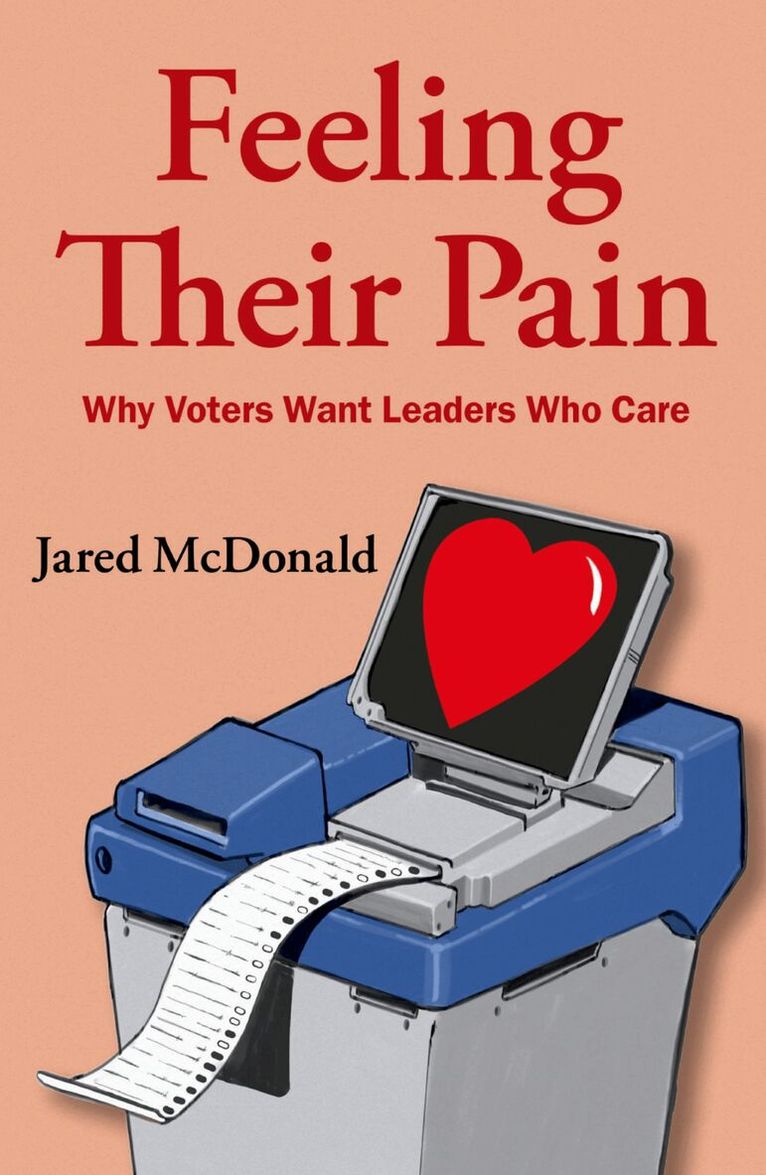
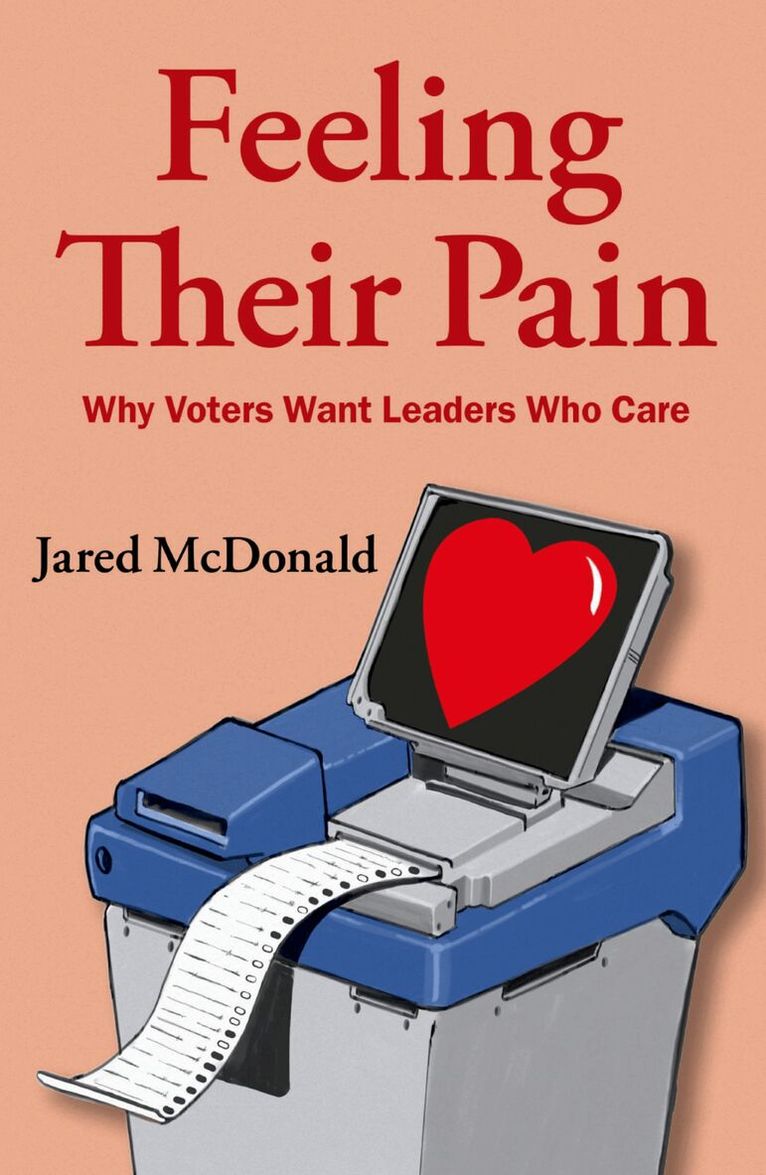
The 2020 Presidential Election in the United States marked, for many, a return to "compassionate politics." Joe Biden had run on a platform of empathy, emphasizing his personal history as a means of connecting with everyone from American workers who had lost jobs to military families who had lost loved ones. Although perceptions of candidate compassion are broadly understood to influence vote choice, less understood is the question of how candidates convince voters they truly "care about people like them." In Feeling their Pain: Why Voters want Leaders who Care, Jared McDonald provides a framework for understanding why voters view some politicians as more compassionate than others. McDonald shows that perceptions of compassion in candidates for public office are based on the number and intensity of commonalities that bind citizens to political leaders. Commonalities can come in many forms, such as a shared experience ("I've been through what you've been through"), a shared emotion ("I feel the way you feel"), or a shared identity ("I am who you are"). Compassion is conceptualized through the lens of self-interest. Compassion may be universal, such as when candidates convey empathy to all individuals who are struggling. Or compassion may be exclusionary, such as when candidates express a preference for some groups over others. Thus, the way campaigns choose to wield compassion in their messaging strategies has important implications not only for election outcomes, but for American political polarization as well.
268 kr
Skickas inom 5-8 vardagar
The 2020 Presidential Election in the United States marked, for many, a return to "compassionate politics." Joe Biden had run on a platform of empathy, emphasizing his personal history as a means of connecting with everyone from American workers who had lost jobs to military families who had lost loved ones. Although perceptions of candidate compassion are broadly understood to influence vote choice, less understood is the question of how candidates convince voters they truly "care about people like them." In Feeling their Pain: Why Voters want Leaders who Care, Jared McDonald provides a framework for understanding why voters view some politicians as more compassionate than others. McDonald shows that perceptions of compassion in candidates for public office are based on the number and intensity of commonalities that bind citizens to political leaders. Commonalities can come in many forms, such as a shared experience ("I've been through what you've been through"), a shared emotion ("I feel the way you feel"), or a shared identity ("I am who you are"). Compassion is conceptualized through the lens of self-interest. Compassion may be universal, such as when candidates convey empathy to all individuals who are struggling. Or compassion may be exclusionary, such as when candidates express a preference for some groups over others. Thus, the way campaigns choose to wield compassion in their messaging strategies has important implications not only for election outcomes, but for American political polarization as well.
2 021 kr
Skickas inom 10-15 vardagar
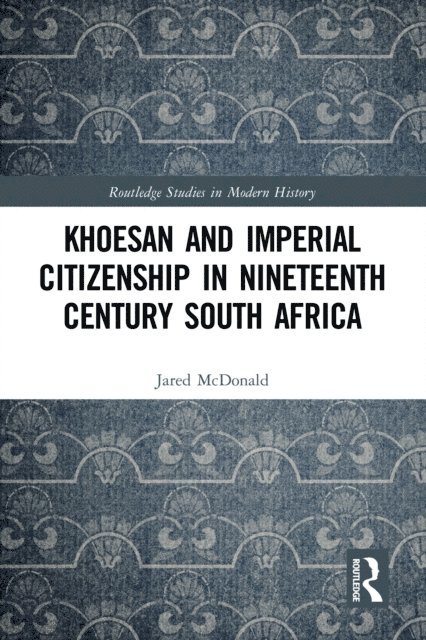
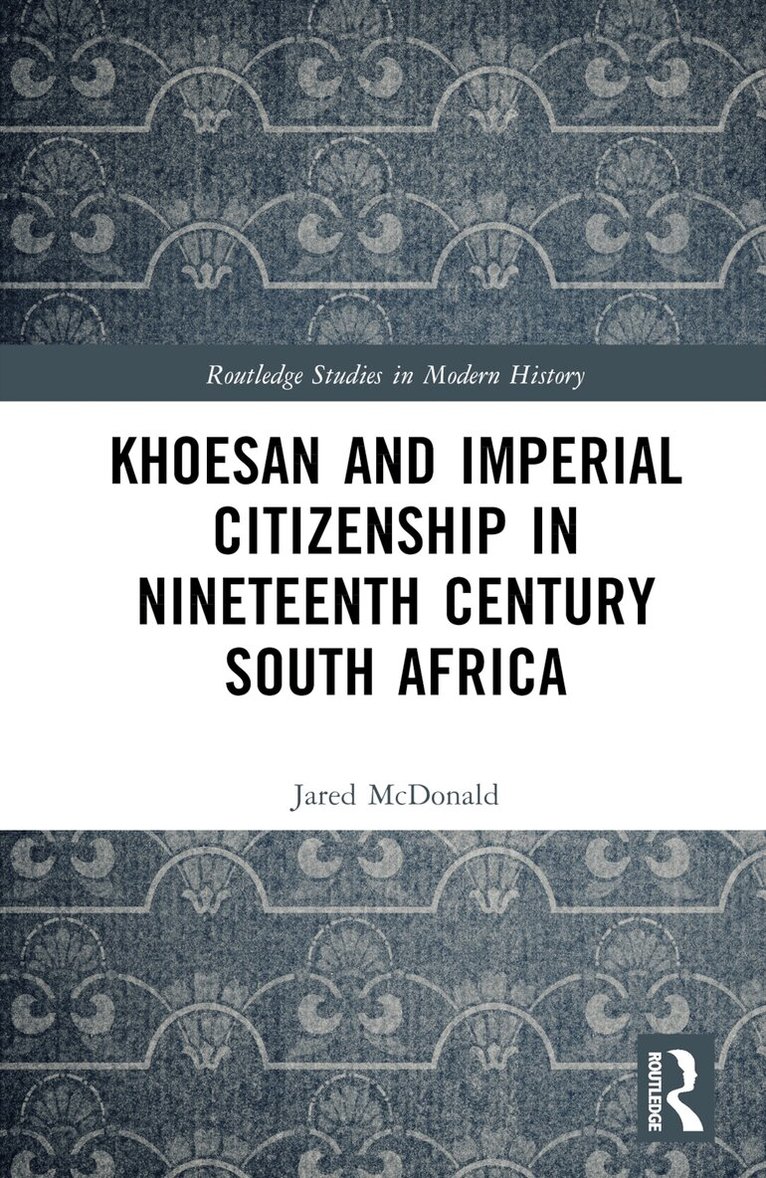
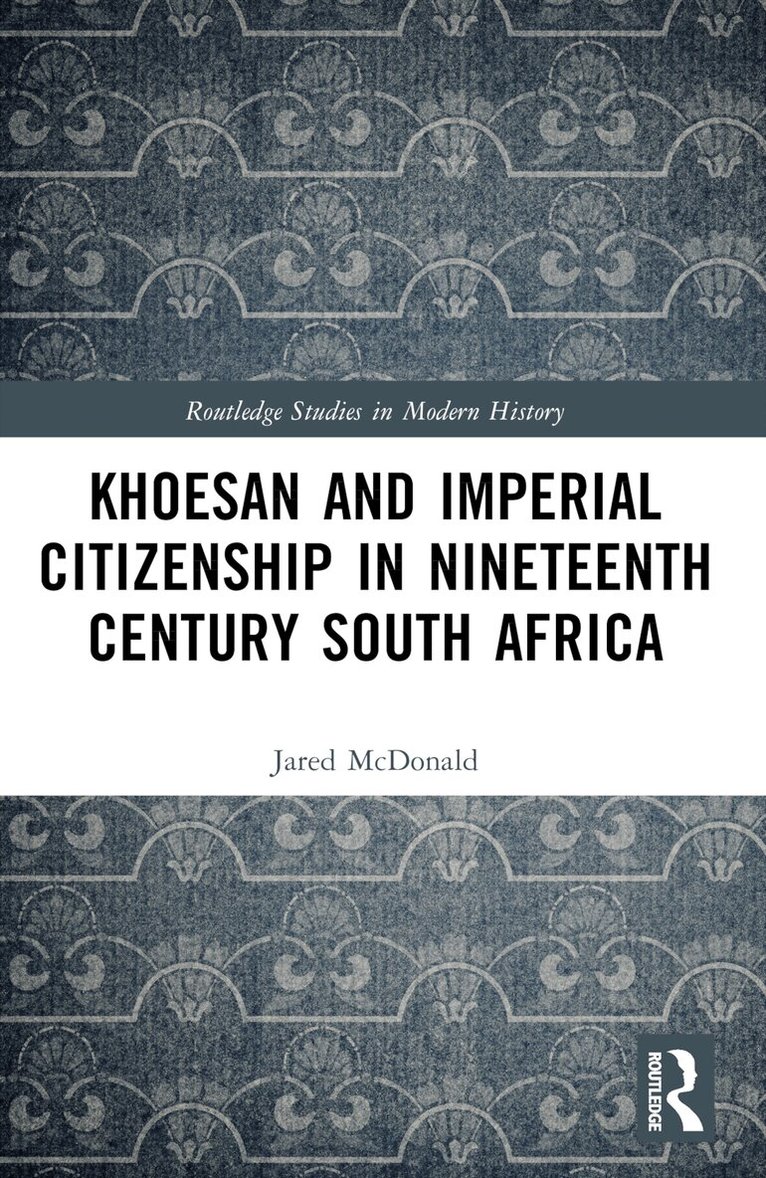
This volume explores the formative and expressive dynamics of Khoesan identity during a crucial period of incorporation as an underclass into Cape colonial society.Khoesan and Imperial Citizenship in Nineteenth Century South Africa emphasises loyalism and subjecthood – posited as imperial citizenship – as foundational aspects of Khoesan resistance to the debilitating effects of settler colonialism. The work argues that Khoesan were active in the creation of their identity as imperial citizens and that expressions of loyalty to the British Crown were reflective of a political and civic consciousness that transcended their racially defined place in Cape colonial society. Following a chronological trajectory from the mid-1790s to the late 1850s, author Jared McDonald examines the combined influences of colonial law, evangelical-humanitarianism, imperial commissions of inquiry, and the abolition of slavery as conduits for the notion of imperial citizenship. As histories and legacies of colonialism come under increasing scrutiny, the history of the Khoesan during this period highlights the complex nature of power and its imposition, and the myriad, nuanced ways in which the oppressed react, resist, and engage.This book will be of interest to scholars and students working on British imperialism in Africa, as well as histories of settler colonialism, nationalism, and loyalism.
596 kr
Skickas inom 10-15 vardagar
This volume explores the formative and expressive dynamics of Khoesan identity during a crucial period of incorporation as an underclass into Cape colonial society.Khoesan and Imperial Citizenship in Nineteenth Century South Africa emphasises loyalism and subjecthood – posited as imperial citizenship – as foundational aspects of Khoesan resistance to the debilitating effects of settler colonialism. The work argues that Khoesan were active in the creation of their identity as imperial citizens and that expressions of loyalty to the British Crown were reflective of a political and civic consciousness that transcended their racially defined place in Cape colonial society. Following a chronological trajectory from the mid-1790s to the late 1850s, author Jared McDonald examines the combined influences of colonial law, evangelical-humanitarianism, imperial commissions of inquiry, and the abolition of slavery as conduits for the notion of imperial citizenship. As histories and legacies of colonialism come under increasing scrutiny, the history of the Khoesan during this period highlights the complex nature of power and its imposition, and the myriad, nuanced ways in which the oppressed react, resist, and engage.This book will be of interest to scholars and students working on British imperialism in Africa, as well as histories of settler colonialism, nationalism, and loyalism.