Jarich Oosten – författare
Visar alla böcker från författaren Jarich Oosten. Handla med fri frakt och snabb leverans.
11 produkter
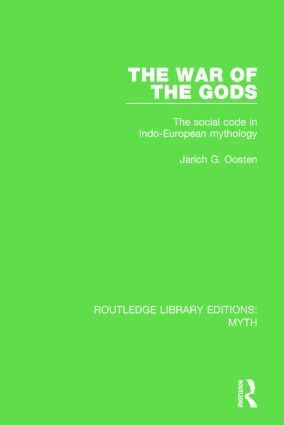
War of the Gods Pbdirect
The Social Code in Indo-European Mythology
Inbunden, 2015
2134 kr
Lägg i varukorg
This structural analysis of myth, first published in 1985, focuses on social and political problems of Indo-European mythology. Dr Jarich Oosten tells how the ancient Indo-European gods competed for supreme power and the exclusive possession of the sacred potion of wisdom and immortality. In …
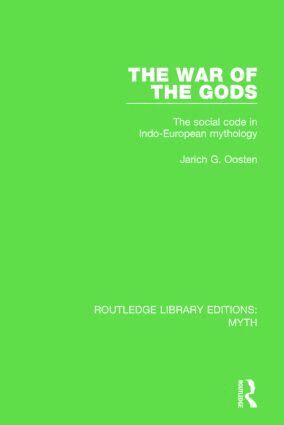
War of the Gods Pbdirect
The Social Code in Indo-European Mythology
Häftad, 2016
750 kr
Lägg i varukorg
This volume focuses on social and political problems of Indo-European mythology. It explains how the ancient Indo-European gods competed for supreme power and the exclusive possession of the sacred potion of wisdom and immortality.
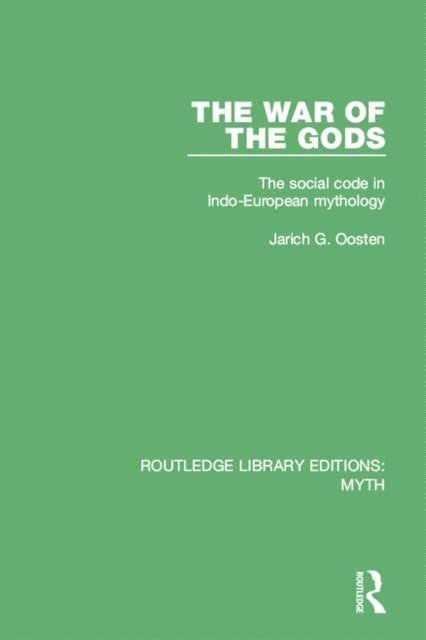
War of the Gods (RLE Myth)
The Social Code in Indo-European Mythology
E-bok, 2015
883 kr
Lägg i varukorg
This structural analysis of myth, first published in 1985, focuses on social and political problems of Indo-European mythology. Dr Jarich Oosten tells how the ancient Indo-European gods competed for supreme power and the exclusive possession of the sacred potion of wisdom and immortality. In …
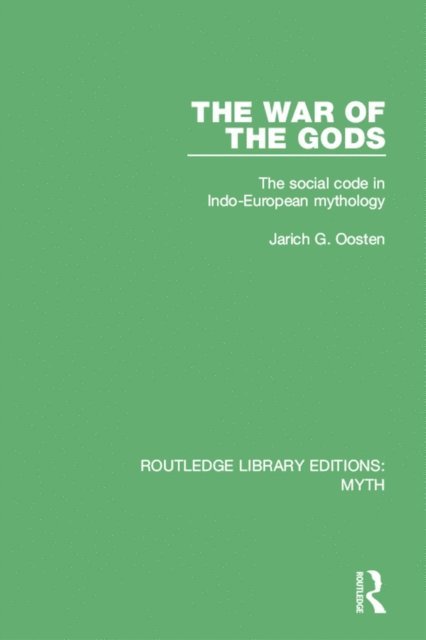
War of the Gods (RLE Myth)
The Social Code in Indo-European Mythology
E-bok, 2015
883 kr
Lägg i varukorg
This structural analysis of myth, first published in 1985, focuses on social and political problems of Indo-European mythology. Dr Jarich Oosten tells how the ancient Indo-European gods competed for supreme power and the exclusive possession of the sacred potion of wisdom and immortality. In …
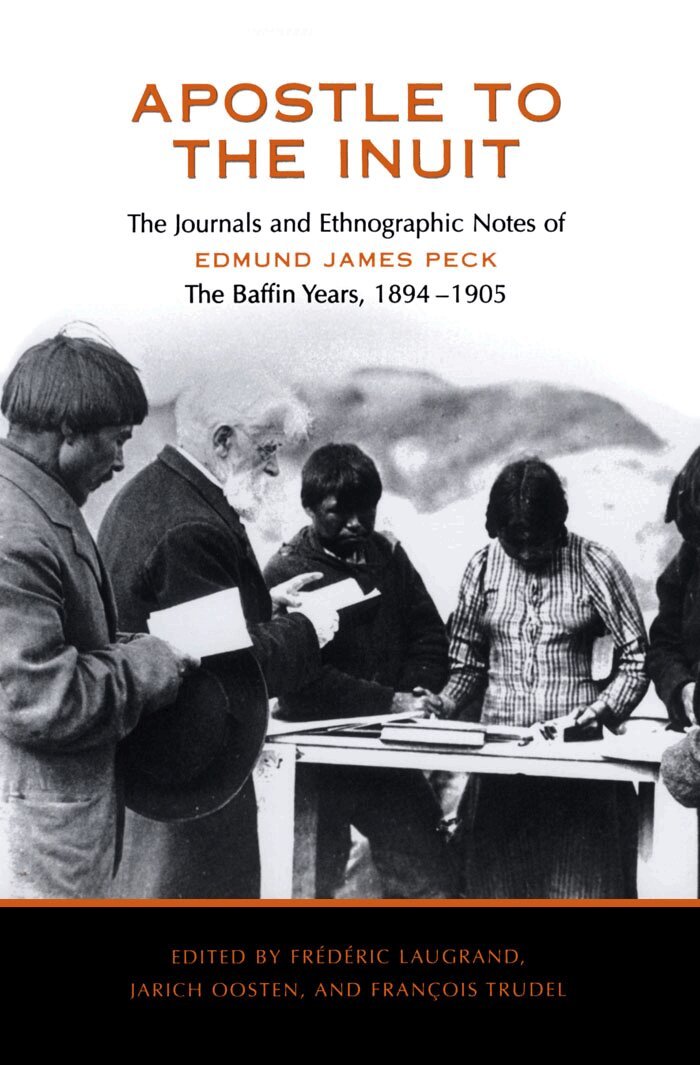
Apostle to the Inuit
The Journals and Ethnographic Notes of Edmund James Peck - the Baffin Years, 1894-1905
Av Frédéric Laugrand, Jarich Oosten m. fl.
E-bok, 2006
1505 kr
Lägg i varukorg
Apostle to the Inuit presents the journals and ethnographical notes of Reverend Edmund James Peck, an Anglican missionary who opened the first mission among the Inuit of Baffin Island in 1894. He stayed until 1905, and by that time, had firmly established Christianity in the North. He became known …
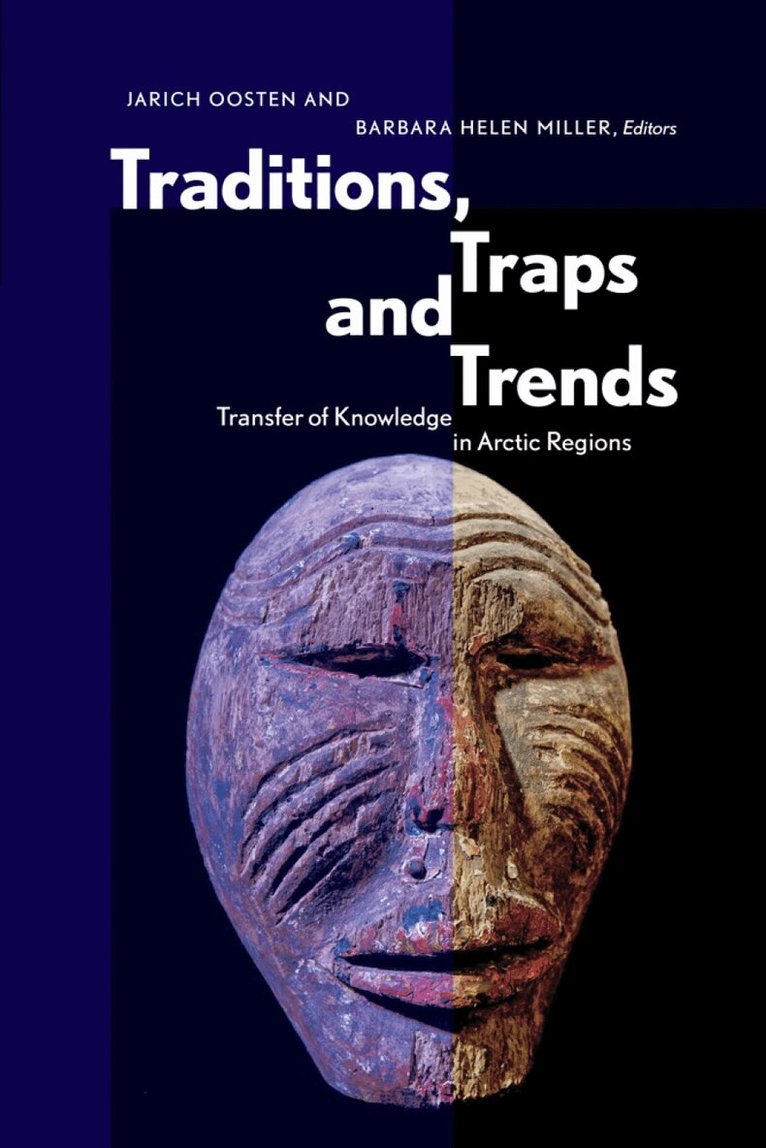
Traditions, Traps and Trends
Transfer of Knowledge in Arctic Regions
Av Jarich Oosten, Barbara Helen Miller
Häftad, 2018
430 kr
Lägg i varukorg
The transfer of knowledge is a key issue in the North as Indigenous Peoples meet the ongoing need to adapt to cultural and environmental change. In eight essays, experts survey critical issues surrounding the knowledge practices of the Inuit of northern Canada and Greenland and the Northern Sámi of …
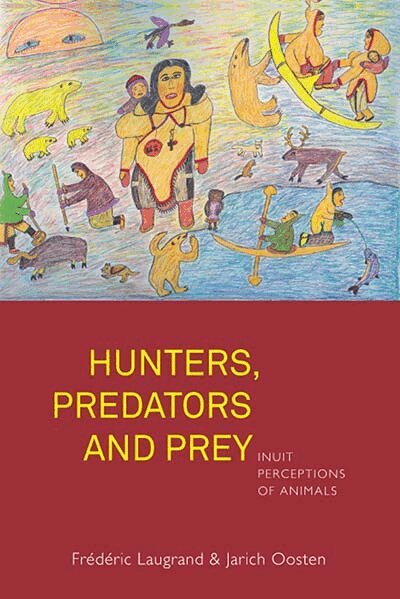
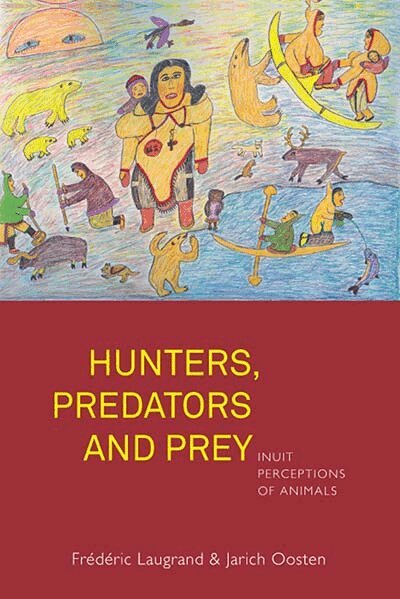
Hunters, Predators and Prey
Inuit Perceptions of Animals
Av Frédéric Laugrand, Jarich Oosten
Inbunden, 2014
2077 kr
Lägg i varukorg
Inuit hunting traditions are rich in perceptions, practices and stories relating to animals and human beings. The authors examine key figures such as the raven, an animal that has a central place in Inuit culture as a creator and a trickster, and qupirruit, a category consisting of insects and …
Hunters, Predators and Prey
Inuit Perceptions of Animals
Av Jarich Oosten, Frederic Laugrand
E-bok, 2014
374 kr
Lägg i varukorg
Inuit hunting traditions are rich in perceptions, practices and stories relating to animals and human beings. The authors examine key figures such as the raven, an animal that has a central place in Inuit culture as a creator and a trickster, and qupirruit , a category consisting of insects and …
Hunters, Predators and Prey
Inuit Perceptions of Animals
Av Frédéric Laugrand, Jarich Oosten
Häftad, 2016
601 kr
Lägg i varukorg
Inuit hunting traditions are rich in perceptions, practices and stories relating to animals and human beings. The authors examine key figures such as the raven, an animal that has a central place in Inuit culture as a creator and a trickster, and qupirruit, a category consisting of insects and …
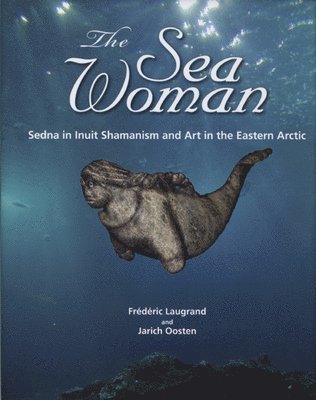
Sea Woman – Sedna in Inuit Shamanism and Art in the Eastern Arctic
Av Frédéric Laugrand, Jarich Oosten
Häftad, 2010
300 kr
Tillfälligt slut
Sea Woman
Sedna in Inuit Shamanism and Art in the Eastern Arctic
Av Frédéric Laugrand, Jarich Oosten
Inbunden, 2009
496 kr
Tillfälligt slut