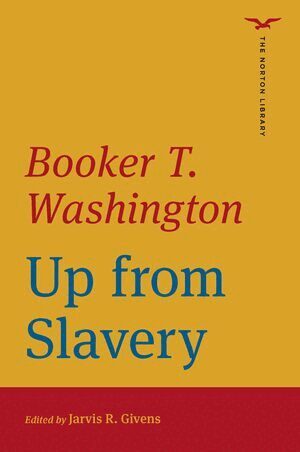
One of the foremost African American intellectual leaders of the late 19th and early 20th centuries, Booker T. Washington, an educator, author, and orator, is best known for his advocacy of black progress through education and entrepreneurship. The Norton Library edition of his seminal autobiography, Up from Slavery, features the text of the first (1901) edition, explanatory endnotes, and an introduction by Jarvis R. Givens that highlights Washington’s life and work, discusses and contextualizes his strategies for racial uplift, and invites a nuanced reading of an author often dismissed for his “conservative” ideology.
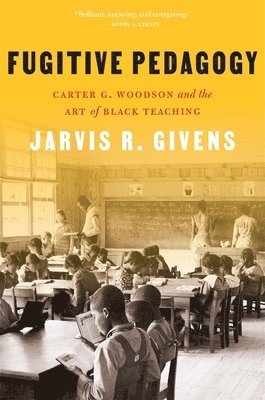
A fresh portrayal of one of the architects of the African American intellectual tradition, whose faith in the subversive power of education will inspire teachers and learners today.“As departments…scramble to decolonize their curriculum, Givens illuminates a longstanding counter-canon in predominantly black schools and colleges.”—Boston Review“Informative and inspiring…An homage to the achievement of an often-forgotten racial pioneer.”—Glenn C. Altschuler, Florida Courier“A long-overdue labor of love and analysis…that would make Woodson, the ever-rigorous teacher, proud.”—Randal Maurice Jelks, Los Angeles Review of Books“Fascinating, and groundbreaking. Givens restores Carter G. Woodson, one of the most important educators and intellectuals of the twentieth century, to his rightful place alongside figures like W. E. B. Du Bois and Ida B. Wells.”—Imani Perry, author of May We Forever Stand: A History of the Black National AnthemBlack education was subversive from its inception. African Americans pursued education through clandestine means, often in defiance of law and custom, even under threat of violence. They developed what Jarvis Givens calls a tradition of “fugitive pedagogy”—a theory and practice of Black education epitomized by Carter G. Woodson—groundbreaking historian, founder of Black History Month, and legendary educator under Jim Crow.Givens shows that Woodson succeeded because of the world of Black teachers to which he belonged. Fugitive Pedagogy chronicles his ambitious efforts to fight what he called the “mis-education of the Negro” by helping teachers and students to see themselves and their mission as set apart from an anti-Black world. Teachers, students, families, and communities worked together, using Woodson’s materials and methods as they fought for power in schools. Forged in slavery and honed under Jim Crow, the vision of the Black experience Woodson articulated so passionately and effectively remains essential for teachers and students today.
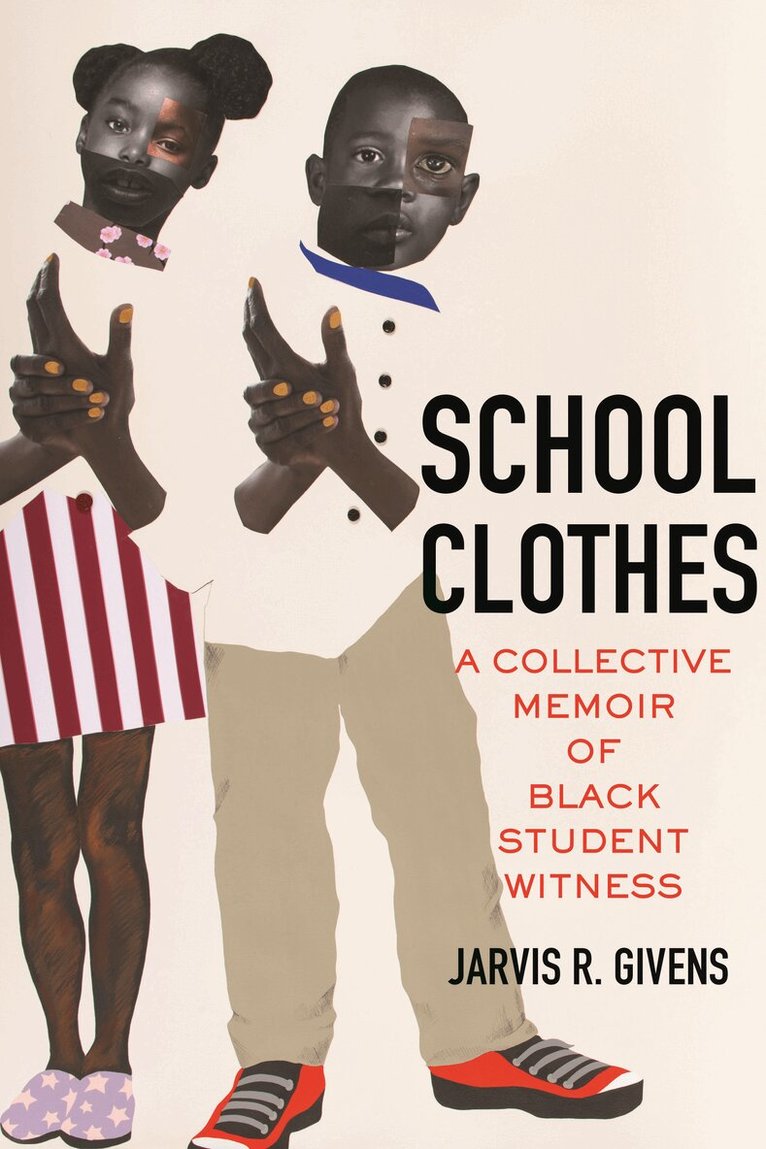
A chorus of Black student voices that renders a new story of US education—one where racial barriers and violence are confronted by freedom dreaming and resistanceBlack students were forced to live and learn on the Black side of the color line for centuries, through the time of slavery, Emancipation, and the Jim Crow era. And for just as long—even through to today—Black students have been seen as a problem and a seemingly troubled population in America’s public imagination.Through over one hundred firsthand accounts from the nineteenth and twentieth centuries, Professor Jarvis Givens offers a powerful counter-narrative in School Clothes to challenge such dated and prejudiced storylines. He details the educational lives of writers such as Zora Neale Hurston and Ralph Ellison; political leaders like Mary McLeod Bethune, Malcolm X, and Angela Davis; and Black students whose names are largely unknown but who left their marks nonetheless. Givens blends this multitude of individual voices into a single narrative, a collective memoir, to reveal a through line shared across time and circumstance: a story of African American youth learning to battle the violent condemnation of Black life and imposed miseducation meant to quell their resistance.School Clothes elevates a legacy in which Black students are more than the sum of their suffering. By peeling back the layers of history, Givens unveils in high relief a distinct student body: Black learners shaped not only by their shared vulnerability but also their triumphs, fortitude, and collective strivings.