Inbunden, Engelska, 2026
1 426 kr
Skickas inom 10-15 vardagar
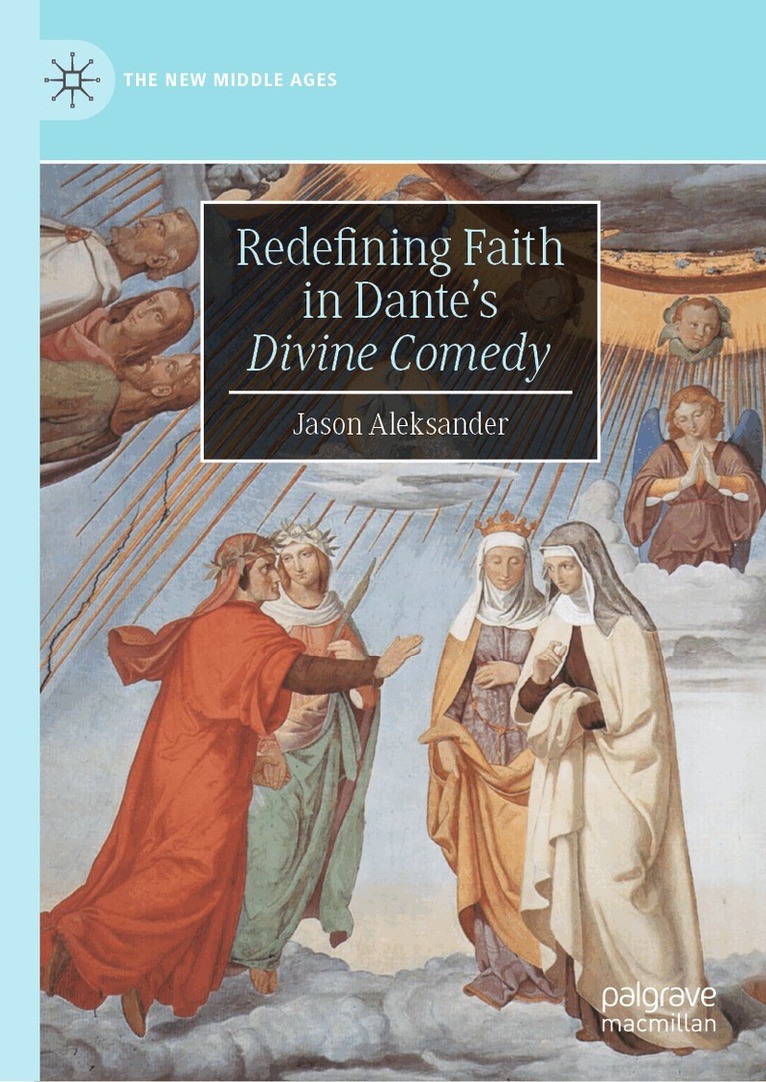
Redefining Faith in Dante’s "Divine Comedy" offers a bold reinterpretation of one of the world’s most studied poems. Through close readings of all three canticles, Jason Aleksander shows how Dante’s poem provocatively reconfigures “faith” as a mode of creative and interpretive engagement grounded in the exercise of practical judgment (phronēsis) and intellectual humility. Drawing on Dante’s dramatic depictions of figures such as Farinata degli Uberti, Ulysses, Cato of Utica, Statius, Virgil, and Beatrice, Aleksander shows how the poem both illustrates and actively cultivates the virtues necessary for navigating a fragmented and polarized world.Weaving together intellectual history, literary analysis, and sustained engagement with pagan, Christian, and Islamic philosophical traditions, the book traces how Dante’s poem dramatizes and provokes reflection on theological concepts such as heresy, salvation, personal immortality, atonement, and freedom of will. In doing so, Redefining Faith in Dante’s Divine Comedy offers a compelling account of how Dante’s vision invites us to read—and to live—with greater attentiveness, responsibility, and openness to the possibility of personal transformation.This book will appeal to scholars and students of Dante, medieval and Renaissance philosophy and theology, philosophical hermeneutics, and anyone interested in how literature stimulates ethical imagination.