Jason Barr - Böcker
Visar alla böcker från författaren Jason Barr. Handla med fri frakt och snabb leverans.
6 produkter
6 produkter
262 kr
Skickas inom 5-8 vardagar
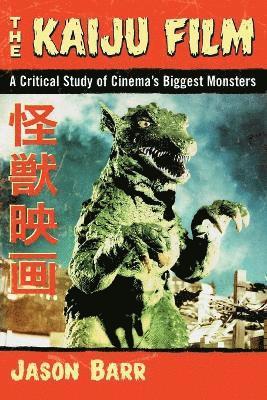
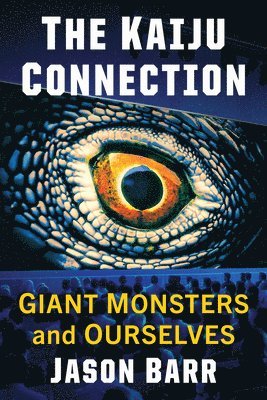
The Kaiju (strange monster or strange beast) film genre has a number of themes that go well beyond the "big monsters stomping on cities" motif. Since the seminal King Kong 1933) and the archetypal Godzilla (1954), kaiju has mined the subject matter of science run amok, militarism, capitalism, colonialism, consumerism and pollution.This critical examination of kaiju considers the entirety of the genre--the major franchises, along with less well known films like Kronos (1957), Monsters (2010) and Pacific Rim (2013). The author examines how kaiju has crossed cultures from its original folkloric inspirations in both the U.S. and Japan and how the genre continues to reflect national values to audiences.
1 544 kr
Skickas inom 10-15 vardagar
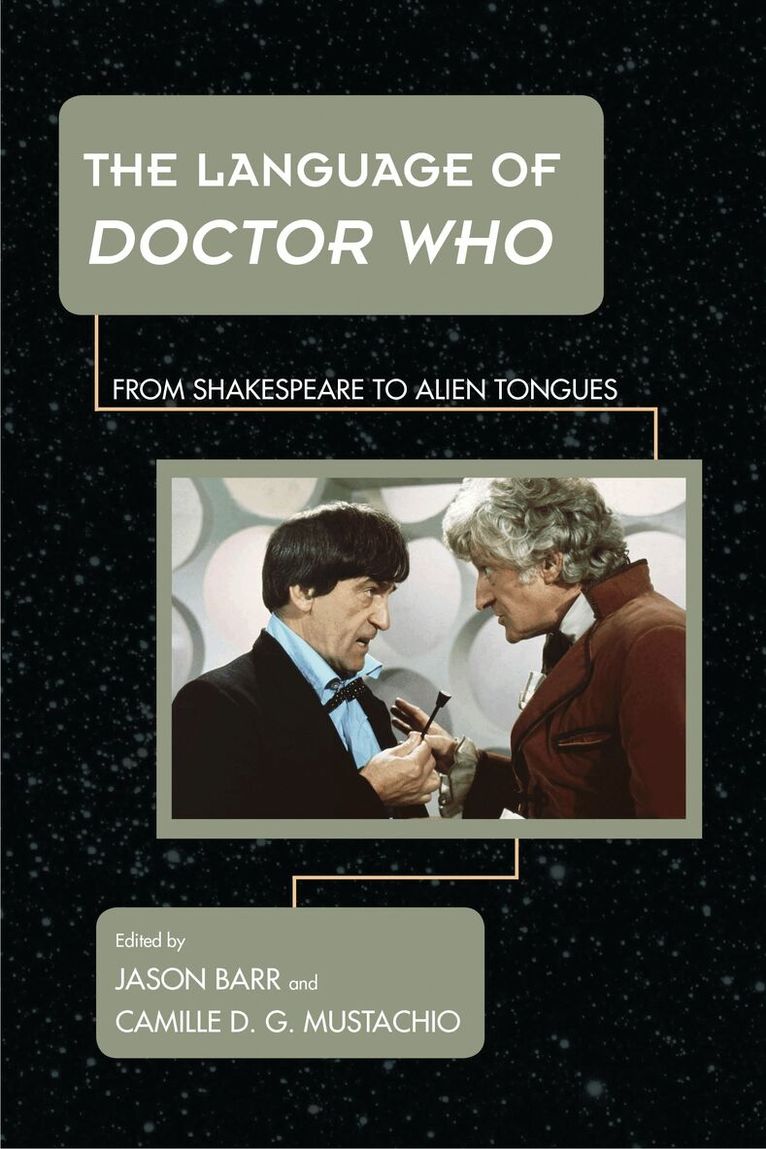
In a richly developed fictional universe, Doctor Who, a wandering survivor of a once-powerful alien civilization, possesses powers beyond human comprehension. He can bend the fabric of time and space with his TARDIS, alter the destiny of worlds, and drive entire species into extinction. The good doctor’s eleven “regenerations” and fifty years’ worth of adventures make him the longest-lived hero in science-fiction television.In The Language of Doctor Who: From Shakespeare to Alien Tongues, Jason Barr and Camille D. G. Mustachio present several essays that use language as an entry point into the character and his universe. Ranging from the original to the rebooted television series—through the adventures of the first eleven Doctors—these essays explore how written and spoken language have been used to define the Doctor’s ever-changing identities, shape his relationships with his many companions, and give him power over his enemies—even the implacable Daleks. Individual essays focus on fairy tales, myths, medical-travel narratives, nursery rhymes, and, of course, Shakespeare. Contributors consider how the Doctor’s companions speak with him through graffiti, how the Doctor himself uses postmodern linguistics to communicate with alien species, and how language both unites and divides fans of classic Who and new Who as they try to converse with each other.Broad in scope, innovative in approach, and informed by a deep affection for the program, TheLanguage of Doctor Whowill appeal to scholars of science fiction, television, and language, as well as to fans looking for a new perspective on their favorite Time Lord.
533 kr
Skickas inom 5-8 vardagar
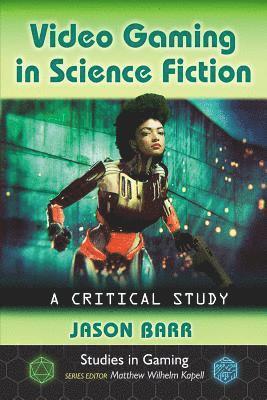
As video gaming and gaming culture became more mainstream in the 1970s, science fiction authors began to incorporate aspects of each into their work. This study examines how media-fueled paranoia about video gaming--first emerging almost fifty years ago--still resonates in modern science fiction. The author reveals how negative stereotypes of gamers and gaming have endured in depictions of modern gamers in the media and how honest portrayals are still wanting, even in the "forward thinking" world of science fiction.
464 kr
Skickas inom 5-8 vardagar
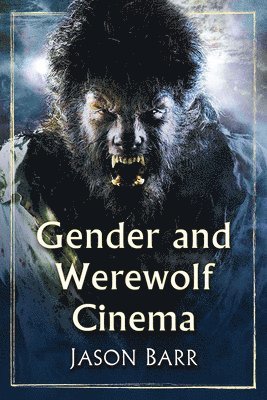
It all begins with a howl, the unsettling sound which tells audiences that someone will soon become a werewolf. But the changes that occur during that transformation aren't just physical; they are psychological as well. Unremarkable men become domineering leaders. Innocuous men become violent and overtly sexual. In films from The Wolf Man and An American Werewolf in London to Ginger Snaps, when the protagonists become werewolves, their perceptions of their gender and their masculinity or femininity change dramatically.This volume explores how werewolves in cinema have provided an avenue for frank and often enlightening conversations about gender roles and masculinity. Werewolves are indeed a harbinger of change, but the genre of werewolf cinema itself has changed over time in how different styles of masculinity and different gender identities are portrayed.
247 kr
Skickas inom 5-8 vardagar
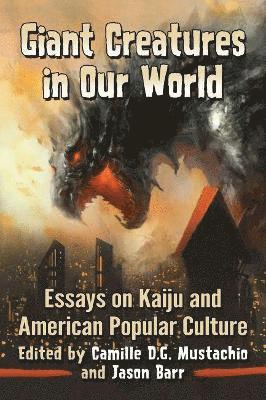
Dismissed as camp by critics but revered by fans, the kaiju or "strange creature" film has become an iconic element of both Japanese and American pop culture. From homage to parody to advertising, references to Godzilla--and to a lesser extent Gamera, Rodan, Ultraman and others--abound in entertainment media. Godzilla in particular is so ubiquitous, his name is synonymous with immensity and destruction.In this collection of new essays, contributors examine kaiju representations in a range of contexts and attempt to define this at times ambiguous genre.
492 kr
Skickas inom 5-8 vardagar
What makes a kaiju a kaiju? What makes an ape a large ape, and why do we sympathize with some, such as King Kong, and not with others, such as Konga? And what makes a giant person become a "monster"? This book provides a new perspective on kaiju and reveals that our boundaries for the genre are perhaps not so solid.This work focuses primarily on newer kaiju works, ranging from Colossal to Shin Godzilla to Godzilla vs. Kong, but also touches on classics such as King Kong, Mighty Joe Young, Godzilla Raids Again, and lesser-known works such as What to Do With the Dead Kaiju? and Agon.Like our ancestors we have collectively adopted giant monsters into our culture, especially our pop culture. Within the domains where giant monsters walk, we experience the rigidity of our moral structures, and the fleeting borders of our definitions of humanity. Within the kaiju film genre rest our own assumptions about what makes a monster a monster, and, more importantly, what makes a human a human.