Jason M. Morgan - Böcker
Visar alla böcker från författaren Jason M. Morgan. Handla med fri frakt och snabb leverans.
3 produkter
3 produkter
2 160 kr
Skickas inom 10-15 vardagar
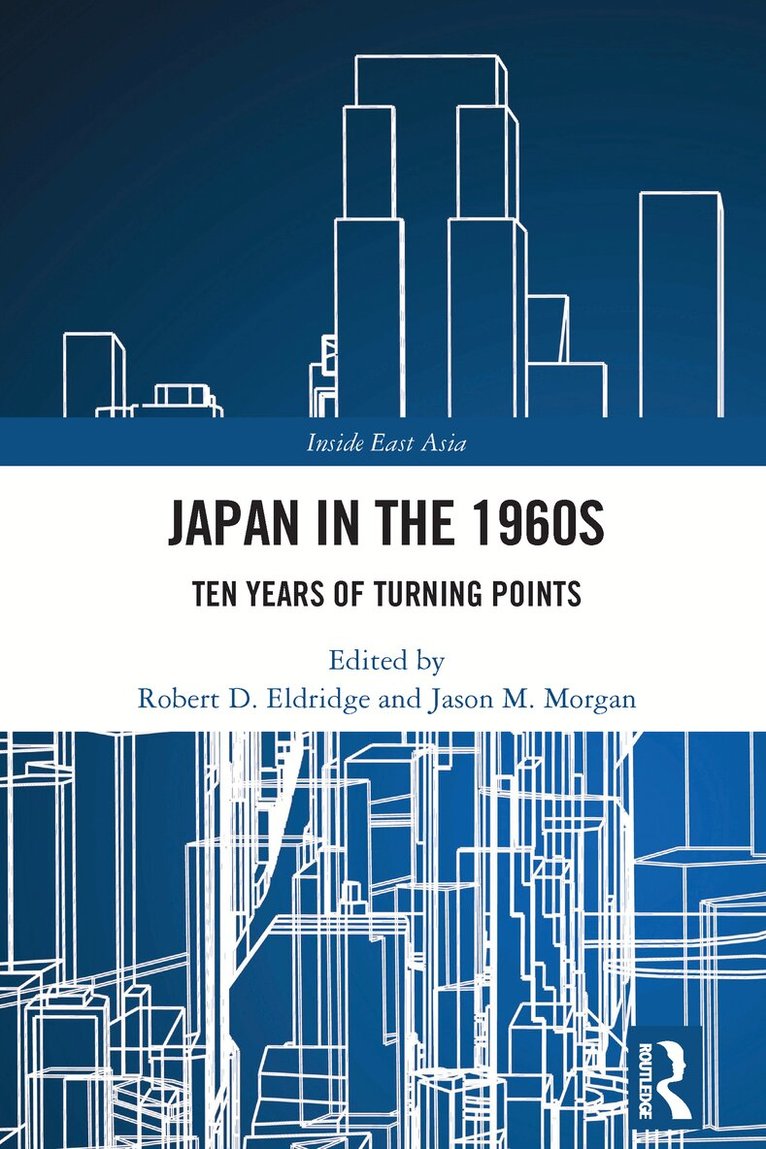
Eldridge and Morgan set a new paradigm for East Asian contemporary historiography by viewing the decade of the 1960s as hermeneutically powerful. From street battles over Japan’s security treaty with the United States, to a peace treaty with the former Japanese territory of South Korea, to Japan’s hosting the 1964 Summer Olympics, the 1960s in Japan was a decade of turning points. This book is the first to see the 1960s as a historical subject in its own right and argues that the specificity and internal complexity rooted in East Asia during this period showed how East Asians were dynamic agents in shaping the decade. In this volume, contributors consider Japanese responses to a 1961 coup in the Republic of Korea; the Satō Eisaku administration’s approach to nuclear deterrence and to the question of Okinawa’s return from American control; U.S.-Japan intellectual exchange during the Cold War; support by Japanese businesspeople for the Self-Defense Forces; the “soft power” of Japanese cinema in the 1960s; Japan’s understanding of 1960s United Nations peacekeeping operations; changes in “national polity” discourse in the 1960s; the Dalai Lama’s 1967 visit to Japan; economic development in and cultural exchange between 1960s Japan and Spain; Japan’s science and technology interactions with the United States; and the earliest known, and suspected, cases of North Korean abduction of Japanese citizens. Much of the information in this volume has never appeared in English before.This is an important volume for historians, political scientists, sociologists, and other scholars specializing in the twentieth century and those interested in cutting-edge history-writing about a transformative 10-year period in East Asia.
652 kr
Skickas inom 10-15 vardagar
Eldridge and Morgan set a new paradigm for East Asian contemporary historiography by viewing the decade of the 1960s as hermeneutically powerful. From street battles over Japan’s security treaty with the United States, to a peace treaty with the former Japanese territory of South Korea, to Japan’s hosting the 1964 Summer Olympics, the 1960s in Japan was a decade of turning points. This book is the first to see the 1960s as a historical subject in its own right and argues that the specificity and internal complexity rooted in East Asia during this period showed how East Asians were dynamic agents in shaping the decade. In this volume, contributors consider Japanese responses to a 1961 coup in the Republic of Korea; the Satō Eisaku administration’s approach to nuclear deterrence and to the question of Okinawa’s return from American control; U.S.-Japan intellectual exchange during the Cold War; support by Japanese businesspeople for the Self-Defense Forces; the “soft power” of Japanese cinema in the 1960s; Japan’s understanding of 1960s United Nations peacekeeping operations; changes in “national polity” discourse in the 1960s; the Dalai Lama’s 1967 visit to Japan; economic development in and cultural exchange between 1960s Japan and Spain; Japan’s science and technology interactions with the United States; and the earliest known, and suspected, cases of North Korean abduction of Japanese citizens. Much of the information in this volume has never appeared in English before.This is an important volume for historians, political scientists, sociologists, and other scholars specializing in the twentieth century and those interested in cutting-edge history-writing about a transformative 10-year period in East Asia.
Remilitarized Zone
How a Communist Hoax about Comfort Women Canceled Academic Freedom, Shredded the Ties Between Japan and South Korea, and Upended both of Our Lives
Inbunden, Engelska, 2024
280 kr
Skickas inom 5-8 vardagar
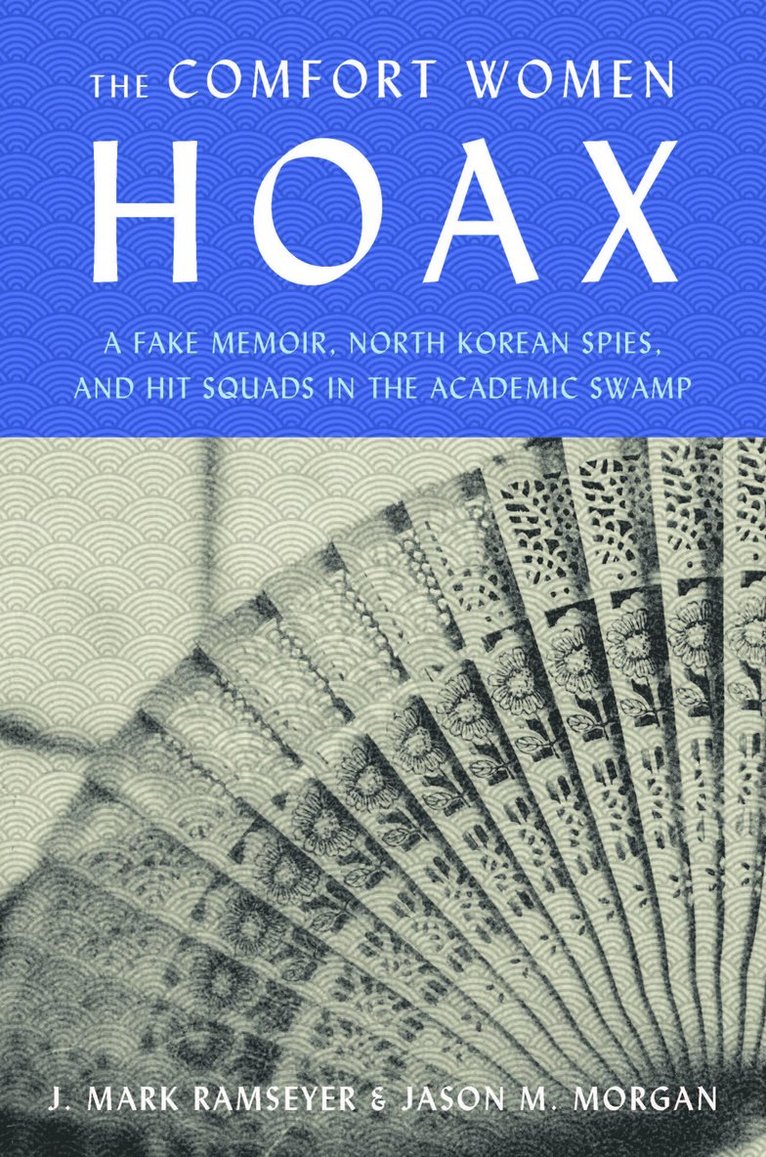
During World War II, the Japanese military extended Japan’s civilian licensing regime for domestic brothels to those next to its overseas bases. It did so for a simple reason: to impose the strenuous health standards necessary to control the venereal disease that had debilitated its troops in earlier wars. In turn, these brothels (dubbed "comfort stations") recruited prostitutes through variations on the standard indenture contracts used by licensed brothels in both Korea and Japan.The party line in Western academia, though, is that these “comfort women” were dragooned into sex slavery at bayonet point by Japanese infantry. But, as the authors of this book show, that narrative originated as a hoax perpetrated by a Japanese communist writer in the 1980s. It was then spread by a South Korean organization with close ties to the Communist North.Ramseyer and Morgan discuss how these women really came to be in Japanese military comfort stations. Some took the jobs because they were tricked by fraudulent recruiters. Some were under pressure from abusive parents. But the rest of the women seem to have been driven by the same motivation as most prostitutes throughout history: want of money. Indeed, the notion that these comfort women became prostitutes by any other means has no basis in documentary history.Ramseyer and Morgan’s findings caused a firestorm in Japanese Studies academia. For explaining that the women became prostitutes of their own volition, both authors of this book found themselves “cancelled.”In this book, the authors detail both the history of the comfort women and their own persecution by academic peers. Only in the West—and only through brutal stratagems of censorship and ostracism—has the myth of bayonet-point conscription survived.