Jason Mazzone – författare
Visar alla böcker från författaren Jason Mazzone. Handla med fri frakt och snabb leverans.
2 produkter
2 produkter
314 kr
Skickas inom 10-15 vardagar
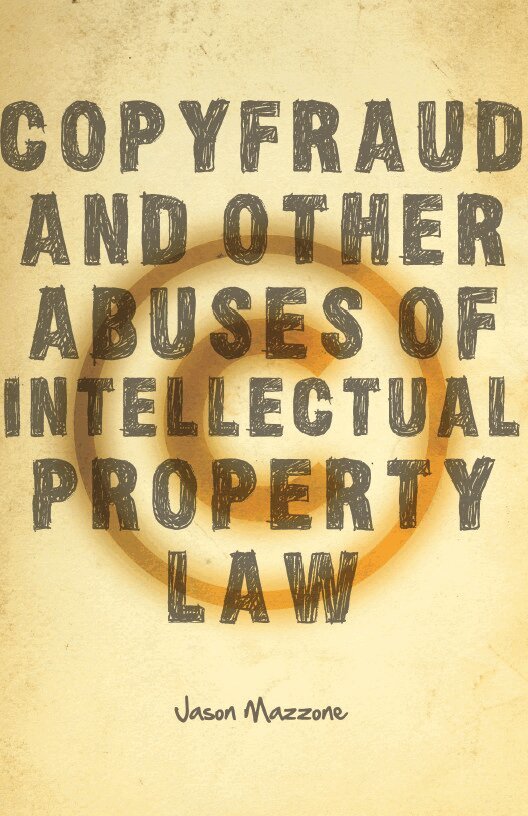
Intellectual property law in the United States does not work well and it needs to be reformed—but not for the reasons given by most critics. The issue is not that intellectual property rights are too easily obtained, too broad in scope, and too long in duration. Rather, the primary problem is overreaching by publishers, producers, artists, and others who abuse intellectual property law by claiming stronger rights than the law actually gives them. From copyfraud—like phony copyright notices attached to the U.S. Constitution—to lawsuits designed to prevent people from poking fun at Barbie, from controversies over digital sampling in hip-hop to Major League Baseball's ubiquitous restriction on sharing any "accounts and descriptions of this game," overreaching claims of intellectual property rights are everywhere. Overreaching interferes with legitimate uses and reproduction of a wide variety of works, imposes enormous social and economic costs, and ultimately undermines creative endeavors. As this book reveals, the solution is not to change the scope or content of intellectual property rights, but to create mechanisms to prevent people asserting rights beyond those they legitimately possess. While there are many other books on intellectual property, this is the first to examine overreaching as a distinct problem and to show how to solve it. Jason Mazzone makes a series of timely proposals by which government, organizations, and ordinary people can stand up to creators and content providers when they seek to grab more than the law gives them.
Del 10 - History of European Political and Constitutional Thought
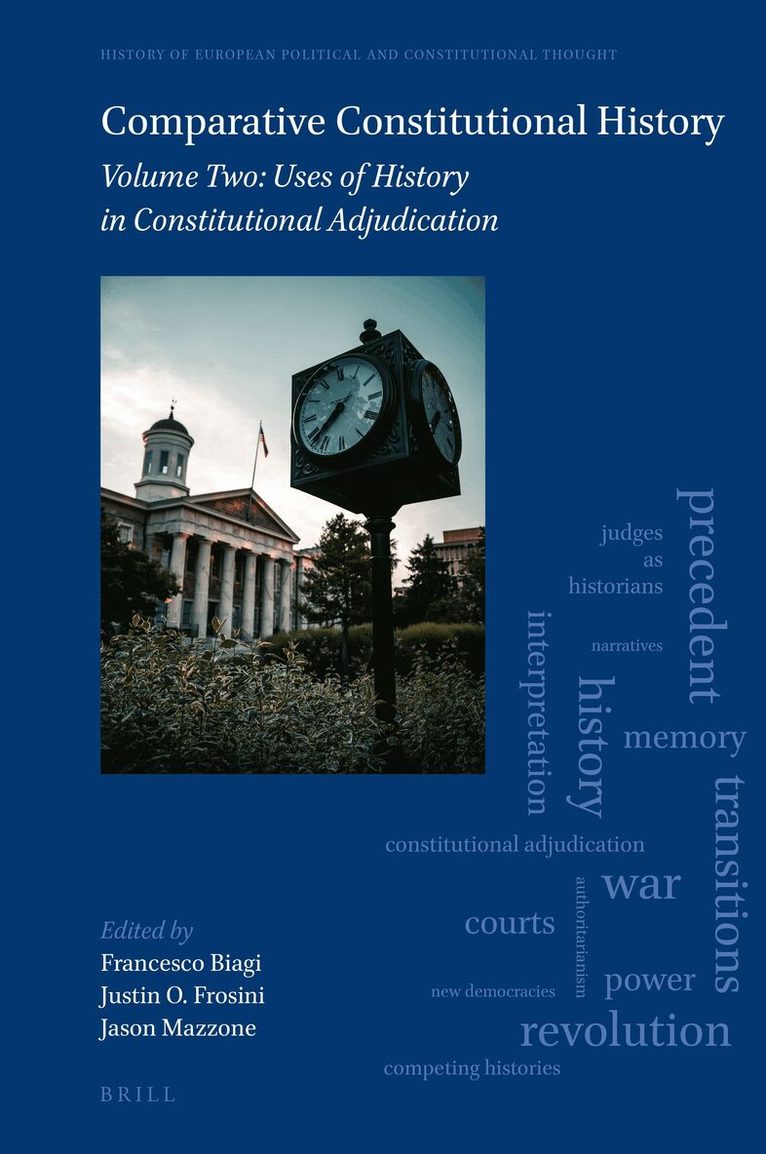
Comparative Constitutional History
Volume Two: Uses of History in Constitutional Adjudication
Inbunden, Engelska, 2022
1 667 kr
Skickas inom 5-8 vardagar
Constitutions are a product of history, but what is the role of history in interpreting and applying constitutional provisions? This volume addresses that question from a comparative perspective, examining different uses of history by courts in determining constitutional meaning. The book shows that there is considerable debate around the role of history in constitutional adjudication. Are, for example, historical public debates over the adoption of a constitution relevant to reading its provisions today? If a constitution represents a break from a prior repressive regime, should courts construe the constitution’s provisions in light of that background? Are former constitutions relevant to interpreting a new constitution? Through an assessment of current practices the volume offers some lessons for the future practices of courts as they adjudicate constitutional cases.Contributors are: Mark D. Rosen, Jorge M. Farinacci-Fernós, Justin Collings, Jean-Christophe Bédard-Rubin, Cem Tecimer, Ángel Aday Jiménez Alemán, Ana Beatriz Robalinho, Keigo Obayashi, Zoltán Szente, Shih-An Wang, and Diego Werneck Arguelhes.