
Jason Ross Arnold - Böcker
Visar alla böcker från författaren Jason Ross Arnold. Handla med fri frakt och snabb leverans.
4 produkter
4 produkter
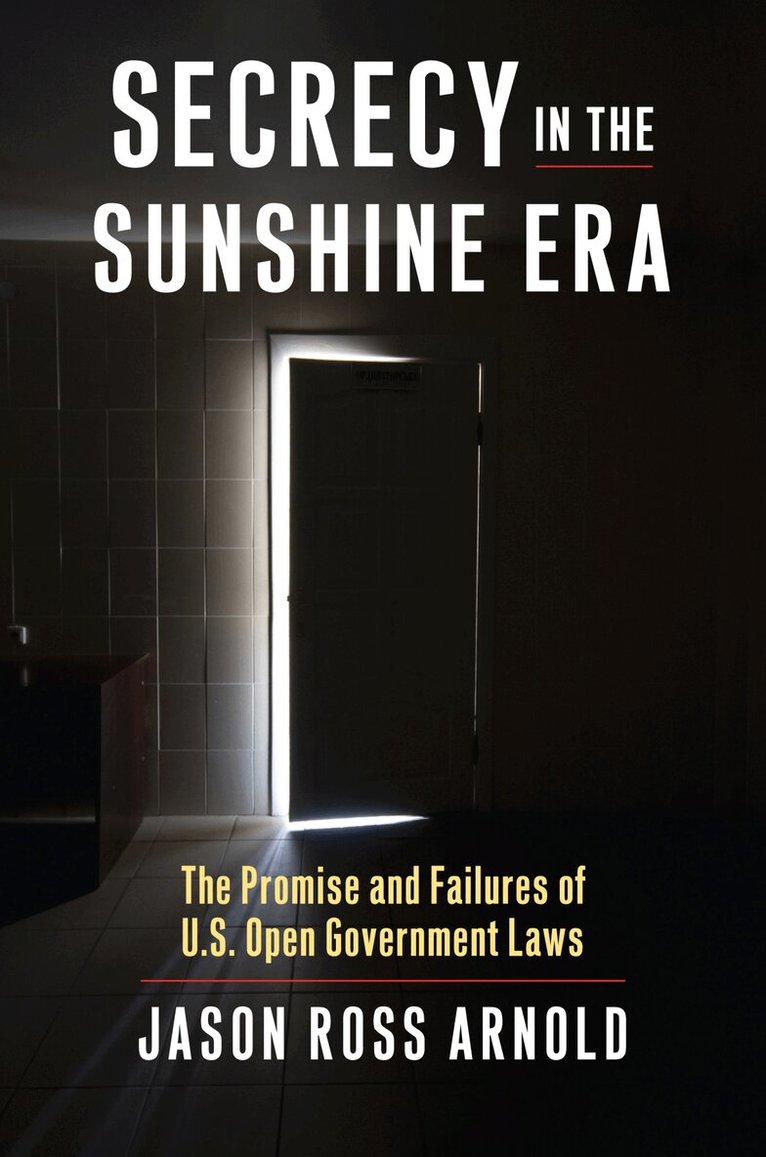
Secrecy in the Sunshine Era
The Promise and Failures of U.S. Open Government Laws
Inbunden, Engelska, 2014
681 kr
Skickas inom 10-15 vardagar
A series of laws passed in the 1970s promised the nation unprecedented transparency in government, a veritable ""sunshine era."" Though citizens enjoyed a new arsenal of secrecy-busting tools, officials developed a handy set of workarounds, from over classification to concealment, shredding, and burning. It is this dark side of the sunshine era that Jason Ross Arnold explores in the first comprehensive, comparative history of presidential resistance to the new legal regime, from Reagan-Bush to the first term of Obama-Biden.After examining what makes a necessary and unnecessary secret, Arnold considers the causes of excessive secrecy, and why we observe variation across administrations. While some administrations deserve the scorn of critics for exceptional secrecy, the book shows excessive secrecy was a persistent problem well before 9/11, during Democratic and Republican administrations alike. Regardless of party, administrations have consistently worked to weaken the system's legal foundations.The book reveals episode after episode of evasive maneuvers, rule bending, clever rhetorical gambits, and downright defiance; an army of secrecy workers in a dizzying array of institutions labels all manner of documents ""top secret,"" while other government workers and agencies manage to suppress information with a ""sensitive but unclassified"" designation. For example, the health effects of Agent Orange, and antibiotic-resistant bacteria leaking out of Midwestern hog farms are considered too ""sensitive"" for public consumption. These examples and many more document how vast the secrecy system has grown during the sunshine era. Rife with stories of vital scientific evidence withheld, justice eluded, legalities circumvented, and the public interest flouted, Secrecy in the Sunshine Era reveals how our information society has been kept in the dark in too many ways and for too long.
942 kr
Skickas inom 10-15 vardagar
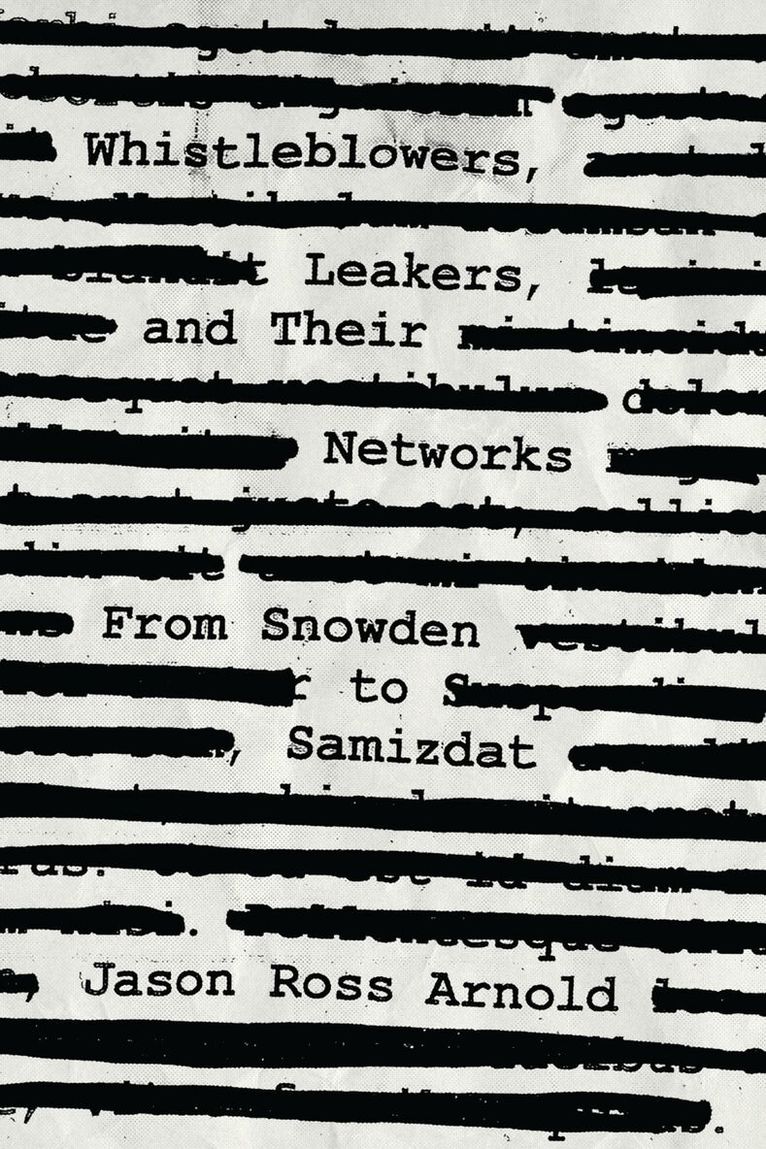
Human rights organizations. Hackers. Soviet dissidents. Animal welfare activists. Corruption-reporting apps. The world of whistleblowing is much more diverse than most people realize. It includes the prototypical whistleblowers—government and corporate employees who spill their organizations’ secrets to publicize abuses, despite the personal costs. But if you look closely at what the concept entails, then it becomes clear that there are many more varieties. There is a wide world of whistleblowing out there, and we have only begun to understand and explain it.In Whistleblowers, Leakers, and Their Networks: From Snowden to Samizdat, Jason Ross Arnold clarifies the elusive concept of "whistleblowing." Most who have tried to define or understand it have a sense that whistleblowers are justified secret-spillers—people who make wise decisions about their unauthorized disclosures. But we still have no reliable framework for determining which secret-spillers deserve the positively charged term whistleblower, and which ones should get stuck with the less noble moniker “leaker.” A better understanding can inform our frustratingly endless political debates about important cases—the Snowdens, Mannings, Ellsbergs, Deep Throats, etc.—but it can also provide guidance to would-be whistleblowers about whether or not they and their collaborators should make unauthorized disclosures.
488 kr
Skickas inom 10-15 vardagar
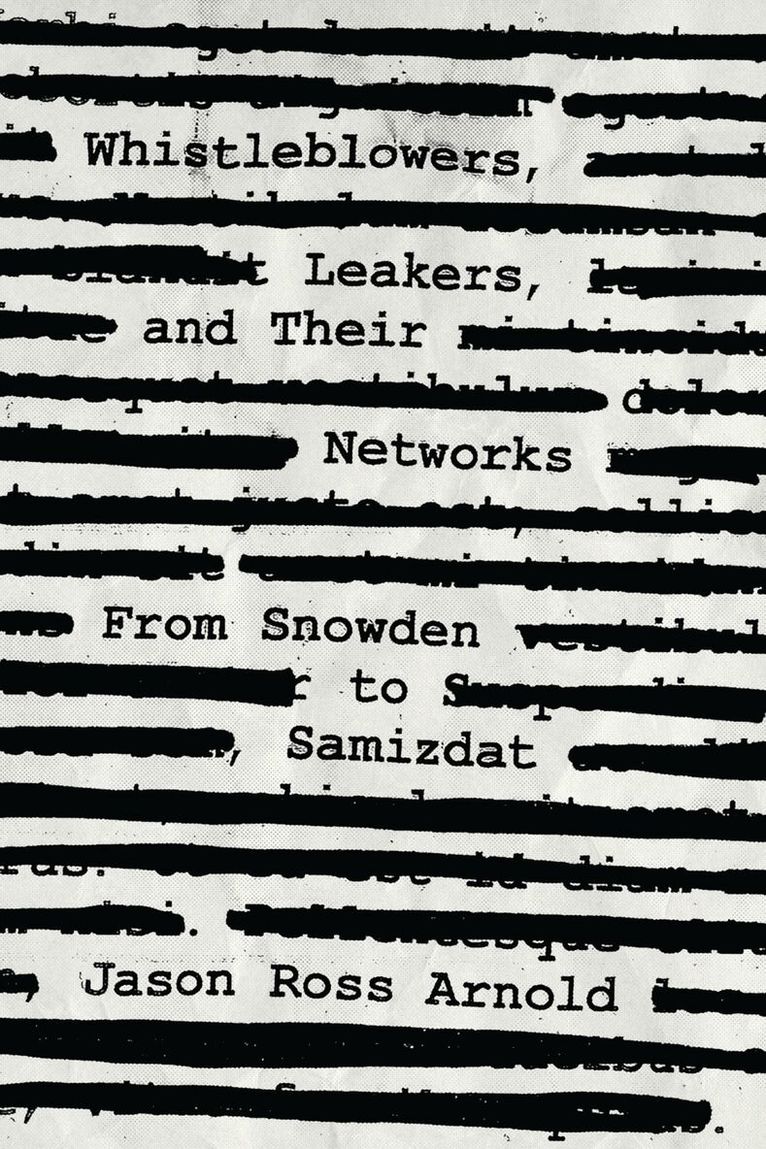
Human rights organizations. Hackers. Soviet dissidents. Animal welfare activists. Corruption-reporting apps. The world of whistleblowing is much more diverse than most people realize. It includes the prototypical whistleblowers—government and corporate employees who spill their organizations’ secrets to publicize abuses, despite the personal costs. But if you look closely at what the concept entails, then it becomes clear that there are many more varieties. There is a wide world of whistleblowing out there, and we have only begun to understand and explain it.In Whistleblowers, Leakers, and Their Networks: From Snowden to Samizdat, Jason Ross Arnold clarifies the elusive concept of "whistleblowing." Most who have tried to define or understand it have a sense that whistleblowers are justified secret-spillers—people who make wise decisions about their unauthorized disclosures. But we still have no reliable framework for determining which secret-spillers deserve the positively charged term whistleblower, and which ones should get stuck with the less noble moniker “leaker.” A better understanding can inform our frustratingly endless political debates about important cases—the Snowdens, Mannings, Ellsbergs, Deep Throats, etc.—but it can also provide guidance to would-be whistleblowers about whether or not they and their collaborators should make unauthorized disclosures.
1 423 kr
Skickas inom 10-15 vardagar
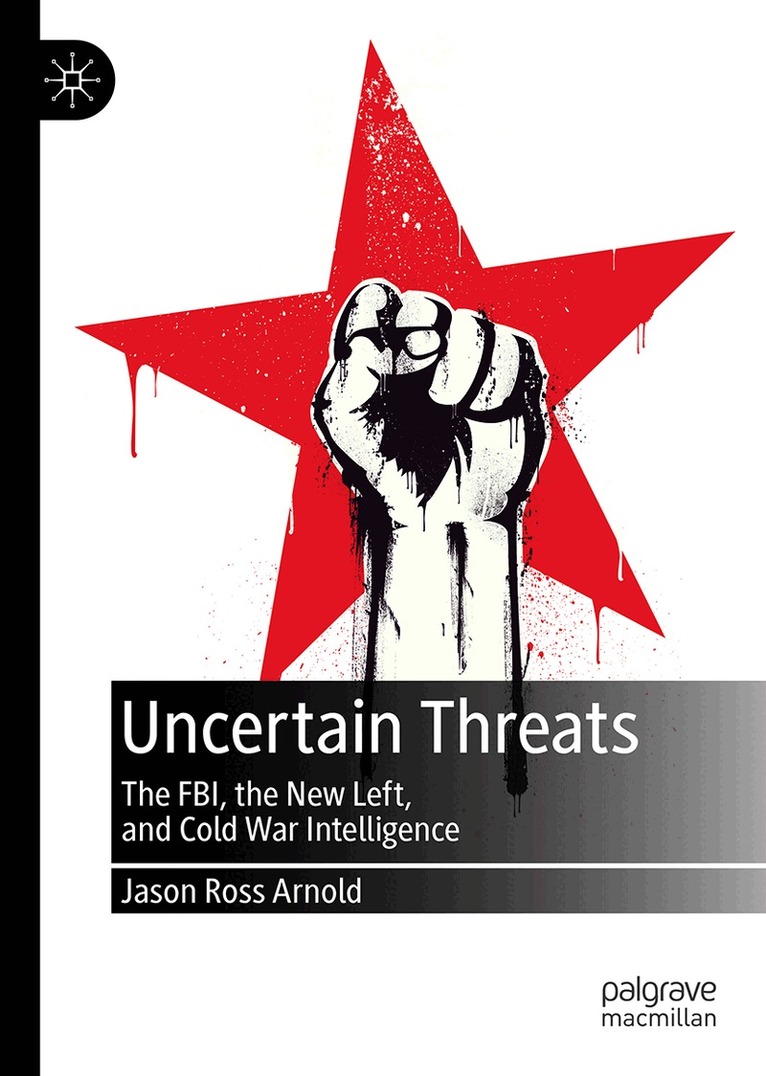
What if the FBI’s surveillance of the New Left wasn’t only about repression and cynical self-interest? This book revisits one of the most controversial episodes of the Cold War: the FBI’s counterintelligence investigations into the activist leaders of SDS and other radical groups. While scholars have rightly emphasized political overreach, constitutional violations, and the Bureau’s institutional self-interest, newly declassified documents reveal that it also possessed a stream of intelligence — often fragmentary, sometimes credible — that pointed to international ties many scholars have overlooked or discounted. Through close historical analysis of this evolving intelligence picture, the book complicates the dominant narrative of Hoover-era surveillance. It shows how the FBI and other agencies perceived the New Left’s developing connections to Cuba, North Vietnam, and other Communist powers, and why they came to see those ties as potential counterintelligence threats. Rather than defending the Bureau’s conduct, the book seeks to understand it on its own terms, emphasizing how counterintelligence agencies operate amid deep uncertainty and limited oversight. In doing so, it offers a new perspective on the internationalization of the New Left, the nature of foreign influence, and the machinery of Cold War security. A work of historical and analytical recovery, it challenges prevailing narratives in U.S. political history, intelligence studies, and the historiography of the 1960s.