Jason Scott-Warren - Böcker
Visar alla böcker från författaren Jason Scott-Warren. Handla med fri frakt och snabb leverans.
5 produkter
5 produkter
2 652 kr
Skickas inom 5-8 vardagar
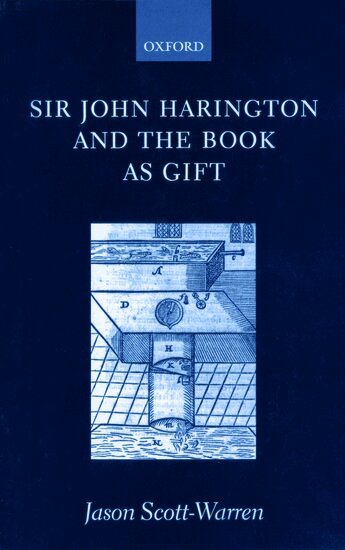
Sir John Harington (1560-1612) has long been recognized as one of the most colourful and engaging figures at the English Renaissance court. Godson of Queen Elizabeth, translator of Ariosto, and inventor of the water-closet, he was also a lively writer in a wide variety of modes, and an acute commentator on his times. This study opens a new perspective on Harington's literary production by attending to the fact that almost all of his writings were designed as gifts. Combining detailed readings and first-hand historical research, Jason Scott-Warren reconstructs the complex, often devious agenda which Harington wrote into his books as he customized them for specific individuals and occasions. Offering a wealth of insights into self-fashioning and the pursuit of patronage, this study makes a persuasive case for the significance of material culture to textual interpretation. It will be of interest to all who work on the early modern period, and in particular to historians of the book.
727 kr
Skickas inom 10-15 vardagar
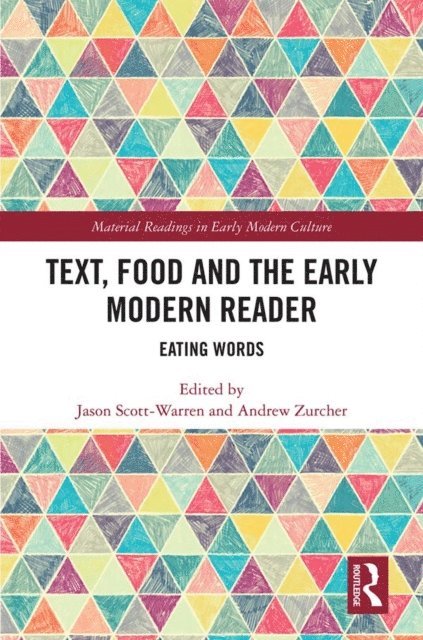
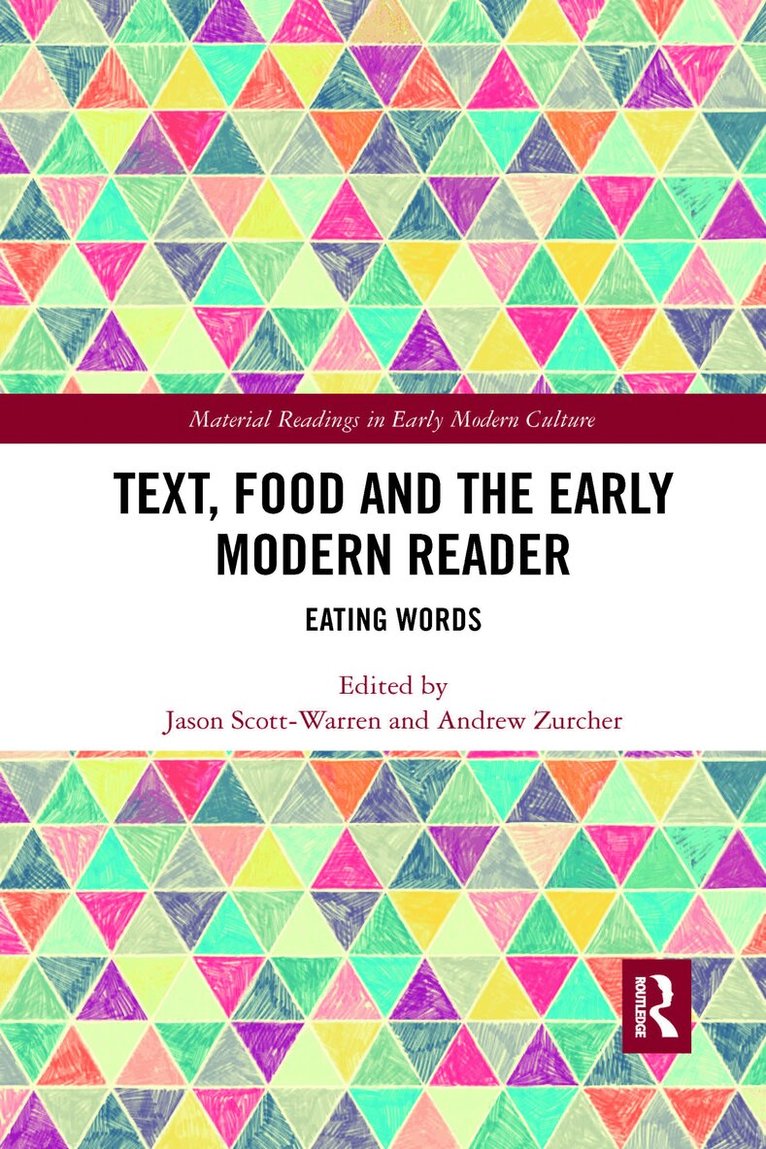
In early modern culture, eating and reading were entangled acts. Our dead metaphors (swallowed stories, overcooked narratives, digested information) are all that now remains of a rich interplay between text and food, in which every element of dining, from preparation to purgation, had its equivalent in the literary sphere. Following the advice of the poet George Herbert, this essay collection "looks to the mouth", unfolding the charged relationship between ingestion and expression in a wide variety of texts and contexts. With contributions from leading scholars in the field, Text, Food and the Early Modern Reader: Eating Words fills a significant gap in our understanding of early modern cultural history. Situated at the lively intersection between literary, historical and bibliographical studies, it opens new lines of dialogue between the study of material textuality and the history of the body.
427 kr
Skickas inom 5-8 vardagar
When we engage with the writings of Shakespeare and his contemporaries, we encounter a culture radically unfamiliar to us at the start of the twenty-first century. The past is a foreign country, and so too are many of its texts. This readable and provocative book seeks to enhance our understanding of early modern literature by recovering the contexts in which it was originally produced and consumed. Taking us back to the courts, theatres and marketplaces of early modern England, Jason Scott-Warren reveals the varied ways in which literary texts dovetailed with everyday experience, unlocking the distinctive social practices, economic structures and modes of behaviour that gave them meaning. He shows how the periods most beguiling writings were conditioned by long-forgotten notions of knowledge, nationhood, sexuality and personal identity. Bringing an anthropologists eye to his materials, he offers richly detailed new readings of works from within and beyond the canon, covering a span that stretches from Erasmus and More to Milton and Behn.Resisting any notion of the period as merely transitional a staging post on the road leading from the medieval to the modern world Scott-Warren reveals the distinctiveness of its literary culture, and equips the reader for fresh encounters with its extraordinary textual legacy. Any undergraduate student of the period will find it an essential guide, while scholars will find its fresh approach invigorating.
575 kr
Skickas inom 10-15 vardagar
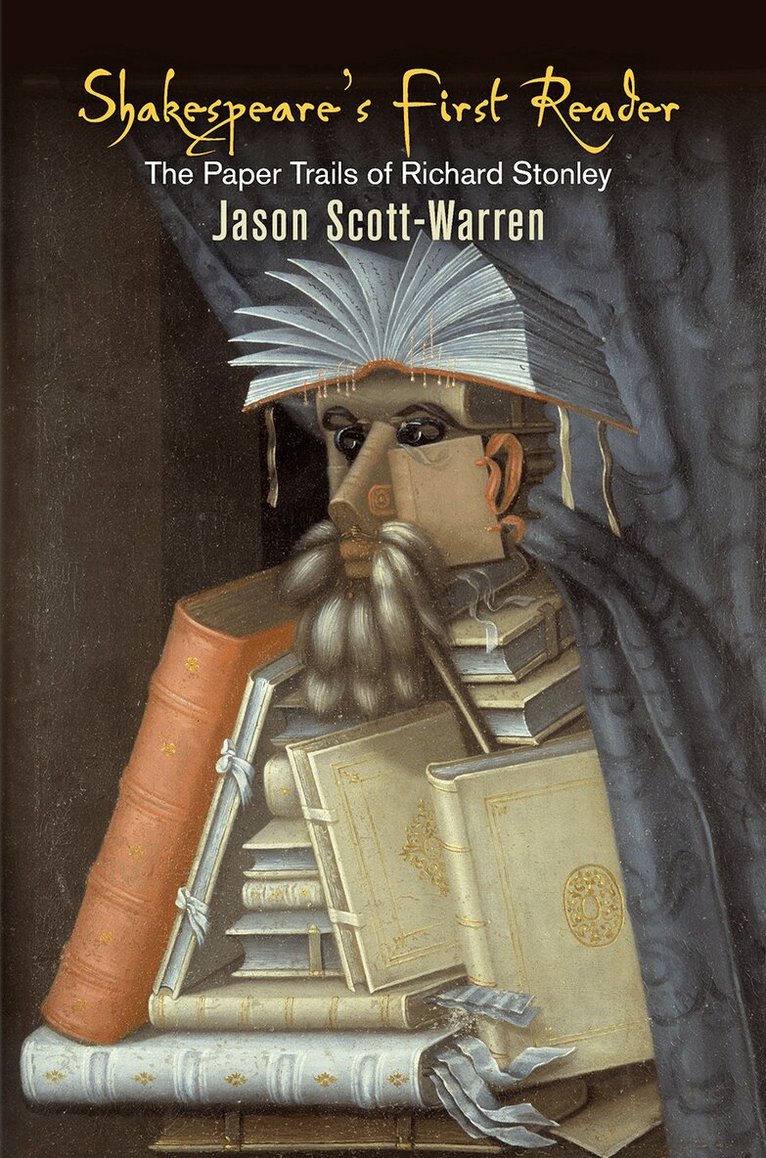
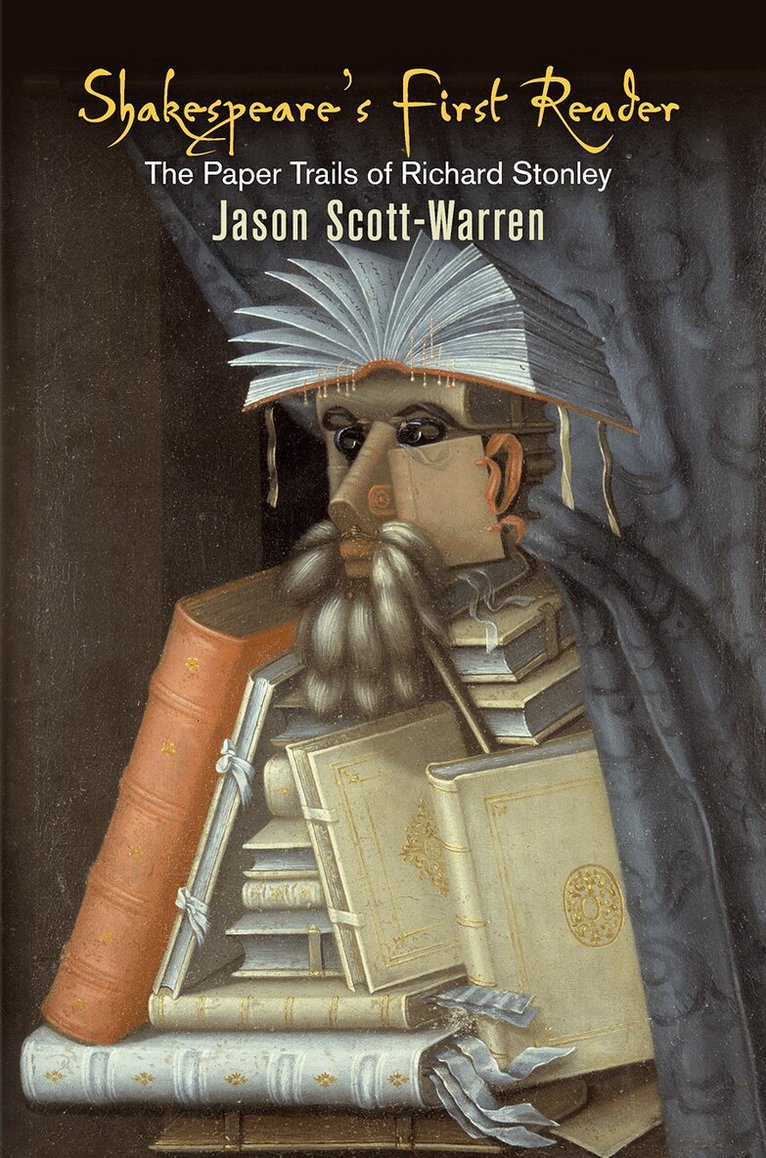
Richard Stonley has all but vanished from history, but to his contemporaries he would have been an enviable figure. A clerk of the Exchequer for more than four decades under Mary Tudor and Elizabeth I, he rose from obscure origins to a life of opulence; his job, a secure bureaucratic post with a guaranteed income, was the kind of which many men dreamed. Vast sums of money passed through his hands, some of which he used to engage in moneylending and land speculation. He also bought books, lots of them, amassing one of the largest libraries in early modern London.In 1597, all of this was brought to a halt when Stonley, aged around seventy-seven, was incarcerated in the Fleet Prison, convicted of embezzling the spectacular sum of £13,000 from the Exchequer. His property was sold off, and an inventory was made of his house on Aldersgate Street. This provides our most detailed guide to his lost library. By chance, we also have three handwritten volumes of accounts, in which he earlier itemized his spending on food, clothing, travel, and books. It is here that we learn that on June 12, 1593, he bought "the Venus & Adhonay per Shakspere"-the earliest known record of a purchase of Shakespeare's first publication.In Shakespeare's First Reader, Jason Scott-Warren sets Stonley's journals and inventories of goods alongside a wealth of archival evidence to put his life and library back together again. He shows how Stonley's books were integral to the material worlds he inhabited and the social networks he formed with communities of merchants, printers, recusants, and spies. Through a combination of book history and biography, Shakespeare's First Reader provides a compelling "bio-bibliography"-the story of how one early modern gentleman lived in and through his library.
2 430 kr
Skickas inom 10-15 vardagar
In early modern culture, eating and reading were entangled acts. Our dead metaphors (swallowed stories, overcooked narratives, digested information) are all that now remains of a rich interplay between text and food, in which every element of dining, from preparation to purgation, had its equivalent in the literary sphere. Following the advice of the poet George Herbert, this essay collection "looks to the mouth", unfolding the charged relationship between ingestion and expression in a wide variety of texts and contexts. With contributions from leading scholars in the field, Text, Food and the Early Modern Reader: Eating Words fills a significant gap in our understanding of early modern cultural history. Situated at the lively intersection between literary, historical and bibliographical studies, it opens new lines of dialogue between the study of material textuality and the history of the body.