
Jaswinder Singh Sandhu – författare
Visar alla böcker från författaren . Handla med fri frakt och snabb leverans.
6 produkter
6 produkter
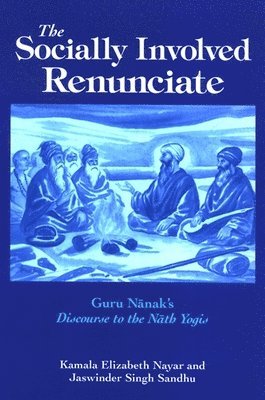
Häftad, Engelska, 2008
468 kr
Skickas inom 5-8 vardagar
A translation and analysis of Guru Nanak's description of the Sikh path to spiritual liberation.The Socially Involved Renunciate is an in-depth analysis and an original English translation of the Siddh Goṣṭ, a fundamental philosophical text of the Sikh tradition. The work reflects the distinctive worldview of Sikhism, the only major Indian religion that does not regard asceticism as a legitimate path to liberation.Composed by Guru Nānak, a medieval, north Indian saint-poet and venerated founder of the Sikh tradition, the Siddh Goṣṭ is a dialogue between Guru Nānak and several Nāth yogis who had been pursuing a rigorous path of hath-yoga as renunciates of the material world. Through their dialogue, Guru Nānak teaches the Nāth yogis a spiritual path that also includes involvement in the social world and offers a practical way to achieve liberation. In The Socially Involved Renunciate, Kamala Elizabeth Nayar and Jaswinder Singh Sandhu provide background on Sikhism, highlight the ethical teachings expounded in the Siddh Goṣṭ, and demonstrate how Guru Nānak reconciles the polarities of the ascetic and householder ideals.
Inbunden, Engelska, 2020
1 530 kr
Skickas inom 10-15 vardagar
Sukhmani (The Pearl of Happiness) is a popular Sikh text by Guru Arjan, which inculcates the Sikh religious ethos and philosophical perspective on wellbeing and happiness. The book features a new translation of this celebrated Sikh text and provides the first in-depth analysis of it. The Sikh View on Happiness begins with an overview of the nature of suffering and the attainment of happiness in Indian religions. This provides the foundation for the examination of the historical, social, and religious context of the Sukhmani and its contribution to the development of the Sikh tradition. In addition to exploring the spiritual teachings of the Sukhmani, Nayar and Sandhu draw upon the Sikh understanding of the mind, illness, and wellbeing to both introduce key Sikh psychological concepts and illustrate the practical application of traditional healing practices in the contemporary context. In doing so, they highlight the overlap of the teachings in the Sukhmani with concepts and themes found in Western psychotherapy, such as mindfulness, meaningful living, and resilience.
E-bok
PDF, Engelska, 2020498 kr
Läs direkt efter köp
Sukhmani (The Pearl of Happiness) is a popular Sikh text by Guru Arjan, which inculcates the Sikh religious ethos and philosophical perspective on wellbeing and happiness. The book features a new translation of this celebrated Sikh text and provides the first in-depth analysis of it. The Sikh View on Happiness begins with an overview of the nature of suffering and the attainment of happiness in Indian religions. This provides the foundation for the examination of the historical, social, and religious context of the Sukhmani and its contribution to the development of the Sikh tradition. In addition to exploring the spiritual teachings of the Sukhmani, Nayar and Sandhu draw upon the Sikh understanding of the mind, illness, and wellbeing to both introduce key Sikh psychological concepts and illustrate the practical application of traditional healing practices in the contemporary context. In doing so, they highlight the overlap of the teachings in the Sukhmani with concepts and themes found in Western psychotherapy, such as mindfulness, meaningful living, and resilience.
E-bok
Engelska, 2020498 kr
Läs direkt efter köp
Sukhmani (The Pearl of Happiness) is a popular Sikh text by Guru Arjan, which inculcates the Sikh religious ethos and philosophical perspective on wellbeing and happiness. The book features a new translation of this celebrated Sikh text and provides the first in-depth analysis of it. The Sikh View on Happiness begins with an overview of the nature of suffering and the attainment of happiness in Indian religions. This provides the foundation for the examination of the historical, social, and religious context of the Sukhmani and its contribution to the development of the Sikh tradition. In addition to exploring the spiritual teachings of the Sukhmani, Nayar and Sandhu draw upon the Sikh understanding of the mind, illness, and wellbeing to both introduce key Sikh psychological concepts and illustrate the practical application of traditional healing practices in the contemporary context. In doing so, they highlight the overlap of the teachings in the Sukhmani with concepts and themes found in Western psychotherapy, such as mindfulness, meaningful living, and resilience.
Häftad, Engelska, 2021
464 kr
Skickas inom 10-15 vardagar
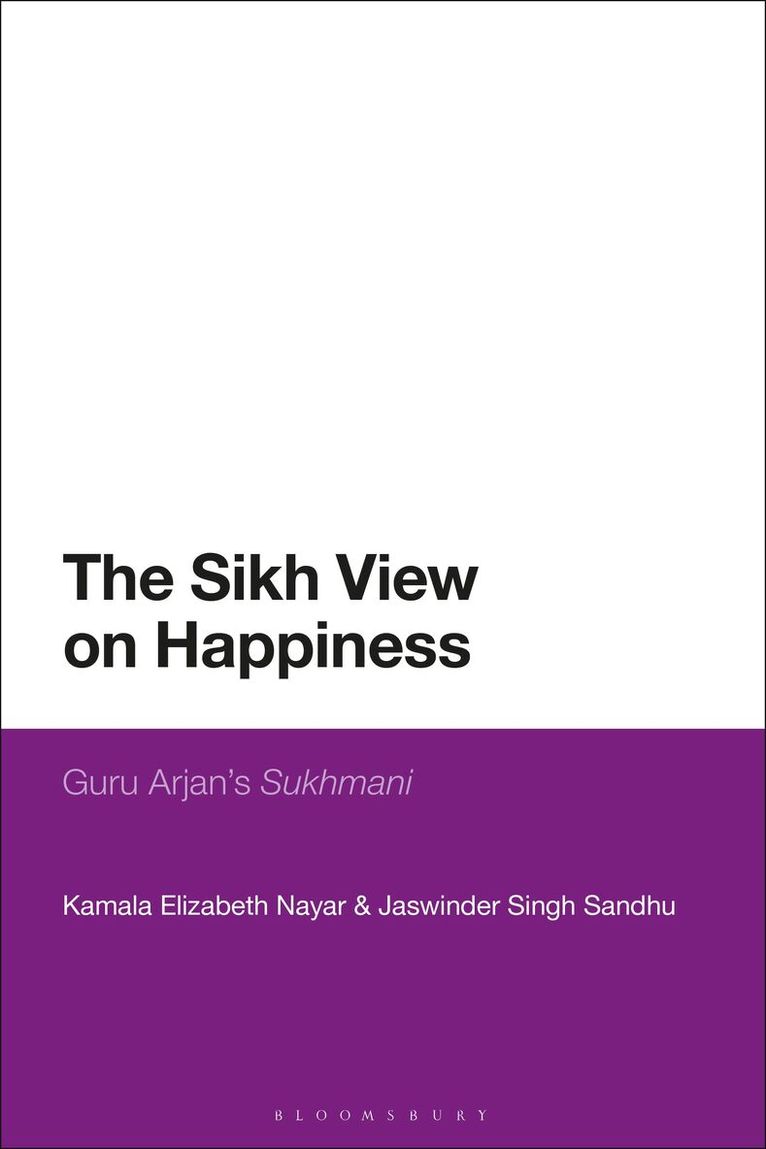
Sukhmani (The Pearl of Happiness) is a popular Sikh text by Guru Arjan, which inculcates the Sikh religious ethos and philosophical perspective on wellbeing and happiness. The book features a new translation of this celebrated Sikh text and provides the first in-depth analysis of it. The Sikh View on Happiness begins with an overview of the nature of suffering and the attainment of happiness in Indian religions. This provides the foundation for the examination of the historical, social, and religious context of the Sukhmani and its contribution to the development of the Sikh tradition. In addition to exploring the spiritual teachings of the Sukhmani, Nayar and Sandhu draw upon the Sikh understanding of the mind, illness, and wellbeing to both introduce key Sikh psychological concepts and illustrate the practical application of traditional healing practices in the contemporary context. In doing so, they highlight the overlap of the teachings in the Sukhmani with concepts and themes found in Western psychotherapy, such as mindfulness, meaningful living, and resilience.
Inbunden, Engelska, 2007
1 143 kr
Tillfälligt slut
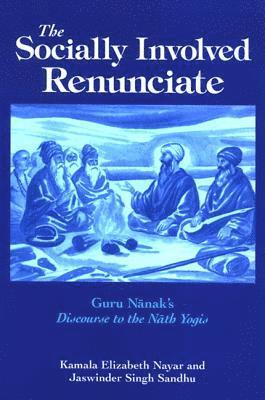
A translation and analysis of Guru Nanak's description of the Sikh path to spiritual liberation.The Socially Involved Renunciate is an in-depth analysis and an original English translation of the Siddh Goṣṭ, a fundamental philosophical text of the Sikh tradition. The work reflects the distinctive worldview of Sikhism, the only major Indian religion that does not regard asceticism as a legitimate path to liberation.Composed by Guru Nānak, a medieval, north Indian saint-poet and venerated founder of the Sikh tradition, the Siddh Goṣṭ is a dialogue between Guru Nānak and several Nāth yogis who had been pursuing a rigorous path of hath-yoga as renunciates of the material world. Through their dialogue, Guru Nānak teaches the Nāth yogis a spiritual path that also includes involvement in the social world and offers a practical way to achieve liberation. In The Socially Involved Renunciate, Kamala Elizabeth Nayar and Jaswinder Singh Sandhu provide background on Sikhism, highlight the ethical teachings expounded in the Siddh Goṣṭ, and demonstrate how Guru Nānak reconciles the polarities of the ascetic and householder ideals.