Javed Ahamad – författare
Visar alla böcker från författaren Javed Ahamad. Handla med fri frakt och snabb leverans.
15 produkter
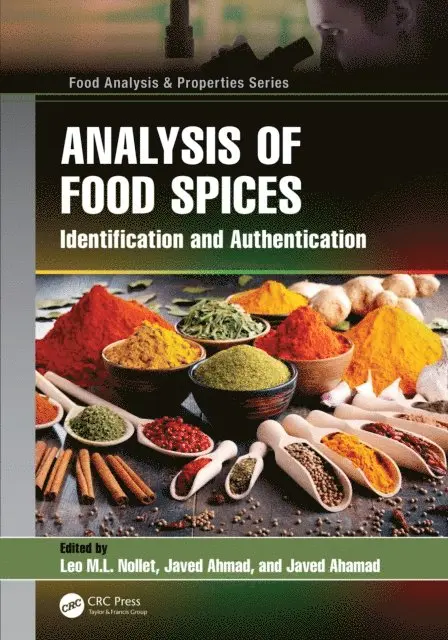
Analysis of Food Spices
Identification and Authentication
Av Javed Ahamad, Javed Ahmad m. fl.
E-bok, 2023
1220 kr
Lägg i varukorg
Spices are obtained from natural sources, especially from plants, and are used in cooking food in whole or grounded forms mainly for imparting flavor, aroma, and piquancy. Besides their role in improving food quality, spices also have health benefits that are anticancer, antidiabetic, …
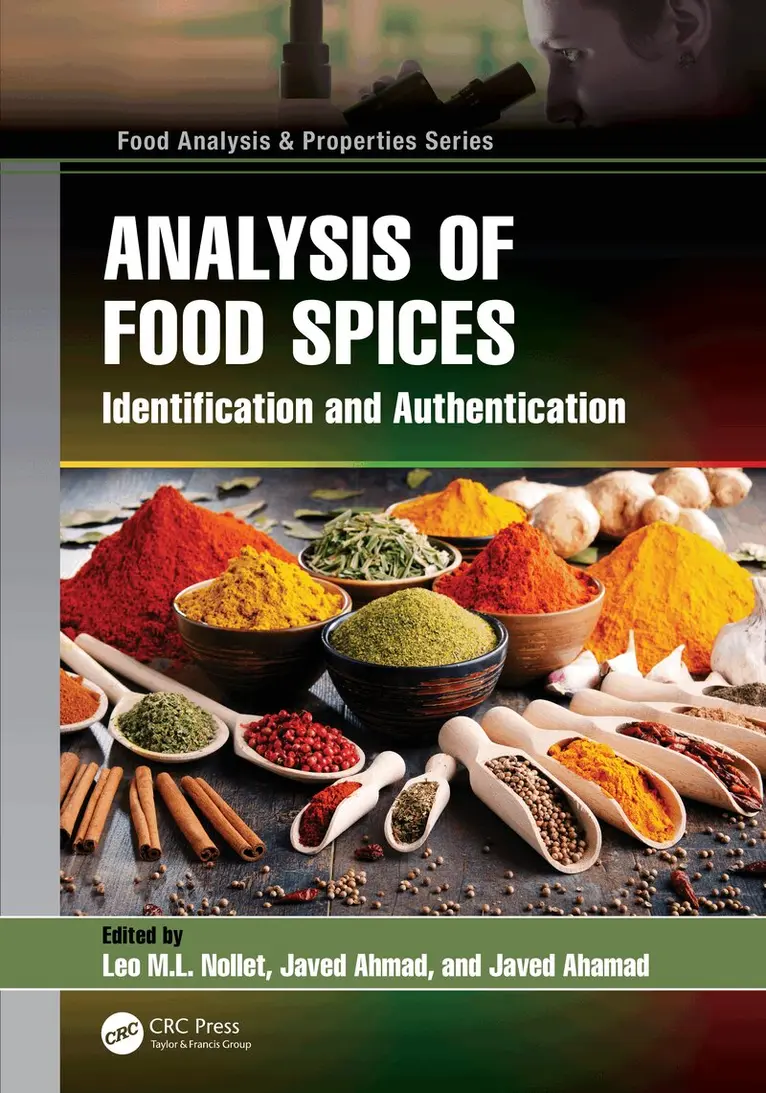
Analysis of Food Spices
Identification and Authentication
Av Leo M.L. Nollet, Javed Ahmad m. fl.
Inbunden, 2023
3070 kr
Lägg i varukorg
Spices are obtained from natural sources, especially from plants, and are used in cooking food in whole or grounded forms mainly for imparting flavor, aroma, and piquancy. Besides their role in improving food quality, spices also have health benefits that are anticancer, antidiabetic, …
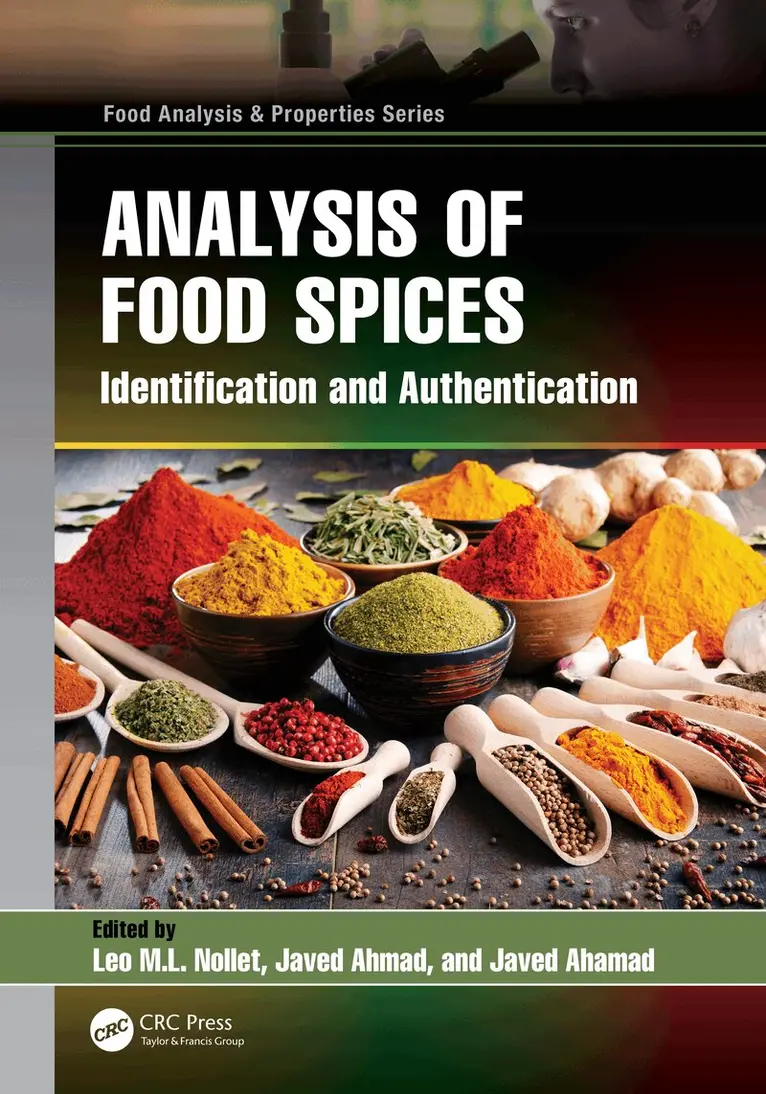
Analysis of Food Spices
Identification and Authentication
Av Leo M.L. Nollet, Javed Ahmad m. fl.
Häftad, 2025
1057 kr
Lägg i varukorg
Spices are obtained from natural sources, especially from plants, and are used in cooking food in whole or grounded forms mainly for imparting flavor, aroma, and piquancy. Besides their role in improving food quality, spices also have health benefits that are anticancer, antidiabetic, …
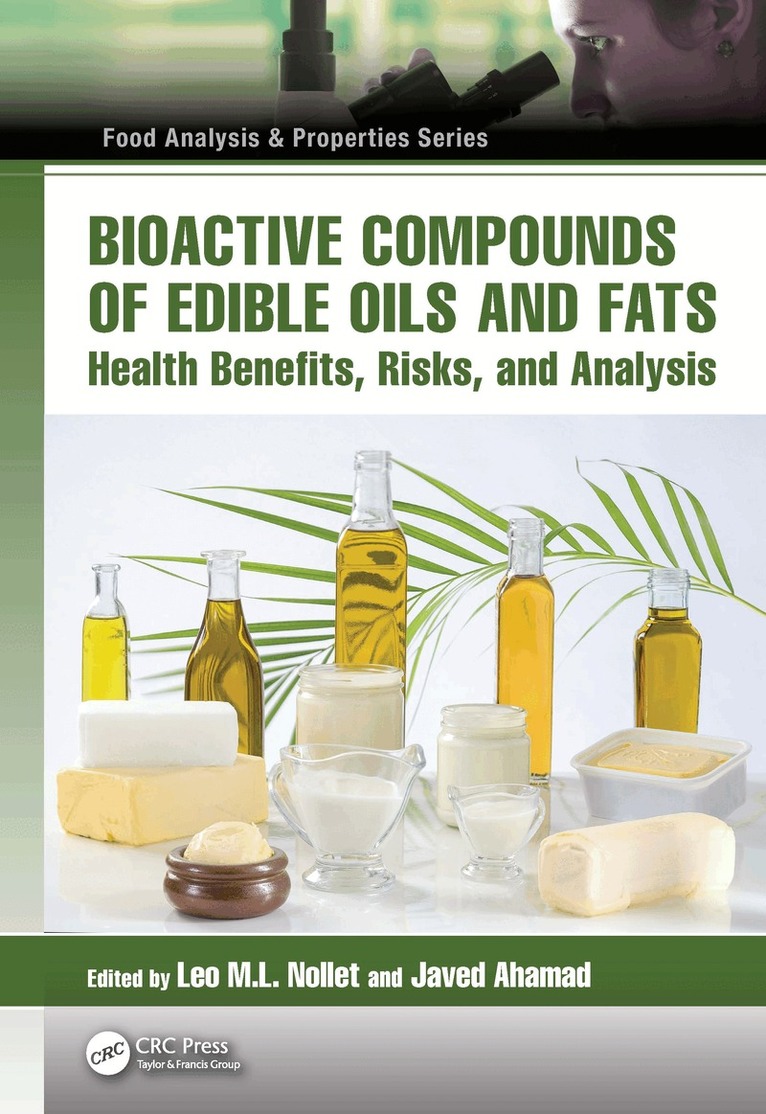
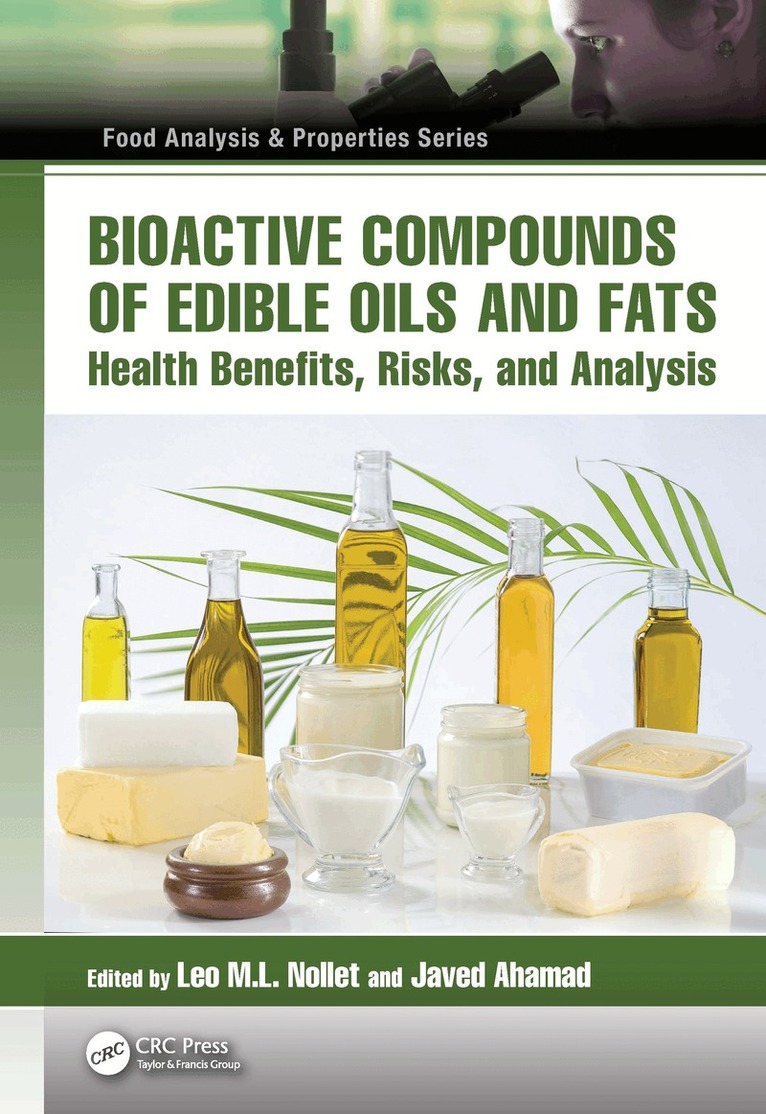
Bioactive Compounds of Edible Oils and Fats
Health Benefits, Risks, and Analysis
Av Leo M.L. Nollet, Javed Ahamad
Inbunden, 2024
2749 kr
Lägg i varukorg
Edible oils and fats are derived from plants and animals and have several health benefits. Edible oils and fats consist of many health-promoting bioactive compounds such as polyunsaturated fatty acids, monounsaturated fatty acids, polyphenols, flavonoids, phytosterols, vitamins, and inorganic …
Bioactive Compounds of Edible Oils and Fats
Health Benefits, Risks, and Analysis
Av Leo M.L. Nollet, Javed Ahamad
Häftad, 2026
1057 kr
Lägg i varukorg
Edible oils and fats are derived from plants and animals and have several health benefits. Edible oils and fats consist of many health-promoting bioactive compounds such as polyunsaturated fatty acids, monounsaturated fatty acids, polyphenols, flavonoids, phytosterols, vitamins, and inorganic …
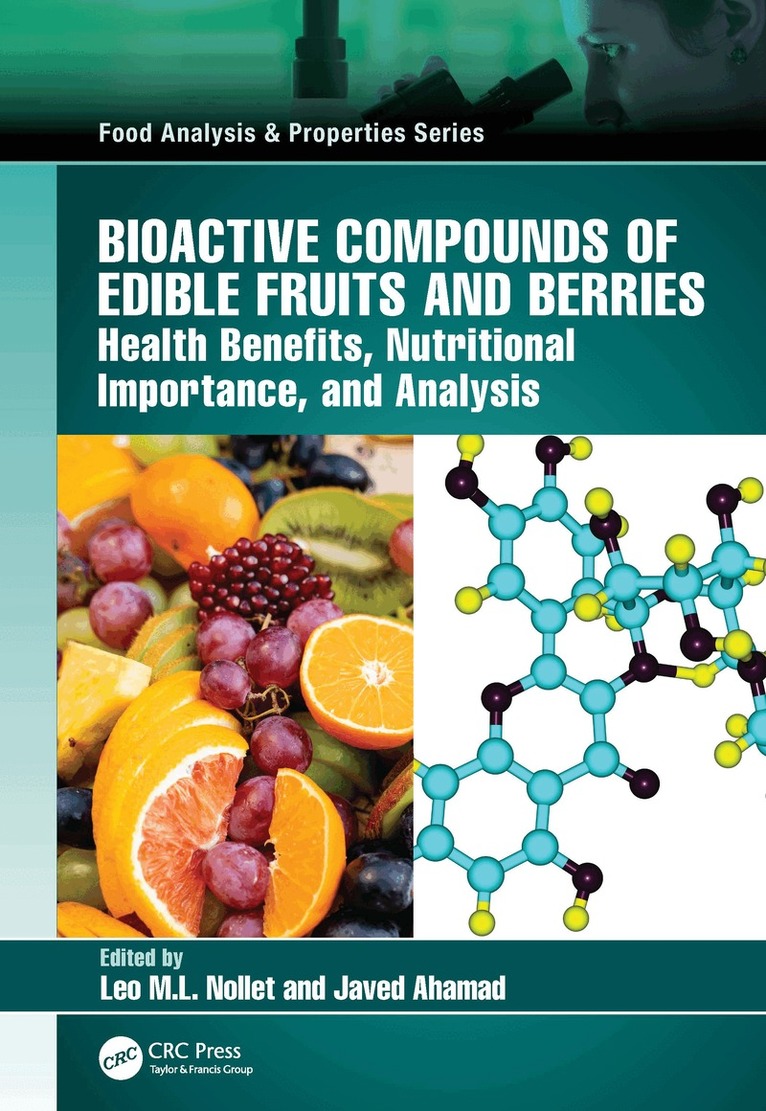
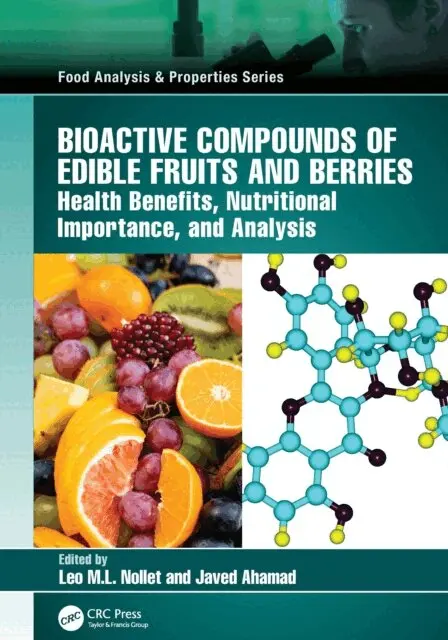
Bioactive Compounds of Edible Fruits and Berries
Health Benefits, Nutritional Importance, and Analysis
Av Leo M.L. Nollet, Javed Ahamad
Inbunden, 2025
3070 kr
Lägg i varukorg
Plants have often been a primary source of therapeutic compounds. This book delves deep into the remarkable world of edible fruits and berries, revealing their untapped potential in human health and pharmaceutical development.This comprehensive book examines the diverse array of bioactive …
Bioactive Compounds of Edible Oils and Fats
Health Benefits, Risks, and Analysis
Av Javed Ahamad, Leo M.L. Nollet
E-bok, 2024
2558 kr
Lägg i varukorg
Edible oils and fats are derived from plants and animals and have several health benefits. Edible oils and fats consist of many health-promoting bioactive compounds such as polyunsaturated fatty acids, monounsaturated fatty acids, polyphenols, flavonoids, phytosterols, vitamins, and inorganic …
Bioactive Compounds of Edible Fruits and Berries
Health Benefits, Nutritional Importance, and Analysis
Av Javed Ahamad, Leo M.L. Nollet
E-bok, 2025
3626 kr
Lägg i varukorg
Plants have often been a primary source of therapeutic compounds. This book delves deep into the remarkable world of edible fruits and berries, revealing their untapped potential in human health and pharmaceutical development.This comprehensive book examines the diverse array of bioactive …
Bioactive Compounds of Edible Fruits and Berries
Health Benefits, Nutritional Importance, and Analysis
Av Javed Ahamad, Leo M.L. Nollet
E-bok, 2025
3664 kr
Lägg i varukorg
Plants have often been a primary source of therapeutic compounds. This book delves deep into the remarkable world of edible fruits and berries, revealing their untapped potential in human health and pharmaceutical development.This comprehensive book examines the diverse array of bioactive …
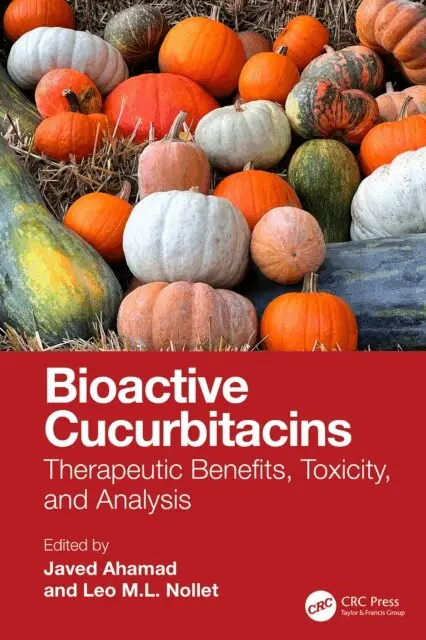
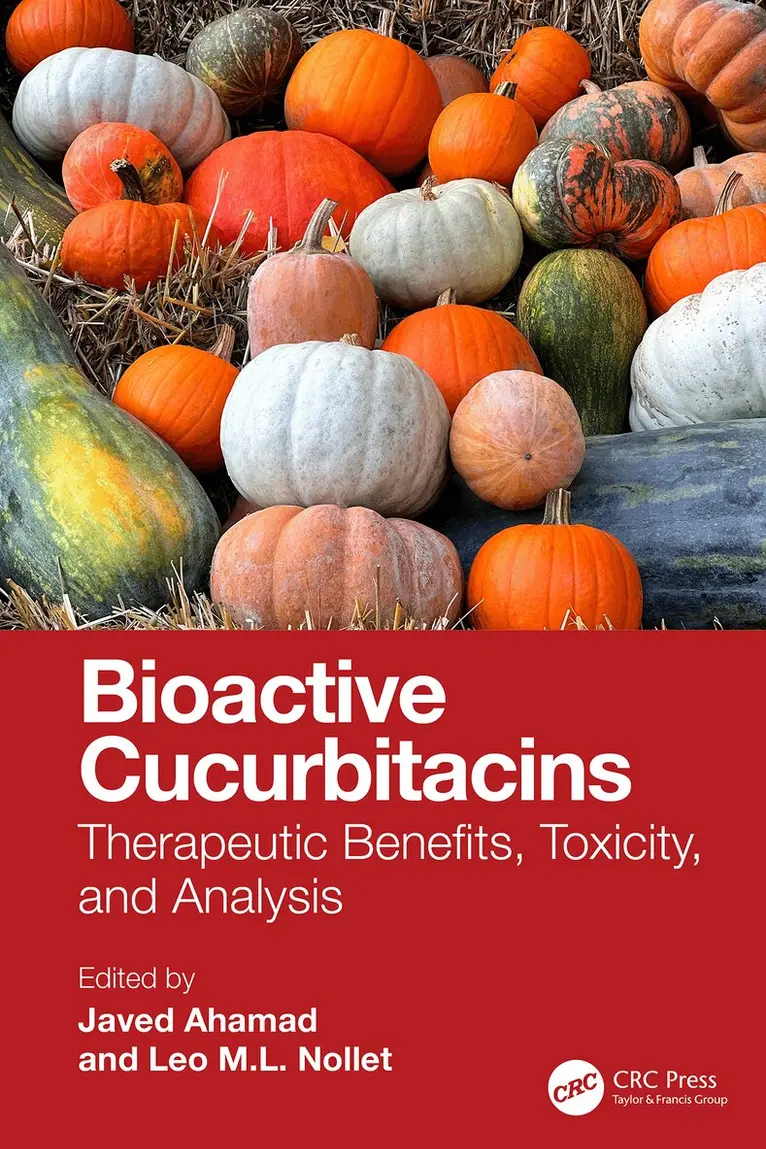
Bioactive Cucurbitacins
Therapeutic Benefits, Toxicity, and Analysis
Av Leo M.L. Nollet, Javed Ahamad
E-bok, 2026
2094 kr
Lägg i varukorg
Vegetables and fruits are an important part of the diet, and they provide nutrition and have several health benefits. Cucurbitacins are tetracyclic triterpenoid compounds mainly distributed in the Cucurbitaceae family. Cucurbitacins are bitter compounds produced in plants as defense chemicals and …
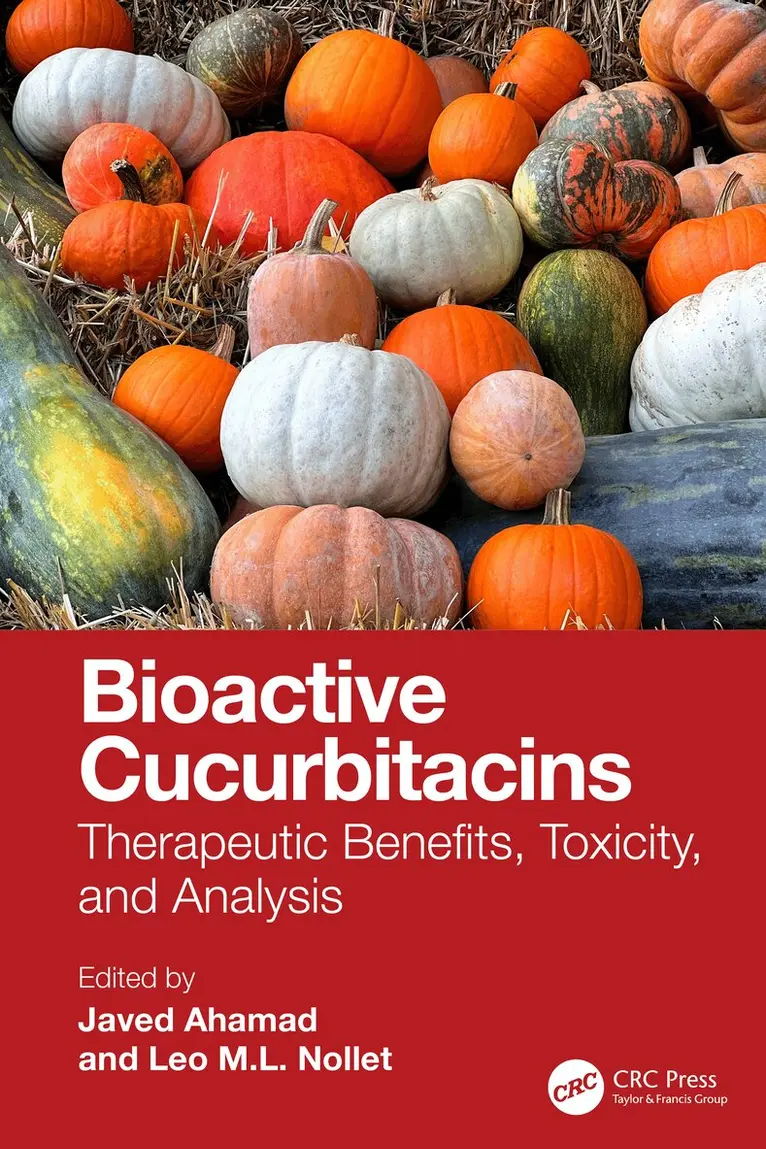
Bioactive Cucurbitacins
Therapeutic Benefits, Toxicity, and Analysis
Av Leo M.L. Nollet, Javed Ahamad
E-bok, 2026
2094 kr
Lägg i varukorg
Vegetables and fruits are an important part of the diet, and they provide nutrition and have several health benefits. Cucurbitacins are tetracyclic triterpenoid compounds mainly distributed in the Cucurbitaceae family. Cucurbitacins are bitter compounds produced in plants as defense chemicals and …
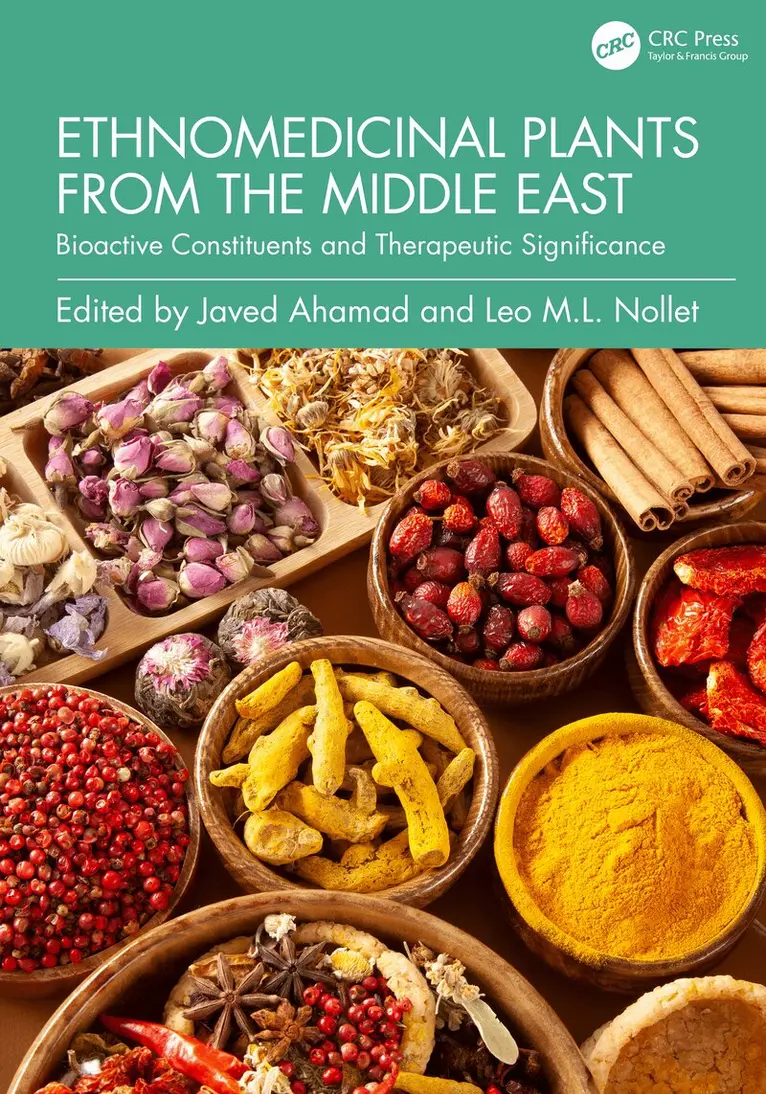
Ethnomedicinal Plants from the Middle East
Bioactive Constituents and Therapeutic Significance
Av Javed Ahamad, Leo M.L. Nollet
Inbunden, 2026
2791 kr
Kommande
Medicinal plants are an important part of the human diet, providing both nutritional value and health benefits. The indigenous medicinal flora of the Middle East holds significant potential for disease prevention and treatment. Traditionally, these plants have been used to treat infections, cancer, …
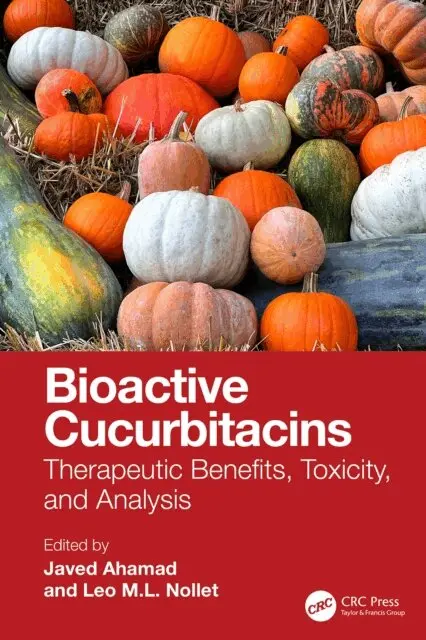
Bioactive Cucurbitacins
Therapeutic Benefits, Toxicity, and Analysis
Av Javed Ahamad, Leo M.L. Nollet
Inbunden, 2026
1858 kr
Kommande
Vegetables and fruits are an important part of the diet, and they provide nutrition and have several health benefits. Cucurbitacins are tetracyclic triterpenoid compounds mainly distributed in the Cucurbitaceae family. Cucurbitacins are bitter compounds produced in plants as defense chemicals and …
Bioactive Cucurbitacins
Therapeutic Benefits, Toxicity, and Analysis
Av Javed Ahamad, Leo M.L. Nollet
Inbunden, 2026
2324 kr
Tillfälligt slut
Vegetables and fruits are an important part of the diet, and they provide nutrition and have several health benefits. Cucurbitacins are tetracyclic triterpenoid compounds mainly distributed in the Cucurbitaceae family. Cucurbitacins are bitter compounds produced in plants as defense chemicals and …