Javed Ahmad – författare
1 201 kr
Skickas
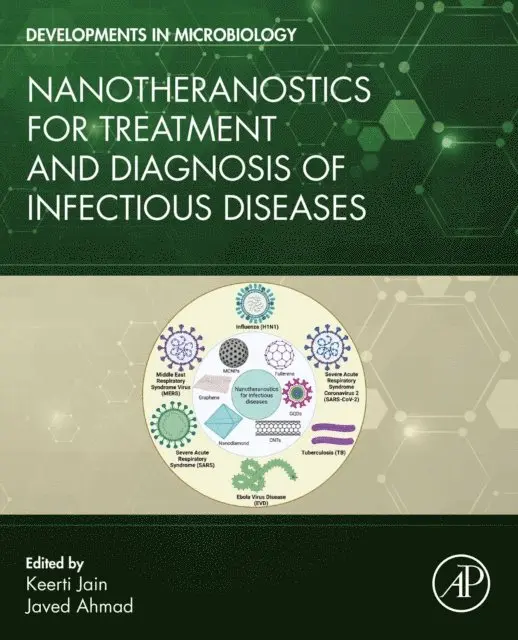
Nanotheranostics for Treatment and Diagnosis of Infectious Diseases comprises the latest information on the technological advancements made in the field of nanotechnology for application in therapeutics with diagnostic applications. The book focuses on the theranostic applications of nanomaterials in infectious diseases, highlighting that rapid diagnosis, safe and effective treatment and strong preventive measures like vaccines are urgently needed. It compiles all relevant information to help scientists, researchers and students understand the role of nanomaterials, how nanomaterials could be explored simultaneously for therapeutic and diagnostic applications, and how to ensure safety and efficacy of these nanomaterials.
Sections cover fundamental concepts, emerging concerns and challenges to combat infectious diseases, the characterization of nanomaterials for theranostic applications, and the toxicity, biocompatibility and regulatory perspectives in the diagnosis and treatment of infectious diseases.
Compiles the latest information on the technological advancements made in the field of nanotechnology for applications in therapeutics Prepares researchers to get ready to fight any emergency which may arise due to the advent of infectious diseases Focuses on the theranostic applications of nanomaterials in infectious diseases Compiles all relevant information to help scientists, researchers and students in understanding the role of nanomaterials and how they could be explored for therapeutic and diagnostic applications2 475 kr
Läs direkt efter köp
2 957 kr
Skickas inom 10-15 vardagar
1 143 kr
Läs direkt efter köp
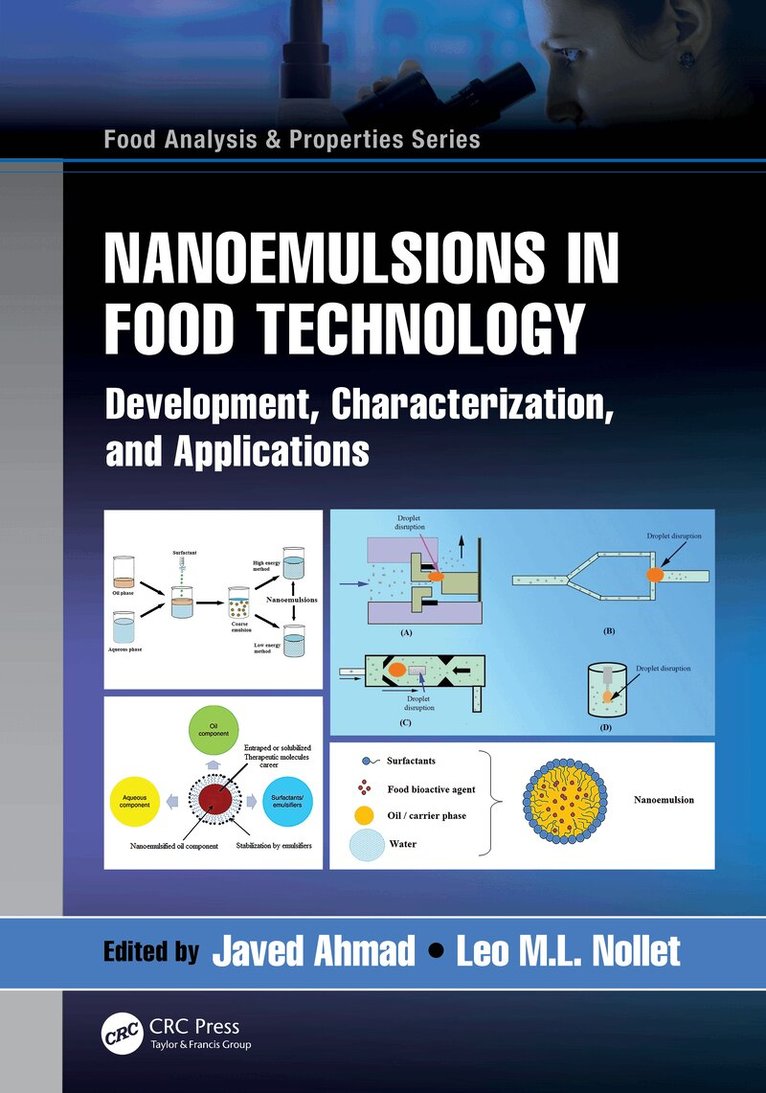
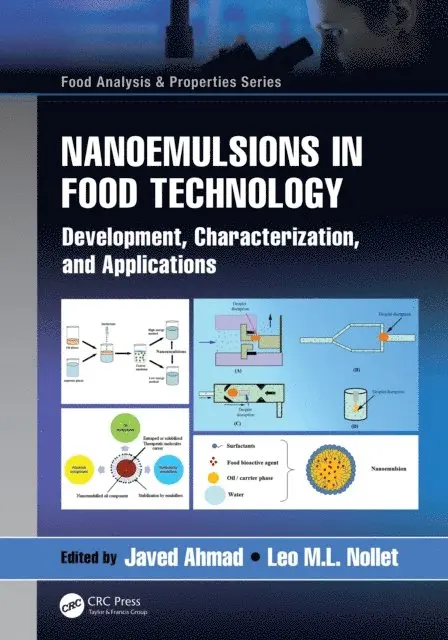
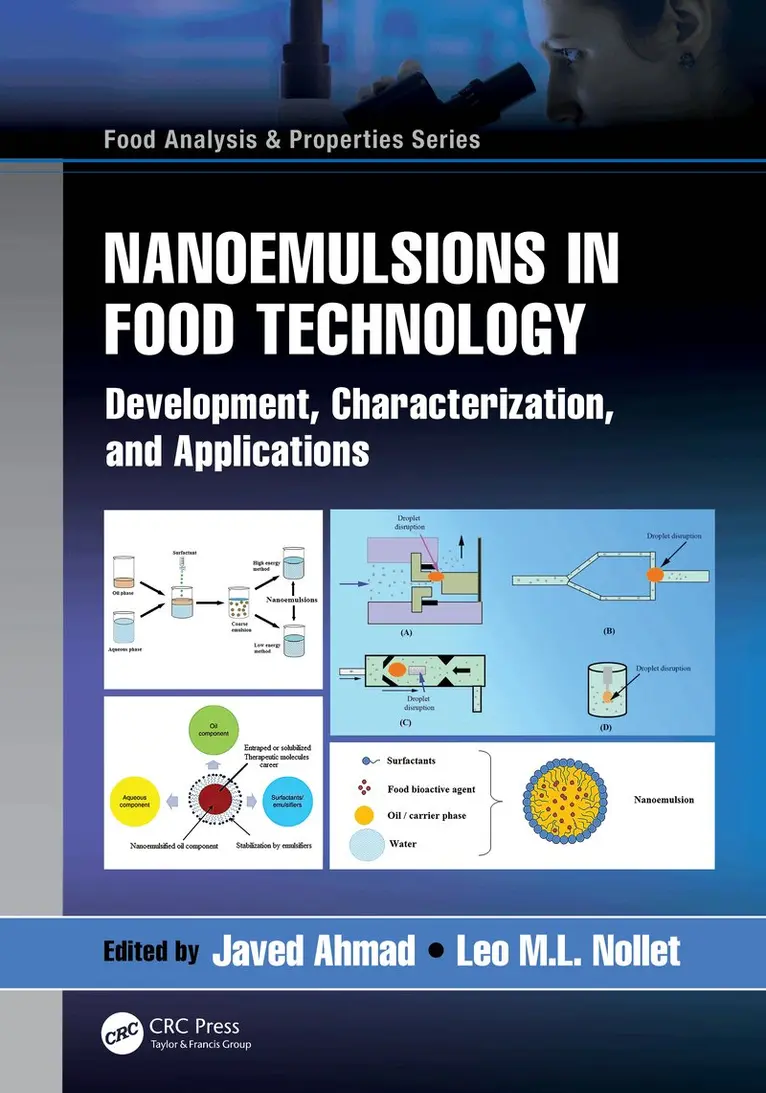
As of late, greater efforts are being made in the use of nanoemulsion techniques to encapsulate, protect, and deliver functional compounds for food applications, given their advantages over conventional emulsification techniques. In addition, delivery systems of nano-scale dimensions use low-energy emulsification methods and exclude the need of any solvent, heat, or sophisticated instruments in their production.
Divided into three sections, Nanoemulsions in Food Technology: Development, Characterization, and Applications will provide in-depth information and comprehensive discussion over technologies, physical and nanostructural characterization, as well as applicability of the nanoemulsion technique in food sciences. It describes the techniques involved in nanoemulsion characterization, mainly dealing with interfacial and nanostructural characterization of nanoemulsions, different physical characterization techniques, as well as various imaging and separation techniques involved in its characterization.
Key Features
Provides a detailed discussion about the technology of nanoemulsion
Explains how nanoemulsion technique is helpful in using essential oils of different biological sources
Presents methods of preparation and recent advancements in manufacturing along with stability perspectives of this technique.
Discusses recent advancements in manufacturing and reviews the stability perspectives of nanoemulsion techniques
This book contains in-depth information on a technology overview, physical and nanostructural characterization, as well as applicability of the nanoemulsion technique in food sciences. It is a concise body of information that is beneficial to researchers, industries, and students alike. The contributing authors are drawn from a rich blend of experts in various areas of scientific field exploring nanoemulsion techniques for wider applications.
Also available in the Food Analysis and Properties Series:
Sequencing Technologies in Microbial Food Safety and Quality, edited by Devarajan Thangardurai, Leo M.L. Nollet, Saher Islam, and Jeyabalan Sangeetha (ISBN: 9780367351182)
Chiral Organic Pollutants: Monitoring and Characterization in Food and the Environment, edited by Edmond Sanganyado, Basil K. Munjanja, and Leo M.L. Nollet (ISBN: 9780367429232)
Analysis of Nanoplastics and Microplastics in Food, edited by Leo. M.L. Nollet and Khwaja Salahuddin Siddiqi (ISBN: 9781138600188)
1 143 kr
Läs direkt efter köp
As of late, greater efforts are being made in the use of nanoemulsion techniques to encapsulate, protect, and deliver functional compounds for food applications, given their advantages over conventional emulsification techniques. In addition, delivery systems of nano-scale dimensions use low-energy emulsification methods and exclude the need of any solvent, heat, or sophisticated instruments in their production.
Divided into three sections, Nanoemulsions in Food Technology: Development, Characterization, and Applications will provide in-depth information and comprehensive discussion over technologies, physical and nanostructural characterization, as well as applicability of the nanoemulsion technique in food sciences. It describes the techniques involved in nanoemulsion characterization, mainly dealing with interfacial and nanostructural characterization of nanoemulsions, different physical characterization techniques, as well as various imaging and separation techniques involved in its characterization.
Key Features
Provides a detailed discussion about the technology of nanoemulsion
Explains how nanoemulsion technique is helpful in using essential oils of different biological sources
Presents methods of preparation and recent advancements in manufacturing along with stability perspectives of this technique.
Discusses recent advancements in manufacturing and reviews the stability perspectives of nanoemulsion techniques
This book contains in-depth information on a technology overview, physical and nanostructural characterization, as well as applicability of the nanoemulsion technique in food sciences. It is a concise body of information that is beneficial to researchers, industries, and students alike. The contributing authors are drawn from a rich blend of experts in various areas of scientific field exploring nanoemulsion techniques for wider applications.
Also available in the Food Analysis and Properties Series:
Sequencing Technologies in Microbial Food Safety and Quality, edited by Devarajan Thangardurai, Leo M.L. Nollet, Saher Islam, and Jeyabalan Sangeetha (ISBN: 9780367351182)
Chiral Organic Pollutants: Monitoring and Characterization in Food and the Environment, edited by Edmond Sanganyado, Basil K. Munjanja, and Leo M.L. Nollet (ISBN: 9780367429232)
Analysis of Nanoplastics and Microplastics in Food, edited by Leo. M.L. Nollet and Khwaja Salahuddin Siddiqi (ISBN: 9781138600188)
1 160 kr
Läs direkt efter köp
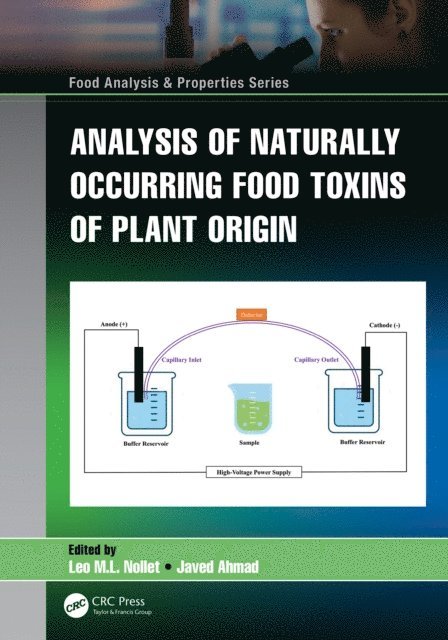
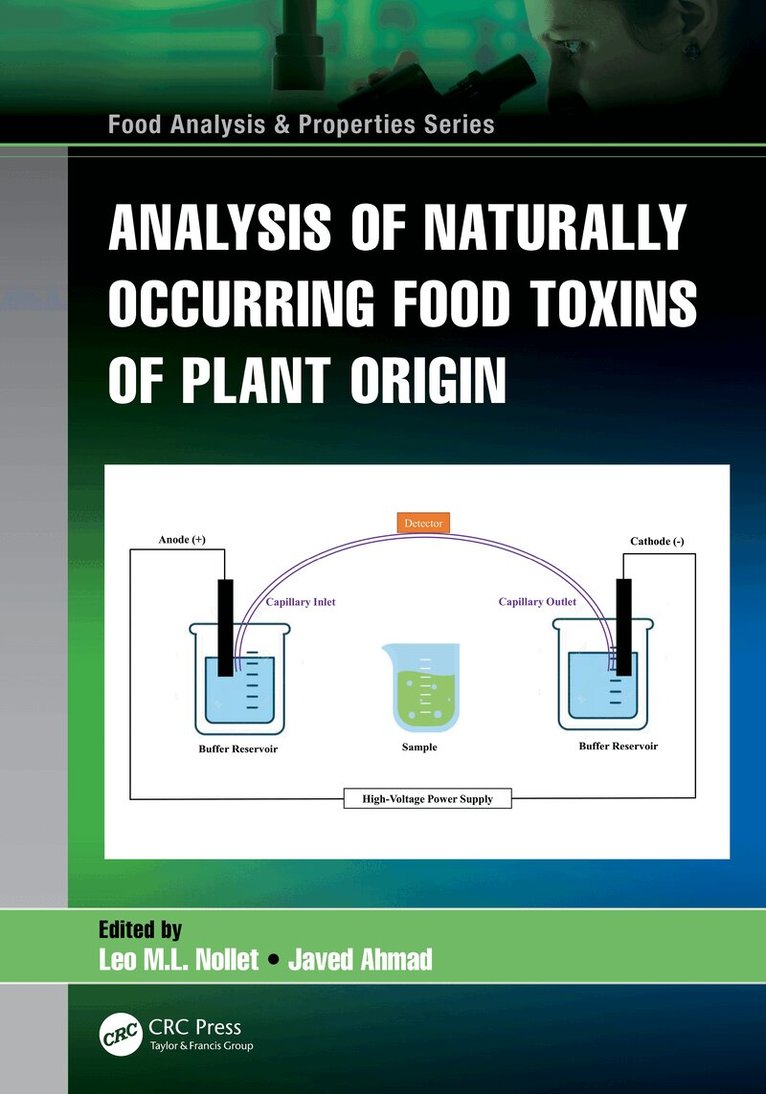
Natural toxins are toxic compounds that are naturally produced by living organisms. These toxins are not harmful to the organisms themselves, but they may be toxic to other creatures, including humans, when eaten. These chemical compounds have diverse structures and differ in biological function and toxicity. Some toxins are produced by plants as a natural defense mechanism against predators, insects, or microorganisms, or as a consequence of infestation with microorganisms, such as mold, in response to climate stress (such as drought or extreme humidity). Well-known groups of natural toxins of plant origin are: cyanogenic glycosides, pyrrolizidine alkaloids, furocoumarins, lectins, and glycoalkaloids. These plant-origin natural toxins can cause a variety of adverse health effects and pose a serious health threat to both humans and livestock.
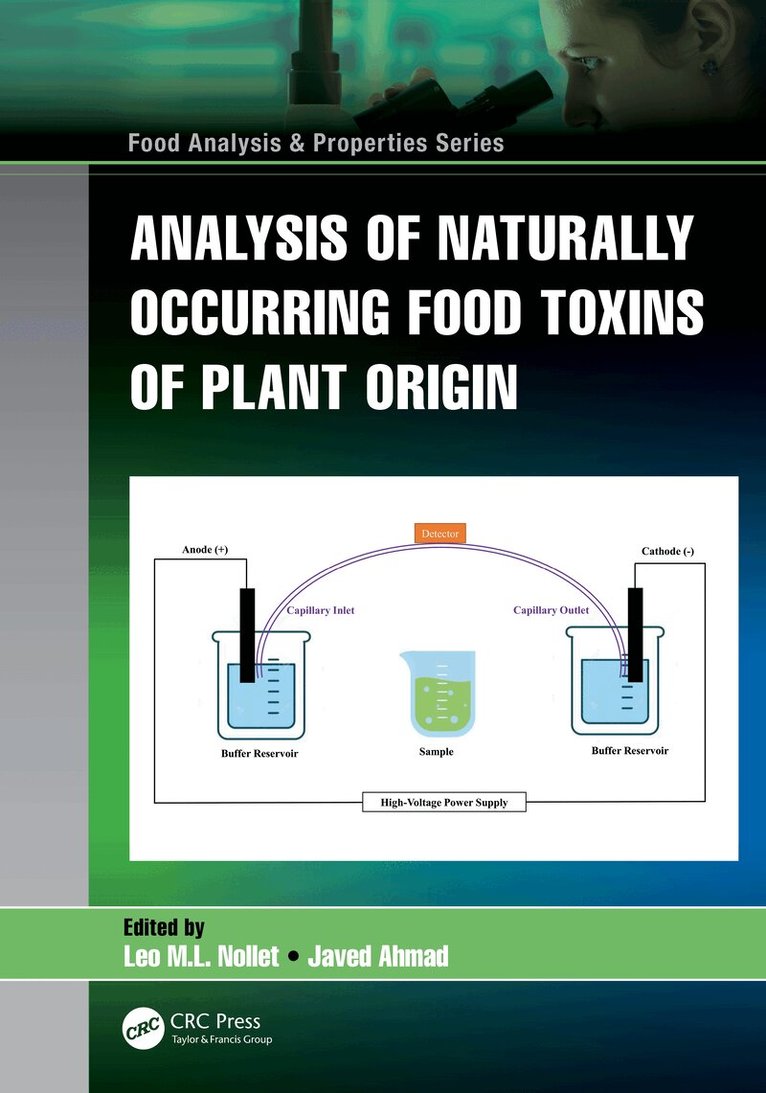
Analysis of Naturally Occurring Food Toxins of Plant Origin is divided into three sections that provide a detailed overview of different classes of food toxins that are naturally found in plants, including various analytical techniques used for their structural characterization, identification, detection, and quantification. This book provides in-depth information and comprehensive discussion over quantitative and qualitative analysis of natural toxins in plant-based foods.
Key Features:
• Provides a detailed overview of different classes of natural toxins found in plants.
• Explains how IR, NMR, and mass spectrometry are utilized in characterization and identification.
• Describes applicability of HPLC, LC-MS, GC-MS, and HPTLC techniques for detection and quantification.
• Discusses progress in the field related to capillary electrophoresis, ELISA, and biosensors for quantitative application of these techniques.
Also available in the Food Analysis and Properties Series:
Nutriomics: Well-being through Nutrition, edited by Devarajan Thangadurai,Saher Islam,Leo M.L. Nollet, Juliana Bunmi Adetunji (ISBN: 9780367695415)
Bioactive Peptides from Food: Sources, Analysis, and Functions, edited by Leo M.L. Nollet and Semih Ötleş (ISBN: 9780367608538)
Mass Spectrometry in Food Analysis, edited by Leo M.L. Nollet and Robert Winkler (ISBN: 9780367548797)
For a complete list of books in this series, please visit our website at:www.crcpress.com/Food-Analysis--Properties/book-series/CRCFOODANPRO
1 160 kr
Läs direkt efter köp
Natural toxins are toxic compounds that are naturally produced by living organisms. These toxins are not harmful to the organisms themselves, but they may be toxic to other creatures, including humans, when eaten. These chemical compounds have diverse structures and differ in biological function and toxicity. Some toxins are produced by plants as a natural defense mechanism against predators, insects, or microorganisms, or as a consequence of infestation with microorganisms, such as mold, in response to climate stress (such as drought or extreme humidity). Well-known groups of natural toxins of plant origin are: cyanogenic glycosides, pyrrolizidine alkaloids, furocoumarins, lectins, and glycoalkaloids. These plant-origin natural toxins can cause a variety of adverse health effects and pose a serious health threat to both humans and livestock.
Analysis of Naturally Occurring Food Toxins of Plant Origin is divided into three sections that provide a detailed overview of different classes of food toxins that are naturally found in plants, including various analytical techniques used for their structural characterization, identification, detection, and quantification. This book provides in-depth information and comprehensive discussion over quantitative and qualitative analysis of natural toxins in plant-based foods.
Key Features:
• Provides a detailed overview of different classes of natural toxins found in plants.
• Explains how IR, NMR, and mass spectrometry are utilized in characterization and identification.
• Describes applicability of HPLC, LC-MS, GC-MS, and HPTLC techniques for detection and quantification.
• Discusses progress in the field related to capillary electrophoresis, ELISA, and biosensors for quantitative application of these techniques.
Also available in the Food Analysis and Properties Series:
Nutriomics: Well-being through Nutrition, edited by Devarajan Thangadurai,Saher Islam,Leo M.L. Nollet, Juliana Bunmi Adetunji (ISBN: 9780367695415)
Bioactive Peptides from Food: Sources, Analysis, and Functions, edited by Leo M.L. Nollet and Semih Ötleş (ISBN: 9780367608538)
Mass Spectrometry in Food Analysis, edited by Leo M.L. Nollet and Robert Winkler (ISBN: 9780367548797)
For a complete list of books in this series, please visit our website at:www.crcpress.com/Food-Analysis--Properties/book-series/CRCFOODANPRO
1 160 kr
Läs direkt efter köp
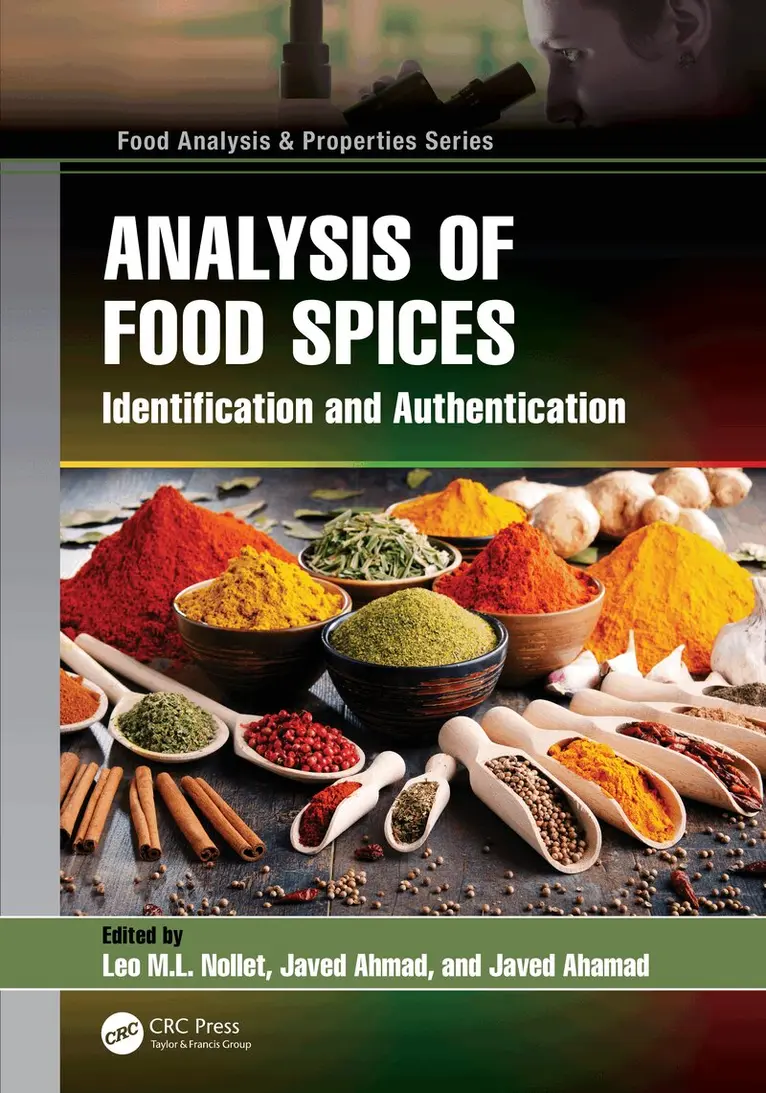
Spices are obtained from natural sources, especially from plants, and are used in cooking food in whole or grounded forms mainly for imparting flavor, aroma, and piquancy. Besides their role in improving food quality, spices also have health benefits that are anticancer, antidiabetic, antimicrobial, antioxidant, hypolipidemic, analgesic, immunostimulant, and more.
Spices are generally marketed in powder form, and their supply chain is very long and complicated, which is why they are particularly susceptible to adulteration at many points. The spice supply chain is considered to be moderately vulnerable and has an ineffective quality detection system in its final product, which is the main risk factor. There are many types of fraud nowadays related to spices such as adulteration, falsification, substitution, and inaccurate labeling.
Analysis of Food Spices: Identification and Authentication provides an overview of spices of different categories, such as terpenes and terpenoids, oleoresins, alkaloids, and polyphenolics and flavonoids, as well as qualitative and quantitative guidelines for ensuring their quality and safety using modern analytical tools and techniques. The first section of the book discusses the overview, sources, and health benefits of important categories of spices such as terpenes and terpenoids (cardamom, cinnamon, clove, coriander, cumin, fennel), oleoresins (capsicum, ginger, nutmeg), alkaloids (black pepper, fenugreek), and polyphenolics and flavonoids (basil, turmeric, olive, saffron). In the second section, qualitative diagnostic features of spices are covered. In the third section, the roles of quantitative analytical techniques, such as HPLC, LC-MS, HPTLC, GC, and GC-MS, capillary electrophoresis (CE), and other recent techniques in the analysis of food spices, are also discussed. Each chapter concludes with a general reference section, which is a bibliographic guide to more advanced texts.
Key Features
Provides a detailed overview of different food spices of plant origin, and discusses their health benefits and uses of different analytical techniques in its quality control Explains how qualitative diagnostic features of food spices are utilized as quality control tools Describes applicability of analytical techniques like HPLC, LC-MS, GC-MS, HPTLC, and CE for quality control of food spices Emphasizes use of recent techniques such as proteomics, biosensors, and more in the analysis/quality control of food spicesThis book will provide important guidelines for controlling quality, safety, and efficacy issues related to food spices.
1 160 kr
Läs direkt efter köp
Spices are obtained from natural sources, especially from plants, and are used in cooking food in whole or grounded forms mainly for imparting flavor, aroma, and piquancy. Besides their role in improving food quality, spices also have health benefits that are anticancer, antidiabetic, antimicrobial, antioxidant, hypolipidemic, analgesic, immunostimulant, and more.
Spices are generally marketed in powder form, and their supply chain is very long and complicated, which is why they are particularly susceptible to adulteration at many points. The spice supply chain is considered to be moderately vulnerable and has an ineffective quality detection system in its final product, which is the main risk factor. There are many types of fraud nowadays related to spices such as adulteration, falsification, substitution, and inaccurate labeling.
Analysis of Food Spices: Identification and Authentication provides an overview of spices of different categories, such as terpenes and terpenoids, oleoresins, alkaloids, and polyphenolics and flavonoids, as well as qualitative and quantitative guidelines for ensuring their quality and safety using modern analytical tools and techniques. The first section of the book discusses the overview, sources, and health benefits of important categories of spices such as terpenes and terpenoids (cardamom, cinnamon, clove, coriander, cumin, fennel), oleoresins (capsicum, ginger, nutmeg), alkaloids (black pepper, fenugreek), and polyphenolics and flavonoids (basil, turmeric, olive, saffron). In the second section, qualitative diagnostic features of spices are covered. In the third section, the roles of quantitative analytical techniques, such as HPLC, LC-MS, HPTLC, GC, and GC-MS, capillary electrophoresis (CE), and other recent techniques in the analysis of food spices, are also discussed. Each chapter concludes with a general reference section, which is a bibliographic guide to more advanced texts.
Key Features
Provides a detailed overview of different food spices of plant origin, and discusses their health benefits and uses of different analytical techniques in its quality control Explains how qualitative diagnostic features of food spices are utilized as quality control tools Describes applicability of analytical techniques like HPLC, LC-MS, GC-MS, HPTLC, and CE for quality control of food spices Emphasizes use of recent techniques such as proteomics, biosensors, and more in the analysis/quality control of food spicesThis book will provide important guidelines for controlling quality, safety, and efficacy issues related to food spices.
2 395 kr
Skickas inom 10-15 vardagar
1 004 kr
Skickas inom 10-15 vardagar
1 005 kr
Skickas inom 10-15 vardagar
2 957 kr
Skickas inom 10-15 vardagar
1 018 kr
Skickas inom 10-15 vardagar
2 957 kr
Skickas inom 10-15 vardagar
1 049 kr
Skickas inom 10-15 vardagar
3 278 kr
Läs direkt efter köp
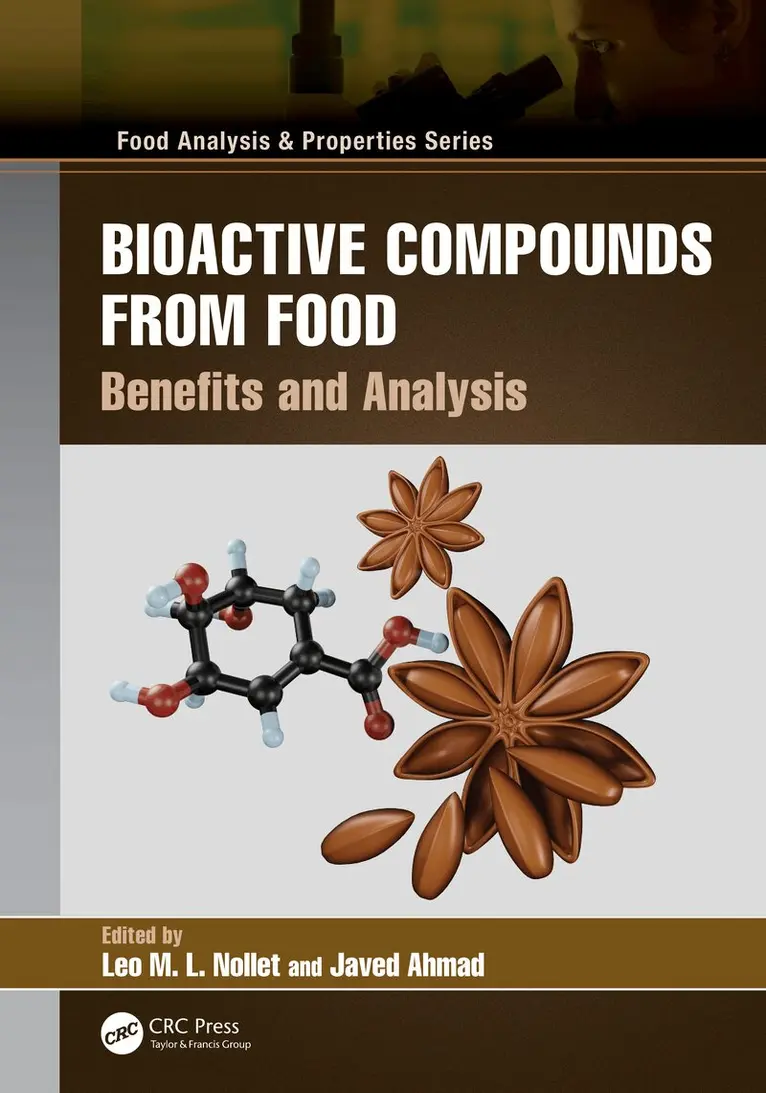
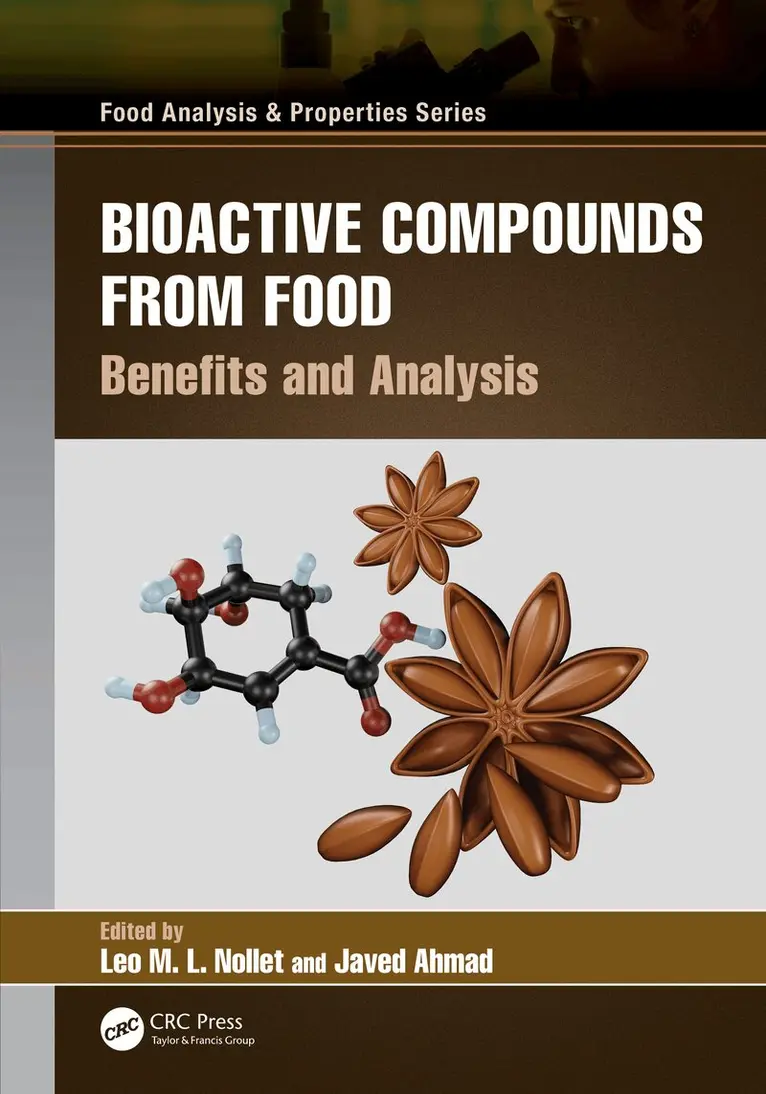
A bioactive compound is a type of chemical found in small amounts in plants and certain foods (such as fruits, vegetables, nuts, oils, and whole grains). Bioactive compounds have actions in the body that may promote good health. They are widely explored and investigated for their role in the prevention and treatment of various diseases, including cancer, cardiovascular disorders, and neurodegenerative disorders; thus, they are categorized as nutraceuticals. Examples of such bioactive compounds from food include lycopene, resveratrol, lignan, tannins, and indoles. Accordingly, the methods that are utilized to analyze these compounds for their identification, detection, and characterization are of great interest.
In Bioactive Compounds from Food: Benefits and Analysis, spectrophotometric, fluorometric, chromatographic, enzymatic, and electrophoretic methods that are utilized to analyze the different bioactive compounds of food are comprehensively discussed. In addition, the merits and limitations of the existing methods of analysis for bioactive compounds from food are also highlighted. Further, the benefits of these bioactive compounds on human health as anti-oxidative, anti-cancer, anti-diabetic, anti-inflammatory, anti-infective, anti-hyperlipidemic, and anti-hypertensive agents are also discussed with detailed insight and critical analysis of the contemporary research carried out in this domain.
Key Features:
Explores the world of bioactive compounds in foods Discusses recent analysis techniques for bioactive compounds Includes a summary of the health benefits of bioactive compounds Provides different analysis methods involved in the identification and quantification of food bioactive compoundsThis book provides in-depth information and a comprehensive discussion on the human health benefits of food bioactive compounds and the different methods of analysis involved in the identification and quantification of food bioactive compounds.
3 278 kr
Läs direkt efter köp
A bioactive compound is a type of chemical found in small amounts in plants and certain foods (such as fruits, vegetables, nuts, oils, and whole grains). Bioactive compounds have actions in the body that may promote good health. They are widely explored and investigated for their role in the prevention and treatment of various diseases, including cancer, cardiovascular disorders, and neurodegenerative disorders; thus, they are categorized as nutraceuticals. Examples of such bioactive compounds from food include lycopene, resveratrol, lignan, tannins, and indoles. Accordingly, the methods that are utilized to analyze these compounds for their identification, detection, and characterization are of great interest.
In Bioactive Compounds from Food: Benefits and Analysis, spectrophotometric, fluorometric, chromatographic, enzymatic, and electrophoretic methods that are utilized to analyze the different bioactive compounds of food are comprehensively discussed. In addition, the merits and limitations of the existing methods of analysis for bioactive compounds from food are also highlighted. Further, the benefits of these bioactive compounds on human health as anti-oxidative, anti-cancer, anti-diabetic, anti-inflammatory, anti-infective, anti-hyperlipidemic, and anti-hypertensive agents are also discussed with detailed insight and critical analysis of the contemporary research carried out in this domain.
Key Features:
Explores the world of bioactive compounds in foods Discusses recent analysis techniques for bioactive compounds Includes a summary of the health benefits of bioactive compounds Provides different analysis methods involved in the identification and quantification of food bioactive compoundsThis book provides in-depth information and a comprehensive discussion on the human health benefits of food bioactive compounds and the different methods of analysis involved in the identification and quantification of food bioactive compounds.
93 kr
Skickas inom 5-8 vardagar
50 kr
Läs direkt efter köp
940 kr
Skickas inom 5-8 vardagar