Javier Villa-Flores – författare
Visar alla böcker från författaren Javier Villa-Flores. Handla med fri frakt och snabb leverans.
4 produkter
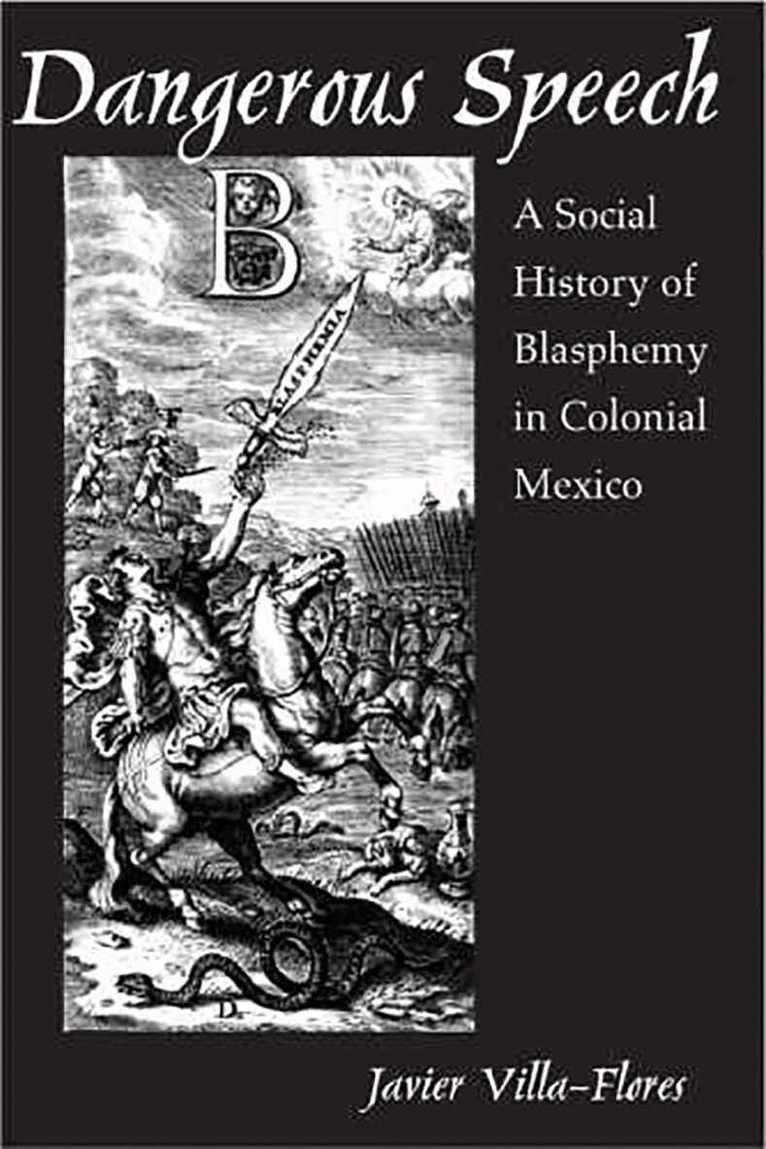
Dangerous Speech
A Social History of Blasphemy in Colonial Mexico
Häftad, 2006
571 kr
Lägg i varukorg
Dangerous Speech is the first systematic treatment of blasphemous speech in colonial Mexico. This engaging social history examines the representation of blasphemy as a sin and a crime, and its repression by the Spanish Inquisition. The Spanish colonists viewed blasphemy not only as an insult …
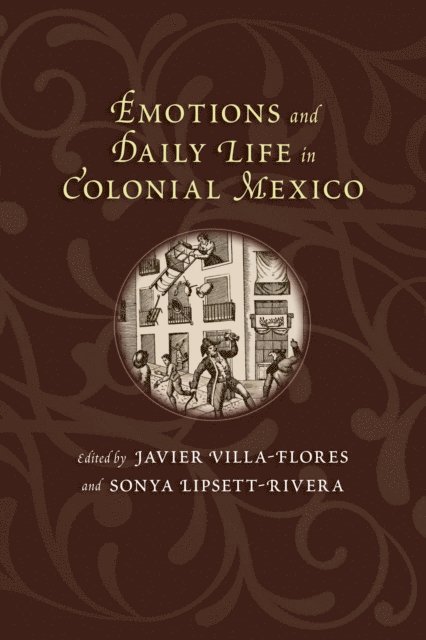
Emotions and Daily Life in Colonial Mexico
Av Sonya Lipsett-Rivera, Javier Villa-Flores
E-bok, 2014
428 kr
Lägg i varukorg
The history of emotions is a new approach to social history, and this book is the first in English to systematically examine emotions in colonial Mexico. It is easy to assume that emotions are a given, unchanging aspect of human psychology. But the emotions we feel reflect the times in which we …
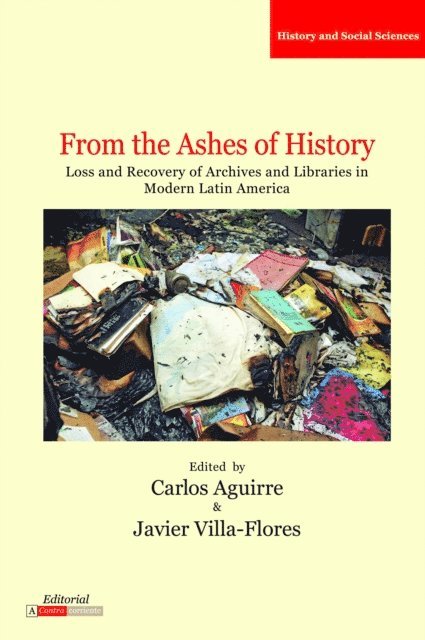
From the Ashes of History
Loss and Recovery of Archives and Libraries in Modern Latin America
Av Carlos Aguirre, Javier Villa-Flores
Häftad, 2015
322 kr
Lägg i varukorg
The formation, organization, and accessibility of archives and libraries are critical for the production of historical narratives. They contain the materials with which historians and others reconstruct past events. Archives and libraries, however, not only help produce history, but also have a …
From the Ashes of History
Loss and Recovery of Archives and Libraries in Modern Latin America
Av Javier Villa-Flores, Carlos Aguirre
E-bok, 2015
232 kr
Lägg i varukorg
The formation, organization, and accessibility of archives and libraries are critical for the production of historical narratives. They contain the materials with which historians and others reconstruct past events. Archives and libraries, however, not only help produce history, but also have a …