Jay Clayton – författare
Visar alla böcker från författaren Jay Clayton. Handla med fri frakt och snabb leverans.
14 produkter
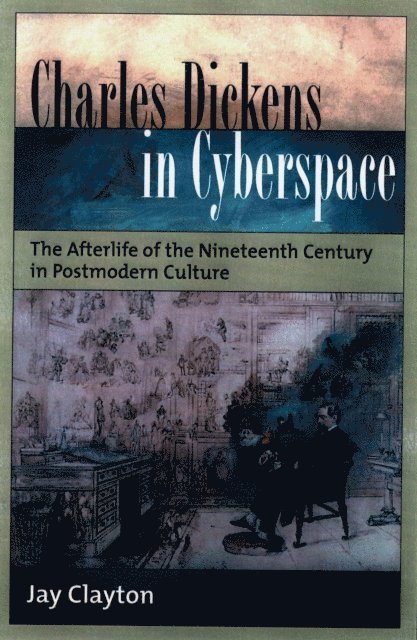
Charles Dickens in Cyberspace
The Afterlife of the Nineteenth Century in Postmodern Culture
Av Jay Clayton
E-bok, 2003
612 kr
Lägg i varukorg
Charles Dickens in Cyberspace opens a window on a startling set of literary and scientific links between contemporary American culture and the nineteenth-century heritage it often repudiates. Surveying a wide range of novelists, scientists, filmmakers, and theorists from the past two centuries, Jay …
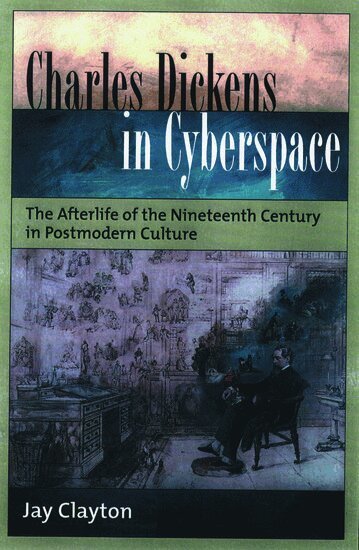
Charles Dickens in Cyberspace
The Afterlife of the Nineteenth Century in Postmodern Culture
Av Jay Clayton
Inbunden, 2003
2260 kr
Lägg i varukorg
Charles Dickens in Cyberspace opens a window on a startling set of literary and scientific links between contemporary American culture and the nineteenth-century heritage it often repudiates. Surveying a wide range of novelists, scientists, filmmakers, and theorists from the past two centuries, Jay …
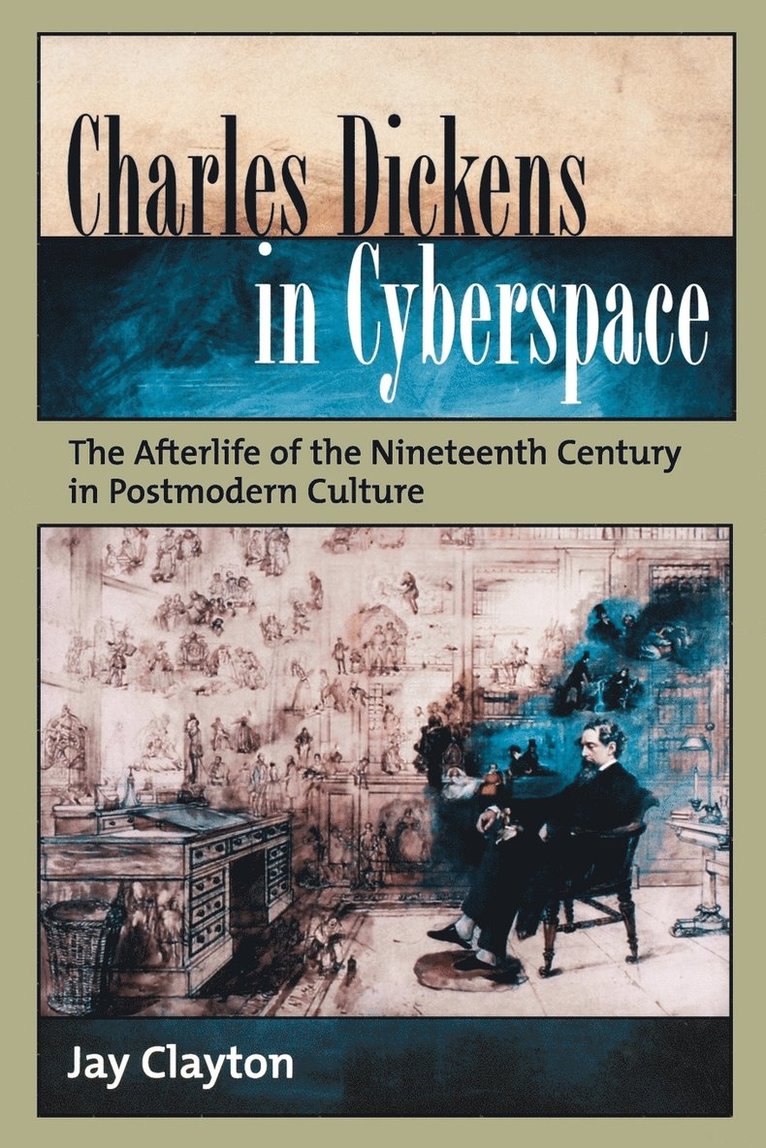
Charles Dickens in Cyberspace
The Afterlife of the Nineteenth Century in Postmodern Culture
Av Jay Clayton
Häftad, 2006
898 kr
Lägg i varukorg
Charles Dickens in Cyberspace opens a window on a startling set of literary and scientific links between contemporary American culture and the nineteenth-century heritage it often repudiates. Surveying a wide range of novelists, scientists, filmmakers, and theorists from the past two centuries, Jay …
Charles Dickens in Cyberspace
The Afterlife of the Nineteenth Century in Postmodern Culture
Av Jay Clayton
E-bok, 2003
612 kr
Lägg i varukorg
Charles Dickens in Cyberspace opens a window on a startling set of literary and scientific links between contemporary American culture and the nineteenth-century heritage it often repudiates. Surveying a wide range of novelists, scientists, filmmakers, and theorists from the past two centuries, Jay …
Pleasures of Babel
Contemporary American Literature and Theory
Av Jay Clayton
E-bok, 1993
780 kr
Lägg i varukorg
The Pleasures of Babel acquaints the layperson and the expert alike with the creative and intellectual achievements of America''s multicultural society. Arguing that the present is "a great period of writing," Jay Clayton relates novels from the seventies, eighties, and nineties to the latest …
Influence and Intertextuality in Literary History
Av Jay Clayton, Eric Rothstein
Häftad, 1991
251 kr
Lägg i varukorg
This collection explores and clarifies two of the most contested ideas in literary theory - influence and intertextuality. The study of influence tends to centre on major authors and canonical works, identifying prior documents as ""sources"" or ""contexts"" for a given author. Intertextuality, on …
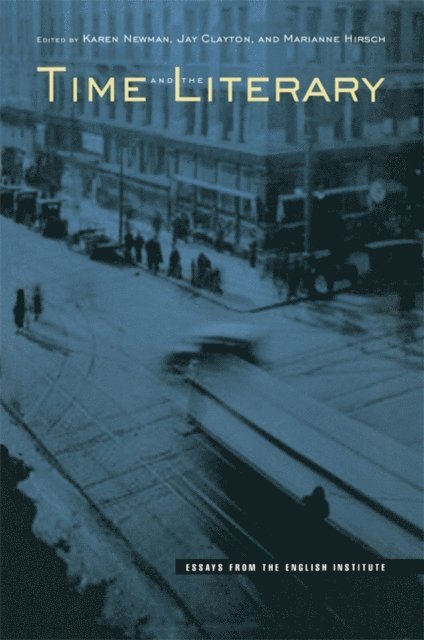
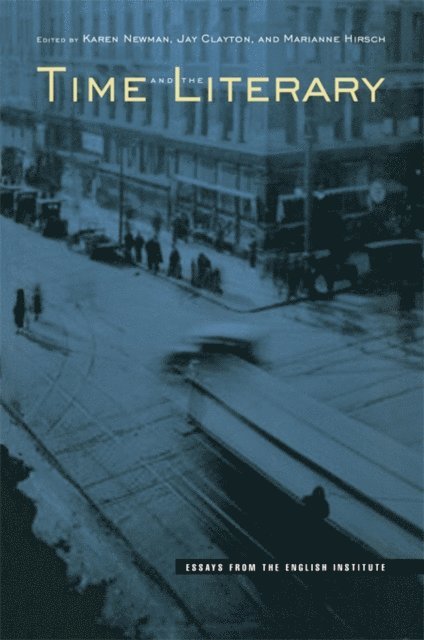
Time and the Literary
Av Karen Newman, Jay Clayton m. fl.
Inbunden, 2002
3564 kr
Lägg i varukorg
Time and the literary: the immediacy of information technology has supposedly annihilated both. Email, cell phones, satellite broadcasting seem to have ended the long-standing tradition of encoding our experience of time through writing. Paul de Man's seminal essay "Literary History and Literary …
Time and the Literary
Av Karen Newman, Jay Clayton m. fl.
Häftad, 2002
744 kr
Lägg i varukorg
Time and the literary: the immediacy of information technology has supposedly annihilated both. Email, cell phones, satellite broadcasting seem to have ended the long-standing tradition of encoding our experience of time through writing. Paul de Man's seminal essay "Literary History and Literary …
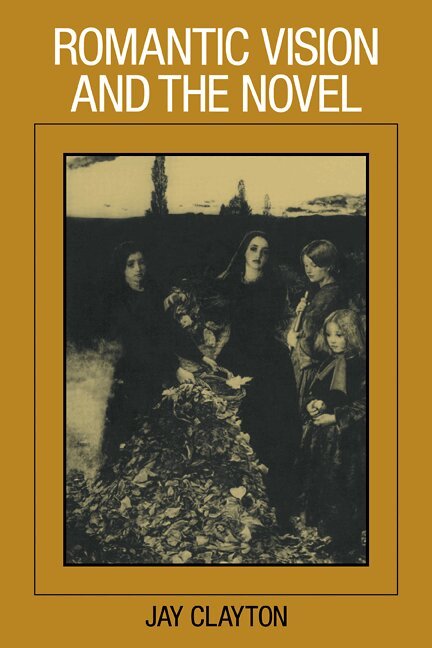
Romantic Vision and the Novel
Av Jay Clayton
Häftad, 2009
804 kr
Lägg i varukorg
In this important contribution to the poetics of fiction Dr Jay Clayton examines the way the Romantic visionary moment alters narrative structure in the novel. This study provides the first account of the relationship between Romanticism and the English novel, giving detailed attention to the …
Literature, Science, and Public Policy
From Darwin to Genomics
Av Jay Clayton
Inbunden, 2023
1831 kr
Lägg i varukorg
Literature, Science, and Public Policy shows how literature can influence public policy concerning scientific controversies in genetics and other areas. Literature brings unique insights to issues involving cloning, GMOs, gene editing, and more by dramatizing their full human complexity. …
Literature, Science, and Public Policy
From Darwin to Genomics
Av Jay Clayton
E-bok, 2023
1668 kr
Lägg i varukorg
Literature, Science, and Public Policy
From Darwin to Genomics
Av Jay Clayton
E-bok, 2023
1668 kr
Lägg i varukorg
Time and the Literary
Av Marianne Hirsch, Jay Clayton m. fl.
E-bok, 2013
849 kr
Lägg i varukorg
Time and the literary: the immediacy of information technology has supposedly annihilated both. Email, cell phones, satellite broadcasting seem to have ended the long-standing tradition of encoding our experience of time through writing. Paul de Man''s seminal essay "Literary History and Literary …
Time and the Literary
Av Marianne Hirsch, Jay Clayton m. fl.
E-bok, 2013
857 kr
Lägg i varukorg
Time and the literary: the immediacy of information technology has supposedly annihilated both. Email, cell phones, satellite broadcasting seem to have ended the long-standing tradition of encoding our experience of time through writing. Paul de Man''s seminal essay "Literary History and Literary …