Jaynie Anderson - Böcker
Visar alla böcker från författaren Jaynie Anderson. Handla med fri frakt och snabb leverans.
8 produkter
8 produkter
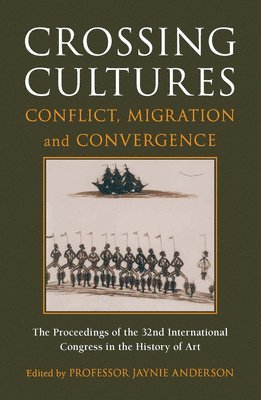
Crossing Cultures
Conflict, Migration and Convergence: Conference Papers of the 32nd Congress of the International Committee of the History of Art
Häftad, Engelska, 2009
5 043 kr
Skickas inom 7-10 vardagar
Crossing Cultures: Conflict, Migration and Convergence is an in-depth examination of the effect of globalism on art and art history. Covering all aspects of art—including traditional media, painting, sculpture, architecture and the crafts, as well as design, film, visual performance and new media—it explores the themes of conflict, migration and convergence in the visual, symbolic and artistic exchanges between cultures throughout history.Crossing Cultures is a compliation of the conference papers from the 32nd International Congress in the History of Art organised by the International Committee of the History of Art (CIHA), edited by conference convenor Professor Jaynie Anderson. This volume contains more than 200 papers presented at the congress by art historians from twenty-five countries, including Homi K Bhabha (Harvard University), Michael Brand (Director of the John Paul Getty Museum, Los Angeles), Marcia Langton (Chair of Australian Indigenous Studies, University of Melbourne), Ronald de Leeuw (Director of the Rijksmuseum, Amsterdam), Neil McGregor (Director of the British Museum, London) and Ruth B Phillips (Canada Research Chair in Modern Culture and Professor of Art History, Carleton University, Ottawa).Never before has the state of art history in our polycentric world been demonstrated so well. Crossing Cultures encourages fresh thinking about global art history.
454 kr
Skickas inom 7-10 vardagar
The Architecture of Devotion: James Goold and His Legacies in Colonial Melbourne
Inbunden, Engelska, 2022
603 kr
Skickas inom 7-10 vardagar
440 kr
Kommande
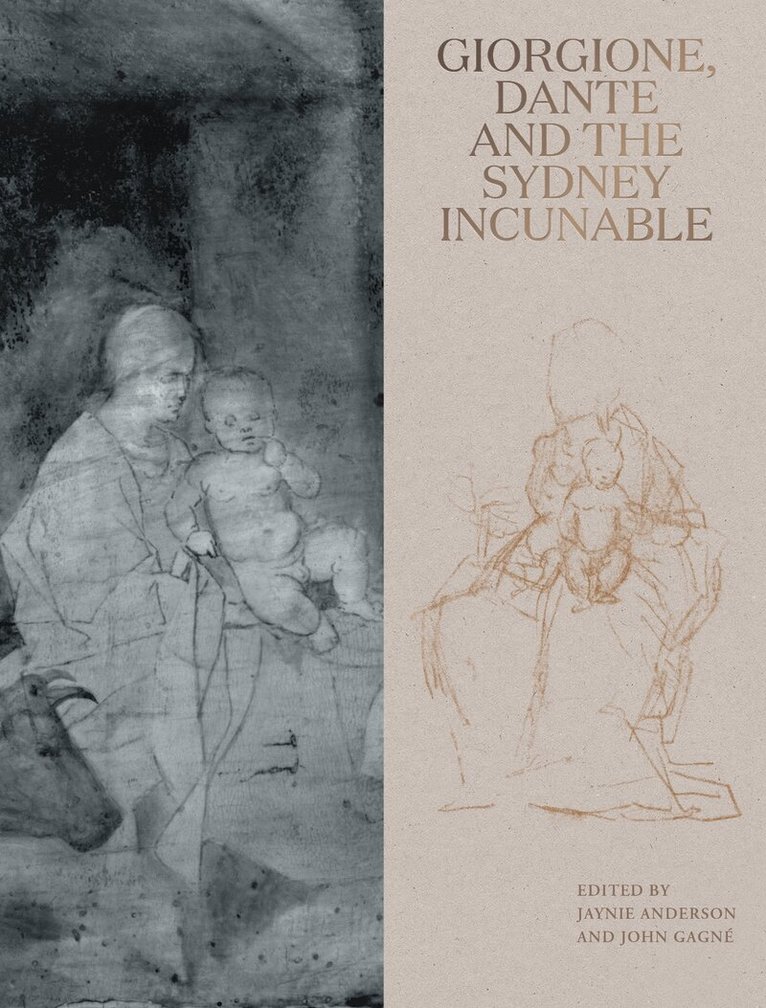
While preparing for an event at the University of Sydney in 2017, a librarian turned to the back page of the library's 1497 copy of Dante Alighieri's Divine Comedy and made a curious discovery. In red chalk was a drawing of a woman and baby, and an inscription in Italian:On the day of 17th September, Giorgione of Castelfranco, a very excellent artist, died of the plague in Venice at the age of 36 and he rests in peace.This discovery would shine the international art history spotlight on Sydney and begin a project that has seen state-of-the-art imaging techniques used alongside good old-fashioned archival research in a quest for answers.Was the drawing on the endpaper actually by Giorgione? Was Dante his inspiration? Do we have for the first time the dates of Giorgione's birth and death? How should we reimagine Giorgione's chronology? And how did the early edition of Divine Comedy end up in Sydney?Bringing together scholars from art history, Italian studies, librarianship and book history from Sydney to the Vatican, Giorgione, Dante and the Sydney Incunable tells a story of the provenance and significance of this remarkable discovery.
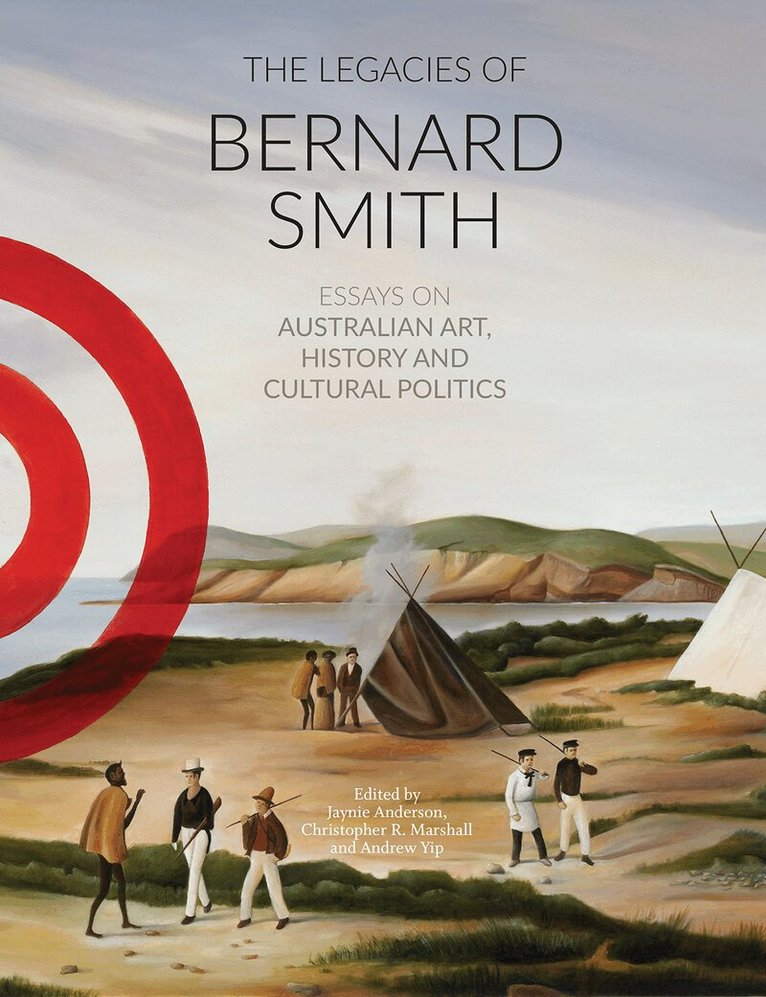
Legacies of Bernard Smith
Essays on Australian Art, History and Cultural Politics
Häftad, Engelska, 2016
216 kr
Skickas inom 7-10 vardagar
706 kr
Skickas inom 5-8 vardagar
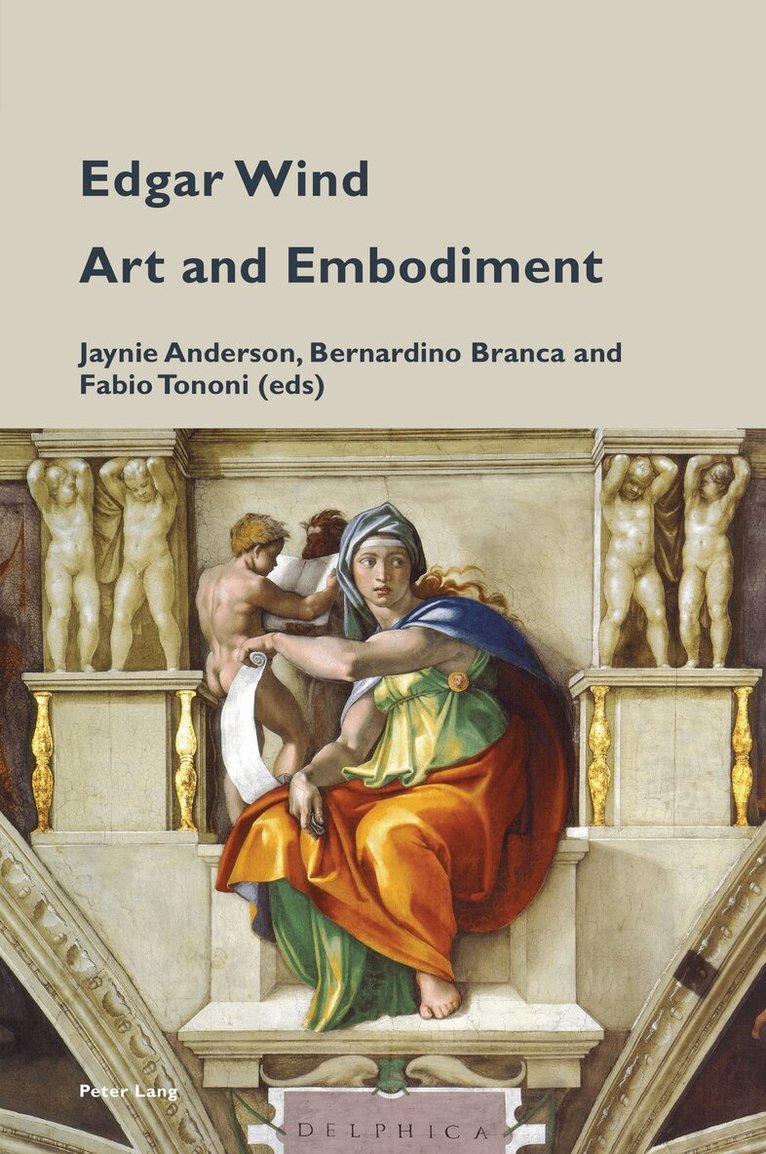
«A completely fascinating volume. Essential reading on the development of art and cultural history in the twentieth century. It confirms Edgar Wind as one of the master thinkers in both domains. Difficult, mercurial and always original, his work has never ceased to be stimulating, as this book so vividly shows. No one who heard his lectures as the first Professor of Art History at Oxford, or his 1960 Reith lectures entitled Art and Anarchy has ever forgotten the richness of their content or the elegance with which he delivered them. His brilliance and his complicated character could not emerge more clearly than in this outstanding series of essays – one as compelling as the other. It could hardly be otherwise. This is a team of both younger and more senior scholars headed by Jaynie Anderson (more responsible than any for the revival of Wind’s reputation), that includes Oswyn Murray (who knew him well), and Elizabeth Sears (who knows the complex cast of characters involved in the history of the great institute founded by Aby Warburg in Hamburg better than anyone else). Here are rich accounts of Wind’s challenges to Warburg’s colleagues and protegés such as Ernst Cassirer, Fritz Saxl, Erwin Panofsky and many others, as well as his fundamental role in the transfer of the Institute to London and the consequences of his unfortunate separation from it.»(David Freedberg, Pierre Matisse Professor Emeritus of the History of Art, Columbia University)«This close attention to Edgar Wind is long overdue. The vast range of interests and ideas of the German-trained mainstay of art history in England at last find proper tribute and assessment in this volume. Not only are his own close studies of cultural symbols examined anew, but his dialogues with mentors are also assessed. This collection of scholarly essays provides a much-needed suggestion of Wind’s own contributions and should spark a vital return to his legacy.»(Larry Silver, Farquhar Professor of Art History, Emeritus, University of Pennsylvania)Edgar Wind (1900–1971) was a cosmopolitan scholar who made important contributions to many disciplines, including philosophy, Renaissance art history and modern art criticism.This book considers a crucial question: to understand the work of an art historian, how important is it to know their life story? In the case of Edgar Wind, biography and scholarly endeavour are intimately connected. His intellectual exchanges with leading art historians, philosophers and artists of his day were essential for his research. Moreover, his wife, Margaret Wind, was determined to establish an Edgar Wind Archive after his death.This book is the first comprehensive study in English of Wind’s intellectual achievements.Open Access Chapter 4 is available hereOpen Access Chapter 7 is available here
377 kr
Skickas inom 7-10 vardagar
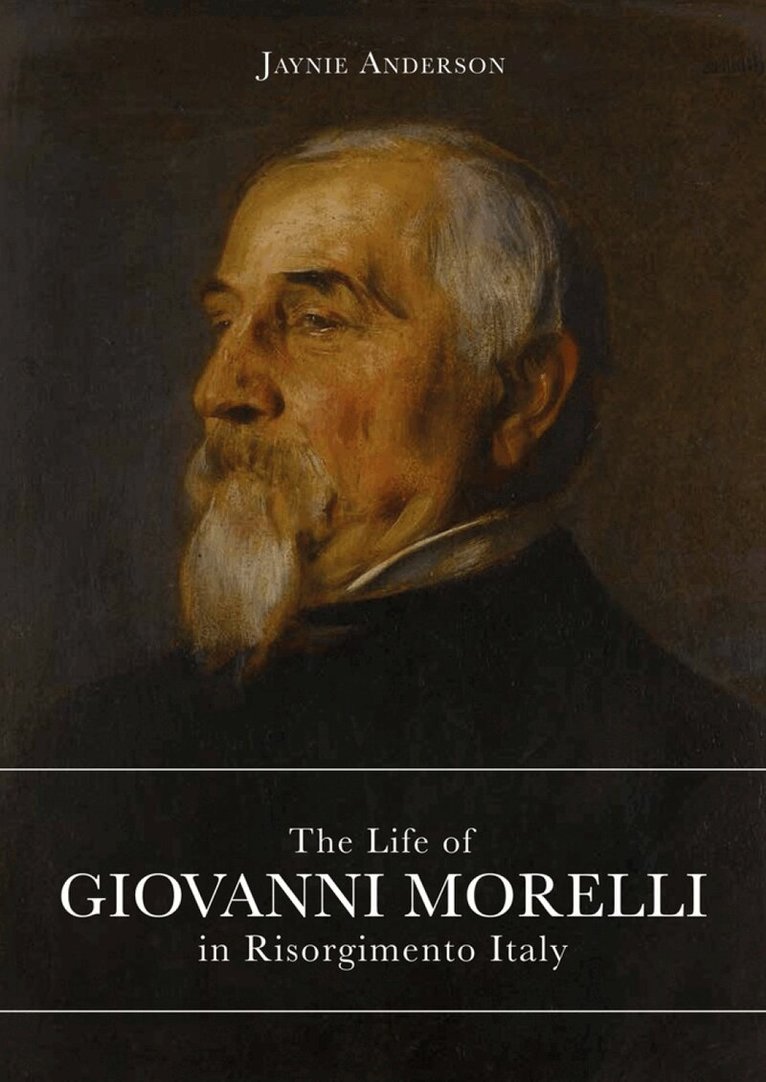
Giovanni Morelli changed the way we look at art. Before Morelli (1816-1891), the attribution of a painting to a particular artist or school was often based on overall impression, hearsay, even gut feeling. But Morelli, having trained as a medical doctor to look closely at anatomical detail, applied scientific rigor to understanding the works of masters such as Titian, Leonardo, and Raphael, and of other Renaissance and Baroque painters. By closely scrutinising, analysing and comparing details overlooked by most other collectors, critics, and curators, his radical 'Morellian method' became the basis of modern art connoisseurship.A proud Italian of Swiss Protestant heritage, Morelli was also a staunch patriot. He risked his life in the Italian Wars of Independence, and was elected four times to the parliament of the newly unified nation. In 1873 he was nominated senator for life. As a statesman he fought for his homeland's cultural patrimony: at a time when many of Italy's great art collections were being snapped up by foreign collectors and museums, he introduced some of the world's first legislation to prevent their loss to the nation. The Life of Giovanni Morelli in Risorgimento Italy is the first full biography of this important figure, including his romantic friendships with remarkable women such as Clementina Frizzoni, Laura Acton Minghetti (wife of the Italian prime minister), and Princess Victoria (daughter of Queen Victoria and subsequently empress of Germany). At his death he bequeathed his art collection to the Accademia Carrara in Bergamo, the birthplace of his mother, a city he loved.
376 kr
Skickas inom 7-10 vardagar
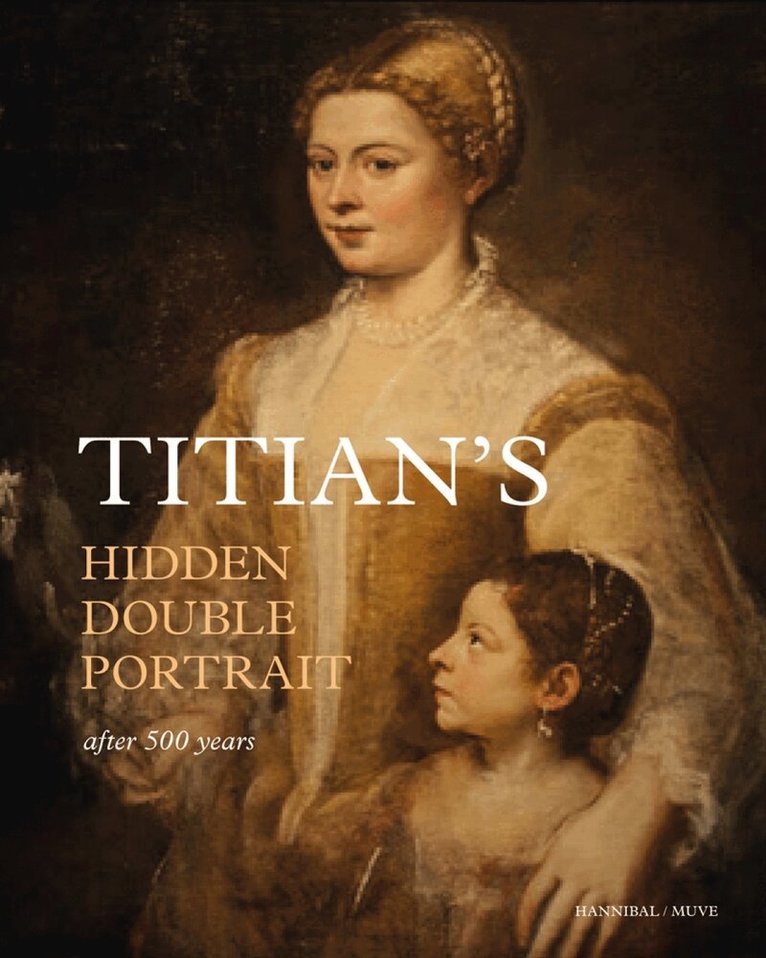
This book recounts the fascinating history of Titian's unfinished portrait, A Lady and her Daughter (possibly his mistress Milia and their daughter), which dates from the early 1550s. After Titian's death in 1576, it was repainted in his studio with a more saleable image of Tobias and the Angel. Often presented as Titian's work but in a style which made the attribution suspect, the painting has had a succession of owners. It belonged to Tsar Nicholas I for a short time, and ultimately to the art dealer René Gimpel, who hid it with other artwork in a warehouse in London during World War II, where it miraculously survived the Blitz. It was not until the mid-20th century that an x-ray examination uncovered the beautiful painting underneath, an undisputed work by the great master himself. The painstaking restoration process, begun in 1983, took 20 years. Notable art historians and conservators have contributed essays that offer an in-depth examination of this exceptional and mysterious painting.