
J.D. Dickey – författare
Visar alla böcker från författaren J.D. Dickey. Handla med fri frakt och snabb leverans.
3 produkter
3 produkter
290 kr
Tillfälligt slut
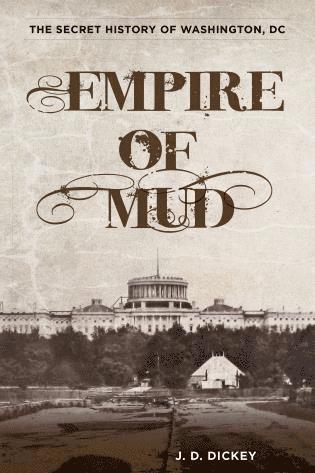
Washington, DC, gleams with stately columns and neoclassical temples, a pulsing hub of political power and prowess. But for decades it was one of the worst excuses for a capital city the world had ever seen. Before America became a world power in the twentieth century, Washington City was an eyesore at best and a disgrace at worst. Unfilled swamps, filthy canals, and rutted horse trails littered its landscape. Political bosses hired hooligans and thugs to conduct the nation's affairs. Legendary madams entertained clients from all stations of society and politicians of every party. The police served and protected with the aid of bribes and protection money. Beneath pestilential air, the city's muddy roads led to a stumpy, half-finished obelisk to Washington here, a domeless Capitol Building there. Lining the streets stood boarding houses, tanneries, and slums. Deadly horse races gouged dusty streets, and opposing factions of volunteer firefighters battled one another like violent gangs rather than life-saving heroes. The city's turbulent history set a precedent for the dishonesty, corruption, and mismanagement that have led generations to look suspiciously on the various sin--both real and imagined--of Washington politicians. Empire of Mud unearths and untangles the roots of our capital's story and explores how the city was tainted from the outset, nearly stifled from becoming the proud citadel of the republic that George Washington and Pierre L'Enfant envisioned more than two centuries ago.
254 kr
Skickas inom 5-8 vardagar
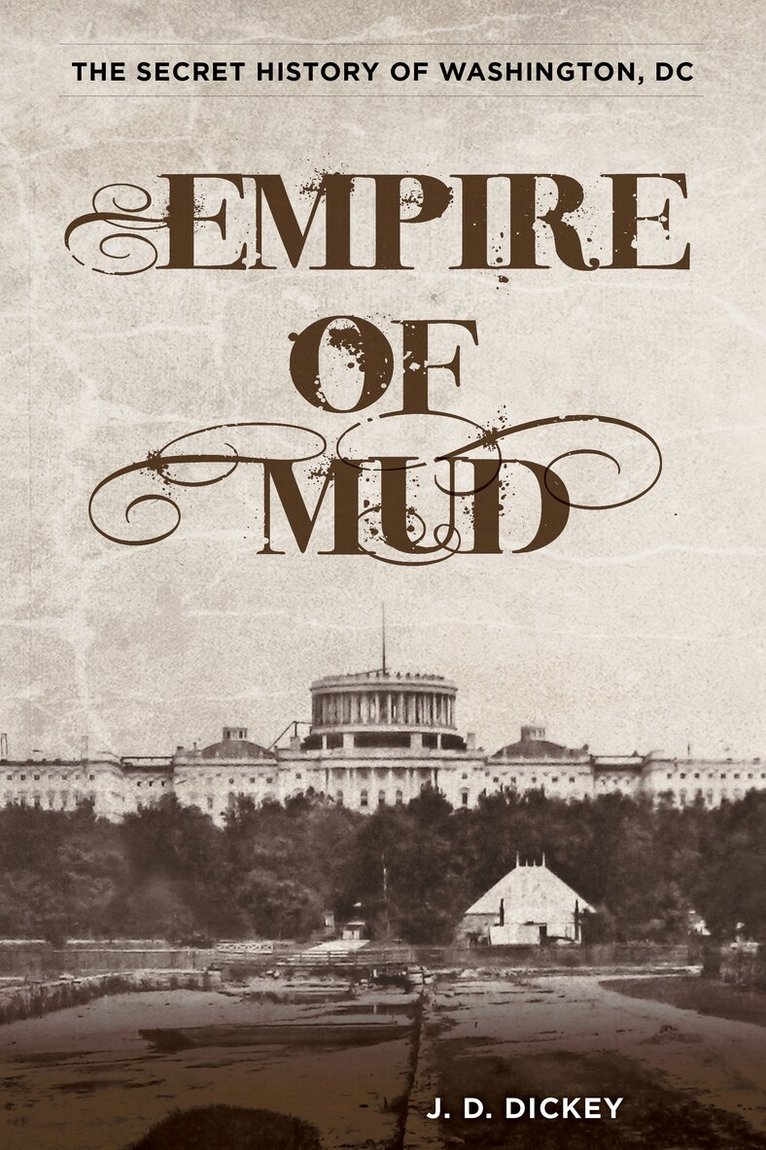
Washington, DC, gleams with stately columns and neoclassical temples, a pulsing hub of political power and prowess. But for decades it was one of the worst excuses for a capital city the world had ever seen. Before America became a world power in the twentieth century, Washington City was an eyesore at best and a disgrace at worst. Unfilled swamps, filthy canals, and rutted horse trails littered its landscape. Political bosses hired hooligans and thugs to conduct the nation's affairs. Legendary madams entertained clients from all stations of society and politicians of every party. The police served and protected with the aid of bribes and protection money. Beneath pestilential air, the city’s muddy roads led to a stumpy, half-finished obelisk to Washington here, a domeless Capitol Building there. Lining the streets stood boarding houses, tanneries, and slums. Deadly horse races gouged dusty streets, and opposing factions of volunteer firefighters battled one another like violent gangs rather than life-saving heroes. The city’s turbulent history set a precedent for the dishonesty, corruption, and mismanagement that have led generations to look suspiciously on the various sin--both real and imagined--of Washington politicians. Empire of Mud unearths and untangles the roots of our capital’s story and explores how the city was tainted from the outset, nearly stifled from becoming the proud citadel of the republic that George Washington and Pierre L'Enfant envisioned more than two centuries ago.
Republic of Violence
The Tormented Rise of Abolition in Andrew Jackson's America
Inbunden, Engelska, 2022
235 kr
Skickas
A New York Times bestselling author reveals the story of a nearly forgotten moment in American history, when mass violence was not an aberration, but a regular activity—and nearly extinguished the Abolition movement.The 1830s were the most violent time in American history outside of war. Men battled each other in the streets in ethnic and religious conflicts, gangs of party henchmen rioted at the ballot box, and assault and murder were common enough as to seem unremarkable. The president who presided over the era, Andrew Jackson, was himself a duelist and carried lead in his body from previous gunfights. It all made for such a volatile atmosphere that a young Abraham Lincoln said “outrages committed by mobs form the every-day news of the times.” The principal targets of mob violence were abolitionists and black citizens, who had begun to question the foundation of the U.S. economy — chattel slavery — and demand an end to it. Led by figures like William Lloyd Garrison and James Forten, the anti-slavery movement grew from a small band of committed activists to a growing social force that attracted new followers in the hundreds, and enemies in the thousands. Even in the North, abolitionists faced almost unimaginable hatred, with newspaper publishers, businessmen with a stake in the slave trade, and politicians of all stripes demanding they be suppressed, silenced or even executed. Carrying bricks and torches, guns and knives, mobs created pandemonium, and forced the abolition movement to answer key questions as it began to grow: Could nonviolence work in the face of arson and attempted murder? Could its leaders stick together long enough to build a movement with staying power, or would they turn on each other first? And could it survive to last through the decade, and inspire a new generation of activists to fight for the cause? J.D. Dickey reveals the stories of these Black and white men and women persevered against such threats to demand that all citizens be given the chance for freedom and liberty embodied in the Declaration of Independence. Their sacrifices and strategies would set a precedent for the social movements to follow, and lead the nation toward war and emancipation, in the most turbulent era of our republic of violence.