Jean-Baptiste Fressoz – författare
Visar alla böcker från författaren Jean-Baptiste Fressoz. Handla med fri frakt och snabb leverans.
10 produkter
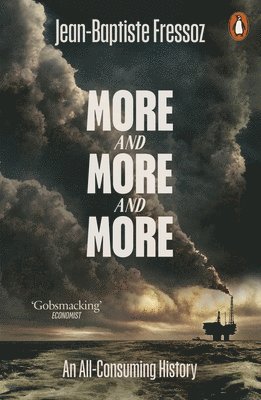
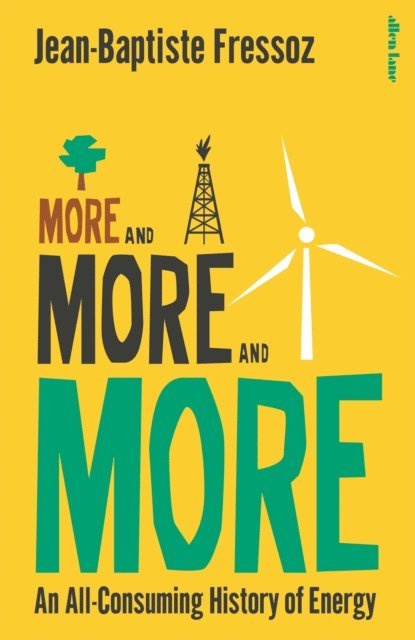
More and More and More
An All-Consuming History
Häftad, 2025
171 kr
Lägg i varukorg
A radical new history of energy and humanity's insatiable need for resources that will change the way we talk about climate change *Winner of a Nouvel Observateur Award, a Fondation pour l'écologie politique Award, the Prix du jury Turgot and the Prix du Sénat du livre d’histoire 2025**Selected as …
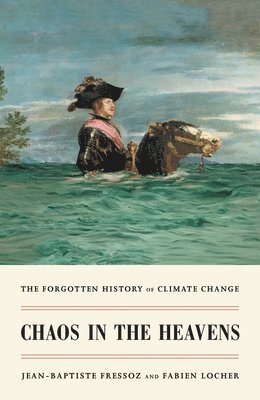
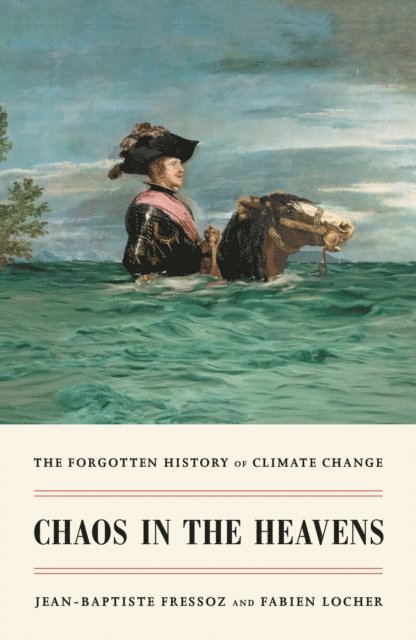
Chaos in the Heavens
The Forgotten History of Climate Change
Av Jean-Baptiste Fressoz, Fabien Locher
Inbunden, 2024
312 kr
Lägg i varukorg
Nothing could seem more contemporary than climate change. Yet, in Chaos in the Heavens, Jean-Baptiste Fressoz and Fabien Locher show that we have been thinking about and debating the consequences of our actions upon the environment for centuries. The subject was raised wherever history accelerated: …
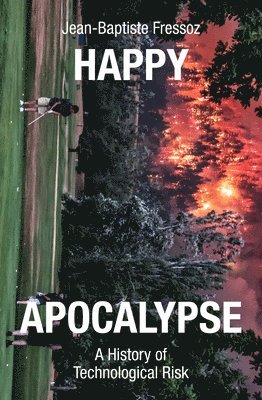
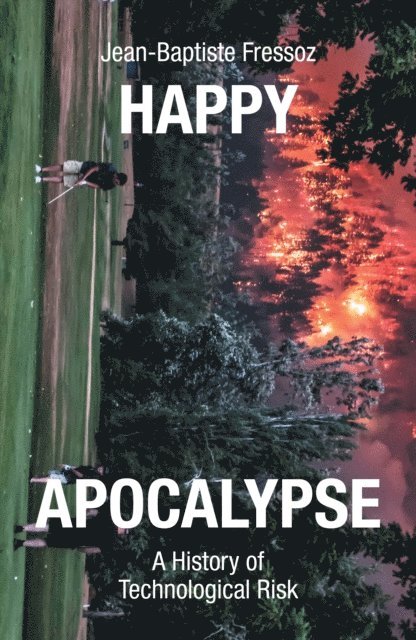
Happy Apocalypse
A History of Technological Risk
Inbunden, 2024
251 kr
Lägg i varukorg
Being environmentally conscious is not nearly as modern as we imagine. As a mode of thinking it goes back hundreds of years. Yet we typically imagine ourselves among the first to grasp the impact humanity has on the environment. Hence there is a fashion for green confessions and mea culpas.But the …
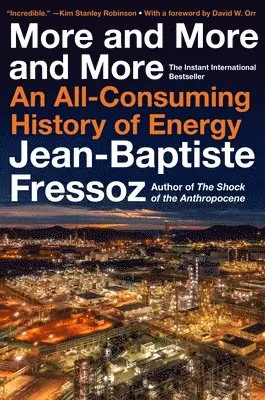
More and More and More
An All-Consuming History of Energy
E-bok, 2024
125 kr
Lägg i varukorg
A radical new history of energy and humanity's insatiable need for resources that will change the way we talk about climate change *Winner of a Nouvel Observateur Award, a Fondation pour l'écologie politique Award, the Prix du jury Turgot and the Prix du Sénat du livre d’histoire 2025**Selected as …
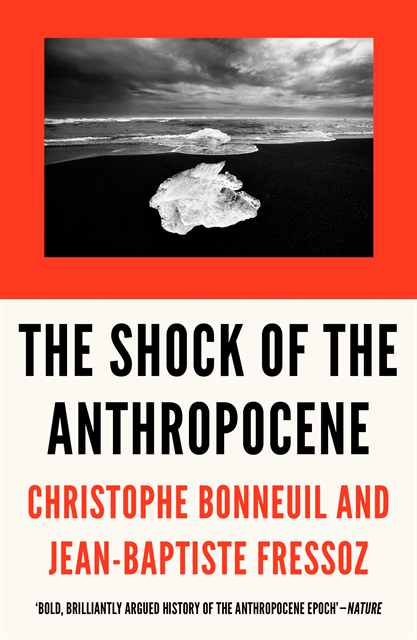
Shock of the Anthropocene
The Earth, History and Us
Av Christophe Bonneuil, Jean-Baptiste Fressoz
E-bok, 2016
130 kr
Lägg i varukorg
The Earth has entered a new epoch: the Anthropocene. What we are facing is not only an environmental crisis, but a geological revolution of human origin. In two centuries, our planet has tipped into a state unknown for millions of years. How did we get to this point? Refuting the convenient view of …
Shock of the Anthropocene
The Earth, History and Us
Av Christophe Bonneuil, Jean-Baptiste Fressoz
Häftad, 2017
318 kr
Lägg i varukorg
The Earth has entered a new epoch: the Anthropocene. What we are facing is not only an environmental crisis, but a geological revolution of human origin. In two centuries, our planet has tipped into a state unknown for millions of years.How did we get to this point? Refuting the convenient view of …
Happy Apocalypse
A History of Technological Risk
E-bok, 2024
179 kr
Lägg i varukorg
Being environmentally conscious is not nearly as modern as we imagine. As a mode of thinking it goes back hundreds of years. Yet we typically imagine ourselves among the first to grasp the impact humanity has on the environment. Hence there is a fashion for green confessions and mea culpas . But …
Chaos in the Heavens
The Forgotten History of Climate Change
Av Jean-Baptiste Fressoz, Fabien Locher
E-bok, 2024
268 kr
Lägg i varukorg
Nothing could seem more contemporary than climate change. Yet, in Chaos in the Heavens , Jean-Baptiste Fressoz and Fabien Locher show that we have been thinking about and debating the consequences of our actions upon the environment for centuries. The subject was raised wherever history …
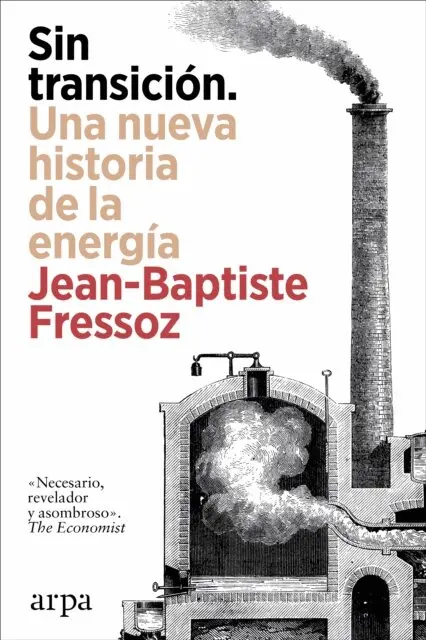
Sin transición. Una nueva historia de la energía
E-bok, 2025
180 kr
Lägg i varukorg
Premiado por su lucidez y rigor, este libro ha sido distinguido con el Premio del Senado para libros de historia y el Turgot 2025, entre otros.El historiador de la Ciencia Jean-Baptiste Fressoz propone una historia radicalmente nueva de las fuentes de energía. En lugar de presentarlas como etapas …