Jean Fernandez - Böcker
Visar alla böcker från författaren Jean Fernandez. Handla med fri frakt och snabb leverans.
5 produkter
5 produkter
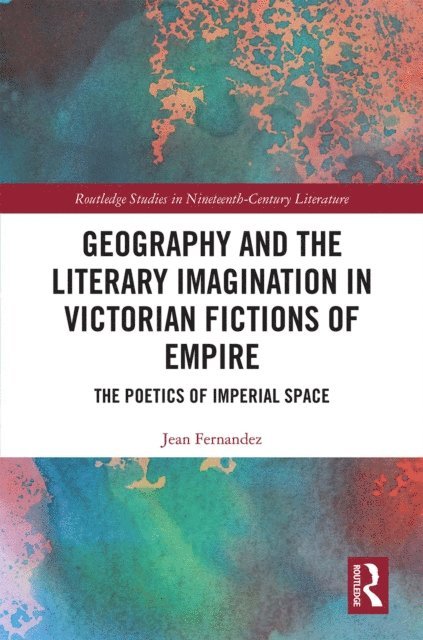
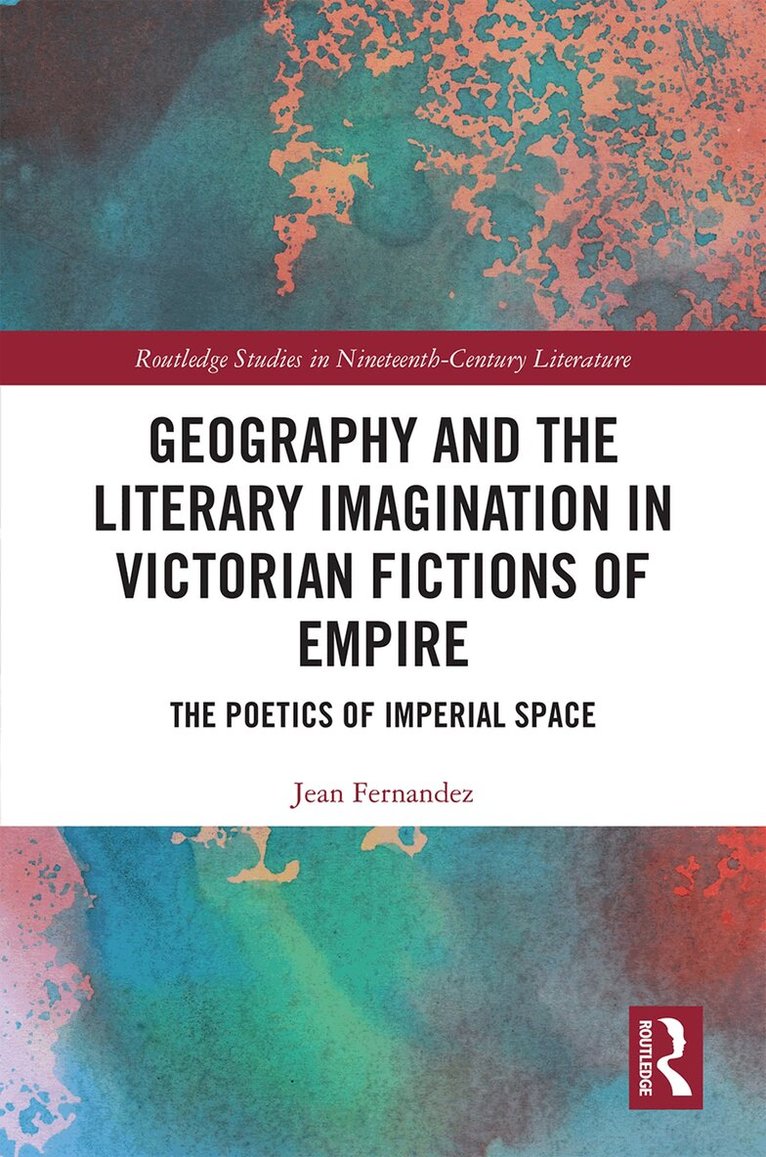
Geography and the Literary Imagination in Victorian Fictions of Empire
The Poetics of Imperial Space
Inbunden, Engelska, 2020
2 430 kr
Skickas inom 10-15 vardagar
In this pioneering study, Dr. Fernandez explores how the rise of institutional geography in Victorian England impacted imperial fiction’s emergence as a genre characterized by a preoccupation with space and place. This volume argues that the alliance between institutional geography and the British empire which commenced with the founding of the Royal Geographical Society in 1830, shaped the spatial imagination of Victorians, with profound consequences for the novel of empire. Geography and the Literary Imagination in Victorian Fictions of Empire examines Presidential Addresses and reports of the Royal Geographical Society, and demonstrates how geographical studies by explorers, cartographers, ethnologists, medical topographers, administrators, and missionaries published by the RGS, local geographical societies, or the colonial state, acquired relevance for Victorian fiction’s response to the British Empire. Through a series of illuminating readings of literary works by R.L. Stevenson, Olive Schreiner, Flora Annie Steel, Winwood Reade, Joseph Conrad, and Rudyard Kipling, the study demonstrates how nineteenth-century fiction, published between 1870 and 1901, reflected and interrogated geographical discourses of the time. The study makes the case for the significance of physical and human geography for literary studies, and the unique historical and aesthetic insights gained through this approach.
2 664 kr
Skickas inom 10-15 vardagar
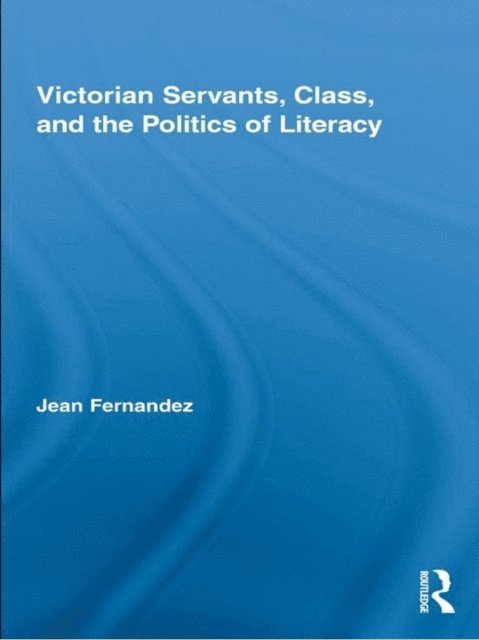
In this volume, Fernandez brings the under-examined figure of the Victorian servant out of obscurity in order to tell the story of his or her encounter with literacy, as imagined and represented in nineteenth-century fiction, autobiography, pamphlets and diaries. A vast body of writing is uncovered on the management of servant literacy in Victorian periodicals, advice manuals, cartoons, sermons, books on household management, and pornography, thereby revealing that the domestic sphere was a crucial war zone in the battle over mass literacy. By attending to how fictional and nonfictional texts of the age feature literate servant narrators, she demonstrates how the issue of servant literacy as a cultural phenomenon has profound implications for our understanding of the nexus between class, mass literacy, voice and narrative power in the nineteenth century. The study reads canonical fiction by Mary Wollstonecraft, Emily Bronte, Elizabeth Gaskell, Wilkie Collins, and R.L. Stevenson alongside popular detective fiction by Catherine Crowe, the Diaries of Hannah Cullwick, and best-selling pamphlets of the age, while introducing to Victorian scholarship hitherto little known or unknown servant autobiographies that address life history as an engagement with literacy.
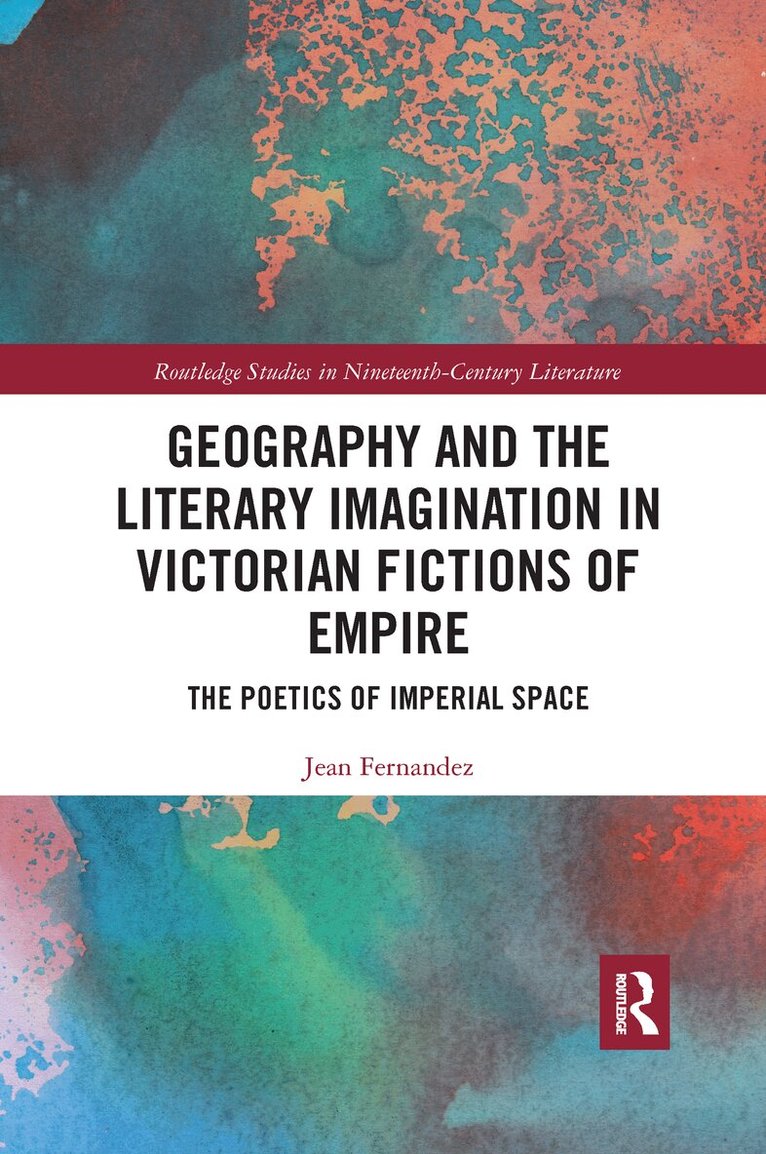
Geography and the Literary Imagination in Victorian Fictions of Empire
The Poetics of Imperial Space
Häftad, Engelska, 2021
727 kr
Skickas inom 10-15 vardagar
In this pioneering study, Dr. Fernandez explores how the rise of institutional geography in Victorian England impacted imperial fiction’s emergence as a genre characterized by a preoccupation with space and place. This volume argues that the alliance between institutional geography and the British empire which commenced with the founding of the Royal Geographical Society in 1830, shaped the spatial imagination of Victorians, with profound consequences for the novel of empire. Geography and the Literary Imagination in Victorian Fictions of Empire examines Presidential Addresses and reports of the Royal Geographical Society, and demonstrates how geographical studies by explorers, cartographers, ethnologists, medical topographers, administrators, and missionaries published by the RGS, local geographical societies, or the colonial state, acquired relevance for Victorian fiction’s response to the British Empire. Through a series of illuminating readings of literary works by R.L. Stevenson, Olive Schreiner, Flora Annie Steel, Winwood Reade, Joseph Conrad, and Rudyard Kipling, the study demonstrates how nineteenth-century fiction, published between 1870 and 1901, reflected and interrogated geographical discourses of the time. The study makes the case for the significance of physical and human geography for literary studies, and the unique historical and aesthetic insights gained through this approach.
2 430 kr
Skickas inom 10-15 vardagar
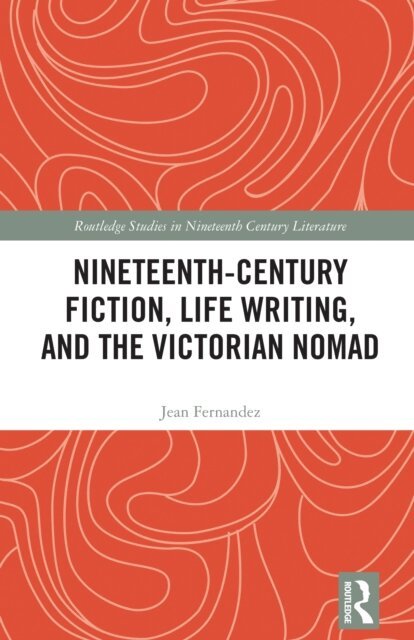
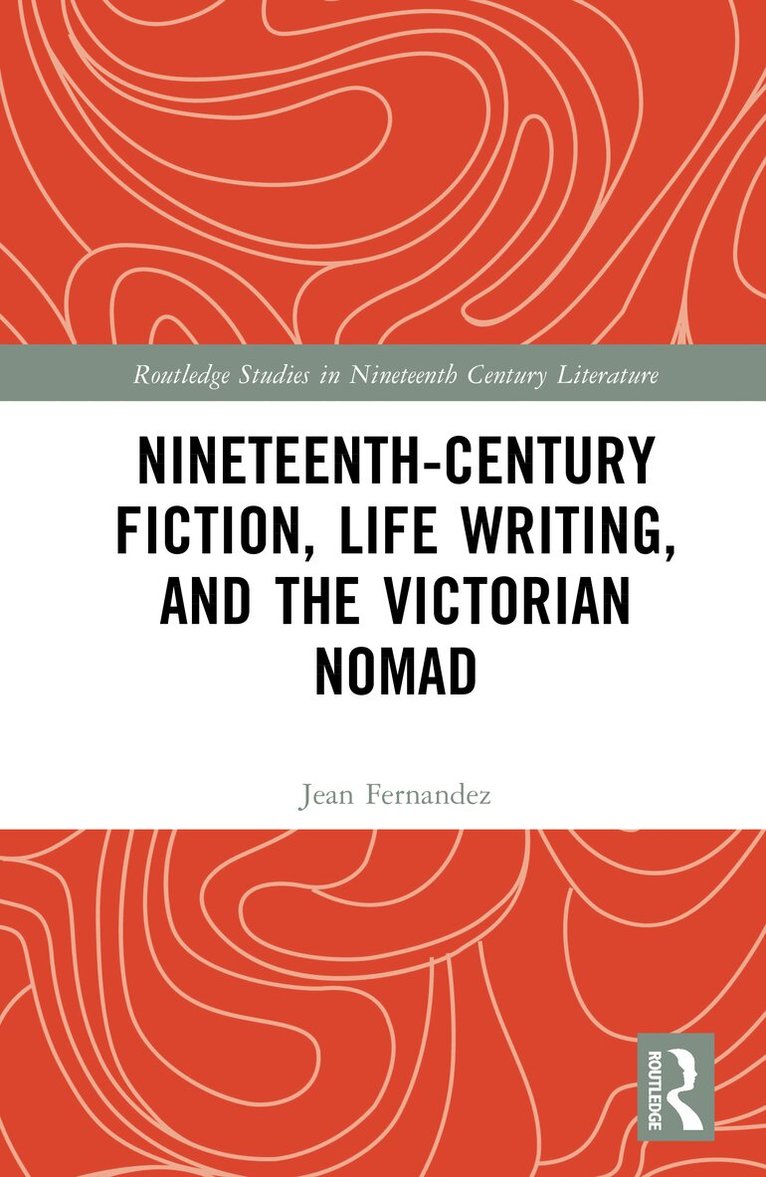
Nineteenth-Century Fiction, Life Writing, and the Victorian Nomad employs canonical literary texts, and introduces new noncanonical works of fiction and autobiography, to uncover how nineteenth-century fiction and life writing engaged with the figure of the nomad as a problematic phenomenon during the Victorian age. Exploring constructions of the nomad in legal, ethnological, and imperial discourse, this volume examines how literary texts responded to nomadism in national and imperial contexts when global flows of population necessitated by empire operated in tension with policies of sedentarization pursued by the nation and the colonial state. This book reveals how literary texts explored and interrogated the sedentary-nomad binary with implications for genre, reader relations, and the ideological underpinnings of sedentism. It examines works by Charlotte Bronte, William Makepeace Thackeray, Wilkie Collins, Joseph Thomson, Flora Annie Steel, and Rudyard Kipling, as well as a Romani autobiography by Samson Loveridge, and will be of strong interest to scholars of Victorian literature and empire studies.
836 kr
Skickas inom 10-15 vardagar
In this volume, Fernandez brings the under-examined figure of the Victorian servant out of obscurity in order to tell the story of his or her encounter with literacy, as imagined and represented in nineteenth-century fiction, autobiography, pamphlets and diaries. A vast body of writing is uncovered on the management of servant literacy in Victorian periodicals, advice manuals, cartoons, sermons, books on household management, and pornography, thereby revealing that the domestic sphere was a crucial war zone in the battle over mass literacy. By attending to how fictional and nonfictional texts of the age feature literate servant narrators, she demonstrates how the issue of servant literacy as a cultural phenomenon has profound implications for our understanding of the nexus between class, mass literacy, voice and narrative power in the nineteenth century. The study reads canonical fiction by Mary Wollstonecraft, Emily Bronte, Elizabeth Gaskell, Wilkie Collins, and R.L. Stevenson alongside popular detective fiction by Catherine Crowe, the Diaries of Hannah Cullwick, and best-selling pamphlets of the age, while introducing to Victorian scholarship hitherto little known or unknown servant autobiographies that address life history as an engagement with literacy.