Jean-Michel Sourisseau – författare
Visar alla böcker från författaren Jean-Michel Sourisseau. Handla med fri frakt och snabb leverans.
7 produkter
7 produkter
Häftad, Franska, 2019
588 kr
Skickas inom 5-8 vardagar
E-bok
PDF, Franska, 2016438 kr
Läs direkt efter köp
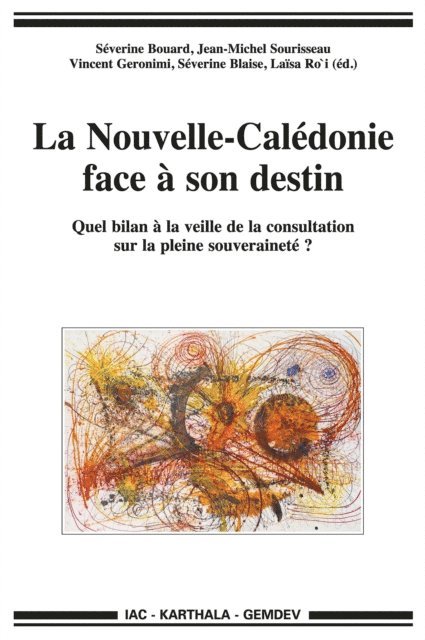
La Nouvelle-Calédonie s’apprête à prendre un virage institutionnel et politique dans un monde qui a radicalement changé depuis les premières luttes pour la décolonisation. Vingt-huit ans après les accords de Matignon-Oudinot, alors que se profile une nouvelle date clé pour son avenir institutionnel et politique avec la sortie programmée de l’accord de Nouméa, où en est la Nouvelle-Calédonie ? Son modèle économique a-t-il fondamentalement changé ? Sa trajectoire de développement estelle soutenable ? Alors que le pays est engagé dans un processus de décolonisation négocié, quels sont ses atouts et ses options stratégiques pour affronter la mondialisation et ses nouvelles formes ?Le pays est en effet de plus en plus intégré à des marchés mondiaux libéralisés et dérégulés ; l’urbanisation se confirme mais elle prend des formes et a des impacts qui déjouent certains pronostics et tendances observées ailleurs ; vingt-cinq années de croissance soutenue ont dopé le marché intérieur ; en lien avec la croissance des mobilités, la place du non-marchand et de la coutume est restée essentielle à son développement humain ; les transferts de compétences de l’État français vers le territoire opérés au cours des vingt dernières années ont transformé les lieux et les acteurs de la décision politique ; l’industrialisation par la métallurgie a changé la donne quant à la répartition de la rente du nickel ; la bipolarisation politique a fait place à davantage de pluralisme... pour ne citer que certaines des évolutions les plus emblématiques.A la veille de la consultation sur le transfert des dernières compétences, quels sont les futurs possibles pour l’économie très politique de la Nouvelle-Calédonie ? Sur quels acquis institutionnels et économiques de la trajectoire récente s’appuyer ? Quels relais de croissance activer et, au-delà et surtout, quel modèle de développement et quel « contrat social » renégocier ?
Inbunden, Engelska, 2014
1 634 kr
Skickas inom 10-15 vardagar
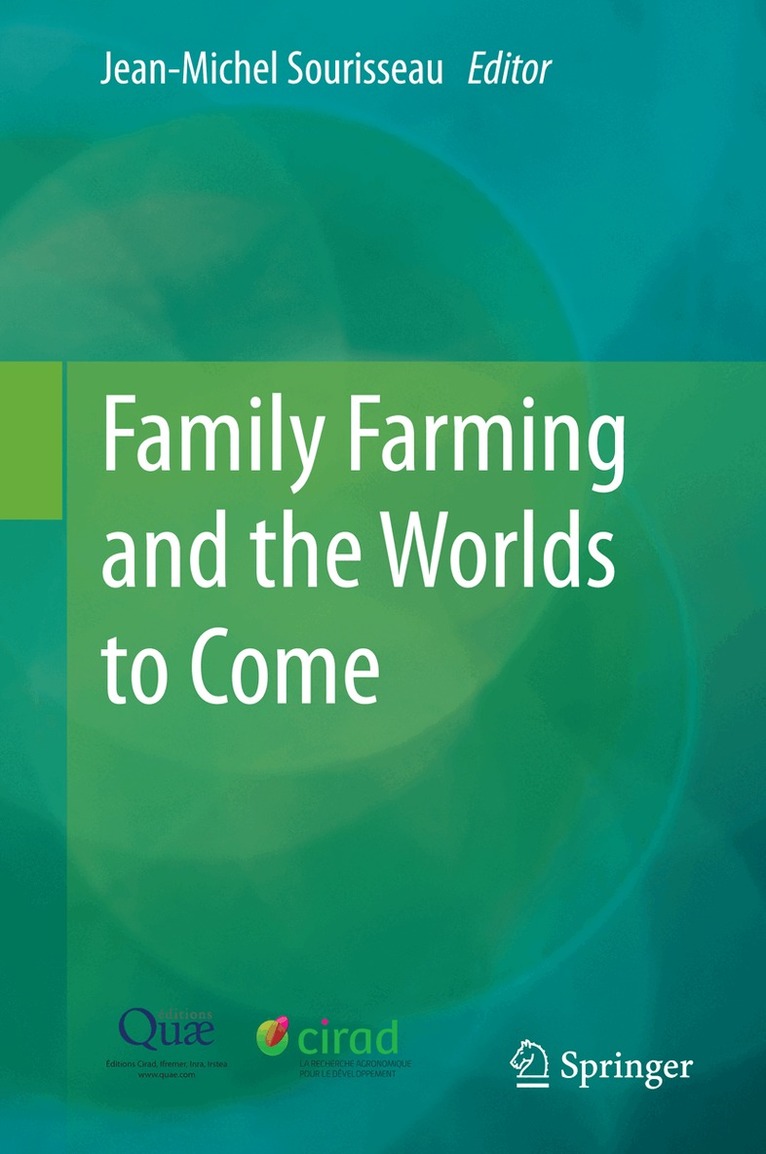
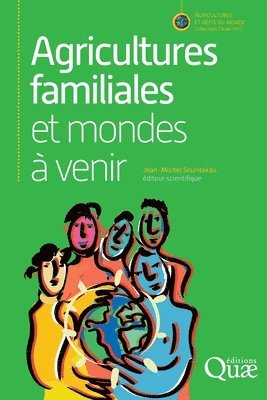
What is family farming? How can it help meet the challenges confronting the world? How can it contribute to a sustainable and more equitable development? Not only is family farming the predominant form of agriculture around the world, especially so in developing countries, it is also the agriculture of the future. By declaring 2014 the “International Year of Family Farming,” the United Nations has placed this form of production at the center of debates on agricultural development. These debates are often reduced to two opposing positions. The first advocates the development of industrial or company agriculture, supposedly efficient because it follows industrial processes for market-oriented mass production. The second promotes the preservation of family farming with its close links between family and farm. The authors of this book wish to enrich the debates by helping overcome stereotypes – which often manifest through the use of terms such as “small-scale farming, subsistence farming, peasant, etc.” Research work has emphatically demonstrated the great adaptability of family farming systems and their ability to meet the major challenges of tomorrow but it has also not overlooked their limitations. The authors explore the choices facing society and possible development trajectories at national and international levels, and the contribution that agriculture will have to make. They call for a recommitment of public policies in favor of family farming in developing countries and stress the importance of planning actions targeted at and tailored to the family character of agricultural models. But, above all, they highlight the need to overcome strictly sectoral rationales, by placing family farming at the core of a broader economic and social project. This book is the result of a collaborative effort led by CIRAD and encapsulates three decades of research on family farming. It will interest researchers, teachers and students, and all those involved innational and international efforts for the development of countries in the South.
E-bok
PDF, Engelska, 20141 519 kr
Läs direkt efter köp
What is family farming? How can it help meet the challenges confronting the world? How can it contribute to a sustainable and more equitable development? Not only is family farming the predominant form of agriculture around the world, especially so in developing countries, it is also the agriculture of the future. By declaring 2014 the “International Year of Family Farming,” the United Nations has placed this form of production at the center of debates on agricultural development. These debates are often reduced to two opposing positions. The first advocates the development of industrial or company agriculture, supposedly efficient because it follows industrial processes for market-oriented mass production. The second promotes the preservation of family farming with its close links between family and farm. The authors of this book wish to enrich the debates by helping overcome stereotypes – which often manifest through the use of terms such as “small-scale farming, subsistence farming, peasant, etc.” Research work has emphatically demonstrated the great adaptability of family farming systems and their ability to meet the major challenges of tomorrow but it has also not overlooked their limitations. The authors explore the choices facing society and possible development trajectories at national and international levels, and the contribution that agriculture will have to make. They call for a recommitment of public policies in favor of family farming in developing countries and stress the importance of planning actions targeted at and tailored to the family character of agricultural models. But, above all, they highlight the need to overcome strictly sectoral rationales, by placing family farming at the core of a broader economic and social project. This book is the result of a collaborative effort led by CIRAD and encapsulates three decades of research on family farming. It will interest researchers, teachers and students, and all those involved innational and international efforts for the development of countries in the South.
Häftad, Engelska, 2016
1 555 kr
Skickas inom 5-8 vardagar
What is family farming? How can it help meet the challenges confronting the world? How can it contribute to a sustainable and more equitable development? Not only is family farming the predominant form of agriculture around the world, especially so in developing countries, it is also the agriculture of the future. By declaring 2014 the “International Year of Family Farming,” the United Nations has placed this form of production at the center of debates on agricultural development. These debates are often reduced to two opposing positions. The first advocates the development of industrial or company agriculture, supposedly efficient because it follows industrial processes for market-oriented mass production. The second promotes the preservation of family farming with its close links between family and farm. The authors of this book wish to enrich the debates by helping overcome stereotypes – which often manifest through the use of terms such as “small-scale farming, subsistence farming, peasant, etc.” Research work has emphatically demonstrated the great adaptability of family farming systems and their ability to meet the major challenges of tomorrow but it has also not overlooked their limitations. The authors explore the choices facing society and possible development trajectories at national and international levels, and the contribution that agriculture will have to make. They call for a recommitment of public policies in favor of family farming in developing countries and stress the importance of planning actions targeted at and tailored to the family character of agricultural models. But, above all, they highlight the need to overcome strictly sectoral rationales, by placing family farming at the core of a broader economic and social project. This book is the result of a collaborative effort led by CIRAD and encapsulates three decades of research on family farming. It will interest researchers, teachers and students, and all those involved innational and international efforts for the development of countries in the South.
Inbunden, Engelska, 2019
1 959 kr
Skickas inom 10-15 vardagar
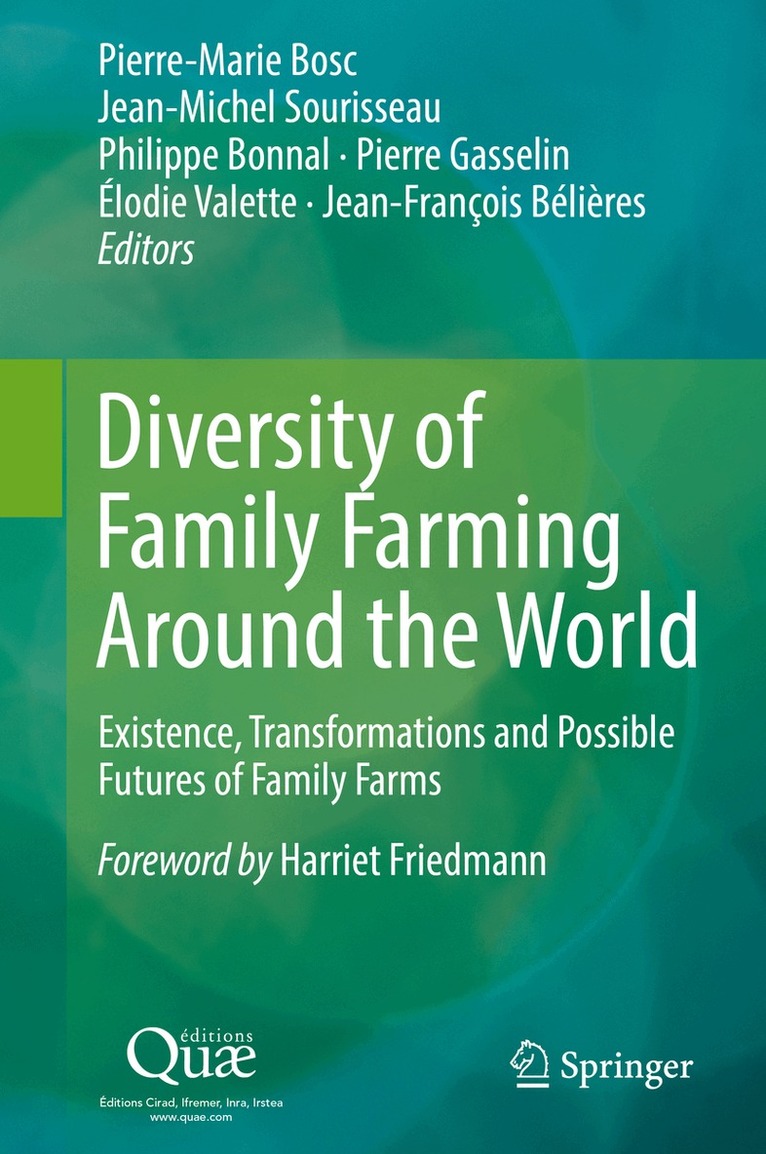
This book aims at explaining the nature and strength of the links between the families and their farms looking at their diversity throughout the world. To do so, it documents family farming diversity by using the sustainable rural livelihood (SRL) framework exploring their ability to adapt and transform to changing environments. In 18 case studies in Asia, Africa, Latin America and Europe, it shows how family farms resist under adverse conditions, seize new opportunities and permanently transform. Family farms, far from being backwards are potential solutions to face the current challenges and shape a new future for agriculture taking advantage of their local knowledge and capacity to cope with external constraints. Many co-authors of the book have both an empirical and theoretical experience of family farming in developed and developing countries and their related institutions. They specify «what makes and means family» in family farming and the diversity of their expertise draws a wide and original picture of this resilient way of farming throughout the world.
E-bok
Engelska, 20192 386 kr
Läs direkt efter köp
This book aims at explaining the nature and strength of the links between the families and their farms looking at their diversity throughout the world. To do so, it documents family farming diversity by using the sustainable rural livelihood (SRL) framework exploring their ability to adapt and transform to changing environments. In 18 case studies in Asia, Africa, Latin America and Europe, it shows how family farms resist under adverse conditions, seize new opportunities and permanently transform. Family farms, far from being backwards are potential solutions to face the current challenges and shape a new future for agriculture taking advantage of their local knowledge and capacity to cope with external constraints. Many co-authors of the book have both an empirical and theoretical experience of family farming in developed and developing countries and their related institutions. They specify «what makes and means family» in family farming and the diversity of their expertise draws a wide and original picture of this resilient way of farming throughout the world.