• Fri frakt över 249 kr
  • •
  • Snabba leveranser
  • •
  • Billiga böcker
Kundservice

Du är på sajten för privatpersoner.

Företag, bibliotek eller offentlig verksamhet?

Du handlar på classic.bokus.com, där alla dina funktioner finns intakta.
Till classic.bokus.com
Bokus logotyp. Gå till startsidan.
  • Erbjudanden
  • Nyheter
  • Student
  • Topplistor
  • Barn & ungdom
  • Bokus Play
  • E-böcker
  • Pocketböcker
  • Spel & pussel

10% studentrabatt med kod TERM26

Sidfot

Mina sidor

    Hjälp

    • Kundservice
    • Vanliga frågor och svar
    • Frakt och leverans
    • Retur vid ångerrätt
    • Reklamera vara
    • Betalning
    • Köpvillkor
    • Allmänna villkor
    • Information om webbplatsens tillgänglighet

    Om Bokus

    • Om oss
    • Pressrum
    • För studenter
    • För företag
    • För bibliotek och offentlig verksamhet
    • För leverantörer
    • Hållbarhet

    Populärt

    • Aktuella erbjudanden
    • Presentkort
    • Studentlitteratur
    • Nya böcker
    • Topplistor
    • Signerade böcker
    • Engelska böcker

    Inspiration

    • Boktips
    • BookTok
    • Populära bokserier
    • Barnbokskaraktärer
    • Populära författare
    Logotyp för Bokus
    Följ oss på Facebook (extern länk)Följ oss på Instagram (extern länk)Följ oss på YouTube (extern länk)Följ oss på TikTok (extern länk)
    bokus @ CookiesAnpassa cookiesIntegritetspolicyKöpvillkor
    Till Citymail hemsida (extern länk)Till Budbee hemsida (extern länk)Till Postnord hemsida (extern länk)Till Schenker hemsida (extern länk)Till Early Bird hemsida (extern länk)Till Walleys hemsida (extern länk)
    1. Ekonomi och Ledarskap
    2. Nationalekonomi
    3. Internationell ekonomi

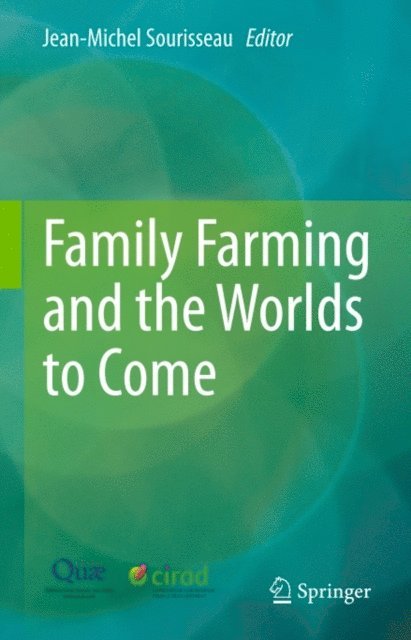
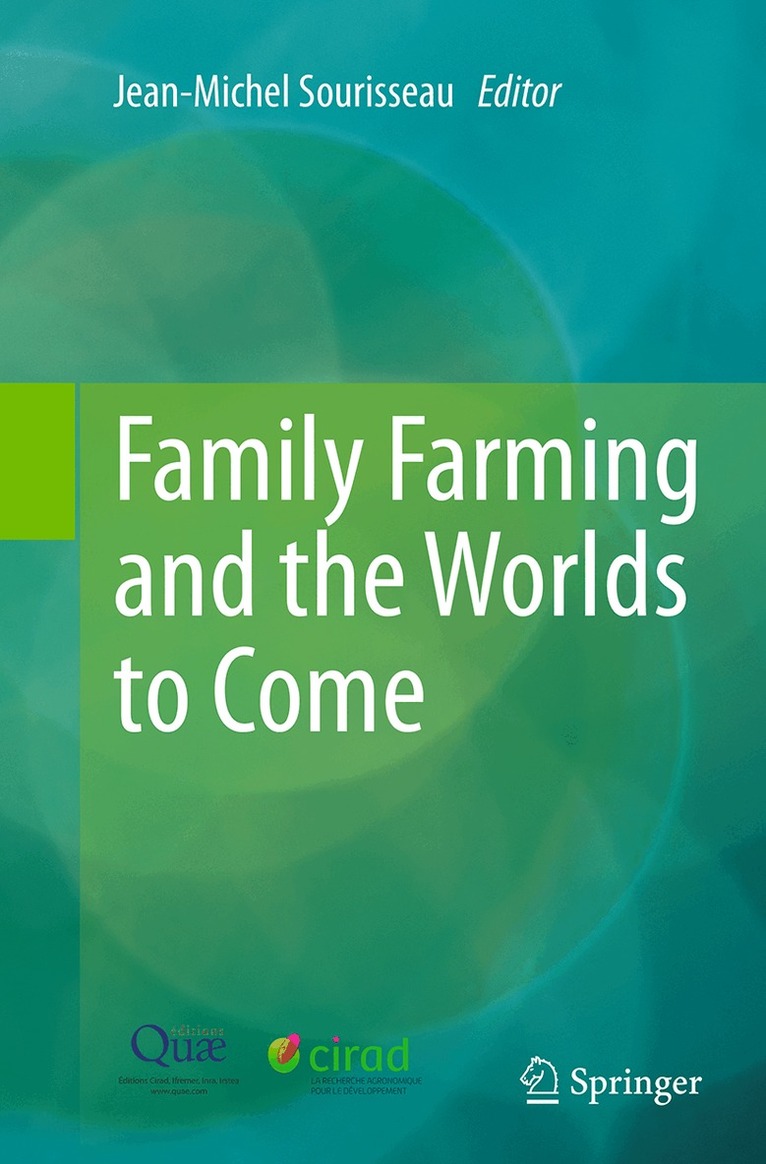
    Family Farming and the Worlds to Come

    AvJean-Michel Sourisseau

    Inbunden, Engelska, 2014

    1 626 kr

    Beställningsvara. Skickas inom 10-15 vardagar. Fri frakt över 249 kr.

    Beskrivning

    What is family farming? How can it help meet the challenges confronting the world? How can it contribute to a sustainable and more equitable development? Not only is family farming the predominant form of agriculture around the world, especially so in developing countries, it is also the agriculture of the future. By declaring 2014 the “International Year of Family Farming,” the United Nations has placed this form of production at the center of debates on agricultural development. These debates are often reduced to two opposing positions. The first advocates the development of industrial or company agriculture, supposedly efficient because it follows industrial processes for market-oriented mass production. The second promotes the preservation of family farming with its close links between family and farm. The authors of this book wish to enrich the debates by helping overcome stereotypes – which often manifest through the use of terms such as “small-scale farming, subsistence farming, peasant, etc.” Research work has emphatically demonstrated the great adaptability of family farming systems and their ability to meet the major challenges of tomorrow but it has also not overlooked their limitations. The authors explore the choices facing society and possible development trajectories at national and international levels, and the contribution that agriculture will have to make. They call for a recommitment of public policies in favor of family farming in developing countries and stress the importance of planning actions targeted at and tailored to the family character of agricultural models. But, above all, they highlight the need to overcome strictly sectoral rationales, by placing family farming at the core of a broader economic and social project. This book is the result of a collaborative effort led by CIRAD and encapsulates three decades of research on family farming. It will interest researchers, teachers and students, and all those involved innational and international efforts for the development of countries in the South.

    Produktinformation

    • Utgivningsdatum:2014-11-18
    • Mått:155 x 235 x 26 mm
    • Vikt:723 g
    • Format:Inbunden
    • Språk:Engelska
    • Antal sidor:361
    • Upplaga:2015
    • Förlag:Springer
    • ISBN:9789401793575

    Utforska kategorier

    • Internationell ekonomi inom Ekonomi och Ledarskap
    • Miljövetenskap och miljöpolitik inom Naturvetenskap och teknik
    • Geografi inom Naturvetenskap och teknik

    Mer om författaren

    Coordinating editor of this book, is a socio-economist at CIRAD. Since 2010, he is responsible for the program "Trajectories, differentiations and inequalities in rural societies" of the French research unit ART-Dev. He is currently working on family farming systems, to renew the analytical frameworks of their strategies and performance. As CIRAD’s focal point for the International Year of Family Farming, he recently published several books and articles on the topic and is invited to many international conferences on family farming all over the world.

    Innehållsförteckning

    • Acknowledgements.- Foreword,- General introduction.- Part 1. Defining and understanding family farming systems.- 1. Family farming: at the heart of the history of world agriculture.- 2. Defining, characterizing and measuring family farming models.- 3. Families, work and the farm.- 4. Family farming and other forms of agriculture.- Part 2. Helping to feed the world and territories to live.- 5. Contributing to ecological and social systems.- 6. Contributing to territorial dynamics.- 7. Contributing to production and international markets.- 8. Contributing to innovation, policies and local democracy.- Part 3. Meeting the challenges of the future.- 9. Challenges of poverty, employment and food security.- 10. Energy challenges: threats or opportunities?.- 11. Sanitary challenges increasingly relevant on a global scale.- 12. Challenges of managing and using natural resources.- Part 4. Research and the challenge of family farming.- 13. Co-constructing innovation: action-research in partnership.- 14. Innovations in management advice to family farms.- 15. Support for the prevention of sanitary risks.- 16. Agricultural biodiversity and rural systems of seed production.- 17. Lessons learnt and perspectives for ecological intensification.- Conclusion.- References.- List of authors.