Jean-Pierre Bocquet-Appel – författare
Visar alla böcker från författaren Jean-Pierre Bocquet-Appel. Handla med fri frakt och snabb leverans.
6 produkter
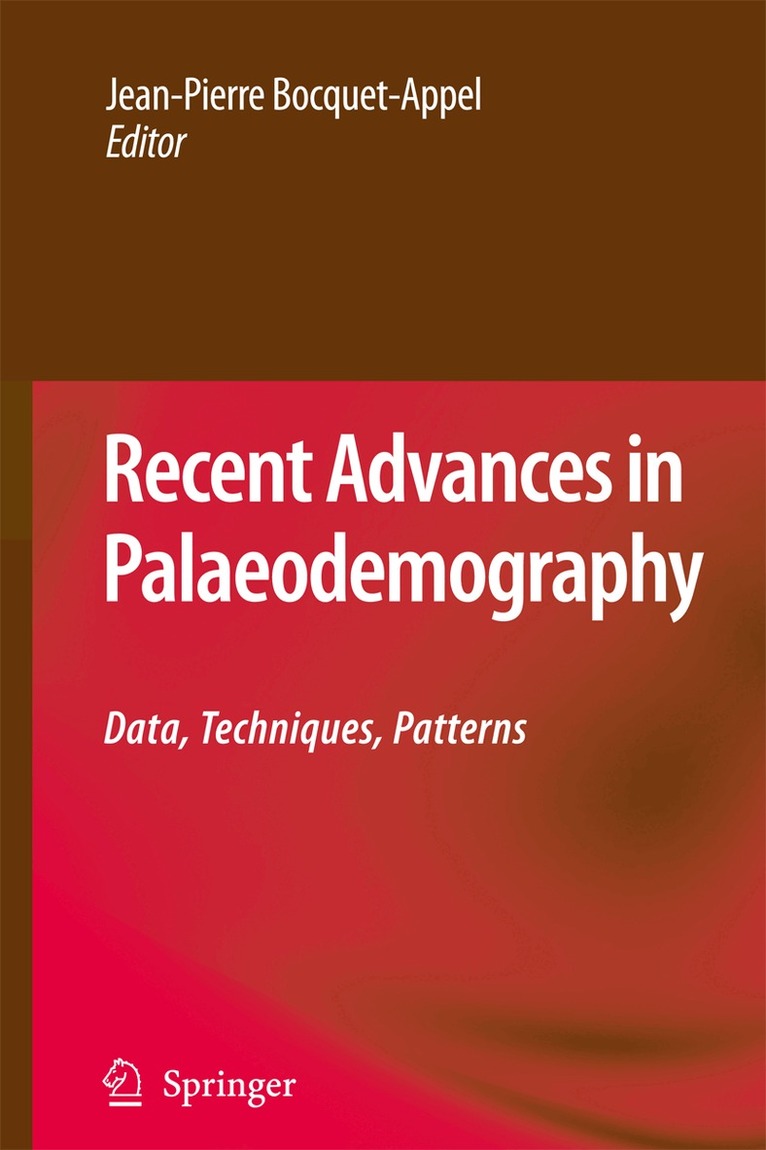
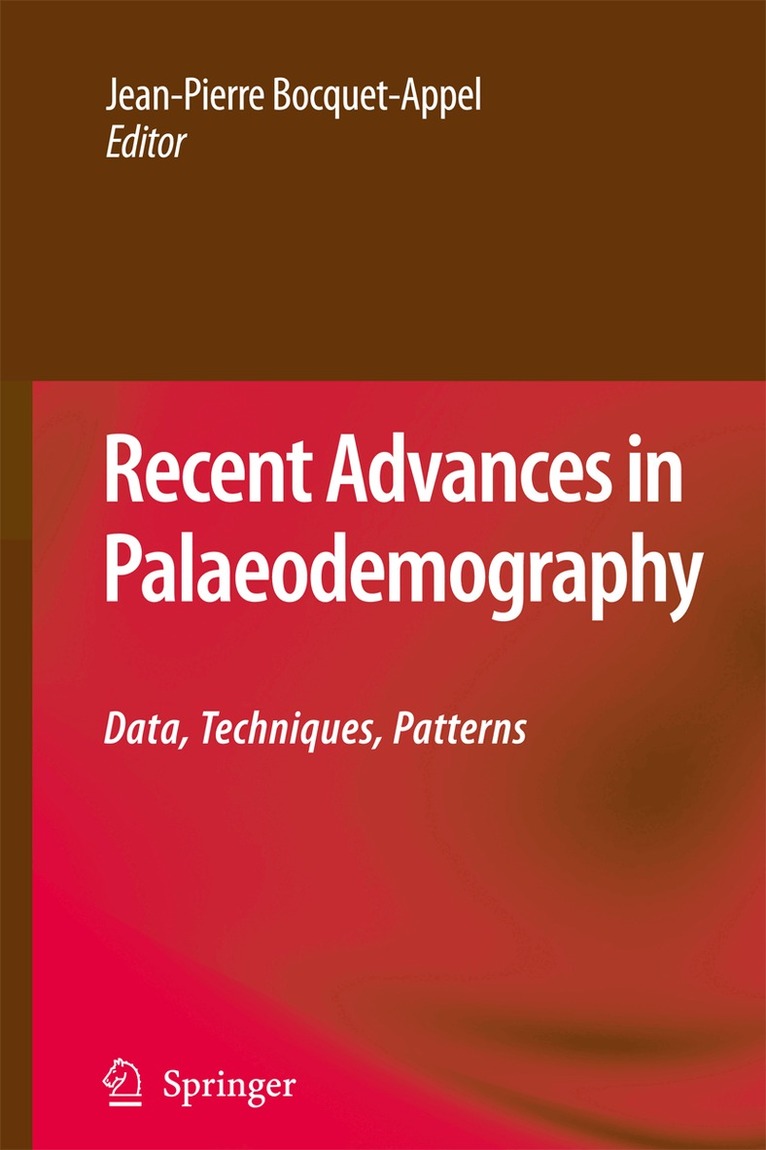
Recent Advances in Palaeodemography
Data, Techniques, Patterns
Inbunden, 2008
1101 kr
Lägg i varukorg
Jean-Pierre BOCQUET-APPEL CNRS, Paris, France The written data used by demographers essentially cover the last five centuries. Since Homo ergaster moved out of Africa around 1. 8 million years ago and until the sub-contemporary periods, there is no data allowing us to reconstruct a demographic …
Recent Advances in Palaeodemography
Data, Techniques, Patterns
E-bok, 2008
1459 kr
Lägg i varukorg
Jean-Pierre BOCQUET-APPEL CNRS, Paris, France The written data used by demographers essentially cover the last five centuries. Since Homo ergaster moved out of Africa around 1. 8 million years ago and until the sub-contemporary periods, there is no data allowing us to reconstruct a demographic …
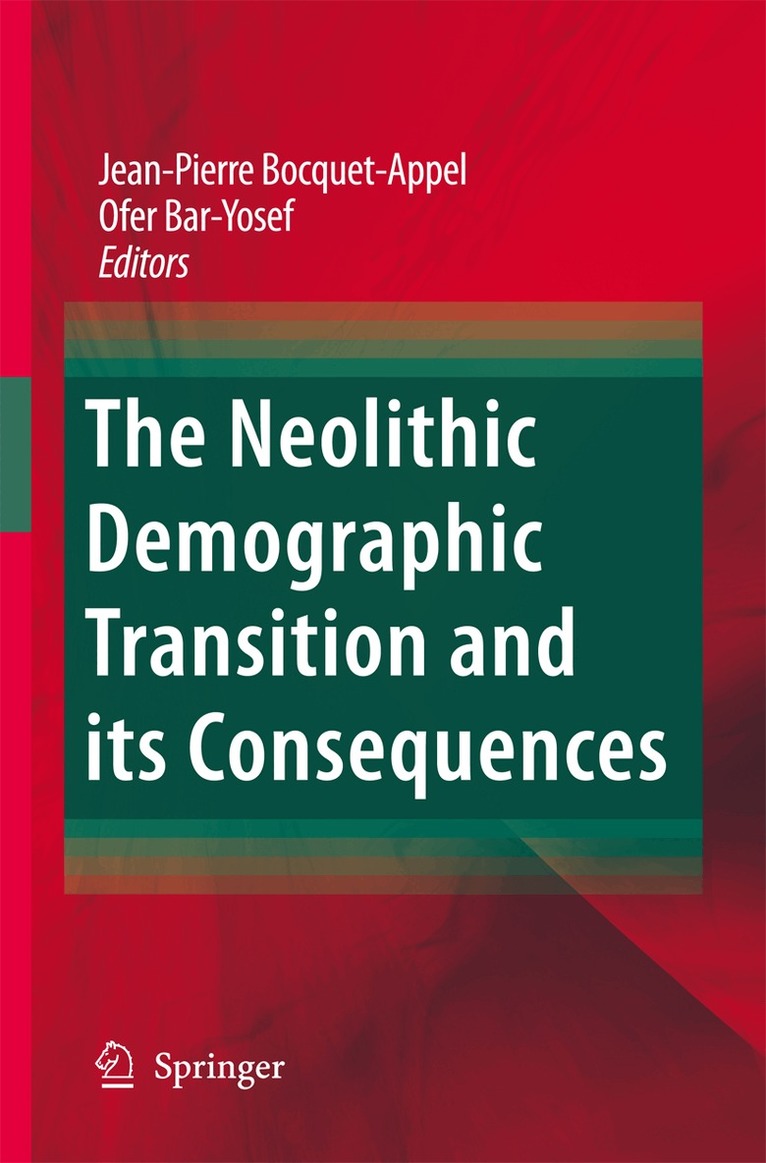
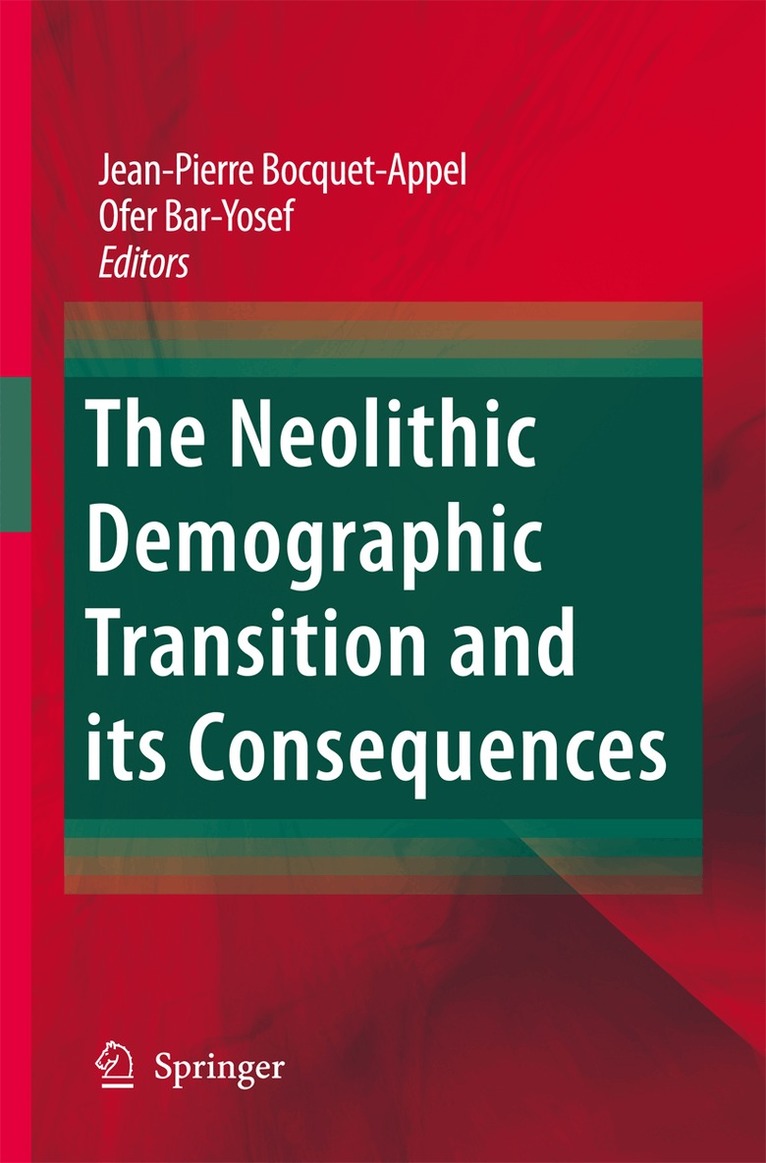
Neolithic Demographic Transition and its Consequences
Av Jean-Pierre Bocquet-Appel, Ofer Bar-Yosef
Inbunden, 2008
2741 kr
Lägg i varukorg
The transition from hunting and gathering to farming – the Neolithic Revolution – was one of the most signi cant cultural processes in human history that forever changed the face of humanity. Natu an communities (15,100–12,000Cal BP) (all dates in this chapter are calibrated before present) planted …
Neolithic Demographic Transition and its Consequences
Av Ofer Bar-Yosef, Jean-Pierre Bocquet-Appel
E-bok, 2008
3604 kr
Lägg i varukorg
The transition from hunting and gathering to farming – the Neolithic Revolution – was one of the most signi cant cultural processes in human history that forever changed the face of humanity. Natu an communities (15,100–12,000Cal BP) (all dates in this chapter are calibrated before present) planted …
Recent Advances in Palaeodemography
Data, Techniques, Patterns
Häftad, 2010
1130 kr
Lägg i varukorg
Jean-Pierre BOCQUET-APPEL CNRS, Paris, France The written data used by demographers essentially cover the last five centuries. Since Homo ergaster moved out of Africa around 1. 8 million years ago and until the sub-contemporary periods, there is no data allowing us to reconstruct a demographic …
Neolithic Demographic Transition and its Consequences
Av Jean-Pierre Bocquet-Appel, Ofer Bar-Yosef
Häftad, 2010
2815 kr
Lägg i varukorg
The transition from hunting and gathering to farming – the Neolithic Revolution – was one of the most signi cant cultural processes in human history that forever changed the face of humanity. Natu an communities (15,100–12,000Cal BP) (all dates in this chapter are calibrated before present) planted …