Jean-Thomas Tremblay - Böcker
Visar alla böcker från författaren Jean-Thomas Tremblay. Handla med fri frakt och snabb leverans.
5 produkter
5 produkter
416 kr
Skickas inom 7-10 vardagar
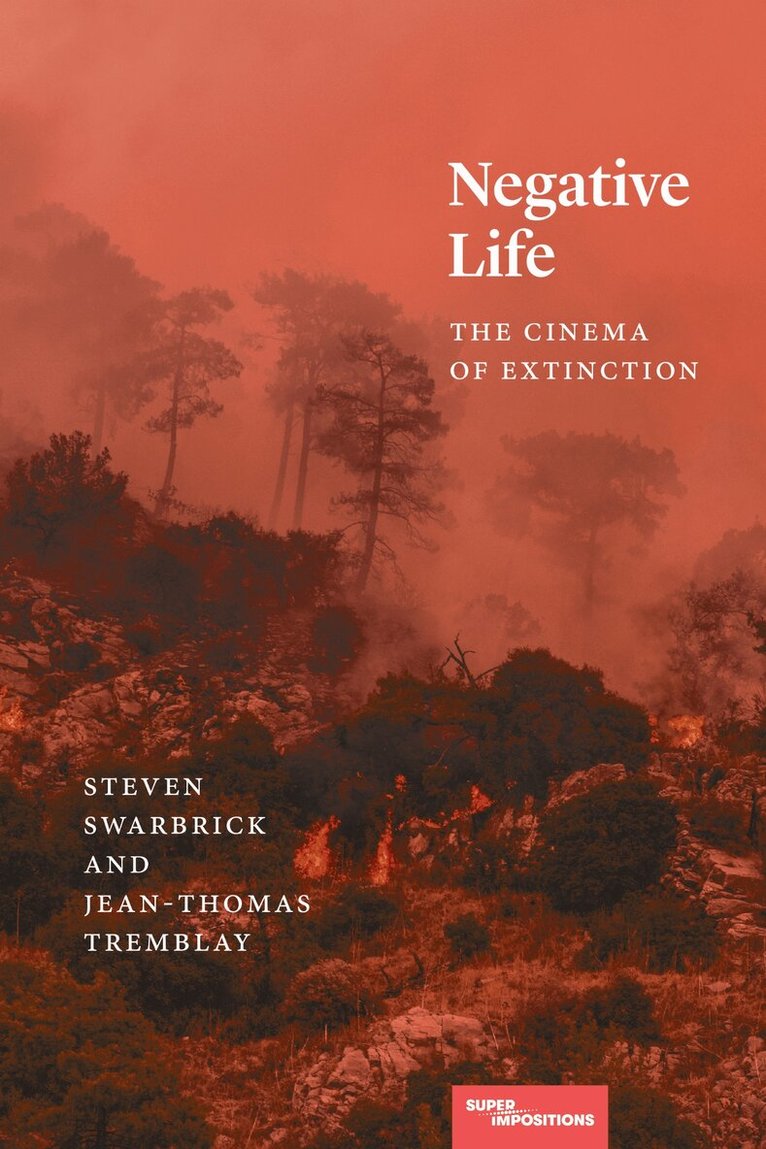
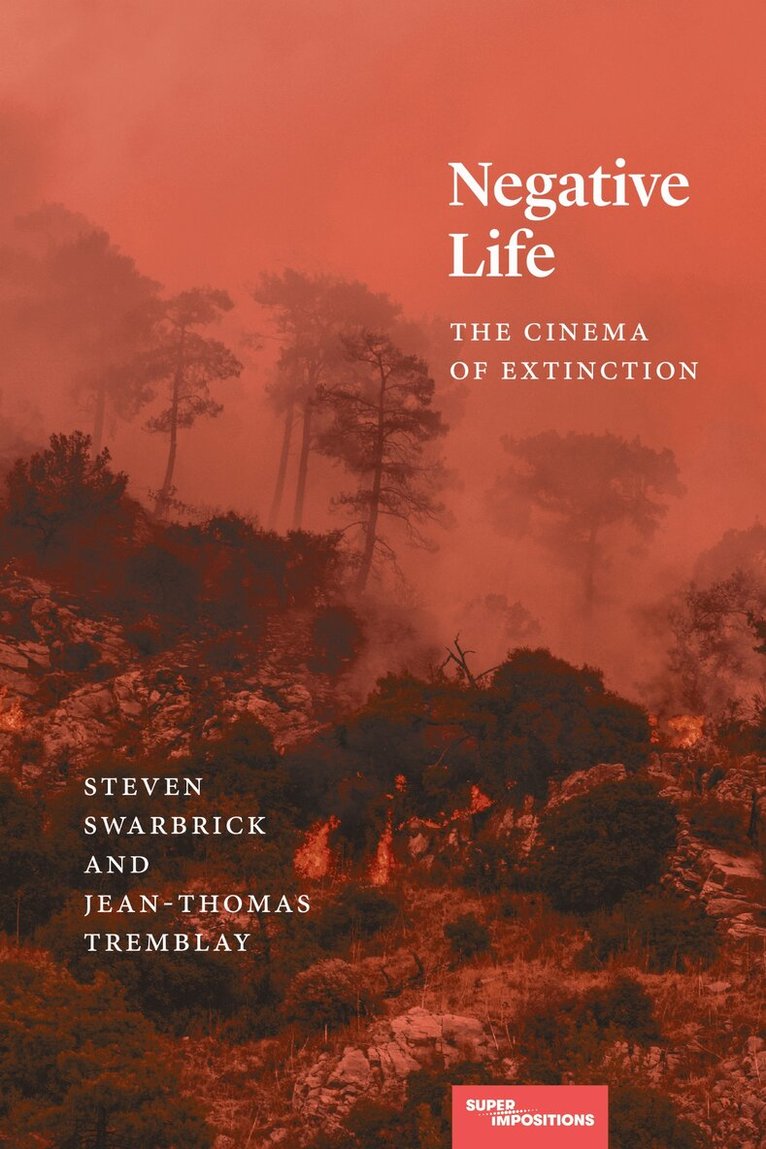
How films help us understand the inevitable death of Earth and humanityOffering a bracing theoretical corrective to ecocriticism’s emphasis on pedagogies of care and interconnection, Negative Life: The Cinema of Extinction brings cinema studies, queer theory, and psychoanalysis into novel configuration around a concept inherent to yet critical of life: negative life, a sundering of the connections between human and nonhuman relations. Engaging questions and challenges such as the nothingness of existentialism, the aversive side of sex, and the immanent exception of the drive in psychoanalysis, coauthors Steven Swarbrick and Jean-Thomas Tremblay not only counter ecocritical pieties but cut a new path for theory. They engage a unique corpus of films and philosophies that reject the pastoralism of “entanglement” or “enmeshment,” which have functioned as as an ethical and aesthetic alibi for extinction. Negative Life examines films by Julian PÖlsler, Kelly Reichardt, Lee Isaac Chung, Mahesh Matai, and Paul Schrader, which exemplify the existential contradictions that have intensified amid the sixth mass extinction; meanwhile, a set of interludes on the genre of ecohorror supplement this focus on negative life and the philosophers and theorists who express it. Each case study testifies formally and thematically to negative life as a structural condition of thought and film. Together, the titles that compose the titular cinema of extinction reveal the unlivable dimension of life and art, where form, desire, and nonbelonging tarry with the future-oriented promise of ecostudies—where all that lives connects. Negative Life militates against this promise, showing that faith in connection is a dead end.
1 406 kr
Skickas inom 5-8 vardagar
Charts underexamined genealogies of minoritarian aesthetic responses to the multiple crises of the long 1970s.Avant-Gardes in Crisis claims that the avant-gardes of the late twentieth and early twenty-first centuries are in crisis, in that artmaking both responds to political, economic, and social crises and reveals a crisis of confidence regarding resistance's very possibility. Specifically, this collection casts contemporary avant-gardes as a reaction to a crisis in the reproduction of life that accelerated in the 1970s-a crisis that encompasses living-wage rarity, deadly epidemics, and other aspects of an uneven management of vitality indexed by race, citizenship, gender, sexual orientation, class, and disability. The contributors collectively argue that a minoritarian concept of the avant-garde, one attuned to uneven patterns of resource depletion and infrastructural failure (broadly conceived), clarifies the interplay between art and politics as it has played out, for instance, in discussions of art's autonomy or institutionality. Writ large, this book seeks to restore the historical and political context for the debates on the avant-garde that have raged since the 1970s.
651 kr
Skickas inom 3-6 vardagar
Charts underexamined genealogies of minoritarian aesthetic responses to the multiple crises of the long 1970s.Avant-Gardes in Crisis claims that the avant-gardes of the late twentieth and early twenty-first centuries are in crisis, in that artmaking both responds to political, economic, and social crises and reveals a crisis of confidence regarding resistance's very possibility. Specifically, this collection casts contemporary avant-gardes as a reaction to a crisis in the reproduction of life that accelerated in the 1970s-a crisis that encompasses living-wage rarity, deadly epidemics, and other aspects of an uneven management of vitality indexed by race, citizenship, gender, sexual orientation, class, and disability. The contributors collectively argue that a minoritarian concept of the avant-garde, one attuned to uneven patterns of resource depletion and infrastructural failure (broadly conceived), clarifies the interplay between art and politics as it has played out, for instance, in discussions of art's autonomy or institutionality. Writ large, this book seeks to restore the historical and political context for the debates on the avant-garde that have raged since the 1970s.
1 218 kr
Skickas inom 7-10 vardagar
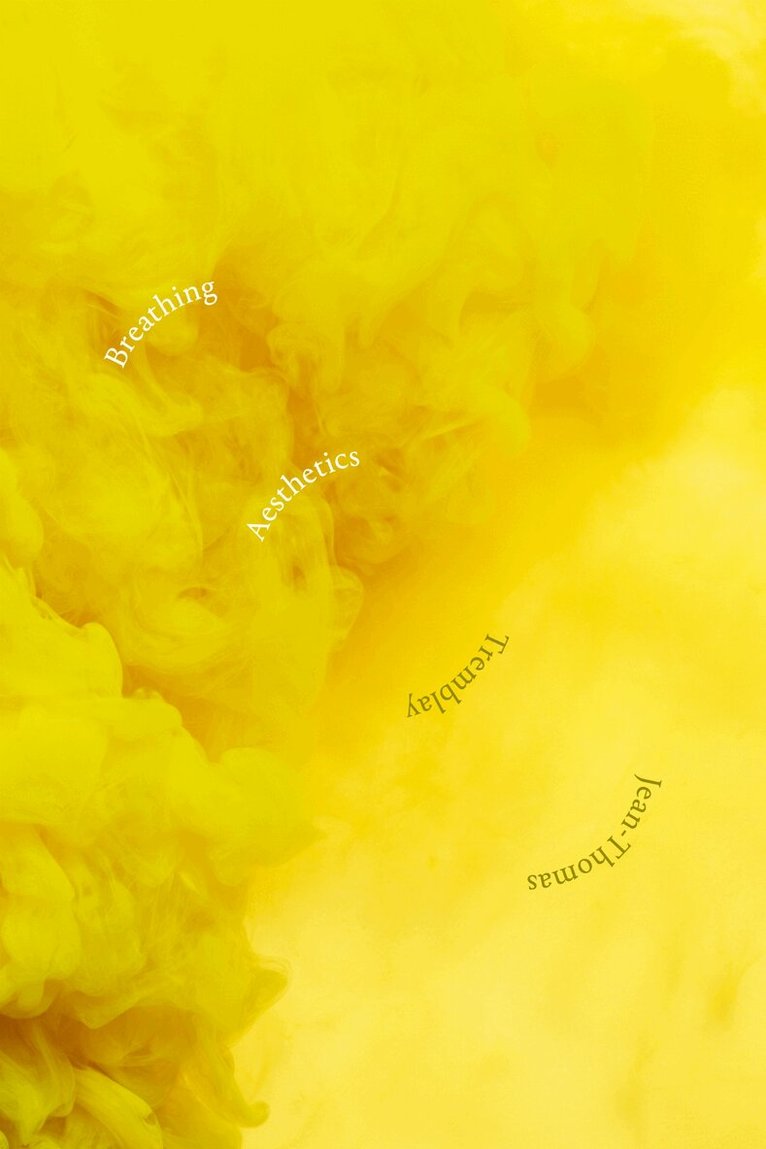
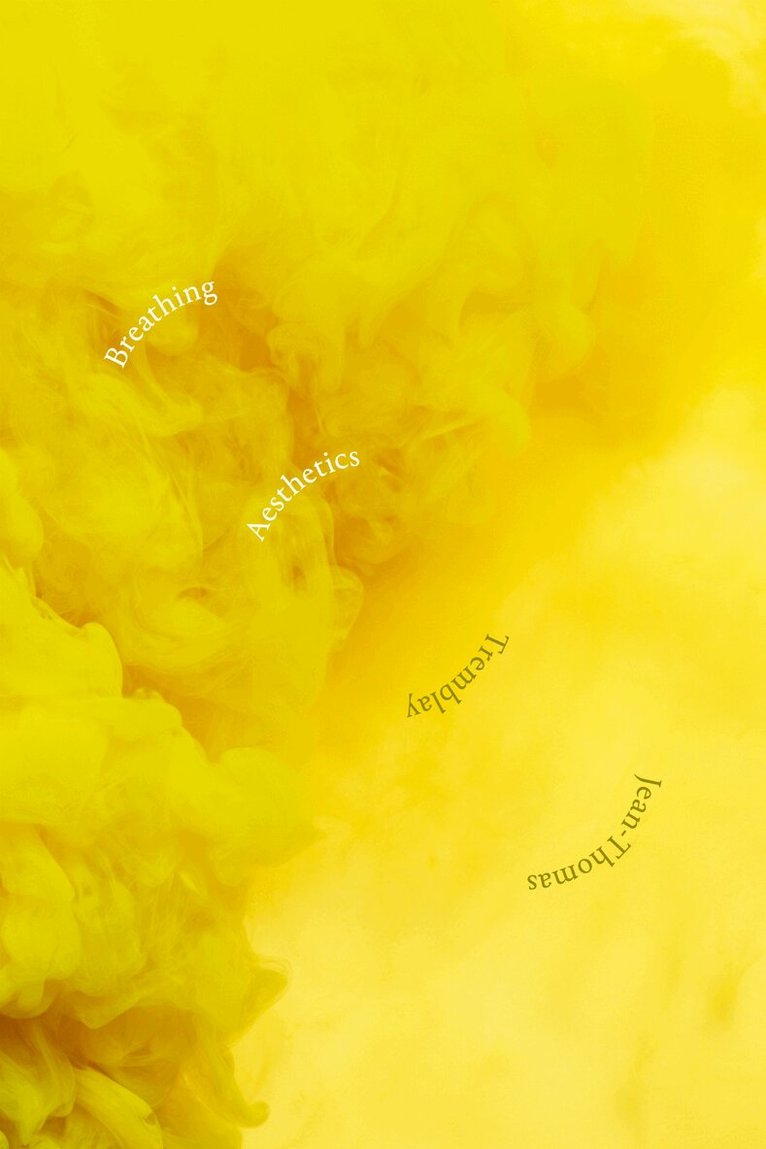
In Breathing Aesthetics Jean-Thomas Tremblay argues that difficult breathing indexes the uneven distribution of risk in a contemporary era marked by the increasing contamination, weaponization, and monetization of air. Tremblay shows how biopolitical and necropolitical forces tied to the continuation of extractive capitalism, imperialism, and structural racism are embodied and experienced through respiration. They identify responses to the crisis in breathing in aesthetic practices ranging from the film work of Cuban American artist Ana Mendieta to the disability diaries of Bob Flanagan, to the Black queer speculative fiction of Renee Gladman. In readings of these and other minoritarian works of experimental film, endurance performance, ecopoetics, and cinema-vÉritÉ, Tremblay contends that articulations of survival now depend on the management and dispersal of respiratory hazards. In so doing, they reveal how an aesthetic attention to breathing generates historically, culturally, and environmentally situated tactics and strategies for living under precarity.
310 kr
Skickas inom 7-10 vardagar
In Breathing Aesthetics Jean-Thomas Tremblay argues that difficult breathing indexes the uneven distribution of risk in a contemporary era marked by the increasing contamination, weaponization, and monetization of air. Tremblay shows how biopolitical and necropolitical forces tied to the continuation of extractive capitalism, imperialism, and structural racism are embodied and experienced through respiration. They identify responses to the crisis in breathing in aesthetic practices ranging from the film work of Cuban American artist Ana Mendieta to the disability diaries of Bob Flanagan, to the Black queer speculative fiction of Renee Gladman. In readings of these and other minoritarian works of experimental film, endurance performance, ecopoetics, and cinema-vÉritÉ, Tremblay contends that articulations of survival now depend on the management and dispersal of respiratory hazards. In so doing, they reveal how an aesthetic attention to breathing generates historically, culturally, and environmentally situated tactics and strategies for living under precarity.