Jean W. Cash - Böcker
Visar alla böcker från författaren Jean W. Cash. Handla med fri frakt och snabb leverans.
6 produkter
6 produkter
1 352 kr
Skickas inom 10-15 vardagar
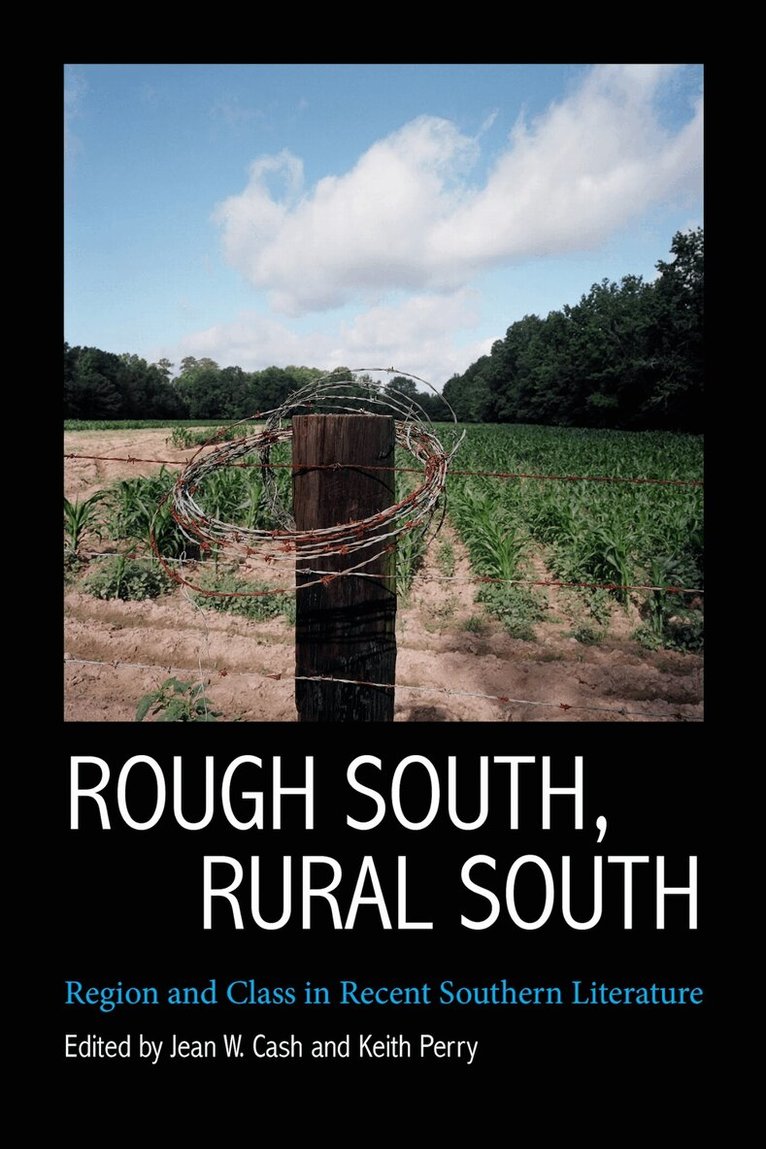
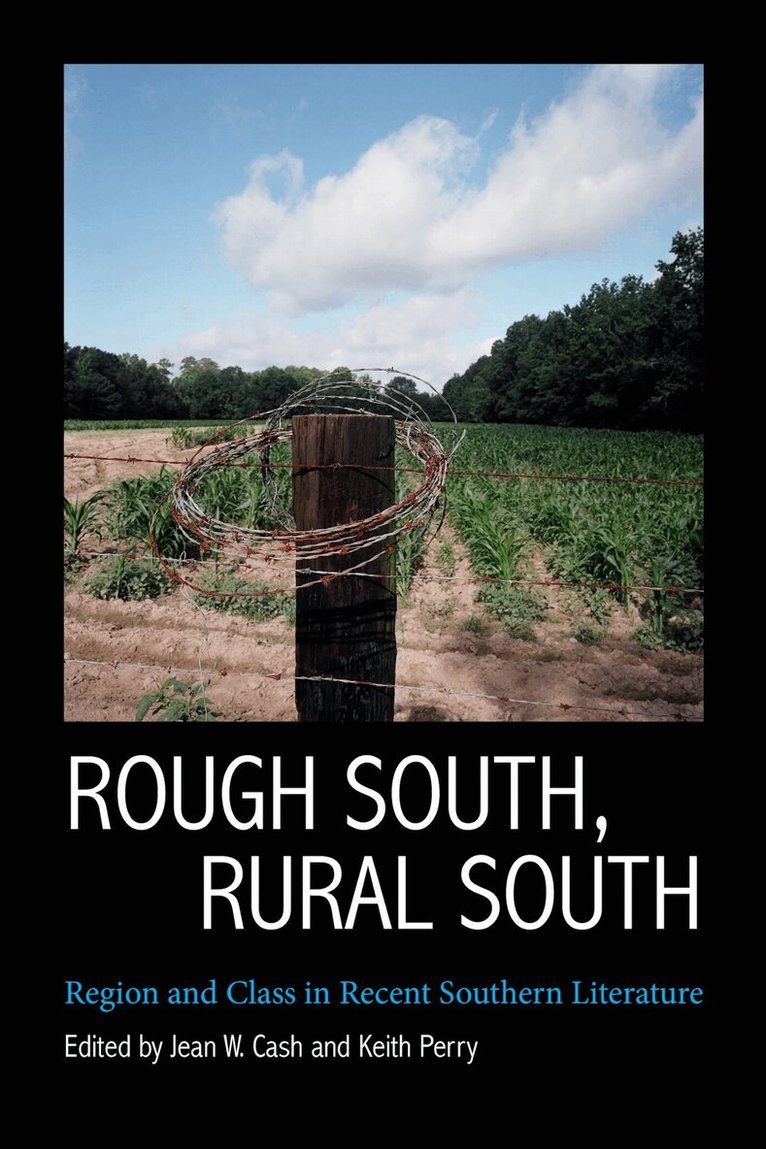
A critical companion to the striking variety of contemporary southern literature.Contributions by Barbara Bennett, Thomas Ærvold Bjerre, Erik Bledsoe, Linda Byrd Cook, Thomas E. Dasher, Robert Donahoo, Peter Farris, Richard Gaughran, William Giraldi, Rebecca Godwin, Joan Wylie Hall, Marcus Hamilton, Gary Hawkins, David K. Jeffrey, Emily Langhorne, Shawn E. Miller, Wade Newhouse, L. Lamar Nisly, bes Stark Spangler, Joe Samuel Starnes, and Scott Hamilton Suter.Essays in Rough South, Rural South describe and discuss the work of southern writers who began their careers in the late twentieth and early twenty-first centuries. They fall into two categories. Some, born into the working class, strove to become writers and learned without benefit of higher education, such writers as Larry Brown and William Gay. Others came from lower- or middle-class backgrounds and became writers through practice and education: Dorothy Allison, Tom Franklin, Tim Gautreaux, Clyde Edgerton, Kaye Gibbons, Silas House, Jill McCorkle, Chris Offutt, Ron Rash, Lee Smith, Brad Watson, Daniel Woodrell, and Steve Yarbrough. Their twenty-first-century colleagues are Wiley Cash, Peter Farris, Skip Horack, Michael Farris Smith, Barb Johnson, and Jesmyn Ward.In his seminal article, Erik Bledsoe distinguishes Rough South writers from such writers as William Faulkner and Erskine Caldwell. Younger writers who followed Harry Crews were born into and write about the Rough South. These writers undercut stereotypes, forcing readers to see the working poor differently.The next pieces begin with those on Crews and Cormac McCarthy, major influences on an entire generation. Later essays address members of both groups--the self-educated and the college-educated. Both groups share a clear understanding of the value of working-class southerners. Nearly all of the writers hold a reverence for the South's landscape and its inhabitants as well as an affinity for realistic depictions of setting and characters.
420 kr
Skickas inom 10-15 vardagar
Essays in Rough South, Rural South describe and discuss the work of southern writers who began their careers in the late twentieth and early twenty-first centuries. They fall into two categories. Some, born into the working class, strove to become writers and learned without benefit of higher education, such writers as Larry Brown and William Gay. Others came from lower- or middle-class backgrounds and became writers through practice and education: Dorothy Allison, Tom Franklin, Tim Gautreaux, Clyde Edgerton, Kaye Gibbons, Silas House, Jill McCorkle, Chris Offutt, Ron Rash, Lee Smith, Brad Watson, Daniel Woodrell, and Steve Yarbrough. Their twenty-first-century colleagues are Wiley Cash, Peter Farris, Skip Horack, Michael Farris Smith, Barb Johnson, and Jesmyn Ward.In his seminal article, Erik Bledsoe distinguishes Rough South writers from such writers as William Faulkner and Erskine Caldwell. Younger writers who followed Harry Crews were born into and write about the Rough South. These writers undercut stereotypes, forcing readers to see the working poor differently.The next pieces begin with those on Crews and Cormac McCarthy, major influences on an entire generation. Later essays address members of both groups - the self-educated and the college-educated. Both groups share a clear understanding of the value of working-class southerners. Nearly all of the writers hold a reverence for the South's landscape and its inhabitants as well as an affinity for realistic depictions of setting and characters.
1 352 kr
Skickas inom 10-15 vardagar
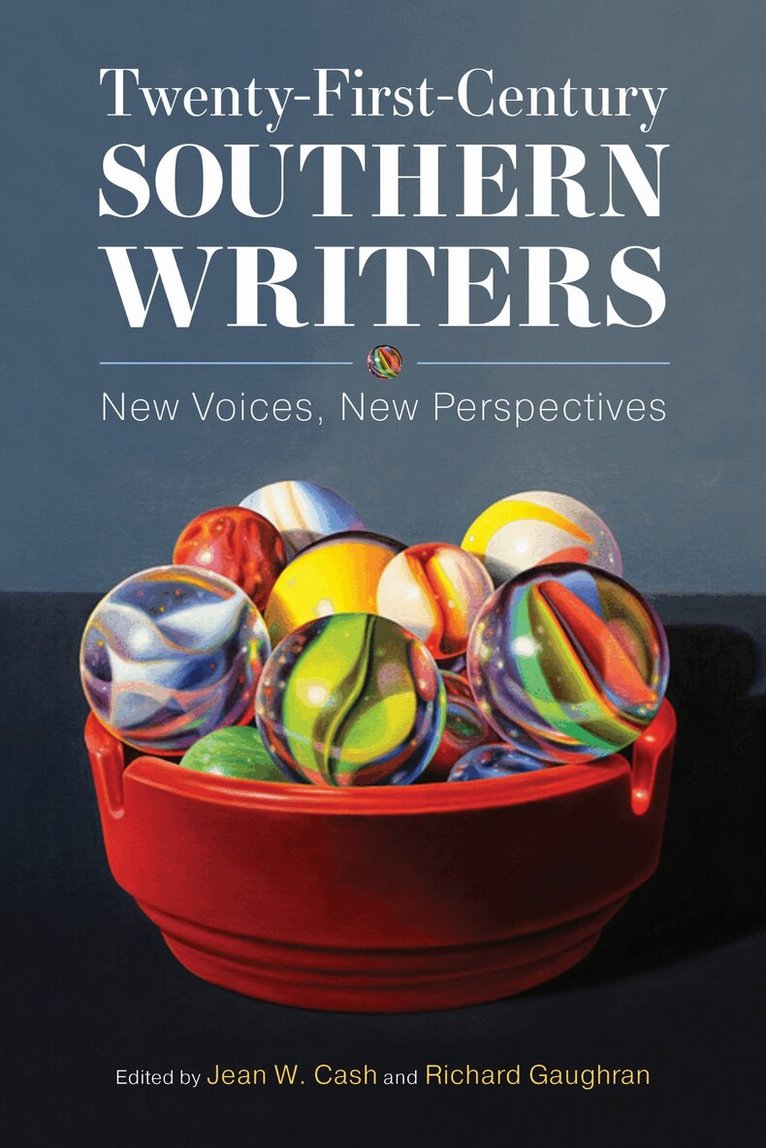
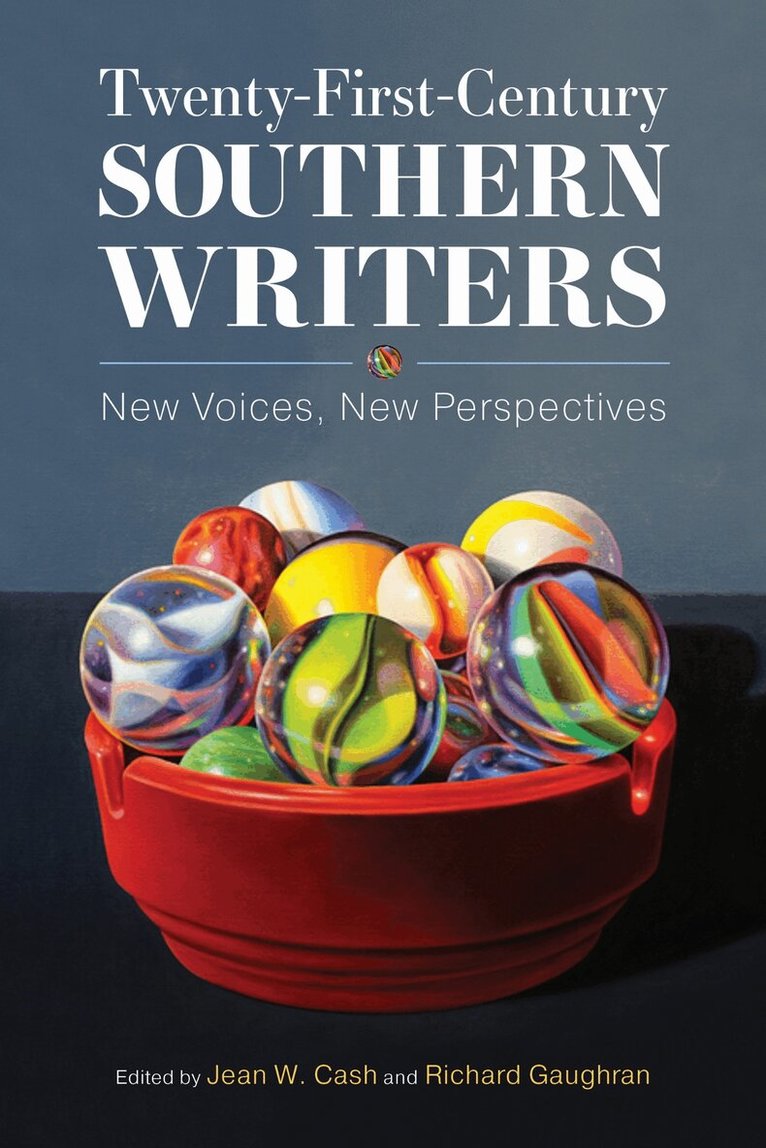
Contributions by Destiny O. Birdsong, Jean W. Cash, Kevin Catalano, Amanda Dean Freeman, David Gates, Richard Gaughran, Rebecca Godwin, Joan Wylie Hall, Dixon Hearne, Phillip Howerton, Emily D. Langhorne, Shawn E. Miller, Melody Pritchard, Nick Ripatrazone, Bes Stark Spangler, Scott Hamilton Suter, Melanie Benson Taylor, Jay Varner, and Scott D. Yarbrough Twenty-First-Century Southern Writers: New Voices, New Perspectives, an anthology of critical essays, introduces a new group of fiction writers from the American South. These fresh voices, like their twentieth-century predecessors, examine what it means to be a southerner in the modern world. These writers' works cover wide-ranging subjects and themes: the history of the region, the continued problems of the working-class South, the racial divisions that have continued, the violence of the modern world, and the difficulties of establishing a spiritual identity in a modern context. The approaches and styles vary from writer to writer, with realistic, place-centered description as the foundation of many of their works. They have also created new perspectives regarding point of view, and some have moved toward the inclusion of ""magic realism"" and even science fiction in their work. The nineteen essays in Twenty-First-Century Southern Writers feature a handful of fiction writers who are already well known, such as National Book Award-winner Jesmyn Ward, Tayari Jones, Michael Farris Smith, and Inman Majors. Others deserve greater recognition, and, in many cases, works in this anthology will be the first pieces of analysis dedicated to writers and their work. Twenty-First-Century Southern Writers aims to alert scholars of southern literature, as well as the reading public, to an exciting and varied group of writers, while laying a foundation for future examination of these works.
415 kr
Skickas inom 7-10 vardagar
Contributions by Destiny O. Birdsong, Jean W. Cash, Kevin Catalano, Amanda Dean Freeman, David Gates, Richard Gaughran, Rebecca Godwin, Joan Wylie Hall, Dixon Hearne, Phillip Howerton, Emily D. Langhorne, Shawn E. Miller, Melody Pritchard, Nick Ripatrazone, Bes Stark Spangler, Scott Hamilton Suter, Melanie Benson Taylor, Jay Varner, and Scott D. Yarbrough Twenty-First-Century Southern Writers: New Voices, New Perspectives, an anthology of critical essays, introduces a new group of fiction writers from the American South. These fresh voices, like their twentieth-century predecessors, examine what it means to be a southerner in the modern world. These writers' works cover wide-ranging subjects and themes: the history of the region, the continued problems of the working-class South, the racial divisions that have continued, the violence of the modern world, and the difficulties of establishing a spiritual identity in a modern context. The approaches and styles vary from writer to writer, with realistic, place-centered description as the foundation of many of their works. They have also created new perspectives regarding point of view, and some have moved toward the inclusion of ""magic realism"" and even science fiction in their work. The nineteen essays in Twenty-First-Century Southern Writers feature a handful of fiction writers who are already well known, such as National Book Award-winner Jesmyn Ward, Tayari Jones, Michael Farris Smith, and Inman Majors. Others deserve greater recognition, and, in many cases, works in this anthology will be the first pieces of analysis dedicated to writers and their work. Twenty-First-Century Southern Writers aims to alert scholars of southern literature, as well as the reading public, to an exciting and varied group of writers, while laying a foundation for future examination of these works.
383 kr
Skickas inom 7-10 vardagar
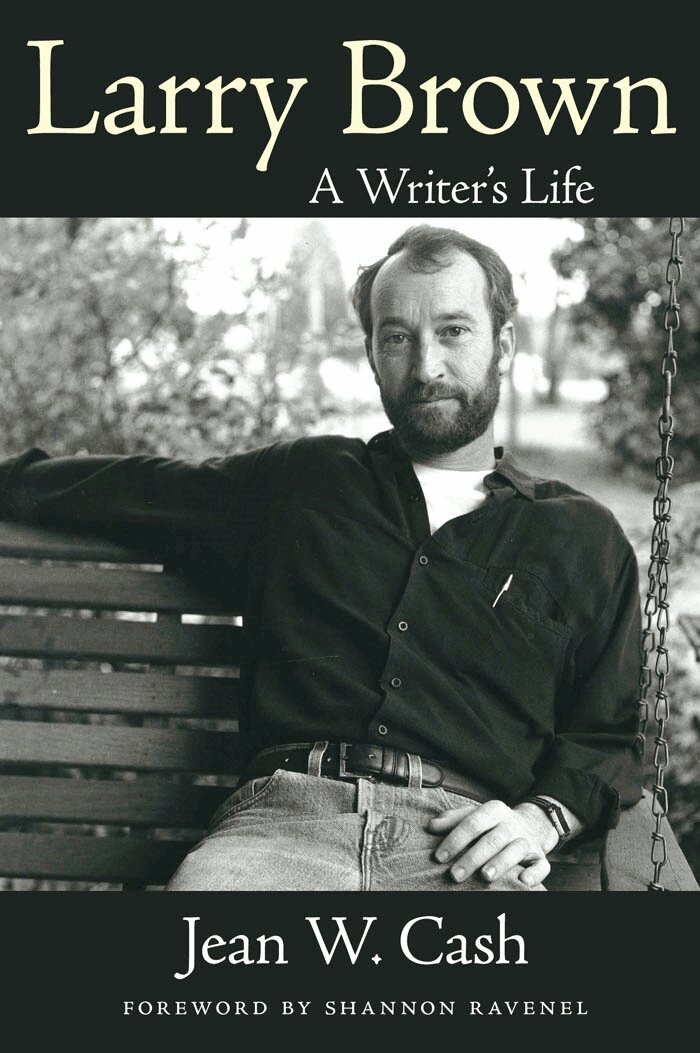
Larry Brown (1951–2004) was unique among writers who started their careers in the late twentieth century. Unlike most of them—his friends Clyde Edgerton, Jill McCorkle, Rick Bass, and Kaye Gibbons, among others—he was neither a product of a writing program, nor did he teach at one. In fact, he did not even attend college. His innate talent, his immersion in the life of north Mississippi, and his determination led him to national success. Drawing on excerpts from numerous letters and material from interviews with family members and friends, Larry Brown: A Writer's Life is the first biography of a landmark southern writer.Jean W. Cash explores the cultural milieu of Oxford, Mississippi, and the writers who influenced Brown, including William Faulkner, Flannery O'Connor, Harry Crews, and Cormac McCarthy. She covers Brown's history in Mississippi, the troubled family in which he grew up, and his boyhood in Tula and Yocona, Mississippi, and in Memphis, Tennessee. She relates stories from Brown's time in the Marines, his early married life—which included sixteen years as an Oxford fireman—and what he called his ""apprenticeship"" period, the eight years during which he was teaching himself to write publishable fiction.The book examines Brown's years as a writer: the stories and novels he wrote, his struggles to acclimate himself to the fame his writing brought him, and his many trips outside Yocona, where he spent the last thirty years of his life. The book concludes with a discussion of his posthumous fame, including the publication of A Miracle of Catfish, the novel he had nearly completed just before his death. Brown's cadre of fans will relish this comprehensive portrait of the man and his work.
420 kr
Skickas inom 10-15 vardagar
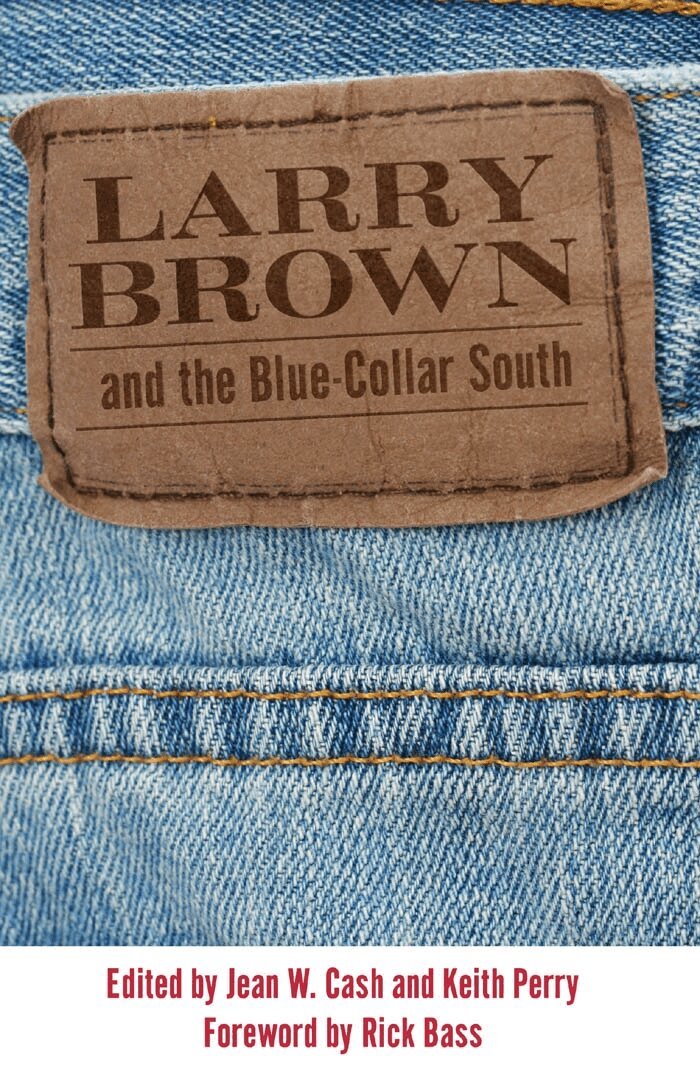
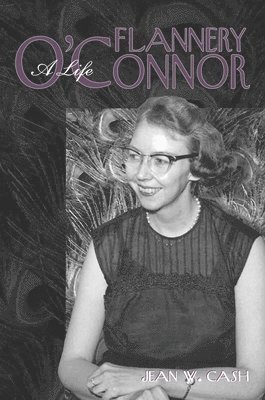
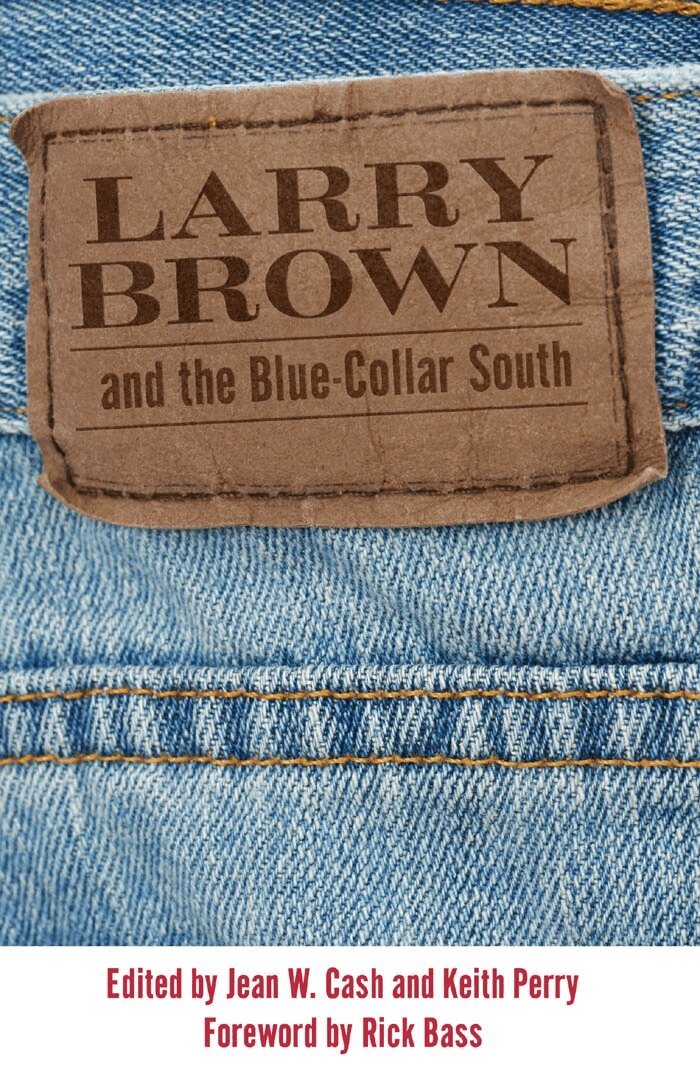
With contributions from Robert G. Barrier, Robert Beuka, Thomas Ærvold Bjerre, Jean W. Cash, Robert Donahoo, Richard Gaughran, Gary Hawkins, Darlin' Neal, Keith Perry, Katherine Powell, John A. Staunton, and Jay Watson Larry Brown is noted for his subjects--rural life, poverty, war, and the working class--and his spare, gritty style. Brown's oeuvre spans several genres and includes acclaimed novels (Dirty Work, Joe, Father and Son, The Rabbit Factory, and A Miracle of Catfish), short story collections (Facing the Music, Big Bad Love), memoir (On Fire), and essay collections (Billy Ray's Farm). At the time of his death, Brown (1951-2004) was considered to be one of the finest exemplars of minimalist, raw writing of the contemporary South. Larry Brown and the Blue-Collar South considers the writer's full body of work, placing it in the contexts of southern literature, Mississippi writing, and literary work about the working class. Collectively, the essays explore such subjects as Brown's treatment of class politics, race and racism, the aftereffects of the Vietnam War on American culture, the evolution of the South from a plantation-based economy to a postindustrial one, and male-female relations. The role of Brown's mentors--Ellen Douglas and Barry Hannah--in shaping his work is discussed, as is Brown's connection to such writers as Harry Crews and Dorothy Allison. The volume is one of the first critical studies of a writer whose depth and influence mark him as one of the most well-regarded Mississippi authors. Jean W. Cash is professor of English at James Madison University. She is the author of Flannery O'Connor: A Life. Keith Perry is associate professor of English at Dalton State College and the author of The Kingfish in Fiction: Huey P. Long and the Modern American Novel. Rick Bass is the author of novels and collections of nonfiction and short stories, most recently The Lives of Rocks: Stories.